
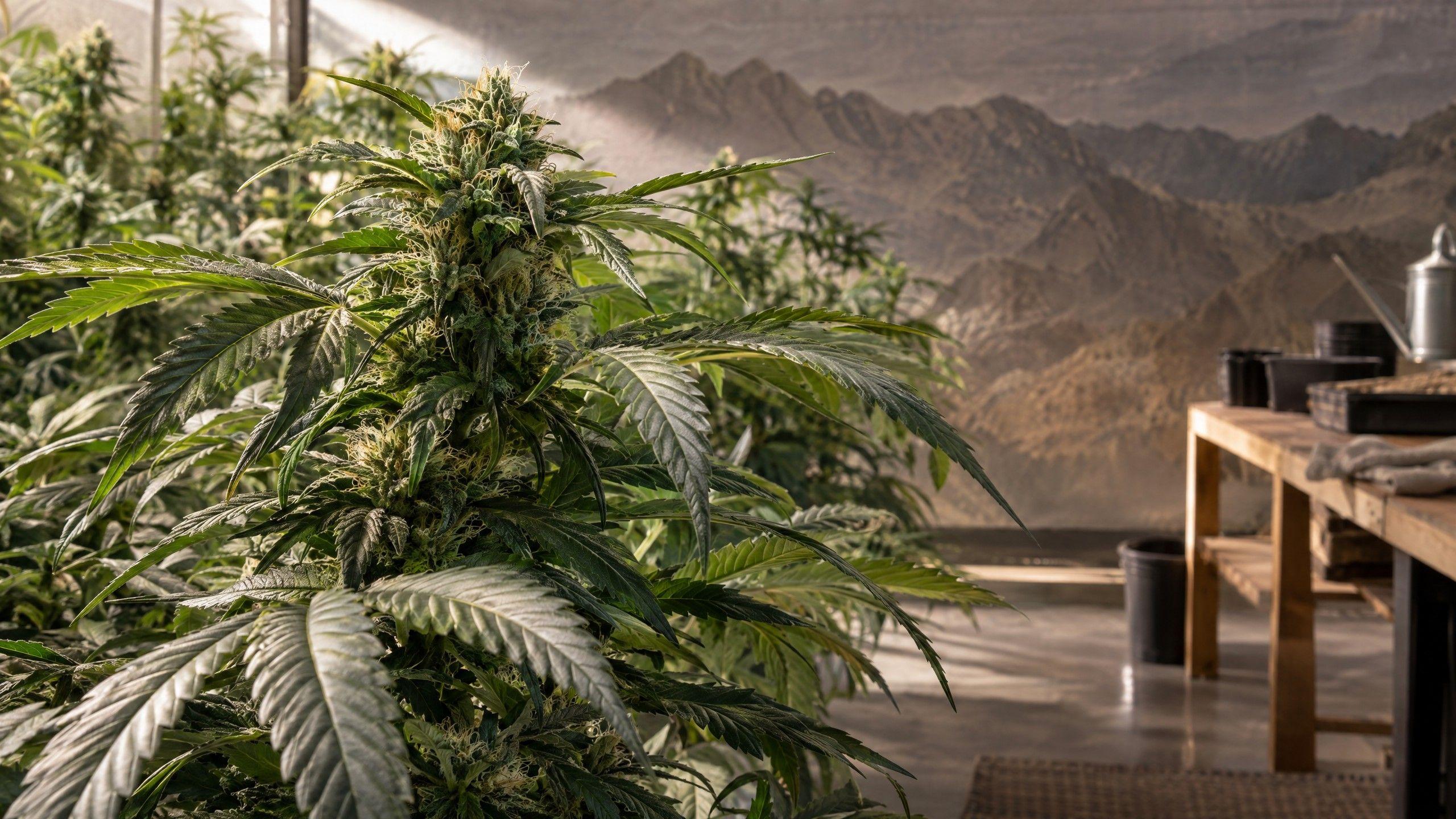
Afghan Kush Feminized Seeds
Afghan Kush feminized seeds are a strong fit for adults who want a photoperiod plant with a predominantly female profile and the ability to decide when flowering begins. Our selection guidance is simple: build the space first, set the light schedule when the plant is ready, and plan around a flowering window of around 8–10 weeks once that change is made.
Traditional Afghan Kush landrace heritage from the Hindu Kush region
Flowering window
Approximately 6–10 weeks.
Yield direction
Average
Environment
Indoor and outdoor
Current offer
We may earn a commission when you purchase through one of these links.
About Afghan Kush Feminized Seeds
This format combines the familiar Afghan Kush identity with a practical light-controlled growing pattern. Our product details cover indoor and outdoor use, while the broader name is associated with Hindu Kush and indica heritage; we recommend using that context alongside the exact line you choose.
Quick answer
Feminized seeds are intended to produce predominantly female plants, but no seed format should be presented as an absolute guarantee. Afghan Kush feminized seeds are photoperiod, so the plant moves into flower after a deliberate light-cycle change rather than on an automatic age-led schedule.
Our house profile is a compact-to-medium plant with a flowering window of around 8–10 weeks after the flowering schedule begins. Reserve room for stretch, monitor the plant as it develops, and allow flexibility because light, container, environment, training, and plant health influence the finish.
Afghan Kush feminized seeds at a glance
What the feminized format changes
A feminized seed is designed to reduce the chance of unwanted male plants compared with a regular lot. That makes it a useful choice for growers who want to focus their space on flowering plants, while “predominantly female” remains the responsible expectation rather than a guarantee.
Feminized describes the seed format, not a complete pedigree. Afghan Kush is commonly linked with Hindu Kush and an indica-associated identity, while our feminized profile should guide your planning for structure, timing, and product details.
The photoperiod behavior is the other major benefit. You can give the plant more time to build roots and branches, then move it into flower when its size and the available space make sense for your plan.
Plan the flowering window
For this format, plan around 8–10 weeks once the flowering light schedule begins. That is a flowering estimate, not the full time from germination to harvest, because the vegetative period is determined by the grower and by how the plant develops. Mark the light change in your notes and adjust the calendar as the plant shows its own pace.
Start with the room rather than the calendar. Decide how much vertical and lateral space you can manage, set the light position, establish airflow, and make sure you can reach the plant before choosing the date for the photoperiod change.
After the switch, observe stretch and spacing instead of forcing the canopy to match a fixed diagram. The plant’s response, container size, light intensity, nutrition, moisture, and temperature all affect the way the flowering period unfolds.
An outdoor plan works differently because natural daylight determines the seasonal transition. Use the local season, weather pattern, and available time as the foundation, then allow flexibility around the flowering window rather than choosing a fixed harvest date.
Indoor grow guidance
Give seedlings and young plants a steady start. Use a well-draining medium, water carefully while roots establish, and keep airflow moving without placing a strong fan directly on a small plant; consistent conditions make later decisions easier.
A photoperiod plant gives you time to build a useful structure before flowering. We recommend observing spacing and internode development, then using gentle training only when the plant is growing actively and can recover comfortably.
Before changing the light schedule, check the canopy from several angles. Remove obstacles from the grow area, confirm that the light can cover the intended footprint, and leave enough room for stretch so the flowering plant is not pressed against the light or walls.
During flower, keep the environment clean and easy to inspect. Check leaves, stems, moisture, airflow, and the growing medium regularly, and respond to changes early rather than relying on a catalog height or a fixed care calendar.
Outdoor grow guidance
Our product details include outdoor growing as an option, but success depends on the conditions you can provide. Choose a site with good drainage, regular access, airflow, and enough seasonal time for a photoperiod plant to complete flowering.
Hindu Kush identity is useful background, not a promise of resistance to pests, mold, heat, cold, humidity, or sudden weather. Protect the plant through sensible placement and observation, and follow local rules for cultivation.
Keep outdoor notes practical: mark when natural daylight begins the flowering transition, watch the weather, and allow the plant’s actual development to guide the next step. A flexible plan is more useful than forcing every plant into the same calendar.
Afghan Kush identity and aroma
The Afghan Kush name is broadly associated with the Hindu Kush and an indica-leaning character. For this page, we describe that as identity context rather than a guarantee that every feminized seed carrying the name has identical ancestry.
Our feminized profile uses a traditional Afghan Kush description, while each format has its own planning details. If you want the wider background, visit the Afghan Kush strain guide; if you want to compare planning formats, use the Afghan Kush seed comparison page.
We describe earthy, woody, spicy, and hash-like aroma directions, with sweet or herbal character also possible. Use those notes as a preference signal, not as a promise of one fixed aroma, because growing, drying, curing, and handling shape the final expression.
Feminized versus auto and regular
Afghan Kush feminized seeds give you two practical advantages: a predominantly female format and control over when photoperiod flowering begins. That combination works well when you want to build the plant to suit the room before setting the flowering schedule.
The Afghan Kush autoflower page is the better choice when an age-led flowering pattern and a consistent light schedule fit your plan. Our auto profile uses around 6–8 weeks from seed as a total-cycle estimate, which is a different planning measure from the feminized flowering window.
The Afghan Kush regular page suits a grower who is comfortable with lots that can include male and female plants and who wants to evaluate plants for selection. Regular, feminized, and autoflower options are useful choices, not interchangeable specifications.
How to choose this format
Choose Afghan Kush feminized seeds when you have a light-controlled indoor plan or an outdoor season that allows you to manage a photoperiod transition. The format is especially useful if you want to spend time shaping the plant before flowering and prefer a predominantly female starting point.
Choose autoflower when you value a maturity-led schedule and do not need to set flowering with a light change. Choose regular when sex identification and selection are part of the project; the right choice depends on the kind of control and observation you want from the grow.
Our recommendation is to choose the format before judging a timing figure. Then match our product details to your space, container plan, light, season, and local rules. This page is designed to support that decision with a clear, flexible plan.
Before the light change, make a simple checklist for height, access, drainage, and airflow. A photoperiod schedule gives you time to correct spacing and strengthen the canopy, but it does not remove the need for consistent observation.
That preparation is especially useful in a smaller tent or a changeable outdoor season. Build in extra room rather than planning to the last inch, because the finished shape depends on the plant and the conditions.
Review the current product details
You can Buy NowWe may earn a commission when you purchase through this link. when the format matches your plan. The link is a neutral way to check the current offer page; it does not promise a particular pack, price, stock position, or shipping term.
Keep your decision practical. If the space is tight, allow extra room for stretch; if the outdoor season is short, use the local light and weather calendar; and in every setting, give the plant steady care rather than chasing a best-case schedule.
Afghan Kush feminized seeds data sheet
Bottom line
Afghan Kush feminized seeds are a good fit for an adult grower who wants a predominantly female photoperiod format and the ability to choose when flowering begins. Our recommendation is to plan around 8–10 weeks after the light change, reserve room for stretch, and let the plant’s development guide the final timing.
Use the linked Afghan Kush seed comparison page to weigh auto and regular alternatives, then review the current feminized offer before you purchase. The format is valuable because it gives you control; the grow still rewards steady observation and practical preparation.
Read the Afghan Kush strain guide for cultivar background and broader growing context. Use this page to compare the selected seed format.
Afghan Kush Feminized Seeds data sheet
Use the details below to compare this seed type with your space and schedule. Plant traits can vary with format and growing conditions.
| Seed format | Feminized |
|---|---|
| Profile | Indica |
| Flowering type | Photoperiod |
| Flowering window | Approximately 6–10 weeks. |
| Harvest timing | Depends on flowering onset, genetics, and growing conditions |
| Yield | Average |
| Expected height | Depends on flowering onset, genetics, and growing conditions |
| Environment | Indoor and outdoor |
| Growing difficulty | Beginner friendly |
| THC | Approximately 17–22% |
Cultivar context
These traits describe the cultivar as a whole. Expression can vary across seed formats and growing conditions.
| Cultivar background | Afghan Kush is a predominantly Indica cultivar originating from the Hindu Kush mountain range |
|---|---|
| Group profile | Hybrid |
Afghan Kush Feminized Seeds growing FAQs
How should I plan the flowering window for Afghan Kush?
The listed flowering reference is Approximately 6–10 weeks.; use it as planning context rather than a fixed finish date. Individual plants and conditions can shift timing.
What size context is listed for Afghan Kush?
The listed size context is Depends on flowering onset, genetics, and growing conditions; treat it as a planning reference rather than a fixed result. Container size, training, and growing conditions can shape plant structure.
What environment should I consider for Afghan Kush?
Indoor and outdoor is the listed setup context; match it to your space and climate. Light, airflow, and routine still vary between growing environments.
How should I choose a seed type for Afghan Kush?
Compare the feminized format with your space, timing, and preferred light schedule. Choose the exact seed type that fits your plan, then review the format-specific page.
Compare Afghan Kush seed types
All Afghan Kush seed typesAfghan Kush Autoflower Seeds
Review the autoflower route for format-specific planning details. Match the format to your space and schedule.
Regular seed typeAfghan Kush Regular Seeds
Review the regular route for format-specific planning details. Match the format to your space and schedule.
Related seeds
All seeds
Hybrid
24k Gold
24k Gold seed options include Feminized formats. Compare the options with your preferred space and growing schedule.
View details
Hybrid
3 Kings
3 Kings seed options include Feminized formats. Compare the options with your preferred space and growing schedule.
View details
Hybrid
5 Alive
5 Alive seed options include Feminized formats. Compare the options with your preferred space and growing schedule.
View details