
Feminized
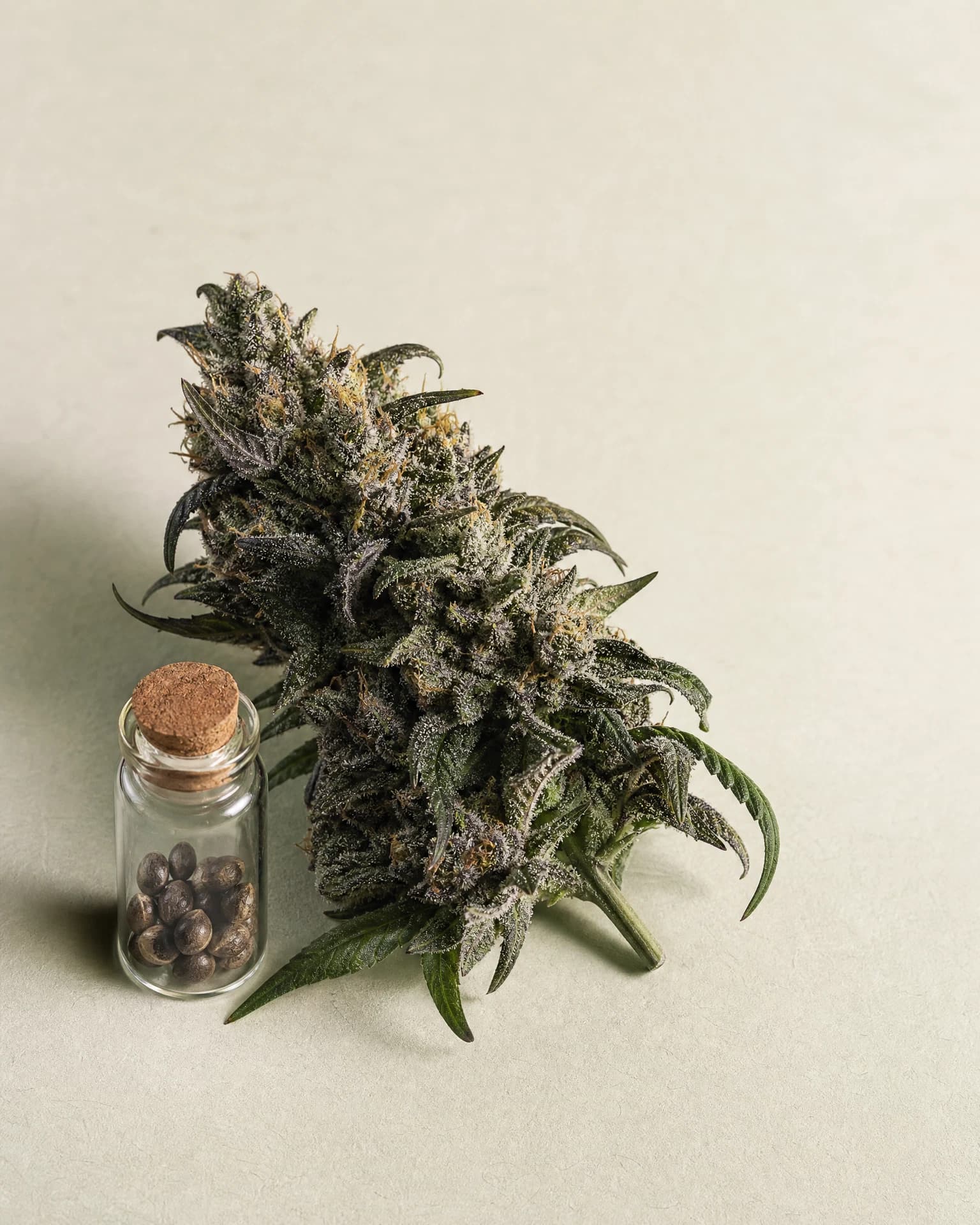
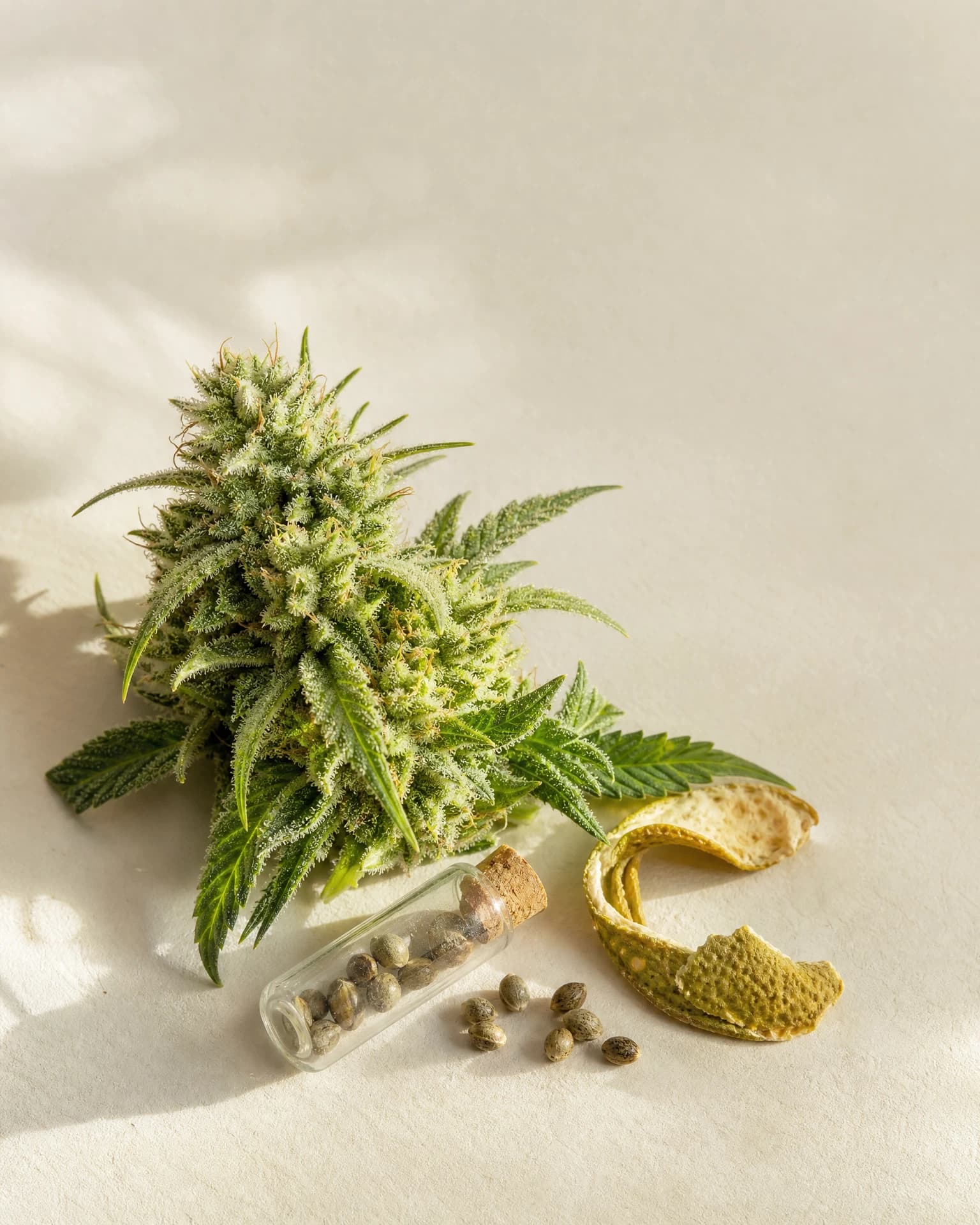
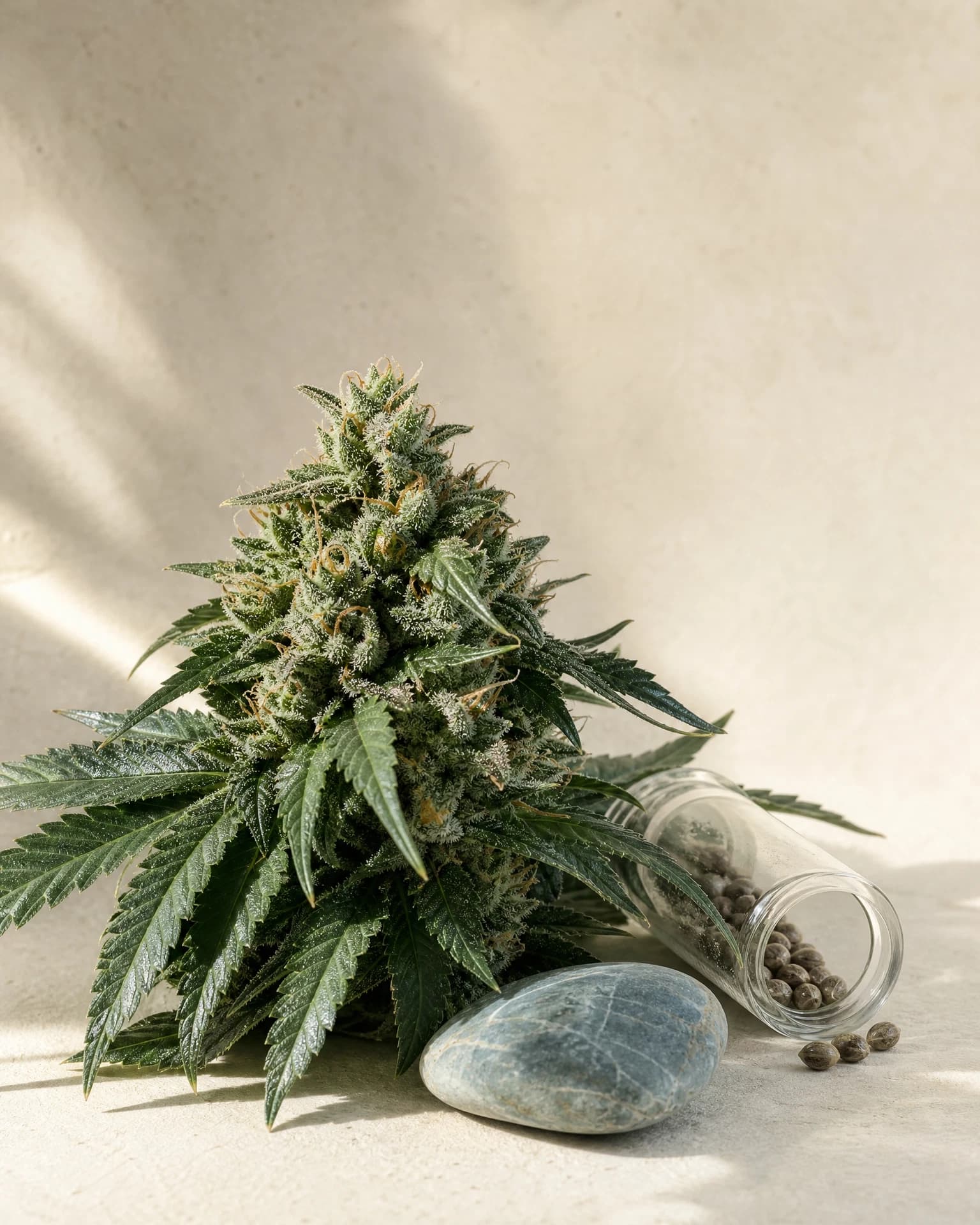
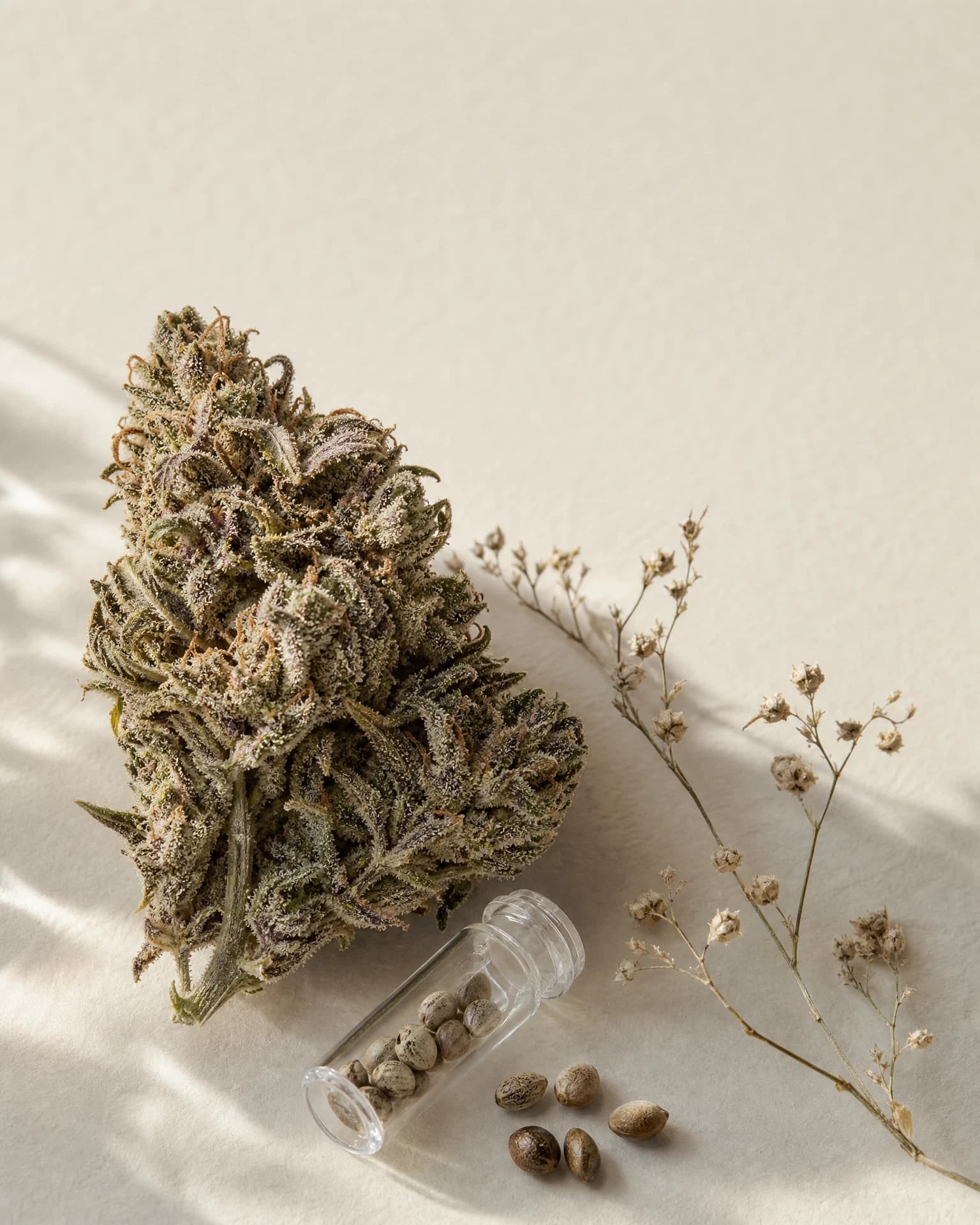
Feminized seed records support flower-first planning, but the exact environment, timing, plant structure, and grow difficulty still depend on the documented breeder line.
468 documented records
Feminized
Feminized
Feminized
Feminized
Feminized
Feminized
Feminized
Feminized
Feminized
Feminized
Feminized
Feminized
Feminized
Feminized
Feminized
Feminized
Feminized
Feminized
Feminized
Feminized
Feminized
Feminized
Feminized
Feminized
Feminized
Feminized
Feminized
Feminized
Feminized
Feminized
Feminized
Feminized
Feminized
Feminized
Feminized
Feminized
Feminized
Feminized
Feminized
Feminized
Feminized
Feminized
Feminized
Feminized
Feminized
Feminized
Feminized
Feminized
Feminized
Feminized
Feminized
Feminized
Feminized
Feminized
Feminized
Feminized
Feminized
Feminized
Feminized
Feminized
Feminized
Feminized
Feminized
Feminized
Feminized
Feminized
Feminized
Feminized
Feminized
Feminized
Feminized
Feminized
Feminized
Feminized
Feminized
Feminized
Feminized
Feminized
Feminized
Feminized
Feminized
Feminized
Feminized
Feminized
Feminized
Feminized
Feminized
Feminized
Feminized
Feminized
Feminized
Feminized
Feminized
Feminized
Feminized
Feminized
Feminized
Feminized
Feminized
Feminized
Feminized
Feminized
Feminized
Feminized
Feminized
Feminized
Feminized
Feminized
Feminized
Feminized
Feminized
Feminized
Feminized
Feminized
Feminized
Feminized
Feminized
Feminized
Feminized
Feminized
Feminized
Feminized
Feminized
Feminized
Feminized
Feminized
Feminized
Feminized
Feminized
Feminized
Feminized
Feminized
Feminized
Feminized
Feminized
Feminized
Feminized
Feminized
Feminized
Feminized
Feminized
Feminized
Feminized
Feminized
Feminized
Feminized
Feminized
Feminized
Feminized
Feminized
Feminized
Feminized
Feminized
Feminized
Feminized
Feminized
Feminized
Feminized
Feminized
Feminized
Feminized
Feminized
Feminized
Feminized
Feminized
Feminized
Feminized
Feminized
Feminized
Feminized
Feminized
Feminized
Feminized
Feminized
Feminized
Feminized
Feminized
Feminized
Feminized
Feminized
Feminized
Feminized
Feminized
Feminized
Feminized
Feminized
Feminized
Feminized
Feminized
Feminized
Feminized
Feminized
Feminized
Feminized
Feminized
Feminized
Feminized
Feminized
Feminized
Feminized
Feminized
Feminized
Feminized
Feminized
Feminized
Feminized
Feminized
Feminized
Feminized
Feminized
Feminized
Feminized
Feminized
Feminized
Feminized
Feminized
Feminized
Feminized
Feminized
Feminized
Feminized
Feminized
Feminized
Feminized
Feminized
Feminized
Feminized
Feminized
Feminized
Feminized
Feminized
Feminized
Feminized
Feminized
Feminized
Feminized
Feminized
Feminized
Feminized
Feminized
Feminized
Feminized
Feminized
Feminized
Feminized
Feminized
Feminized
Feminized
Feminized
Feminized
Feminized
Feminized
Feminized
Feminized
Feminized
Feminized
Feminized
Feminized
Feminized
Feminized
Feminized
Feminized
Feminized
Feminized
Feminized
Feminized
Feminized
Feminized
Feminized
Feminized
Feminized
Feminized
Feminized
Feminized
Feminized
Feminized
Feminized
Feminized
Feminized
Feminized
Feminized
Feminized
Feminized
Feminized
Feminized
Feminized
Feminized
Feminized
Feminized
Feminized
Feminized
Feminized
Feminized
Feminized
Feminized
Feminized
Feminized
Feminized
Feminized
Feminized
Feminized
Feminized
Feminized
Feminized
Feminized
Feminized
Feminized
Feminized
Feminized
Feminized
Feminized
Feminized
Feminized
Feminized
Feminized
Feminized
Feminized
Feminized
Feminized
Feminized
Feminized
Feminized
Feminized
Feminized
Feminized
Feminized
Feminized
Feminized
Feminized
Feminized
Feminized
Feminized
Feminized
Feminized
Feminized
Feminized
Feminized
Feminized
Feminized
Feminized
Feminized
Feminized
Feminized
Feminized
Feminized
Feminized
Feminized
Feminized
Feminized
Feminized
Feminized
Feminized
Feminized
Feminized
Feminized
Feminized
Feminized
Feminized
Feminized
Feminized
Feminized
Feminized
Feminized
Feminized
Feminized
Feminized
Feminized
Feminized
Feminized
Feminized
Feminized
Feminized
Feminized
Feminized
Feminized
Feminized
Feminized
Feminized
Feminized
Feminized
Feminized
Feminized
Feminized
Feminized
Feminized
Feminized
Feminized
Feminized
Feminized
Feminized
Feminized
Feminized
Feminized
Feminized
Feminized
Feminized
Feminized
Feminized
Feminized
Feminized
Feminized
Feminized
Feminized
Feminized
Feminized
Feminized
Feminized
Feminized
Feminized
Feminized
Feminized
Feminized
Feminized
Feminized
Feminized
Feminized
Feminized
Feminized
Feminized
Feminized
Feminized
Feminized
Feminized
Feminized
Feminized
Feminized
Feminized
Feminized
Feminized
Feminized
Feminized
Feminized
Feminized
Feminized
Feminized
Feminized
Feminized
Feminized
Feminized
Feminized
Feminized
Feminized
Feminized
Feminized
Feminized
Feminized
Feminized
Feminized
Feminized
Feminized
Feminized
Feminized
Feminized
Feminized
Feminized
Feminized
Feminized
Feminized
Feminized
Feminized
Feminized
Feminized
Feminized
Feminized
Feminized
Feminized
Feminized
Feminized
Collection guide
Read the complete selection guide in the window below, or continue browsing the product cards above.
Welcome to the Cannabis Seeds US catalog. When browsing our collection of feminized cannabis seeds, you will find a wide variety of genetic options tailored to different environments and preferences. This category is specifically bred with the intention of producing female plants, streamlining the selection process for shoppers who want to focus their resources on flower-producing genetics.
Navigating the extensive inventory requires an understanding of how to filter and compare different strains effectively. The guide below is designed to help you interpret breeder data, distinguish between key genetic categories, and narrow down your choices based on your specific spatial and scheduling constraints.
The term feminized cannabis seeds refers strictly to a breeding category focused on sex expression. Breeders develop these lines with the specific goal of producing female plants, which are the ones that eventually develop the cannabinoid-rich flowers sought by most cultivators. It is important to recognize that this classification addresses only the intended sex of the plant and does not dictate how or when the plant will begin its flowering phase.
While reputable breeders utilize established techniques to encourage female expression at a highly consistent rate, no agricultural product offers absolute certainty. Shoppers should approach these genetics with realistic expectations, understanding that environmental stress and natural phenotypic variation can still influence plant development. Always review the breeder's specific documentation and policies regarding their genetic lines to understand the probabilistic nature of these estimates.
Selecting the right product begins with evaluating the physical limitations of your intended environment. Shoppers planning an indoor garden must prioritize mature height estimates and spatial requirements, whereas those looking at outdoor applications should consider their local climate, seasonal changes, and available sunlight. Filtering the catalog by these environmental contexts helps ensure that the selected genetics align with the physical realities of your setup.
Schedule constraints are equally important when browsing the catalog. You must decide whether you prefer a genetic line that requires specific light cycle adjustments to trigger flowering or one that transitions automatically based on age. By matching the breeder-provided flowering windows to your calendar, you can effectively narrow down the options. For targeted selections, you can explore our dedicated indoor seeds and outdoor seeds categories to find strains suited to those specific conditions.
Every product card in the catalog presents a range of data points provided by the breeder, which should always be treated as estimates rather than absolute outcomes. You will find reported ranges for THC and CBD, estimated flowering times, and projected mature heights. These figures offer a baseline for comparison, but actual results will inevitably vary based on environmental factors, phenotype expression, and the overall care provided during the plant's lifecycle.
When comparing different options, pay close attention to the specific units and conditions listed for yield estimates, noting whether the data reflects indoor or outdoor environments. Additionally, catalog labels such as indica or sativa dominance provide insight into the genetic lineage and structural tendencies of the plant, while terpene profiles describe anticipated flavors and aromas. For those prioritizing specific traits, filtering by high THC seeds or high yield seeds can help refine your search based on breeder-reported characteristics.
A common point of confusion involves the distinction between sex expression and flowering behavior. Feminized products are bred for female sex expression, contrasting directly with regular seeds, which have the potential to produce either male or female plants. Shoppers who wish to select from a natural ratio of male and female genetics for breeding purposes typically browse the regular seeds collection, whereas those focused solely on flower production opt for feminized lines.
Independent of sex expression, a plant's flowering trigger is categorized as either photoperiod or autoflower. Photoperiod strains require a shift in the light and dark cycle to begin flowering, offering the cultivator control over the vegetative duration. Conversely, autoflowering genetics transition to the flowering stage based on age, regardless of light exposure. It is entirely possible to purchase a product that is both feminized and autoflowering, which you can find by checking the autoflower seeds category.
Navigating a large catalog is most effective when you apply a structured approach to your shopping experience. Begin by defining your non-negotiable constraints, such as the maximum allowable plant height or the specific climate of your region. Next, apply two or three relevant filters to narrow the inventory, which makes finding the right feminized seeds for sale a much more manageable task.
Once you have a concise shortlist, carefully review the individual product detail pages to compare like-for-like breeder data. Rather than searching for a single objectively superior strain, look for the genetic profile that best matches your environmental parameters and schedule. Finally, always verify the product's availability, pack size options, and your eligibility for shipping based on local regulations before finalizing your selection.
Transitioning from product selection to active cultivation requires a shift in focus toward environmental management and plant care. While selecting genetics bred for female expression reduces the need to identify and remove male plants, it does not eliminate the requirement for providing optimal growing conditions. Plants will still need appropriate light, balanced nutrition, and careful monitoring to reach the potential outlined in the breeder's estimates.
It is crucial to remember that the genetic label only dictates the plant's baseline tendencies, not its final outcome. Cultivators must tailor their approach based on whether they selected a photoperiod or age-triggered variety, adjusting their environmental controls accordingly. For comprehensive, high-level educational resources on maintaining plant health and optimizing your setup, we encourage shoppers to consult our dedicated cannabis grow guides before beginning their project.
This category refers to genetics specifically bred with the intention of producing female plants. The label describes the intended sex expression of the plant, which is responsible for producing flowers, rather than dictating how or when the plant will begin its flowering phase.
While reputable breeders use established techniques intended to produce female plants at a highly consistent rate, no agricultural catalog can promise absolute certainty. Environmental stress and natural variation can impact sex expression, so shoppers should review the breeder's specific policies and data.
No, these terms describe different plant characteristics. Feminized refers to the intended sex expression, while photoperiod describes a plant's response to changes in day and night length to trigger flowering. A product can be a feminized photoperiod or a feminized autoflower.
The difference lies in the expected sex expression. Feminized lines are bred to produce female plants almost exclusively, whereas regular seeds contain natural genetics that may produce either male or female plants, depending on the specific batch and breeder documentation.
Shoppers should utilize catalog filters to match breeder data with their environmental constraints. Consider factors such as projected mature height, estimated flowering windows, climate suitability, and whether the yield estimates are based on indoor or outdoor conditions.
It is advisable to compare the breeder's identity, flowering type, estimated flowering time, mature height, and cannabinoid data. Additionally, check the yield conditions, available pack sizes, current stock status, and any applicable germination policies provided on the product page.
Yes, a seed can possess both traits. It can be bred to produce a female plant while also containing the genetics required to flower automatically based on age rather than light cycle changes. You can use catalog filters to locate these specific combinations.