
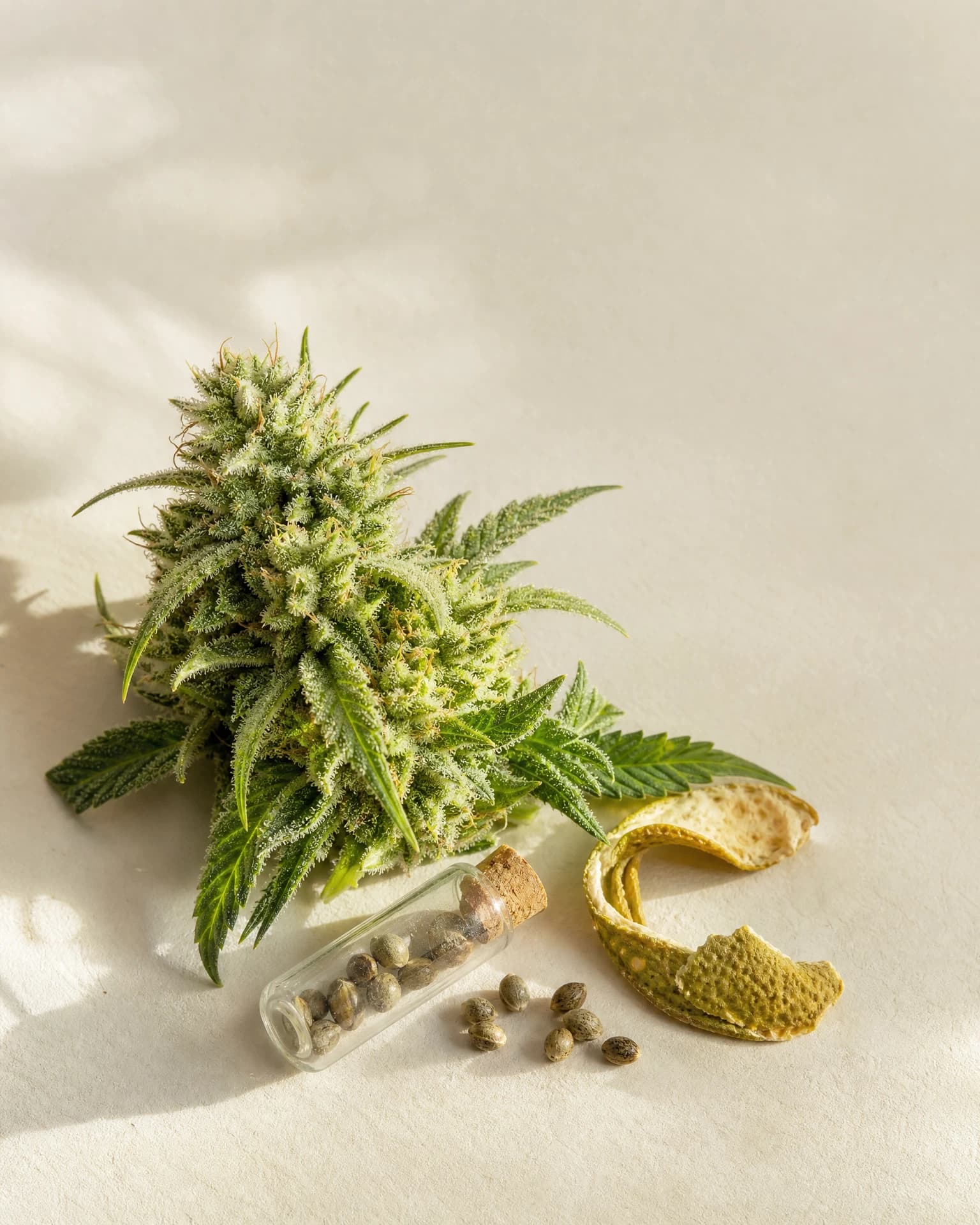
Regular
Regular seed records can suit growers researching conventional genetics and selection. Confirm current breeder details, environment, and line-specific growth guidance before choosing.
56 documented records
Regular
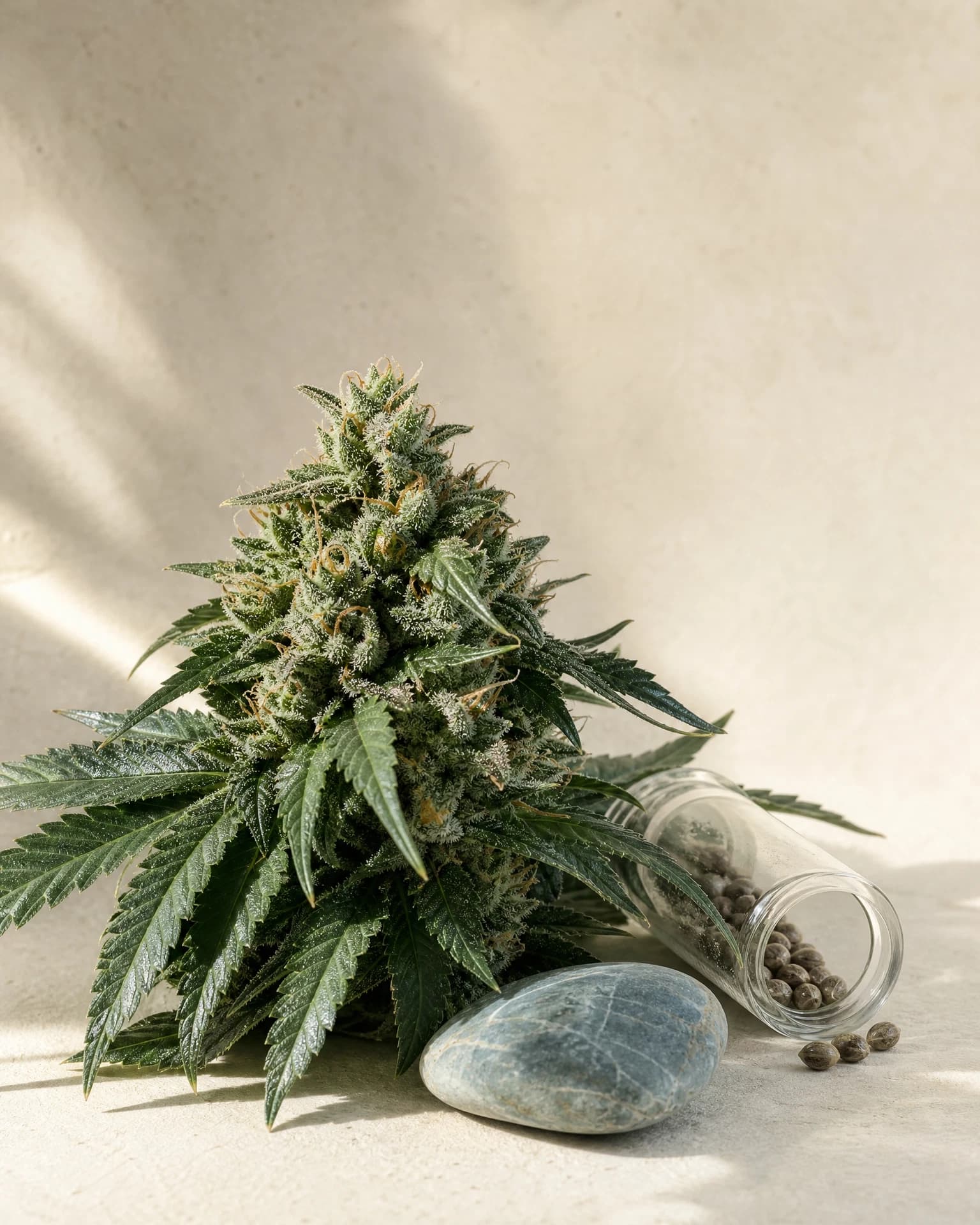
Regular
Regular
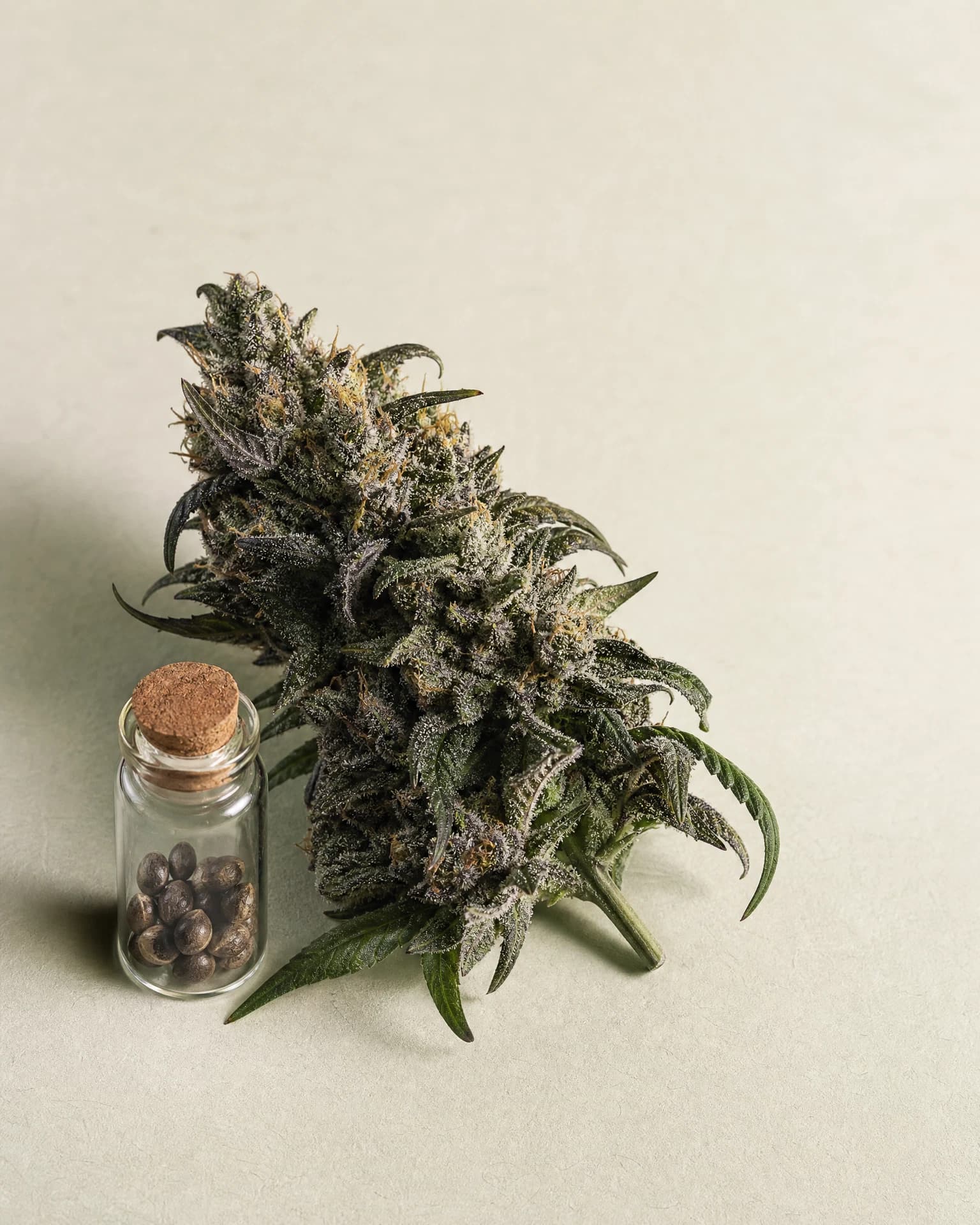
Regular
Regular
Regular
Regular
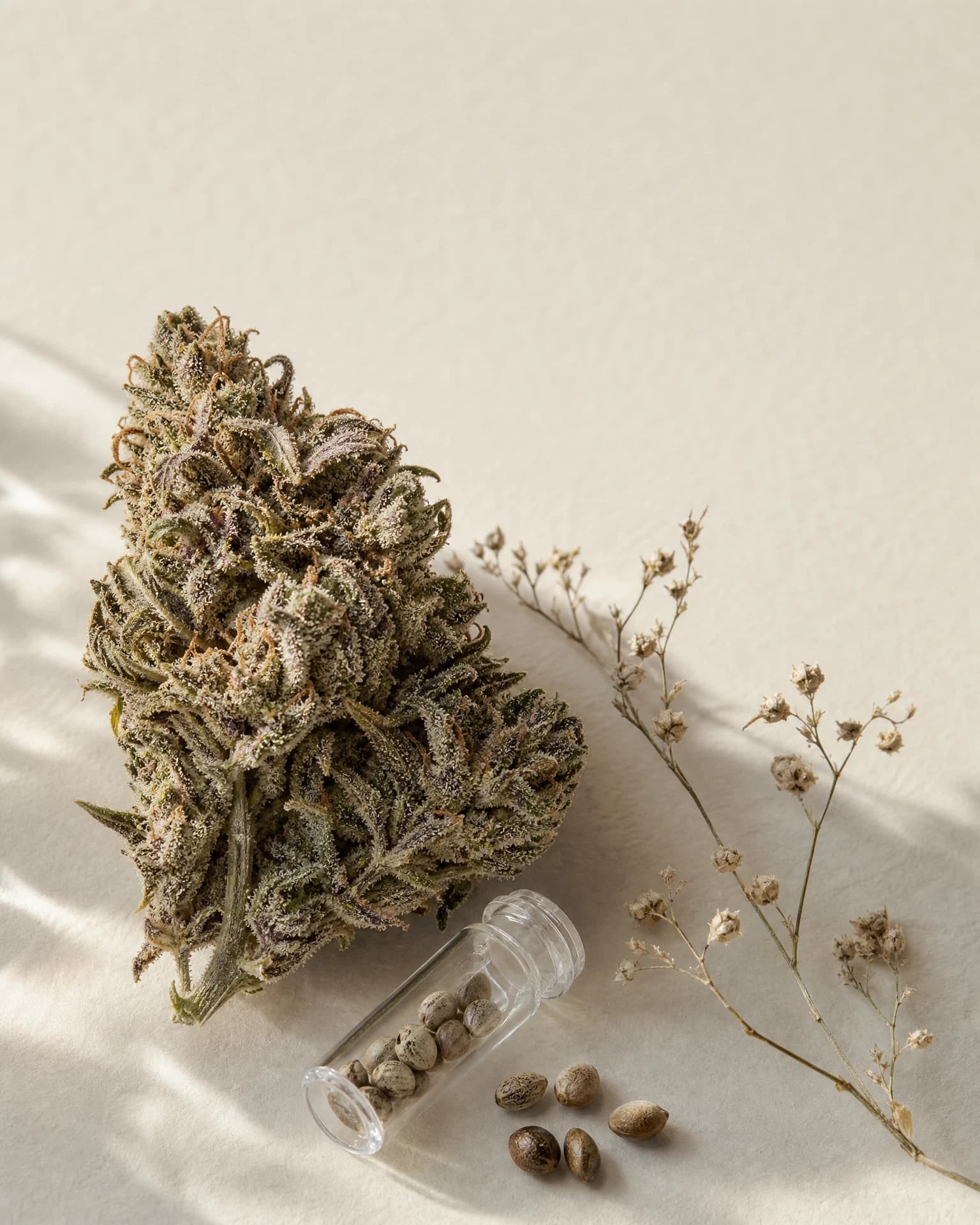
Regular
Regular
Regular
Regular
Regular
Regular
Regular
Regular
Regular
Regular
Regular
Regular
Regular
Regular
Regular
Regular
Regular
Regular
Regular
Regular
Regular
Regular
Regular
Regular
Regular
Regular
Regular
Regular
Regular
Regular
Regular
Regular
Regular
Regular
Regular
Regular
Regular
Regular
Regular
Regular
Regular
Regular
Regular
Regular
Regular
Regular
Regular
Regular
Regular
Collection guide
Read the complete selection guide in the window below, or continue browsing the product cards above.
Welcome to the Cannabis Seeds US regular cannabis seeds collection. This catalog features genetics preserved in their natural format, meaning they carry the potential to produce either male or female plants. This traditional seed type remains a foundational choice for collectors and cultivators focused on comprehensive genetic exploration.
Browse the selection above to find options suited for your specific goals, whether you are planning a breeding project, hunting for unique phenotypes, or preserving classic lineages. Use the available filters to sort by breeder, environment, and genetic background to find the right fit for your next project.
Regular cannabis seeds are bred to express their natural genetic heritage without chromosomal modification. This means that any given seed from a pack has the potential to develop into either a male or a female plant. This probabilistic outcome is a core feature of the category rather than a flaw, offering a traditional approach to seed collection and plant genetics.
The catalog above features a wide variety of these genetics from established breeders. While specific outcomes like male-to-female ratios are never guaranteed in any single pack, these seeds provide the foundational material for those looking to explore full genetic expressions. Shoppers can review documented lineage histories to understand the background of each offering.
Shoppers typically select these genetics with specific, advanced goals in mind. The primary use cases include breeding projects, selecting a robust mother plant for cloning, or exploring different phenotypes within a single documented lineage. Having access to male plants is essential for creating new crosses and preserving traditional genetic lines for future use.
This approach requires more active plant selection and monitoring compared to other options. While feminized options offer convenience for those focused solely on female plants, regular options appeal to collectors who value genetic diversity and are prepared to identify and separate plants as they mature. Neither type is universally superior; the choice depends entirely on the shopper's objective and available space.
Understanding seed taxonomy helps clarify your shopping choices and ensures you select the right product for your goals. The term regular refers strictly to expected sex expression, indicating the natural potential to be male or female. This is distinct from feminized seeds, which are specifically bred to minimize the presence of male chromosomes.
Furthermore, regular is not the opposite of autoflower. Autoflower and photoperiod terms describe the flowering trigger, meaning a product can theoretically be a regular autoflower or a regular photoperiod. Always verify the specific light-cycle category alongside the sex expression labels on the product page to ensure the genetics align perfectly with your catalog search and project requirements.
When browsing regular seeds for sale, start by reviewing the breeder documentation and lineage history provided on each product page. Look closely at the stated flowering times, expected height, and recommended environments. These figures are reported estimates from the breeders rather than absolute promises, providing a helpful baseline for comparing different genetic lines.
Beyond the genetic background, check practical details like pack sizes, price per pack, and current stock status. Reading customer reviews and noting any specific phenotype variations mentioned by the breeder can also guide your selection process. Utilize the catalog filters to narrow down options based on your specific collection criteria, ensuring you find genetics that match your intended environment.
Validating the exact listing is a crucial step before completing an order. Confirm the seed type and pack quantity to ensure you are getting the correct volume for your intended project. Distinguish between general product descriptors, such as aroma profiles or expected yields, and actual guarantees, as biological outcomes naturally vary based on environment and care.
Inspect the availability and shipping information to confirm the items can reach your location without issue. Compare the breeder notes with your available space and climate to ensure a good fit. Taking the time to review these details helps set realistic expectations for your regular cannabis seeds and ensures a smoother collecting experience.
Working with these genetics introduces specific considerations during the growth cycle that differ from feminized cultivation. The most significant change is the need to identify plant sex once it becomes observable during the pre-flowering or early flowering stages. Cultivators must decide early on whether male plants will be kept for pollen collection or removed to prevent the pollination of the females.
This identification process requires careful observation and precise timing. For detailed information on how to identify sex, manage lighting schedules, and handle other aspects of plant care, growers should consult dedicated educational resources. Proper planning ensures that the unique characteristics of these plants are managed effectively throughout their lifecycle.
They are seeds sold in their natural format, capable of producing either male or female plants. Because sex expression is probabilistic, there is no precise ratio guarantee for any given pack.
Neither type is universally superior. Regular options fit breeding and phenotype selection goals, while feminized options suit shoppers prioritizing female plants. The right choice depends entirely on your specific project and space.
Yes. The term regular describes sex expression, while autoflower describes flowering behavior. A product can be a regular autoflower or a regular photoperiod, so always verify the individual listing details.
No, seed appearance alone is not a reliable sex identifier. Sex can only be determined once the plant matures and begins to pre-flower. Consult cultivation education resources for guidance on identifying plant sex.
Breeders choose them to access male plants for pollen collection, evaluate different phenotypes, and preserve traditional genetic lines. They provide the necessary foundation for creating new crosses and exploring full genetic expressions.
Focus on breeder and lineage information, seed type, pack size, and documented environment or timing ranges. Additionally, check customer reviews, current stock, and shipping information before placing an order.
Rules regarding purchase and cultivation vary significantly by state and locality, and they are subject to change. Readers must verify current official rules in their jurisdiction before ordering. This information does not constitute legal advice.