
Strain guide
Northern Lights Strain Guide: Pine aroma and grower notes
Northern Lights is documented here with source-aware cultivar context and current-record comparison cues.
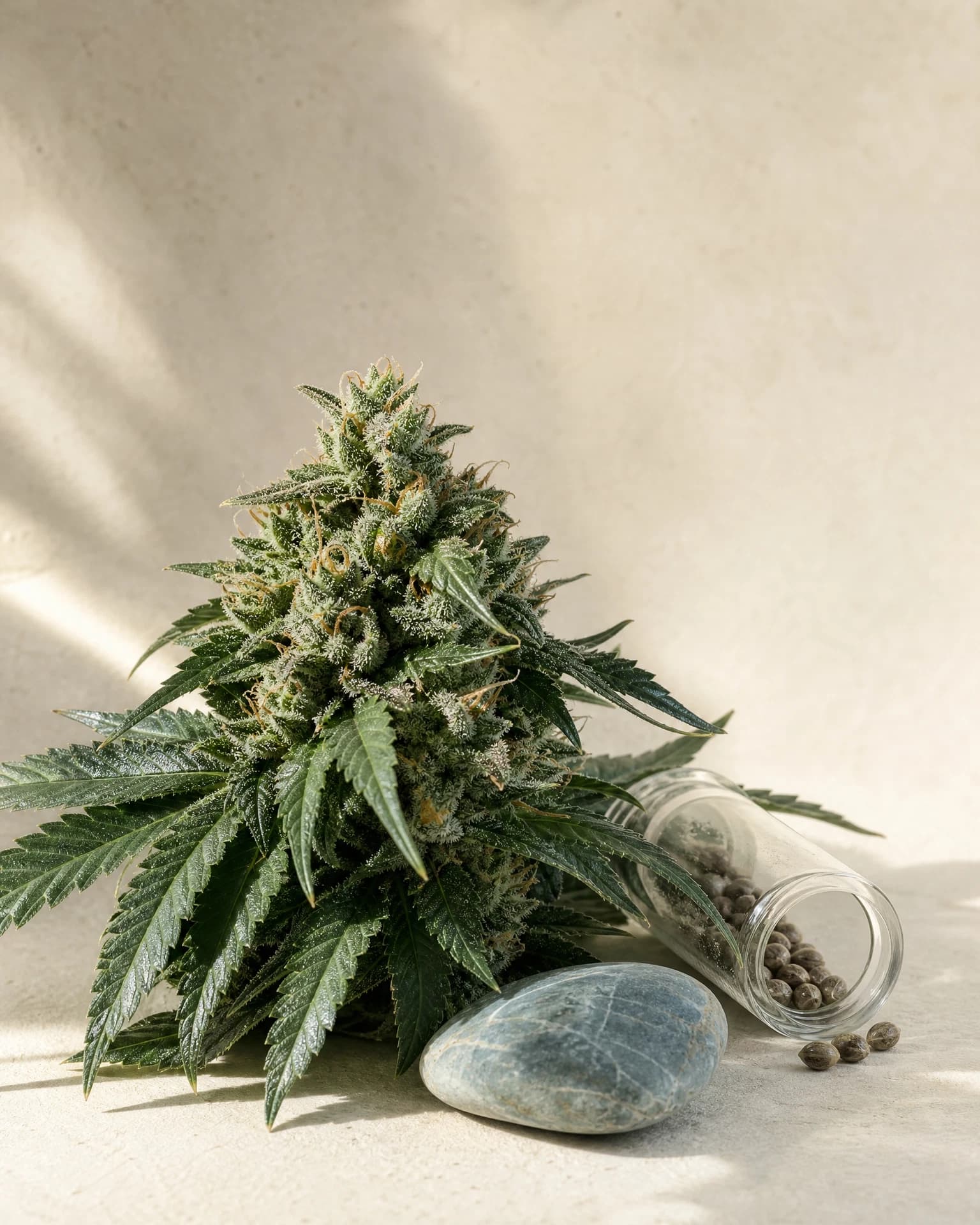
Overview
The Northern Lights strain is a botanical subject that represents a specific intersection of historical landrace genetics and modern hybridization techniques. Within the context of this breeder record, the cultivar is identified as an Indica-leaning hybrid, which suggests a growth pattern and morphological structure that typically aligns with the broad-leafed varieties of the species. The documentation provided for this specific entry classifies it as an Indica-dominant hybrid, with a composition that is typically noted as being approximately ninety percent Indica. This high degree of Indica dominance is a defining characteristic of the cultivar's profile as represented in the current dataset.
When examining the Northern Lights strain through the lens of verified botanical facts, it is essential to recognize the lineage that informs its current state. The record indicates that this cultivar is derived from a cross between Afghani and Thai landrace strains. These ancestral lines provide the genetic foundation for the plant's observed characteristics. The resulting hybrid is documented as having a medium, stocky, and resilient plant structure. These physical attributes are often sought after in various cultivation environments due to the inherent stability they provide during the growth cycle. The resilience noted in the record suggests a plant that can maintain its structural integrity and physiological health under a range of conditions, although the specific environmental tolerances are not detailed in this particular dataset.
The flowering period for the Northern Lights strain is a subject of some variation within the available breeder documentation. The record states a relatively fast flowering time that typically ranges from six to ten weeks. This window is influenced by the specific breeder and the particular phenotype of the plant being cultivated. Furthermore, the record highlights that the buds produced by this cultivar are dense and resinous, contributing to a specific aromatic profile that includes sweet pine, earthy, and spicy notes. As a widely available cultivar, it is offered in several seed formats, including feminized, regular, and autoflowering options, providing multiple avenues for acquisition and study.
Genetics and cultivar background
The genetic background of the Northern Lights strain is rooted in the combination of two distinct geographic lineages: Afghani and Thai landrace strains. A landrace strain refers to a variety of the plant that has developed in isolation within a specific geographic region, adapting to the local environment over many generations without significant human intervention or cross-breeding with outside genetics. By crossing an Afghani landrace with a Thai landrace, breeders have created an Indica-dominant hybrid that captures specific traits from both parents. The Afghani influence is typically associated with the stocky, resilient structure and the high resin production mentioned in the record, while the Thai influence contributes to the overall genetic complexity of the hybrid.
Understanding the significance of a ninety percent Indica-dominant profile requires a look at how these classifications are used in the industry. The term Indica-leaning or Indica-dominant refers to the morphological and chemical tendencies of the plant. In the case of the Northern Lights strain, this dominance is a primary feature of its genetic identity. The cross between a high-altitude, mountainous variety like the Afghani and a more tropical variety like the Thai results in a hybrid that exhibits a specific set of characteristics that have become well-known in the botanical community. However, it is necessary to base any understanding of this cultivar solely on the documented facts rather than on historical narratives that may not be supported by the current record.
The resilience of the cultivar is a direct result of its landrace heritage. Plants that originate from regions with challenging climates often develop sturdy physiological mechanisms to survive and thrive. The Afghani landrace, for example, is known for its ability to withstand harsh conditions, a trait that appears to have been passed down to the Northern Lights strain. This genetic stability is a key component of the cultivar's profile, making it a subject of interest for those studying the inheritance of traits in hybrid cannabis varieties. The documentation of this lineage provides a clear framework for understanding why the plant exhibits its medium and stocky structure.
When researchers evaluate the genetics of a cultivar like the Northern Lights strain, they look for the consistency of these inherited traits across different phenotypes. The record notes that while the cultivar is generally consistent in its Indica dominance, there are variations in flowering time and chemical composition that can be attributed to the specific breeding lines used by different retailers. This genetic diversity within the Northern Lights name highlights the necessity of checking the specific provenance of any seeds or plants being studied. The lineage of Afghani and Thai strains remains the constant foundation upon which these variations are built.
Plant profile and grow planning
The plant profile of the Northern Lights strain is characterized by a medium and stocky structure, as described in the verified facts of this record. This morphological description suggests a plant that does not reach extreme heights but instead focuses its energy on developing a sturdy central stem and dense lateral branching. A stocky structure is often advantageous in controlled environments where vertical space may be limited. The resilience of the plant, another key feature noted in the record, implies that it can handle the physical weight of its dense, resinous buds without requiring excessive external support, although the specific needs of the plant during its flowering phase should be monitored closely.
Planning for the cultivation of a medium-sized cultivar involves understanding the spatial requirements of a stocky plant. While it may not require the same vertical clearance as taller, Sativa-leaning varieties, the density of the growth can necessitate careful management of airflow and light penetration. The Northern Lights growing guide should focus on the plant's ability to produce dense buds within a relatively short timeframe. The record indicates a flowering period of six to ten weeks, which is considered fast for many hybrid varieties. This rapid development requires a well-structured plan that accounts for the plant's nutritional and environmental needs during each stage of its life cycle.
The density and resinous nature of the buds are central to the Northern Lights strain profile. Resin production is a physiological response that serves several functions for the plant, including protection from environmental stressors and the preservation of reproductive structures. In the context of this cultivar, the resinous buds are a primary output of the flowering phase. The stocky structure of the plant provides a stable base for this production, ensuring that the plant can support the development of these dense clusters. When planning a grow, the presence of such resinous material may also influence the methods used for handling and processing the plant material after the flowering period is complete.
Resilience is a term that encompasses a plant's ability to recover from stress and resist common issues that might affect its growth. For the Northern Lights strain, this resilience is a documented attribute that growers can factor into their planning. A resilient plant may be more forgiving of minor fluctuations in its environment, which can be a significant factor for those who are still developing their cultivation skills. However, resilience should not be confused with invulnerability. Even a stocky and resilient cultivar like Northern Lights requires consistent care and attention to reach its full potential as described in the breeder record.
The medium height of the cultivar also plays a role in how it is integrated into a larger garden. When multiple strains are grown together, the Northern Lights strain can be positioned to ensure it receives adequate light without overshadowing smaller plants or being overshadowed by larger ones. The predictability of its medium structure allows for more precise planning of the garden layout. By adhering to the facts provided in the record, growers can develop a realistic expectation of the plant's physical presence and plan their cultivation space accordingly, ensuring that the stocky nature of the cultivar is used to its best advantage.
Aroma and flavor profile
The aromatic profile of the Northern Lights strain is described in the record as a combination of sweet pine, earthy, and spicy notes. These descriptors provide a sensory framework for understanding the chemical compounds produced by the plant, specifically its terpenes. Terpenes are the aromatic oils that give different cultivars their unique scents and flavors. In the case of this cultivar, the presence of piney, earthy, and spicy aromas suggests a specific terpene composition that is characteristic of its Indica-dominant heritage. The sweetness noted in the record adds a layer of complexity to the overall profile, distinguishing it from other varieties that may have more singular aromatic identities.
Interpreting aromatic descriptions in a breeder record requires an understanding of how these scents are perceived and categorized. An "earthy" aroma is often associated with compounds that evoke the scent of damp soil or forest floors, while "spicy" notes can range from peppery to herbal. The "sweet pine" descriptor suggests a crisp, resinous scent that is balanced by a sugary undertone. Together, these elements create a profile for the Northern Lights strain that is both grounded and multifaceted. The record does not specify the exact concentration of individual terpenes, but the combination of these three primary notes provides a clear indication of the cultivar's sensory characteristics.
The flavor of the cultivar is expected to mirror its aromatic profile, as the two are closely linked through the plant's chemical composition. When the plant material is used, the sweet pine, earthy, and spicy notes are likely to be evident in the taste as well. The resinous nature of the buds, as mentioned in the plant structure section, is also a factor in the intensity of the flavor and aroma. Resinous buds contain a higher concentration of the glands that produce terpenes, which can lead to a more pronounced sensory experience. This relationship between the physical structure of the plant and its aromatic output is a key aspect of the Northern Lights strain guide.
It is also worth considering that the aromatic profile of a cultivar can be influenced by the environment in which it is grown and the methods used to cure the plant material. While the record provides a baseline of sweet pine, earthy, and spicy notes, the specific expression of these scents may vary. Factors such as soil composition, nutrient availability, and temperature can all affect the production of terpenes. However, the genetic potential for this specific aromatic profile remains a constant feature of the Northern Lights strain as documented in the verified facts. Researchers and consumers alike can use these descriptors to identify and categorize the cultivar within the broader context of hybrid cannabis.
The spicy and earthy notes in particular are often found in cultivars with landrace origins, such as the Afghani and Thai parents of the Northern Lights strain. These scents are part of the plant's natural defense system and have been preserved through generations of breeding. The addition of a sweet pine element represents the successful hybridization of these ancestral lines, resulting in a profile that is both traditional and unique. By focusing on these documented aromatic traits, one can gain a deeper appreciation for the complexity of the Northern Lights strain without relying on unsupported claims about its effects or other non-documented characteristics.
Reported experience context
The record provided for the Northern Lights strain does not include specific data regarding the effects or experiences reported by users. This is a significant distinction to make, as many descriptions of cannabis cultivars rely heavily on anecdotal evidence that may not be supported by clinical study or verified data. In the absence of such information in the record, it is necessary to focus on the value of laboratory testing and the objective analysis of the plant's chemical composition. The Northern Lights strain, like any other cultivar, will interact with an individual's physiology in a way that is determined by a variety of factors, including the concentration of cannabinoids and terpenes.
The caveat in the record notes that THC levels for the Northern Lights strain can range from 15% to over 24%, with specialized selections like Northern Lights #10 reaching the higher end of that spectrum. This significant variance in potency is a clear indicator that the experience of using this cultivar can differ greatly depending on the specific batch and the breeder's selection. A cultivar with 15% THC will have a different chemical impact than one with 24% THC, even if they share the same name and genetic lineage. This highlights the need for consumers to check the specific lab results for the product they are considering, rather than relying on general descriptions of the strain's effects.
The reported experience of a cultivar is also influenced by the presence of terpenes, which were discussed in the aroma and flavor section. While the record describes the aromatic profile as sweet pine, earthy, and spicy, it does not detail how these compounds might influence the user's experience. In the broader field of cannabis research, the "entourage effect" is a theory that suggests cannabinoids and terpenes work together to produce a specific outcome. However, without documented evidence of this effect for the Northern Lights strain in the current record, it remains a topic for general educational discussion rather than a specific claim about the cultivar itself.
Responsible research into a cultivar involves looking beyond marketing terms and seeking out objective data. When a record is silent on a particular subject, such as the specific effects of the Northern Lights strain, it is a signal to the researcher that more information is needed from other verified sources. This might include peer-reviewed studies on the chemical compounds found in the plant or detailed reports from state-certified testing laboratories. By acknowledging the limits of the current record, we can maintain a high standard of accuracy and avoid the pitfalls of spreading unverified information about the cultivar's impact on the user.
In summary, the experience context for the Northern Lights strain is defined by what we know about its chemical variability and what we do not know about its specific effects. The wide range of THC concentrations and the documented aromatic profile provide a starting point for understanding the plant's potential, but they do not tell the whole story. As with any botanical subject, the interaction between the plant and the human body is complex and highly individual. The best approach is to rely on the facts that are available—such as the 15% to 24% THC range—and to seek out additional verified data to fill in the gaps in our current understanding.
How to compare current breeder records
Evaluating breeder records for a cultivar like the Northern Lights strain requires a critical eye and an understanding of how data is collected and reported in the cannabis industry. The record provided for this guide includes a significant caveat regarding the variation in flowering times and THC concentrations. This variance is not a sign of inaccuracy, but rather a reflection of the diverse ways in which the Northern Lights strain is bred and sold by different retailers. When comparing records, it is essential to look for these types of discrepancies and understand what they mean for the researcher or cultivator.
The flowering time for the Northern Lights strain is a primary example of data variance. The record states a window of six to ten weeks, with some sources citing a shorter six to eight week period and others suggesting it can take up to ten weeks. This difference can be attributed to several factors, including the specific phenotype being grown, the environmental conditions of the garden, and the breeder's criteria for determining when a plant is fully mature. A researcher should not simply choose the shortest time listed but should instead prepare for the full range of possibilities. Understanding that the northern lights flowering time is not a fixed number but a range is a key part of responsible grow planning.
Similarly, the reported THC concentrations for the Northern Lights strain show a wide range, from 15% to over 24%. This variance is even more pronounced when considering specialized selections like Northern Lights #10, which are bred for higher potency. When comparing records from different retailers, it is useful to check whether the THC numbers are based on average results or on the highest recorded levels for a specific phenotype. The presence of this range in the record serves as a reminder that the chemical composition of the Northern Lights strain is not uniform across all seeds and plants. Lab testing results from the specific batch are the only way to verify the actual potency of the cultivar.
Another aspect of comparing breeder records is evaluating the consistency of the morphological descriptions. The record for the Northern Lights strain describes it as having a medium, stocky, and resilient structure with dense, resinous buds. If another record were to describe the plant as tall and lanky with airy flowers, it would be a strong indication that the two records are referring to different genetic lines, even if they share the same name. By focusing on the verified facts in the current record, such as the Afghani and Thai lineage and the sweet pine, earthy, and spicy aromatic profile, we can establish a baseline for what constitutes a true representation of the Northern Lights strain.
In conclusion, the process of comparing breeder records is an exercise in data analysis and verification. The caveat provided in this record is a substantive explanation of the limits of the evidence currently available. It reminds us that the Northern Lights strain is a living, biological entity that can exhibit a range of traits depending on its genetics and environment. By acknowledging these variations and focusing on the documented facts, we can build a more accurate and reliable understanding of the cultivar. This approach is essential for anyone who wishes to research the Northern Lights strain or any other cannabis variety in a responsible and informed manner.
The information presented in this guide is derived strictly from the breeder record and verified facts provided for the Northern Lights strain. The data includes a lineage of Afghani and Thai landrace strains, a medium and stocky plant structure, and a fast flowering time of six to ten weeks. The aromatic profile is documented as sweet pine, earthy, and spicy, and the cultivar is available in feminized, regular, and autoflowering seed formats. The caveat regarding the variation in THC levels (15% to 24%) and flowering times is a central part of the record's evidence-based approach. No outside knowledge or anecdotal claims have been included in this report, ensuring that the content remains bounded by the provided source material.
The current record for the Northern Lights strain provides a solid foundation of facts, but it also leaves several questions unanswered. These gaps in the data represent opportunities for further research and study. For example, while the record describes the aromatic profile as sweet pine, earthy, and spicy, it does not provide a detailed breakdown of the specific terpenes responsible for these scents. A research project could focus on identifying the primary and secondary terpenes in different Northern Lights phenotypes and how they correlate with the reported 15% to 24% THC range.
Another area for investigation is the specific nature of the plant's resilience. The record notes that the Northern Lights strain is resilient, but it does not specify which environmental stressors it is most resistant to. Research could be conducted to determine the cultivar's tolerance for fluctuations in temperature, humidity, or nutrient levels. This information would be highly valuable for those developing a northern lights growing guide, as it would provide more concrete advice on how to manage the plant in various conditions.
The variation in flowering time also warrants further study. By tracking the development of the Northern Lights strain across different environments and under different light cycles, researchers could gain a better understanding of why some plants mature in six weeks while others take ten. This could lead to more precise predictions for growers and a deeper understanding of the genetic factors that influence the speed of the flowering phase. Each of these questions highlights the necessity of continuing to gather data and refine our knowledge of this Indica-dominant hybrid.
Frequently asked questions
What is the Northern Lights strain?
This guide summarizes the documented cultivar record while separating verified details from variable grower outcomes.
Is Northern Lights suitable for beginners?
Difficulty depends on the exact seed line, environment, and grow setup. Confirm current breeder guidance.
How long does Northern Lights take to flower?
Flowering windows vary by phenotype and environment. Confirm the estimate for the exact breeder line.
Can Northern Lights be grown indoors and outdoors?
Suitability depends on the breeder line and local climate. Compare space, humidity, temperature, and season length.
Which Northern Lights seed format should I choose?
Autoflower and feminized formats serve different schedules and grow styles. Compare only documented direct records.