
Strain guide
Acapulco Gold Strain Guide: Citrus aroma and grower notes
Acapulco Gold is documented here with partner-source cultivar context, seed-format availability, and secondary-topic research cues.
Overview
The Acapulco Gold strain represents a specific category of cannabis genetics that has been documented across several contemporary breeder and retailer platforms. According to the available record, this cultivar is classified as a Sativa-dominant hybrid, with a typical composition consisting of 70% Sativa and 30% Indica. It is characterized by its resinous floral structures, which are noted for displaying a range of colors including gold, orange, and red pistils. The record indicates that the plant typically reaches a medium-to-tall stature, with potential outdoor heights extending up to 2 meters. This height suggests a specific growth habit that may require consideration during the planning phases of a cultivation project.
Factual documentation for this cultivar highlights a high THC content, which generally ranges between 15% and 24%. This range reflects the variability often found in breeder records, where environmental factors and specific phenotypic expressions can influence the final chemical profile of the plant. The primary seed format currently available for this cultivar is feminized photoperiod seeds, a format that is designed to produce female plants by eliminating the presence of male chromosomes. This focus on feminized seeds aligns with the offerings found across major retail sources mentioned in the record.
Understanding the data provided for the Acapulco Gold strain requires an objective analysis of the specific metrics reported. The flowering time, for instance, is typically cited as falling within a 9 to 10 week window, although variations exist. The flavor profile is described as having earthy, citrus, and coffee notes, which are attributed to a specific terpene profile. These technical details provide a foundation for evaluating the cultivar, though they must be viewed within the context of the conflicting reports and caveats that accompany the record. By focusing strictly on the provided data, a researcher can establish a clear baseline for what is known about the cultivar according to current documentation.
Genetics and cultivar background
The genetic history of the Acapulco Gold strain is characterized by a degree of uncertainty and conflicting reports among various sources. The record states that the cultivar originates from Mexican or Central American landrace genetics, which suggests a lineage rooted in stable, geographically specific populations. However, the precise ancestry of the modern versions of this strain is a subject of debate. Some sources cited in the record describe the lineage as a cross between "Mexican x Skunk x Apple Pie," while others list the parents as "Mexican Sativa x Secret Hybrid." Additionally, some records suggest that the strain may be a stabilized version of Central American landrace genetics without specific hybridization with other known cultivars.
This lack of consensus regarding the genetics of the Acapulco Gold strain is a common feature in the cannabis industry, where the history of many cultivars is not always documented with scientific precision. When a record mentions a "Secret Hybrid," it indicates that the breeder has chosen not to disclose the full pedigree of the plant, which adds another layer of complexity to the genetic analysis. The mention of "Mexican or Central American landrace" genetics points toward a Sativa-dominant heritage, which is consistent with the 70% Sativa and 30% Indica ratio reported in the verified facts.
When evaluating the genetics of a cultivar like this, it is necessary to consider how different breeders might interpret the term "Acapulco Gold." Because the name itself has historical weight, different companies may apply it to different genetic crosses that they believe approximate the characteristics of the original. The record’s mention of "stabilized Central American landrace genetics" implies a process of selective breeding to ensure that the offspring consistently exhibit specific traits, such as the golden pistils or the tall growth habit. However, the presence of "Skunk" or "Apple Pie" in some reported lineages suggests that modern versions may have been modified to improve yield, potency, or flowering time.
The 70/30 Sativa-to-Indica ratio is a critical piece of genetic information that informs the plant's physical and chemical properties. Sativa-dominant hybrids often inherit the tall structure and longer flowering times of their Sativa ancestors, while the Indica component may contribute to bud density or a slight reduction in the overall flowering period. In the case of this cultivar, the 9 to 10 week flowering window is relatively standard for a Sativa-leaning hybrid, though the caveat notes that some versions may take as long as 12 weeks or as little as 8 weeks. This variability further emphasizes the importance of verifying the specific genetic version being researched.
Plant profile and grow planning
The physical profile of the Acapulco Gold strain is defined by its tall structure and resinous bud development. According to the record, the plant can reach a height of up to 2 meters when grown in an outdoor environment. This medium-to-tall stature is a hallmark of Sativa-dominant genetics, which typically exhibit significant vertical growth during both the vegetative and flowering stages. For those planning a cultivation project, this height requirement necessitates a space that can accommodate the plant's vertical reach, particularly if indoor cultivation is being considered, where ceiling height can be a limiting factor.
The flowering time for the Acapulco Gold strain is generally reported to be between 9 and 10 weeks. This period represents the time from the initiation of the flowering cycle—usually triggered by a change in the light schedule for photoperiod plants—to the point where the buds have reached maturity and are ready for harvest. However, the record also includes a caveat that flowering times can vary between 8 and 12 weeks depending on the specific breeder's version. This range suggests that the environmental conditions, nutrient regimens, and the specific phenotype of the seeds can all play a role in determining the actual duration of the flowering stage.
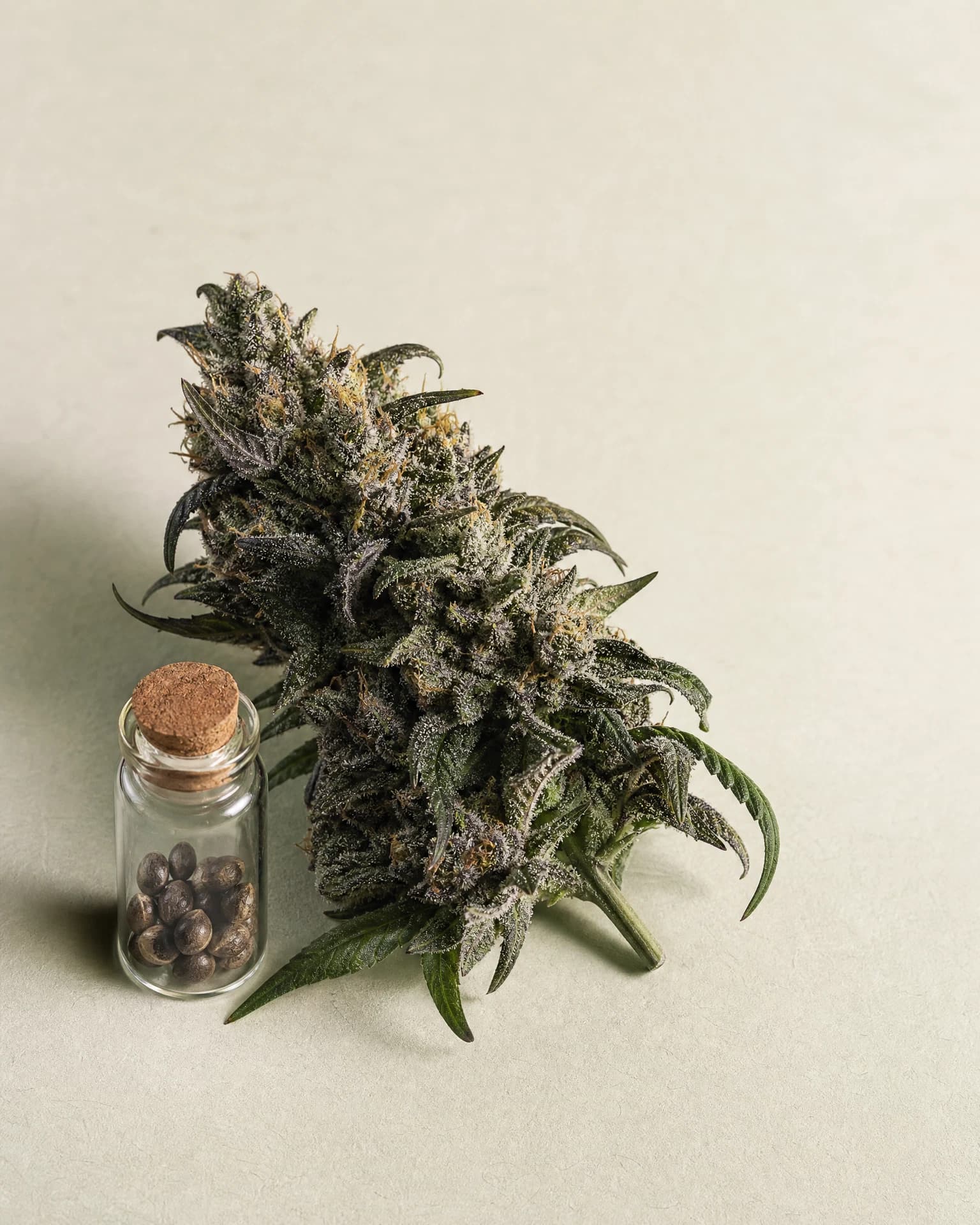
In terms of bud structure, the record describes the flowers as being resinous and adorned with gold, orange, and red pistils. The presence of resin is an indicator of the plant's trichome production, which houses the cannabinoids and terpenes. The coloration of the pistils—the hair-like structures that emerge from the buds—is a distinctive feature that is often used to identify the cultivar, though it is primarily an aesthetic trait. The "gold" in the strain's name is likely a reference to these pistil colors or the overall appearance of the mature buds.
Planning for the cultivation of this strain involves understanding its photoperiod nature. Since the record specifies that the primary format is feminized photoperiod seeds, the plants will require a specific light cycle to transition from vegetative growth to flowering. Typically, this involves a shift to a 12-hour light and 12-hour dark cycle. The feminized nature of the seeds means that the resulting plants are almost certain to be female, which is the preferred outcome for those seeking to produce resinous flowers rather than seeds. The record does not provide specific details on nutrient requirements or pest resistance, so these factors remain unknown and would require further investigation through general botanical research.
Aroma and flavor profile
The sensory characteristics of the Acapulco Gold strain are detailed in the record through its reported flavor profile and terpene composition. The flavor is described as a combination of earthy, citrus, and coffee notes. These descriptors provide a general idea of the palate one might expect, though individual experiences can vary based on the quality of the cure and the specific growing conditions. The earthy notes are often associated with a grounding, soil-like quality, while the citrus adds a bright, acidic element, and the coffee provides a darker, roasted undertone.
These flavor notes are driven by the plant's terpene profile, which the record identifies as featuring caryophyllene, limonene, and myrcene. Terpenes are aromatic compounds found in many plants, and in cannabis, they contribute to both the scent and the flavor of the flowers. Caryophyllene is known for its spicy and peppery notes, which may contribute to the earthy and coffee aspects of the profile. Limonene, as the name suggests, is associated with citrus scents and is found in high concentrations in the peels of lemons and oranges. Myrcene is one of the most common terpenes in cannabis and is often described as having an earthy, musky, or herbal aroma.
The interaction between these terpenes creates the complex bouquet reported for the Acapulco Gold strain. While the record lists these three as the primary terpenes, it is worth observing that many other secondary terpenes may be present in smaller quantities, contributing to the overall aroma. The specific concentration of each terpene can be influenced by the environment in which the plant is grown; for example, light intensity and temperature can affect the rate of terpene synthesis and preservation.
When researching the aroma and flavor of a cultivar, it is useful to look at the terpene profile as a more objective measure than subjective flavor descriptions. While one person might describe a flavor as "coffee," another might perceive it differently. However, the presence of caryophyllene, limonene, and myrcene is a verifiable chemical trait that can be measured through lab testing. The record’s inclusion of these specific terpenes provides a technical basis for understanding the cultivar’s sensory profile, even if the subjective experience of the flavor remains variable.
Reported experience context
The Acapulco Gold strain is documented as having a high THC content, with the record specifying a range of 15% to 24%. THC, or tetrahydrocannabinol, is the primary psychoactive compound in cannabis, and a concentration in this range is considered significant. The wide span of 9 percentage points reflects the inherent variability in cannabis production, where different batches of the same strain can produce different levels of cannabinoids. Factors such as the maturity of the plant at harvest, the light spectrum used during growth, and the post-harvest processing methods can all influence the final THC percentage.
As a Sativa-dominant hybrid (70% Sativa / 30% Indica), the cultivar’s chemical profile is expected to reflect its genetic heritage. Sativa-dominant strains are often associated with specific types of experiences in general cannabis literature, but the record itself does not list specific effects or medical uses for Acapulco Gold. Instead, it provides the raw data—the THC range and the Sativa/Indica ratio—leaving the interpretation of that data to the researcher. The absence of CBD (cannabidiol) data in the record means that the concentration of this non-psychoactive cannabinoid is unknown for this cultivar according to the provided source.
When evaluating the "experience context" of a strain based on a breeder record, it is important to understand that the THC percentage is only one part of the equation. The presence of terpenes, as discussed in the previous section, may also play a role in how the cannabinoids are perceived, a concept often referred to in general botanical studies. However, the record for Acapulco Gold does not make any specific claims about how caryophyllene, limonene, or myrcene interact with the 15-24% THC content.
The record’s description of the buds as "resinous" is also relevant to the experience context, as resin is the primary site of cannabinoid and terpene storage. A highly resinous plant is typically one that has a high density of trichomes, which are the small, glandular structures that give the buds a frosty or sticky appearance. The mention of gold, orange, and red pistils adds to the visual context of the buds but does not directly inform the chemical experience. Researchers should focus on the THC range and the genetic ratio as the primary indicators of the cultivar's potential profile.
How to compare current breeder records
Interpreting a breeder record for a cultivar like Acapulco Gold requires a critical eye and an understanding of how data is collected and presented in the cannabis industry. A "breeder record" is essentially a technical specification sheet for a plant, but unlike in other agricultural sectors, these records are not always standardized. When comparing records from different sources, it is common to find discrepancies in flowering times, THC percentages, and even genetic lineages.
One of the first things to look for is the consistency of the data. In the case of Acapulco Gold, the record shows a flowering time of 9 to 10 weeks, but the caveat mentions a range of 8 to 12 weeks. This discrepancy is a signal to the researcher that the cultivar's behavior may be highly dependent on the specific genetic stock or the environment. When a record provides a range for THC (15-24%), it is often more realistic than a single, high number, as it acknowledges the natural variability of the plant. A single number like "24% THC" should be viewed as a potential maximum rather than a guaranteed average.
Another important factor to consider is the source of the genetics. The record for Acapulco Gold mentions origins in Mexican or Central American landrace genetics, but it also lists several possible crosses like "Mexican x Skunk x Apple Pie." When comparing records, a researcher should look at whether the breeder claims to have the "original" genetics or a modern hybrid. The term "landrace" refers to a variety that has developed in isolation in a specific geographic region, whereas a "hybrid" is a cross between two or more different varieties. Understanding this distinction helps in predicting how the plant might grow and what its chemical profile might be.
Finally, researchers should look at the transparency of the record. Does the breeder provide a list of primary terpenes? Does it specify the Sativa/Indica ratio? Does it mention the expected height? The more detailed the record, the easier it is to compare with other cultivars. However, even the most detailed record is still just a guide. The actual results of a cultivation project will always be influenced by the skill of the grower and the quality of the environment. By comparing multiple records and noting the areas of agreement and disagreement—as seen in the caveat for this strain—a researcher can develop a more nuanced understanding of the cultivar.
The information presented in this guide is derived from a specific record that aggregates data from several major cannabis seed retailers and breeders. Each of these platforms provides a set of specifications for the Acapulco Gold strain, and the verified facts in this report represent the commonalities found across the documented records. However, as noted throughout the text, there are significant areas of disagreement that must be acknowledged to ensure a complete and accurate understanding of the cultivar.
The primary caveat associated with this record concerns the genetic lineage of the strain. The lack of a single, consensus pedigree is a significant limitation. When one source claims a "Mexican x Skunk x Apple Pie" cross and another claims a "Mexican Sativa x Secret Hybrid," it suggests that the name "Acapulco Gold" is being used to describe a variety of different genetic combinations. This is a common occurrence with historical strains, where the original genetics may have been lost or modified over time, leading different breeders to create their own interpretations of the cultivar.
Furthermore, the reported flowering times and THC percentages should be viewed as estimates rather than absolute values. The range of 8 to 12 weeks for flowering and 15% to 24% for THC reflects the variability that is inherent in biological systems. These numbers are likely based on the breeders' own testing and observations, which may have occurred under optimized conditions that are not always replicable in every environment. The mention of specific terpenes—caryophyllene, limonene, and myrcene—is a more technical piece of data, but even this can vary depending on how the plant is grown and processed.
In conclusion, the data provided for the Acapulco Gold strain offers a useful starting point for research, but it is not exhaustive. The absence of information on yield, CBD content, and specific growth requirements means that these details remain unknown according to this record. Researchers are encouraged to use the information provided here as a baseline and to continue their investigations by looking at the specific documentation provided by individual breeders. By understanding the limitations and caveats of the current data, one can approach the study of this cultivar with a more informed and critical perspective.
Given the information provided in the record for the Acapulco Gold strain, several areas remain open for further research. One of the most prominent questions involves the stabilization of the genetics. If the lineage is indeed a cross between Mexican Sativa and a "Secret Hybrid," what are the characteristics of that hybrid, and how do they influence the final plant? Understanding the hidden components of a pedigree is a common challenge in cannabis research, and it often requires looking at the breeder's other offerings to see if there are recurring patterns in their genetic lines.
Another area for investigation is the specific environmental requirements for reaching the 2-meter height mentioned in the record. Does the plant require a specific nutrient balance to achieve its full vertical potential, or is height primarily a function of the light cycle and container size? Similarly, the record mentions a flowering time that can extend up to 12 weeks. Researching the factors that cause this extension—such as lower temperatures or specific light spectrums—could provide valuable insights for those looking to optimize their cultivation schedule.
The terpene profile also raises interesting questions. While caryophyllene, limonene, and myrcene are listed as the primary terpenes, are there secondary or tertiary terpenes that contribute to the "coffee" note in the flavor profile? Coffee aromas in cannabis are relatively rare and are often the result of a specific combination of terpenes and other volatile organic compounds. Further chemical analysis would be needed to identify the exact source of this scent. Additionally, the record does not provide information on the plant's resistance to common pests or diseases, which is a critical factor for any cultivation project.
Finally, the question of "Acapulco Gold" as a brand versus a genetic reality is worth exploring. How do the versions offered by the multiple retailers mentioned in the record compare to each other in a controlled environment? Do they all exhibit the gold, orange, and red pistils described in the verified facts, or are there significant phenotypic variations between them? By framing these questions, researchers can move beyond the basic data provided in the record and begin to build a more comprehensive picture of the cultivar's place in the modern market.
Frequently asked questions
What is the Acapulco Gold strain?
This guide summarizes the documented cultivar record while separating verified details from variable grower outcomes.
Is Acapulco Gold suitable for beginners?
Difficulty depends on the exact seed line, environment, and grow setup. Confirm current breeder guidance.
How long does Acapulco Gold take to flower?
Flowering windows vary by phenotype and environment. Confirm the estimate for the exact breeder line.
Can Acapulco Gold be grown indoors and outdoors?
Suitability depends on the breeder line and local climate. Compare space, humidity, temperature, and season length.
Which Acapulco Gold seed format should I choose?
Autoflower and feminized formats serve different schedules and grow styles. Compare only documented direct records.