
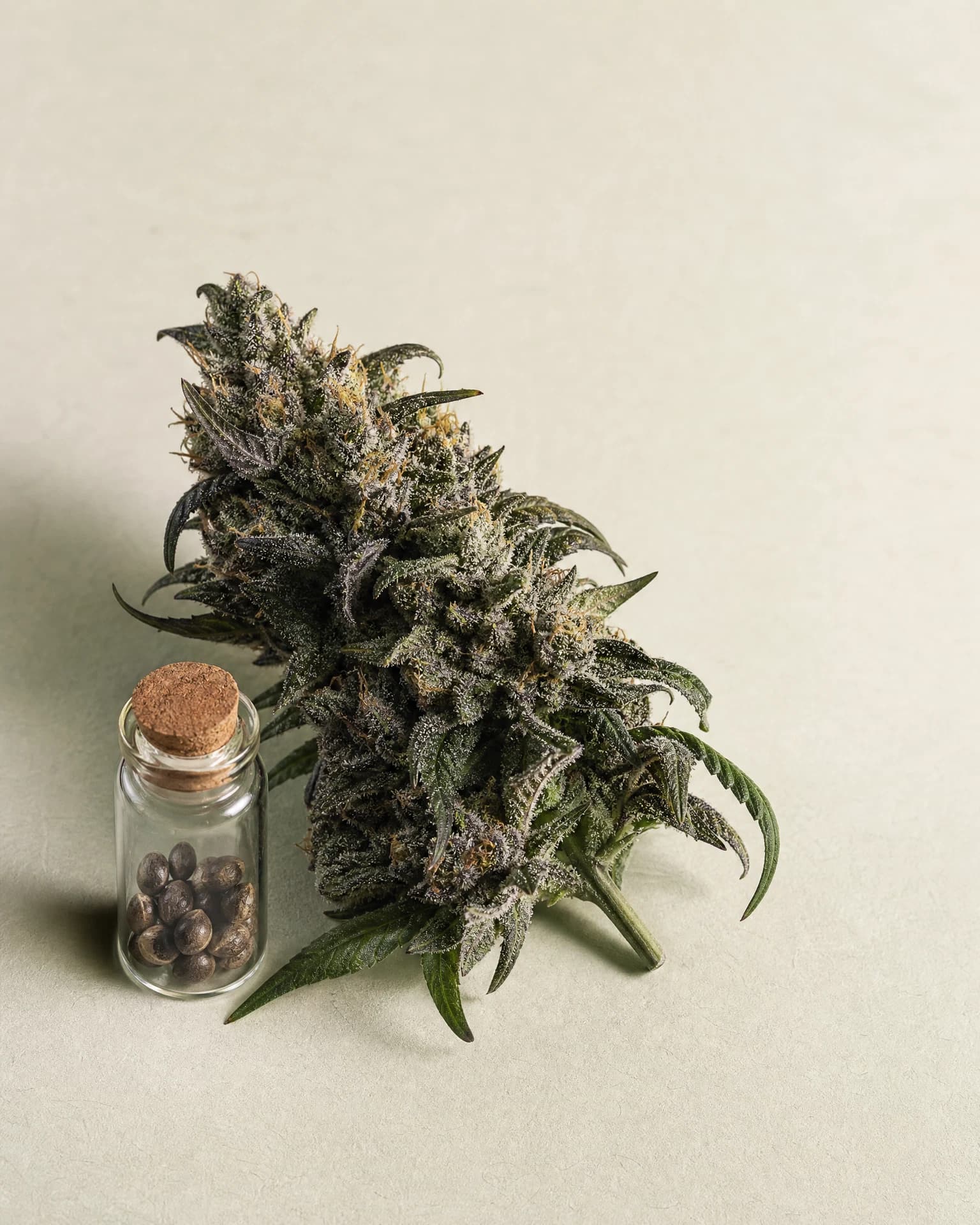
Autoflower
Autoflower seed records can suit compact spaces and schedule-led growing plans. Compare the documented line rather than assuming every autoflower has the same height, timing, or difficulty.
190 documented records
Autoflower
Autoflower

Autoflower
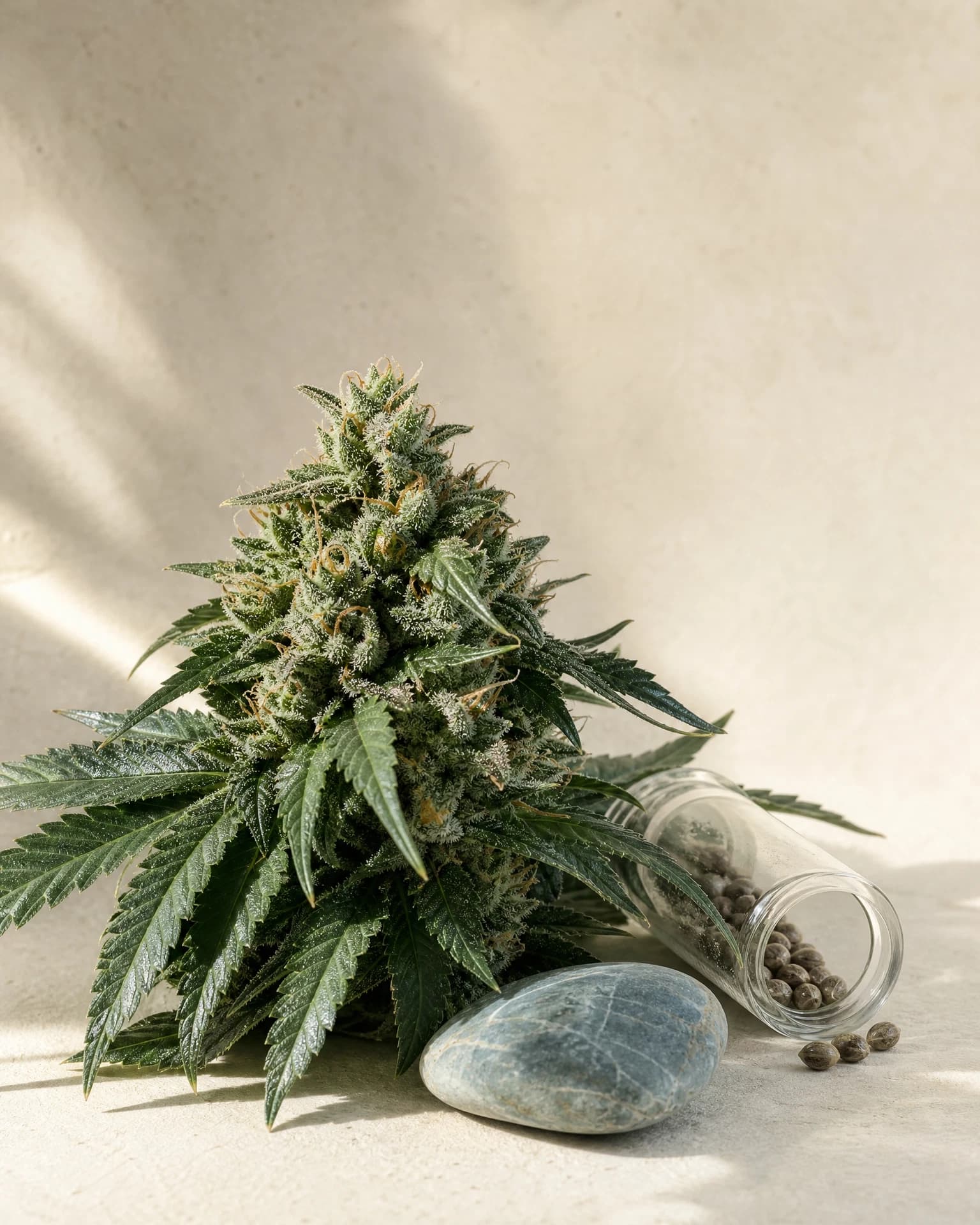
Autoflower
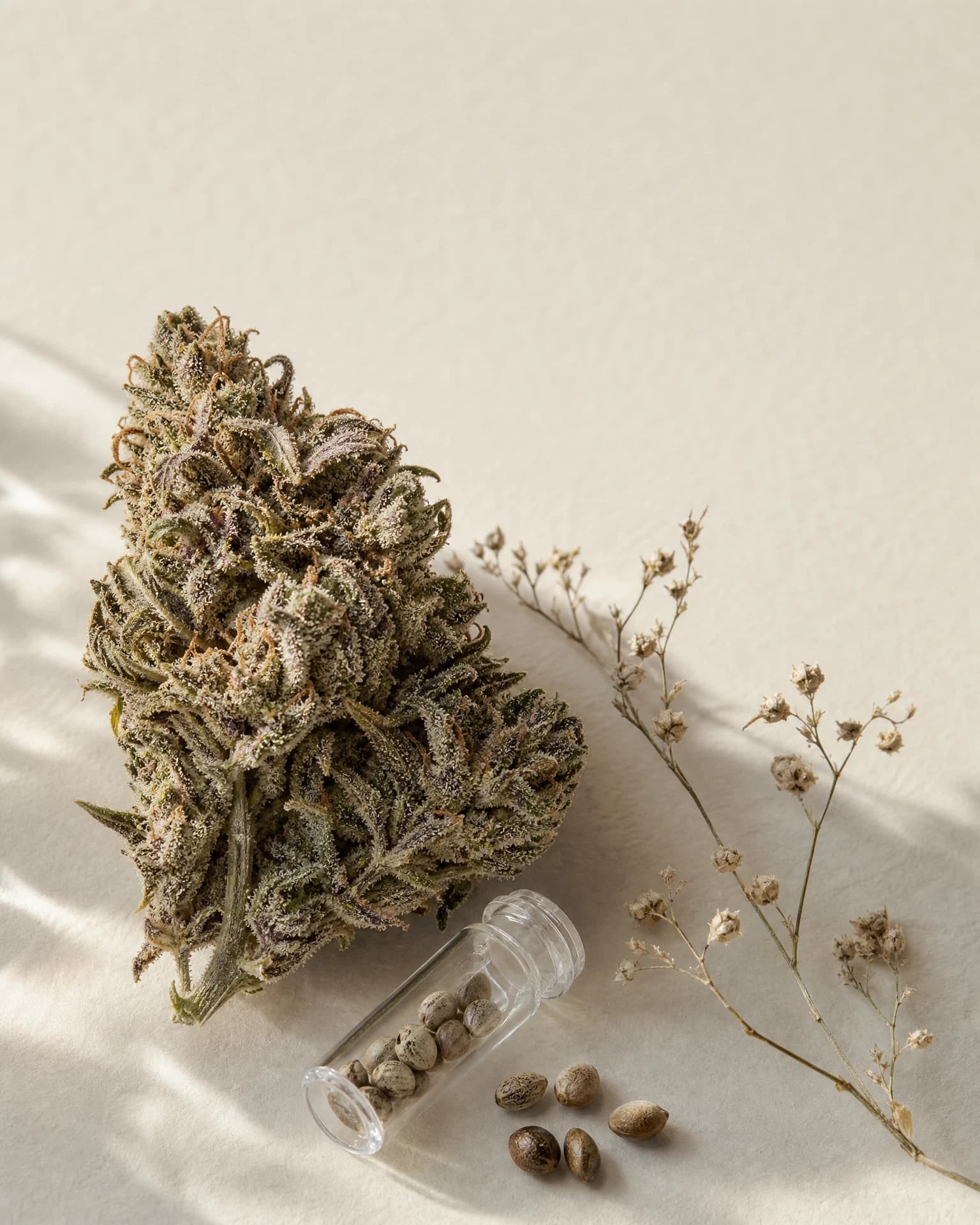
Autoflower
Autoflower
Autoflower
Autoflower
Autoflower
Autoflower
Autoflower
Autoflower
Autoflower
Autoflower
Autoflower
Autoflower
Autoflower
Autoflower
Autoflower
Autoflower
Autoflower
Autoflower
Autoflower
Autoflower
Autoflower
Autoflower
Autoflower
Autoflower
Autoflower
Autoflower
Autoflower
Autoflower
Autoflower
Autoflower
Autoflower
Autoflower
Autoflower
Autoflower
Autoflower
Autoflower
Autoflower
Autoflower
Autoflower
Autoflower
Autoflower
Autoflower
Autoflower
Autoflower
Autoflower
Autoflower
Autoflower
Autoflower
Autoflower
Autoflower
Autoflower
Autoflower
Autoflower
Autoflower
Autoflower
Autoflower
Autoflower
Autoflower
Autoflower
Autoflower
Autoflower
Autoflower
Autoflower
Autoflower
Autoflower
Autoflower
Autoflower
Autoflower
Autoflower
Autoflower
Autoflower
Autoflower
Autoflower
Autoflower
Autoflower
Autoflower
Autoflower
Autoflower
Autoflower
Autoflower
Autoflower
Autoflower
Autoflower
Autoflower
Autoflower
Autoflower
Autoflower
Autoflower
Autoflower
Autoflower
Autoflower
Autoflower
Autoflower
Autoflower
Autoflower
Autoflower
Autoflower
Autoflower
Autoflower
Autoflower
Autoflower
Autoflower
Autoflower
Autoflower
Autoflower
Autoflower
Autoflower
Autoflower
Autoflower
Autoflower
Autoflower
Autoflower
Autoflower
Autoflower
Autoflower
Autoflower
Autoflower
Autoflower
Autoflower
Autoflower
Autoflower
Autoflower
Autoflower
Autoflower
Autoflower
Autoflower
Autoflower
Autoflower
Autoflower
Autoflower
Autoflower
Autoflower
Autoflower
Autoflower
Autoflower
Autoflower
Autoflower
Autoflower
Autoflower
Autoflower
Autoflower
Autoflower
Autoflower
Autoflower
Autoflower
Autoflower
Autoflower
Autoflower
Autoflower
Autoflower
Autoflower
Autoflower
Autoflower
Autoflower
Autoflower
Autoflower
Autoflower
Autoflower
Autoflower
Autoflower
Autoflower
Autoflower
Autoflower
Autoflower
Autoflower
Autoflower
Autoflower
Autoflower
Autoflower
Autoflower
Autoflower
Autoflower
Autoflower
Autoflower
Autoflower
Autoflower
Autoflower
Autoflower
Autoflower
Autoflower
Autoflower
Autoflower
Autoflower
Autoflower
Autoflower
Autoflower
Collection guide
Read the complete selection guide in the window below, or continue browsing the product cards above.
Welcome to the Cannabis Seeds US collection of autoflower cannabis seeds. Navigating the grid above means looking at genetics that transition to the flowering stage based on age rather than a change in light cycles. This unique trait offers a different approach to planning your garden, focusing on a predetermined timeline from germination to harvest.
While browsing our catalog, you will find a wide variety of auto flower seeds tailored to different space requirements and yield preferences. This guide is designed to help you use our filters effectively, understand breeder estimates, and select the right genetics for your specific goals without relying on exaggerated claims.
When you select autoflower cannabis seeds from our catalog, you are choosing genetics bred to flower automatically after a certain number of weeks. This contrasts with traditional photoperiod varieties, which require a strict reduction in daylight hours to trigger the flowering phase. The automatic trait is a genetic characteristic, not an absolute promise of faster development, larger plants, or a simplified process.
Understanding this definition helps clarify what you are purchasing. The automatic flowering mechanism dictates the plant's timeline, meaning the vegetative phase is limited and fixed. Shoppers should view this category as a specific genetic tool for managing harvest schedules rather than a universal solution for every garden setup.
To make the most of this collection, utilize the available filters to narrow down your choices based on breeder-reported data. You can sort by estimated finish windows, expected height, and yield formats to find options that align with your spatial and temporal limits. It is important to distinguish between measured listing data, such as pack size or price per seed, and subjective descriptions like flavor profiles or terpene descriptors.
Keep in mind that reported THC and CBD figures, as well as genetic leans like indica or sativa dominance, are provided by the breeders as estimates. These numbers represent potential under specific conditions and will naturally vary depending on the phenotype and your unique environment. Use these figures as a baseline for comparison rather than an absolute promise of final results.
Choosing the right auto flower seeds requires balancing your available space with your timeline and output priorities. If you are working with limited vertical room, filtering for compact options might be your primary focus. Conversely, if you have ample space and prioritize output, you might look toward options labeled for higher yield potential, keeping in mind that these may require a slightly longer development window.
Consider a simple three-question checklist before making a selection. First, what is the maximum height your area can accommodate? Second, does your schedule require the fastest listed finish window, or can you allow more time for development? Third, are you prioritizing output volume, or are specific flavor and cannabinoid profiles more important? Answering these will guide you toward the most appropriate genetics for your needs.
It is helpful to weigh automatic genetics against photoperiod and regular alternatives to ensure they fit your planning considerations. Photoperiod plants offer greater control over timing and size, as you dictate when the flowering phase begins by adjusting the light cycle. This allows for extended vegetative growth and recovery time if the plant experiences stress, a flexibility that age-triggered genetics do not provide.
Additionally, remember that the flowering trigger is entirely separate from sex expression. While many options in this specific catalog are feminized to produce female plants, the two terms describe different attributes. You can find both automatic and photoperiod genetics in feminized or regular formats, so always check the individual product record to confirm the intended sex expression of your chosen seeds.
Building a successful garden starts with setting realistic expectations regarding breeder claims. Figures related to THC percentages, yield volumes, and finish windows are reported estimates based on the breeder's specific testing environments. These numbers provide a helpful baseline for comparing different cultivars, but they are not a promise of the exact results you will achieve in your own space.
Always treat these numbers as cultivar-specific potential rather than absolute facts. Your specific environment, including climate, substrate, and daily care, plays a significant role in the final outcome. By checking the individual product pages and understanding that natural phenotype variation occurs, you can make informed purchasing decisions without relying on unsupported performance claims.
While shopping for seeds, understanding a few high-level cultivation concepts will help you make a better selection. Because these plants flower based on age, early plant health is critical. A fixed life cycle means there is less time for the plant to recover from environmental stress or aggressive training techniques during the vegetative phase. Selecting genetics that match your environment is the first step toward a healthy garden.
For detailed instructions on how to manage your garden, we provide comprehensive resources separate from this shopping guide. You can explore our dedicated educational materials for specifics on germination, lighting schedules, substrate choices, feeding regimens, and harvest timing. Always ensure you are following local regulations and practicing lawful growing when applying these techniques.
These are genetics bred to transition from the vegetative phase to the flowering stage based on their age, rather than a change in the light cycle. This trait is distinct from feminization and dictates a predetermined timeline, though it does not promise a fixed harvest date.
The primary difference lies in the flowering trigger. Photoperiod genetics require a reduction in light hours to bloom, offering growers more control over the plant's size and timing. Automatic varieties flower on their own schedule, which reduces control but eliminates the need to manage light cycles for blooming.
No, the flowering trigger and sex expression are separate attributes. While many catalog products are indeed feminized, you can also find regular versions. Always check the individual product record to confirm the intended sex expression of the specific genetics you are viewing.
Treat the breeder's listed finish window as a helpful estimate rather than a strict deadline. Check the product details to see if the timeline is measured from germination or from the onset of flowering, and remember that environmental conditions and natural phenotype variation will influence the actual timeline.
No, these figures represent reported potential based on the breeder's specific testing methodology. Actual results will vary depending on the genetic phenotype and your unique environmental conditions. They are best used as a comparative baseline rather than a strict promise of final output.
Start by filtering the catalog for the lowest listed height ranges and compact structural descriptions. You can also look for products labeled specifically for indoor environments. Keep in mind that container size and environmental constraints will also impact the final height of the plant.
No, the defining characteristic of this category is that the plants initiate flowering automatically as they mature, regardless of the light cycle. For detailed decisions on optimal lighting schedules throughout the plant's life, please refer to our dedicated cultivation guides.