
Blue Dream Autoflower Seeds
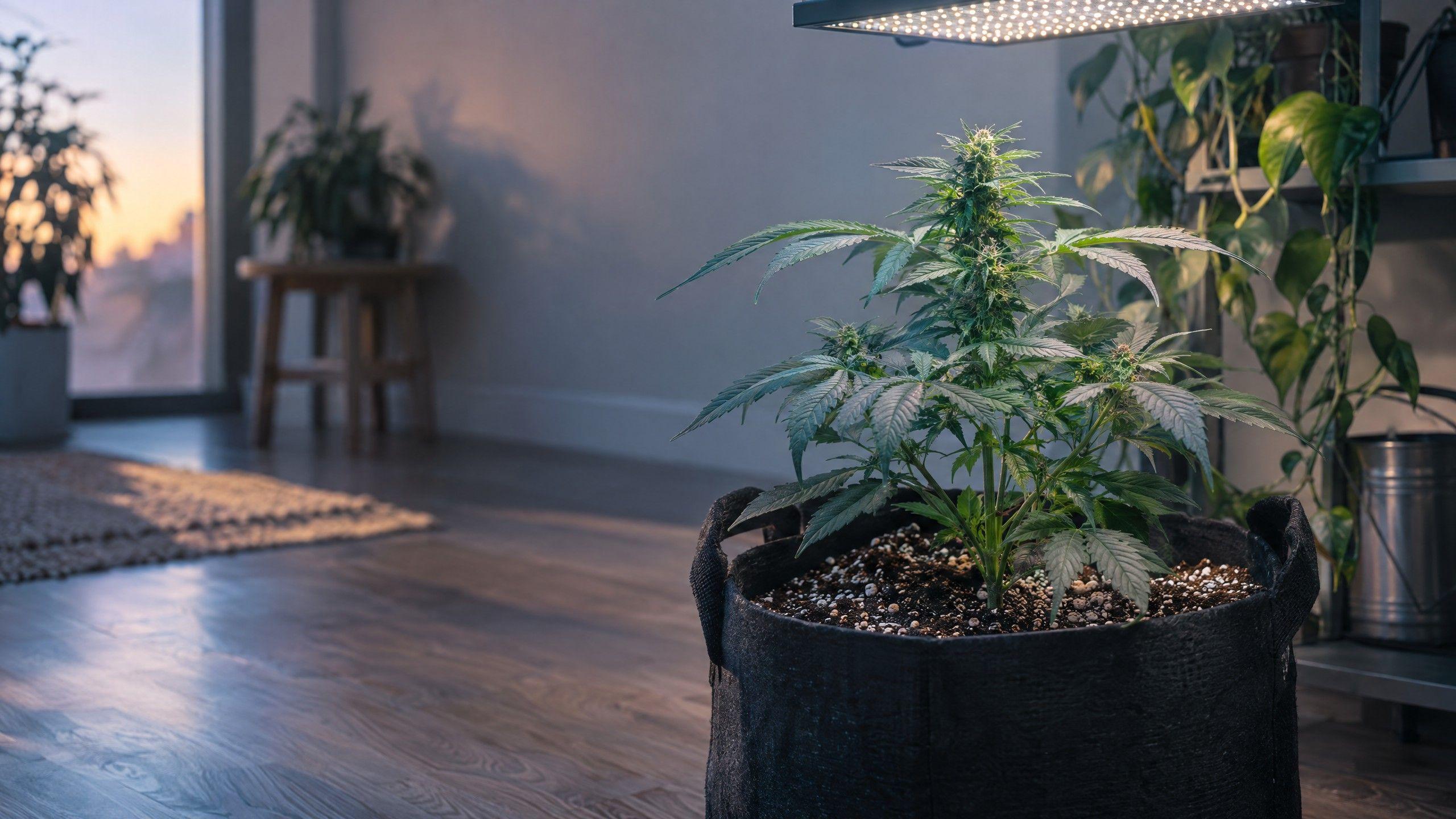
If you want Blue Dream’s familiar berry-and-Haze identity without waiting for a planned photoperiod light change, Blue Dream autoflower seeds are the format to compare first. Our product details describe a feminized autoflower with age-led flowering, a generally compact profile, indoor/outdoor use, an estimated 8–10 weeks from seed to harvest, and a listed 20–30% THC range.
Blueberry × Haze with ruderalis ancestry
Cycle timing
Varies.
Plant height
Generally compact
Environment
Indoor and outdoor
Current offer
We may earn a commission when you purchase through one of these links.
About Blue Dream Autoflower Seeds
The buying question is practical: does a maturity-led cycle fit your space and schedule better than a photoperiod plant? Use the format benefits, growing guidance, and current offer checks below to decide with a clear plan rather than treating the name alone as a full specification.
Is this the right Blue Dream format?
Choose the autoflower route when you want flowering to begin primarily with plant maturity instead of a deliberate switch to a shorter light schedule. It can simplify timing for a smaller indoor space or a changing outdoor season, but it also gives you less control over how long the plant remains in vegetative growth.
That reduced control makes an even start especially important. Light, temperature, moisture, nutrition, root space, and airflow all influence development, and early stress can use up more of an age-led cycle than it would on a photoperiod plant.
Quick facts for Blue Dream autoflower seeds
What changes when Blue Dream is autoflower?
Autoflowering describes a flowering response, not a promise about size, potency, or harvest weight. In a photoperiod crop, the grower generally changes the light schedule to signal the transition into flowering; an autoflower begins that transition as the plant matures.
That creates a different planning problem. Instead of choosing when to initiate flowering, you work with the plant’s age and development, so consistency from germination onward is more valuable than trying to hold the plant in a long vegetative stage.
The feminized label describes intended sex expression, while autoflower describes flowering behavior. This selection is both feminized and autoflowering, so read the two labels as separate benefits: a female-focused starting point plus a maturity-led cycle.
Because the cycle is compact, avoid building your schedule around the earliest possible finish. We recommend conservative timing, stable conditions, enough airflow, and room for the plant to develop beyond the headline estimate.
That distinction matters when comparing this page with Blue Dream Feminized Seeds. The feminized sibling is a photoperiod option that gives you more control over vegetative time, while this autoflower selection is designed for an age-led flowering path.
Blue Dream identity and product details
Blue Dream is broadly associated with Blueberry × Haze and a sativa-leaning hybrid profile. Berry and blueberry sweetness commonly appears alongside citrus, earthy, herbal, or pine-like notes, while terpene descriptions often include myrcene, pinene, or caryophyllene.
Our product details describe this autoflower as Blue Dream × Ruderalis. That combination explains the age-led flowering feature of this selection; it does not mean that every Blue Dream seed or photoperiod line has the same ancestry.
Timing, size, and growing conditions
Plan around 8–10 weeks from seed to harvest
The linked product details describe harvest in approximately 8–10 weeks from seed. That is a complete seed-to-harvest estimate rather than a separate flowering-only window, and germination, early growth, flowering development, maturity, phenotype, and environment all affect the result.
Use the estimate to compare calendars, not to schedule a guaranteed date. Low light, temperature swings, moisture problems, nutrition issues, or a stressful start can move the plant beyond the shortest timetable, so leave extra room before committing to a deadline.
Autoflower does not mean instant or immune to setbacks. We recommend a steady environment from the beginning and a plan that allows the plant to finish at its own pace.
Compact does not mean dimension-free
The Cannabis Seeds US profile describes this format as generally compact, while the linked offer uses a short height label. That can simplify placement in a smaller indoor footprint, but it is not a fixed measurement; genetics, pot size, light, training, and environment change final height and canopy width.
Plan for clearance above the container and room around the plant for airflow. A compact profile still needs space for the canopy, access for watering and inspection, and enough distance from the light as the plant develops.
The tall photoperiod profile belongs to the feminized route, not this compact planning profile. Compare the autoflower guidance with your room’s dimensions, then allow flexibility as the plant grows.
Indoor and outdoor considerations
Indoors, the main advantage is control. You can manage light, temperature, humidity, and airflow while the plant follows its age-based cycle, and a generally compact structure may simplify placement without removing the need to monitor the canopy.
Check local law before buying or cultivating. Availability, legality, and growing conditions are separate questions, and the best schedule is the one your location can support.
Aroma, reported experience, and cannabinoid guidance
Blue Dream is commonly associated with sweet berry or blueberry notes, with citrus, earthy, herbal, or pine-like accents appearing in different descriptions. Myrcene, pinene, and caryophyllene are useful profile descriptors, but a terpene list does not establish a fixed concentration for a particular harvest.
Current partner offer: packs, price, and buying checks
The linked offer currently displays these options and prices. Check the live page for any changes before ordering.
Promotional quantities, prices, stock, shipping terms, and partner policies can change. Confirm the live offer before placing an order and read the current terms for your location.
Buy NowWe may earn a commission when you purchase through this link.. Confirm current packs, prices, and terms on the live page before ordering.
We recommend comparing the number of plants you can manage with the usable space, light, airflow, and time available. Do not treat a promotion, delivery statement, or partner policy as a promise from Cannabis Seeds US; verify live terms at checkout.
Blue Dream autoflower vs. feminized seeds
For broad lineage, aroma, reported experience, and cultivation context, read the Blue Dream strain guide. For a side-by-side family decision, use all Blue Dream seed types; this page stays focused on the autoflower option.
Bottom line
Before ordering, compare the live pack and price with your space, calendar, and local rules. If you want a grower-controlled flowering trigger or more time to build a taller canopy, choose the Blue Dream Feminized Seeds page instead of treating the formats as interchangeable.
Read the Blue Dream strain guide for cultivar background and broader growing context. Use this page to compare the selected seed format.
Blue Dream Autoflower Seeds data sheet
Use the details below to compare this seed type with your space and schedule. Plant traits can vary with format and growing conditions.
| Seed format | Autoflower |
|---|---|
| Profile | Sativa-dominant hybrid |
| Flowering type | Feminized autoflowering |
| Flowering window | Varies. |
| Harvest timing | Approximately 8–10 weeks from seed. |
| Yield | Above average |
| Expected height | Generally compact |
| Environment | Indoor and outdoor |
| Growing difficulty | Generally beginner-friendly |
| THC | 20–30% |
Cultivar context
These traits describe the cultivar as a whole. Expression can vary across seed formats and growing conditions.
| Cultivar background | Blue Dream is a Sativa-dominant hybrid resulting from a cross between Blueberry and Haze (specifically Super Silver Haze) lineages, typically exhibiting a 60% Sativa to 40% Indica ratio. The cultivar is characterized by |
|---|---|
| Group profile | Hybrid |
Blue Dream Autoflower Seeds growing FAQs
How should I plan the flowering window for Blue Dream?
The listed flowering reference is Varies.; use it as planning context rather than a fixed finish date. Individual plants and conditions can shift timing.
What size context is listed for Blue Dream?
The listed size context is Generally compact; treat it as a planning reference rather than a fixed result. Container size, training, and growing conditions can shape plant structure.
What environment should I consider for Blue Dream?
Indoor and outdoor is the listed setup context; match it to your space and climate. Light, airflow, and routine still vary between growing environments.
How should I choose a seed type for Blue Dream?
Compare the autoflower format with your space, timing, and preferred light schedule. Choose the exact seed type that fits your plan, then review the format-specific page.
Related seeds
All seeds
Hybrid
24k Gold
24k Gold seed options include Feminized formats. Compare the options with your preferred space and growing schedule.
View details
Hybrid
3 Kings
3 Kings seed options include Feminized formats. Compare the options with your preferred space and growing schedule.
View details
Hybrid
5 Alive
5 Alive seed options include Feminized formats. Compare the options with your preferred space and growing schedule.
View details