
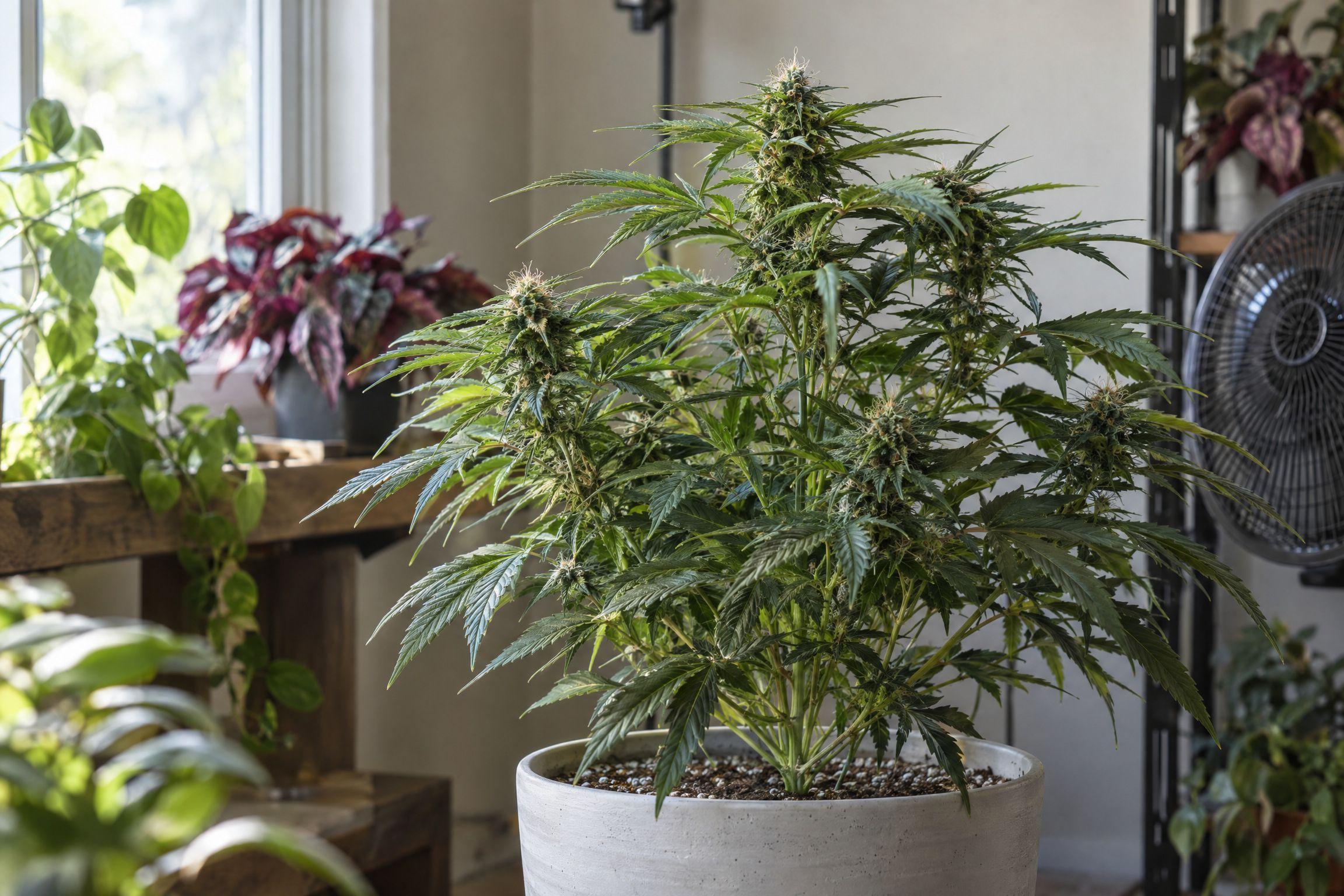
Cherry Pie Seeds
At Cannabis Seeds US, we frame Cherry Pie seeds around a clear choice: understand the cultivar profile first, then select the format that fits your growing plan. This group page brings the broad family question into one useful starting point and keeps the next steps easy to follow.
Cherry Pie is an indica-dominant hybrid typically derived from a cross of Granddaddy Purple and Durban Poison
Flowering
8-10 Weeks
Height
Tall
Choose a seed type
We may earn a commission when you purchase through one of these links.
About Cherry Pie Seeds
At Cannabis Seeds US, we frame Cherry Pie seeds around a clear choice: understand the cultivar profile first, then select the format that fits your growing plan. This group page brings the broad family question into one useful starting point and keeps the next steps easy to follow.
The listed family route centers on feminized Cherry Pie seeds with a photoperiod plan. That pairing gives growers a straightforward way to think about light timing, space, and routine care before they move to the exact product page.
What to look for in the Cherry Pie profile
What to look for in the Cherry Pie profile
The clearest profile direction is sweet cherry and berry with earthy, baked, or pastry-like depth. We use those descriptors as practical selection cues, so you can decide whether the character fits the kind of garden and notes you want to explore.
A flexible flowering reference of about 8 to 10 weeks can help organize supplies, observation time, and broad calendar planning. Keep the interval adaptable because light timing, environment, and individual plant development shape the pace of each run.
When comparing cherry pie seed options, start with the format, flowering type, aroma direction, and the needs of your space. Those four checks give the group page a useful role without turning a short cultivar description into a rigid growing recipe.
The phrase cherry pie photoperiod seeds is also a helpful way to describe the route for searchers who already know they want schedule control. For the exact format details, open the Cherry Pie feminized seeds page, then use the Cherry Pie strain guide for the longer planning discussion.
Why choose the feminized option
Feminized seeds keep the format conversation centered on female plants, which can make early planning more direct. The photoperiod schedule still gives you control over when flowering begins, so the format and the light plan should be considered together.
This choice does not replace attentive care or a suitable environment. Leave room for canopy access, maintain steady airflow, and adjust the routine as the plants show their own pattern instead of treating a catalog phrase as a fixed instruction.
A simple comparison is often the strongest one. Review the exact format name, flowering type, aroma direction, and practical fit for your room or outdoor site before you decide which Cherry Pie route belongs on your shortlist.
Planning Cherry Pie indoors
Indoor planning starts with the light schedule and the space available around the canopy. Set up clear access before starting seeds, then keep room for watering, airflow, inspection, and small equipment changes as the plants develop.
A photoperiod plan benefits from a defined transition point between vegetative growth and flowering. Record the dates you choose, watch how quickly the canopy fills, and make measured adjustments while the working area remains easy to reach.
The sweet-fruit profile also makes cleanliness and ventilation useful priorities. Fresh air movement, sensible moisture management, and an uncluttered layout help keep daily care consistent while leaving the plant’s expression open to natural variation.
Planning Cherry Pie outdoors
Outdoor growers should begin with local rules, seasonal timing, and a site that receives dependable light. Because the listed route is photoperiod, the natural seasonal change belongs in the planning calendar from the start.
Choose a location that allows easy inspection after rain or strong weather. Plan for drainage, airflow, access, and protection from avoidable stress, then use the flexible flowering reference only as a broad scheduling aid.
Outdoor planning works best when the site is easy to revisit. A clear path, practical watering access, and regular checks give you more control than trying to force every stage into a predetermined calendar.
Compare the right page for your intent
Use the group page when you are deciding whether Cherry Pie seeds fit your wider cultivar search. Use the exact product route when feminized is already your chosen format, and use the guide when you want identity, aroma, flowering, and grow-space planning in one longer explanation.
Keeping those questions separate makes the family easier to navigate. Start with Cherry Pie feminized seeds for the exact format, or continue to the Cherry Pie strain guide when planning details are the main focus.
Start with the format that fits
Cherry Pie seeds make the most sense when the cultivar profile and selected format are considered together. Use the group page to frame the choice, then move to the exact feminized route when that is the format that fits your plan.
Our practical recommendation is to keep the first decision simple: confirm the light schedule, map the working space, and choose a route whose profile matches your priorities. The strain guide remains useful beside that decision because it expands the aroma, flowering, and grow-planning context without replacing your own observations.
Compare Cherry Pie seed types
Compare Cherry Pie Feminized seeds below. Match the format to your space and preferred growing schedule.
Feminized seed type
Cherry Pie Feminized Seeds
At Cannabis Seeds US, we keep this page focused on Cherry Pie feminized seeds for growers who already want a photoperiod route. The exact-format approach makes it easier to connect the cultivar profile with the space, light schedule, and care routine you are preparing.Cherry Pie Seeds data sheet
These profile details help compare seed formats and plan a growing space. Plant development can vary with seed type and growing conditions.
Cherry Pie Seeds growing FAQs
What are Cherry Pie seeds?
Cherry Pie seeds are a seed option for a photoperiod cultivar with sweet cherry, berry, and earthy or pastry-like profile descriptors. The family centers on a listed feminized format for growers who want a focused format decision.
Is Cherry Pie a photoperiod cultivar?
Yes, the listed route is photoperiod, so the light schedule is part of the flowering plan. Set the transition around the available space, seasonal conditions, and the plant’s development rather than a rigid calendar.
Which Cherry Pie seed format is listed here?
The family route listed here is Cherry Pie feminized seeds. Visit the exact product page when you want to review the format-specific details and make a route decision.
What aroma direction is associated with Cherry Pie?
The broad direction is sweet cherry and berry with earthy, baked, or pastry-like depth. Use those notes to compare profiles while allowing the growing environment and individual plant to shape the balance.
How should I plan the Cherry Pie flowering window?
Use about 8 to 10 weeks as a flexible reference for organizing the calendar and observation routine. Keep the plan open to adjustments based on light timing, environment, and visible plant development.
Is Cherry Pie suitable for an indoor garden?
A photoperiod format can suit an indoor plan when you control the light schedule and leave enough room for routine care. Build in access for airflow, inspection, watering, and canopy management before you begin.
Related seeds
All seeds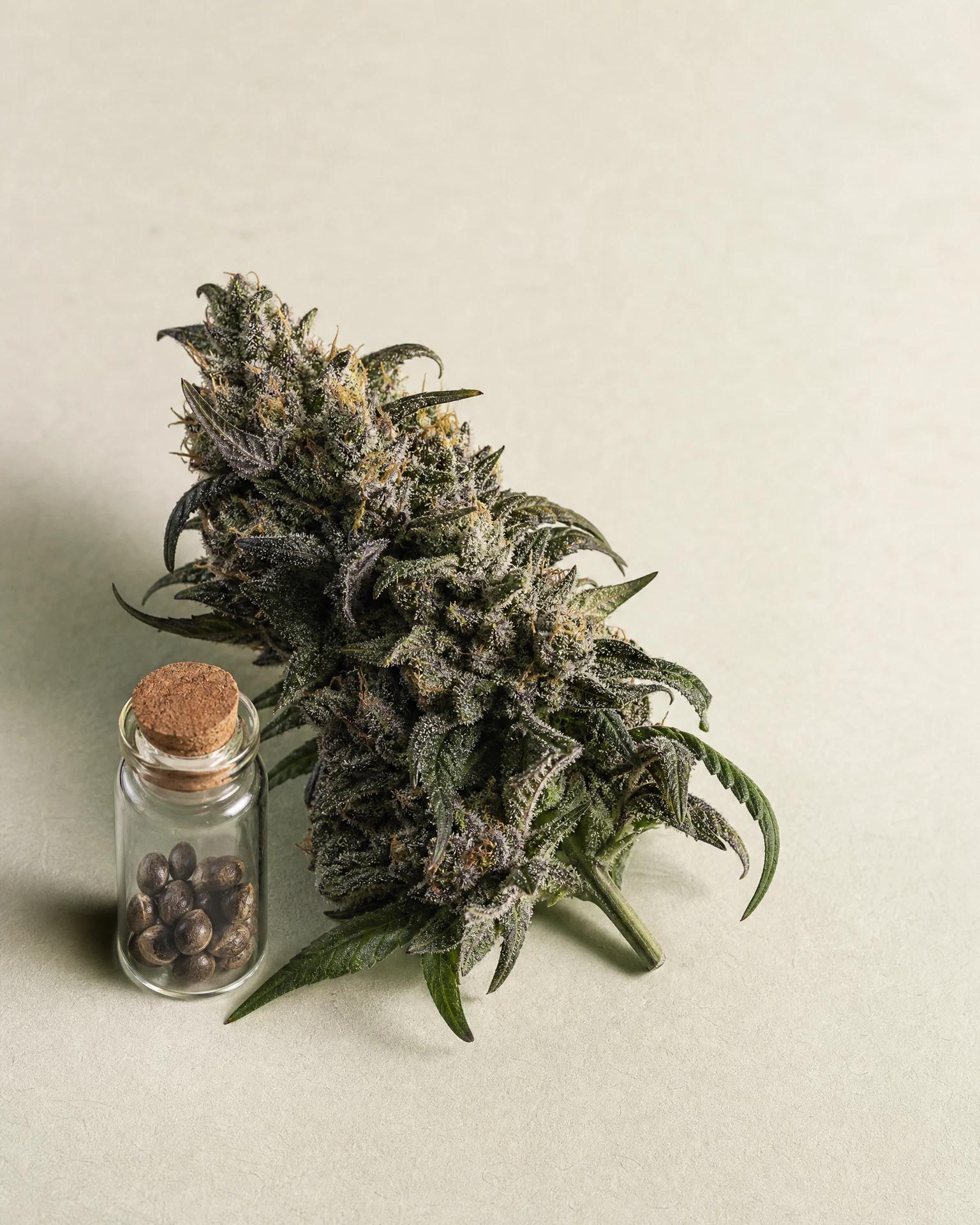
Hybrid
24k Gold
24k Gold seed options include Feminized formats. Compare the options with your preferred space and growing schedule.
View details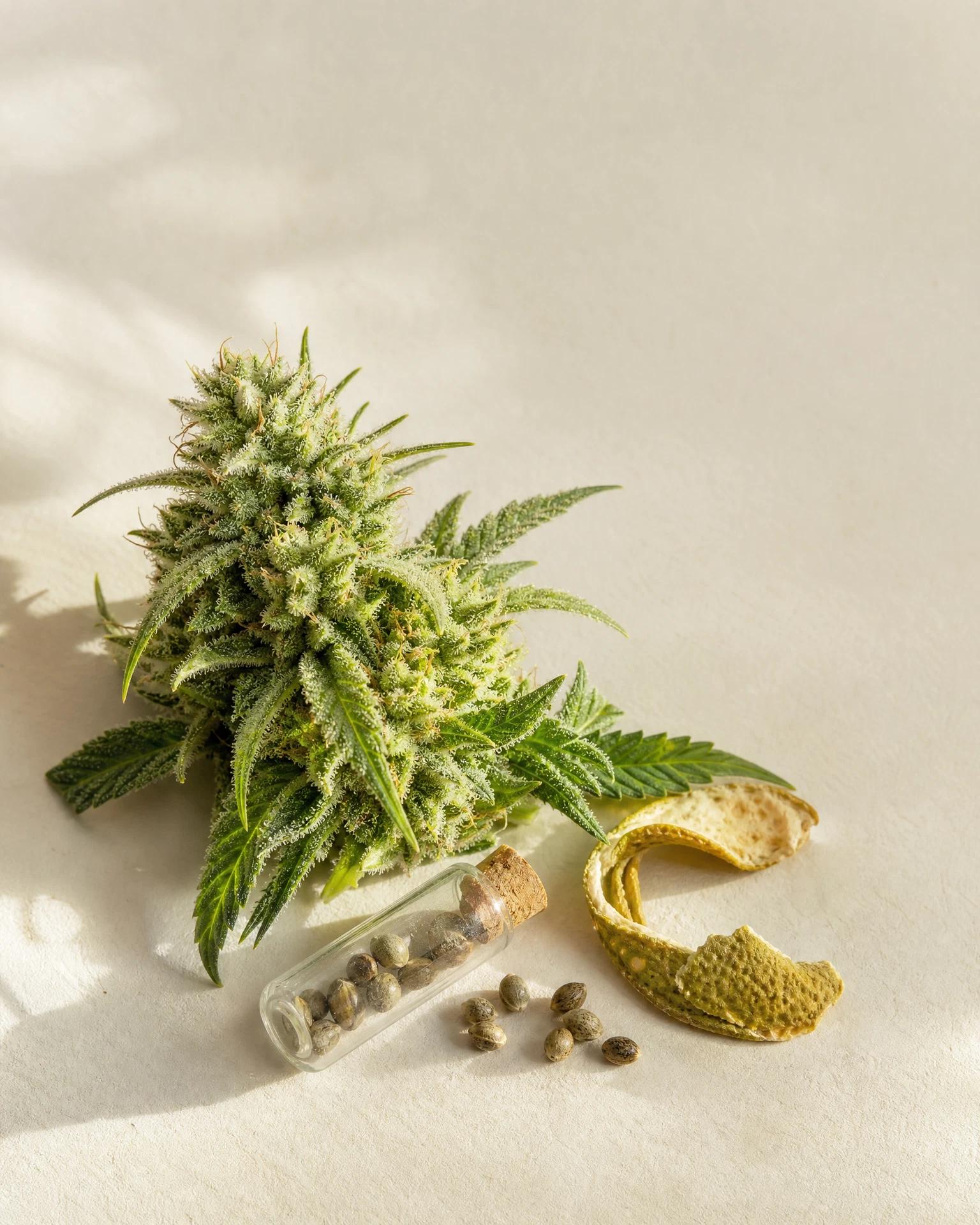
Hybrid
3 Kings
3 Kings seed options include Feminized formats. Compare the options with your preferred space and growing schedule.
View details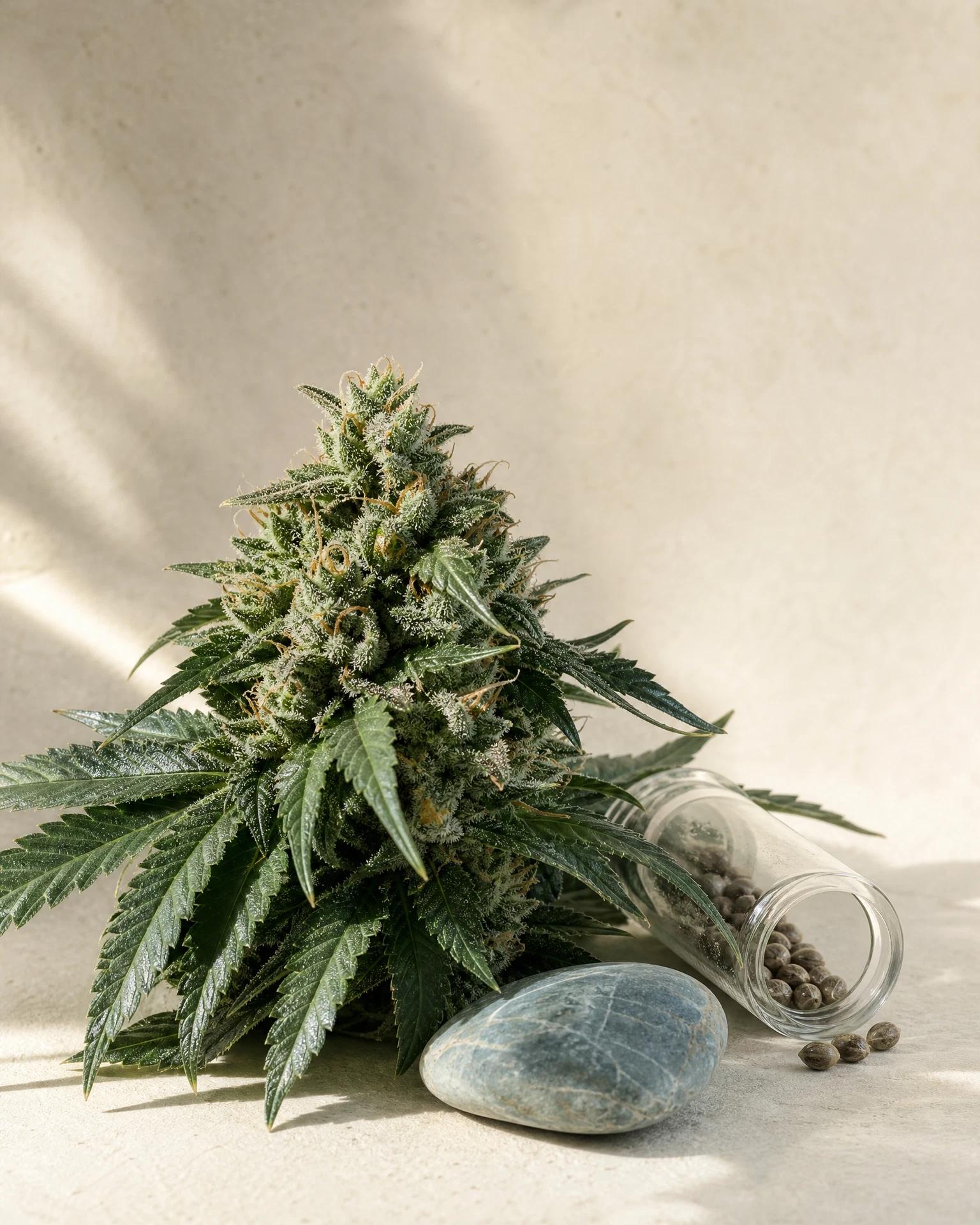
Hybrid
5 Alive
5 Alive seed options include Feminized formats. Compare the options with your preferred space and growing schedule.
View details