
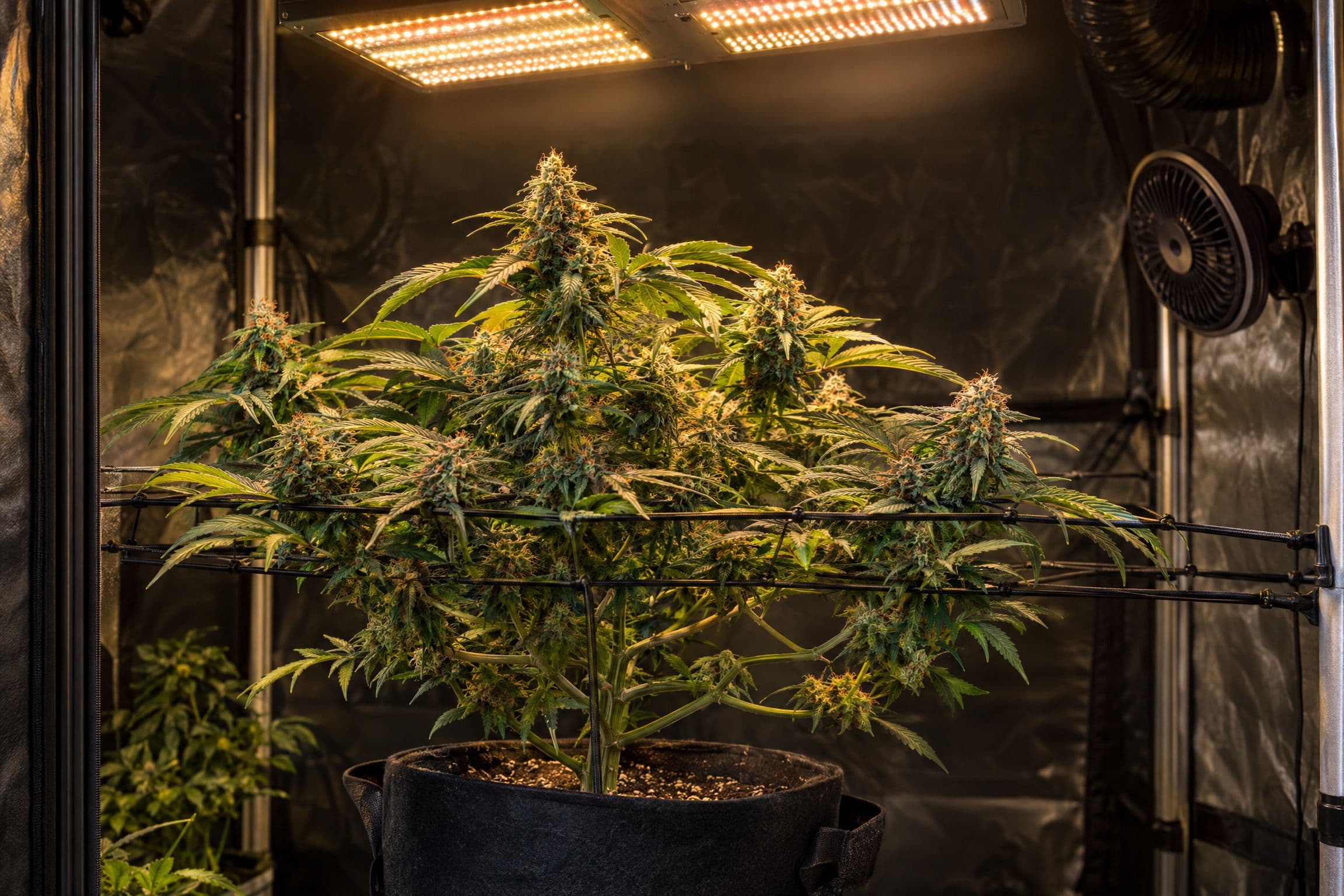
Orange Bud Feminized Seeds
Orange Bud feminized seeds are a practical choice for a focused photoperiod run built around citrus-forward character, dense flower descriptions, and deliberate light management. This page keeps the feminized format separate from the regular route so your purchase decision and grow plan stay tied to the exact option you are reviewing.
Current offer
We may earn a commission when you purchase through one of these links.
About Orange Bud Feminized Seeds
What this format is
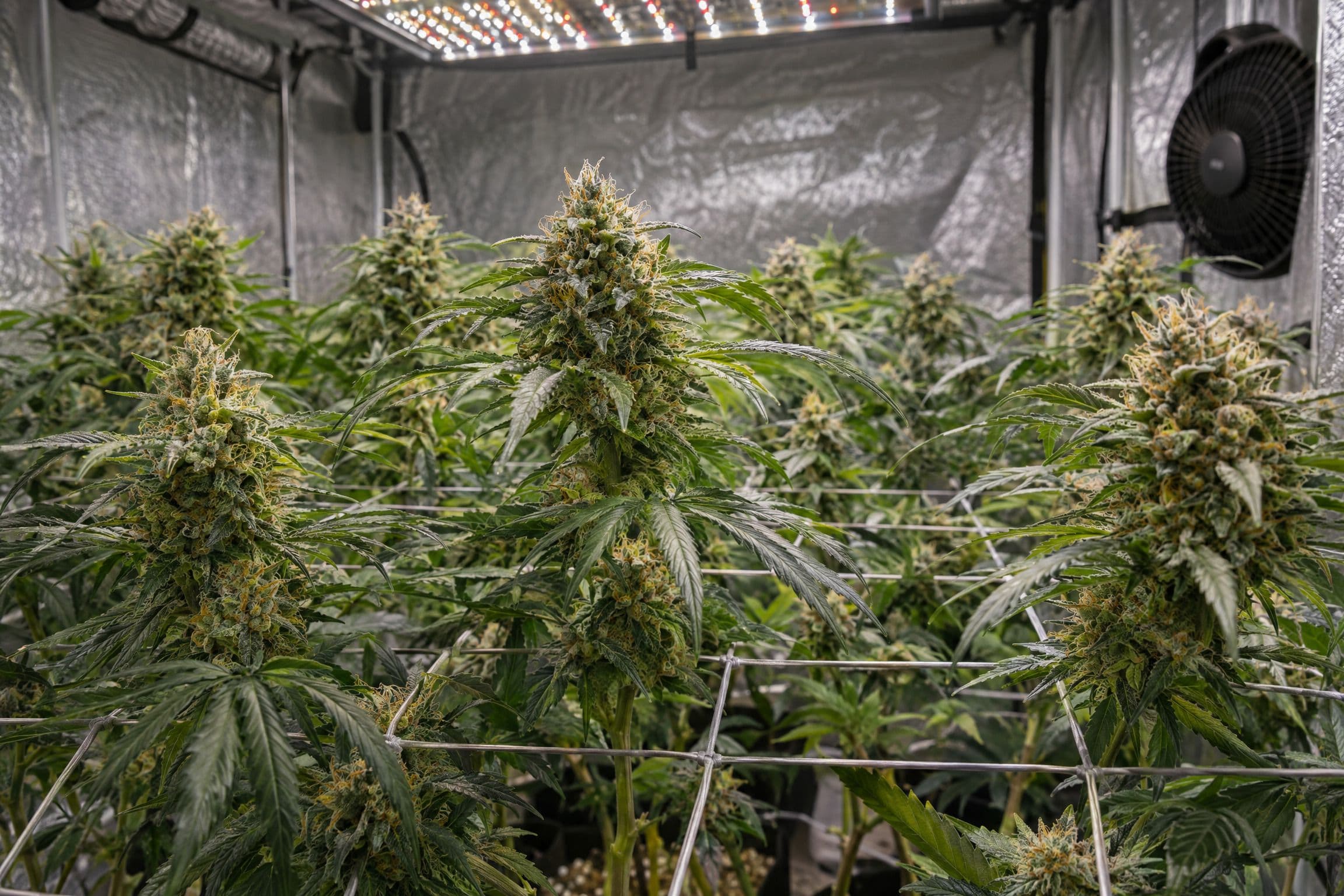
The feminized Orange Bud route is photoperiod, which means the plant’s flowering transition is planned through the light cycle rather than an automatic age-led change. Reserve the main decision-making for canopy shape, airflow, light placement, and the amount of room available if the plant stretches during bloom.
Feminized seeds can simplify the central workflow because sex identification is not the focus of the run. They do not remove the need for careful observation, environmental consistency, or a flexible plan for individual plant expression.
Orange Bud character to plan around
Our house profile describes Orange Bud as a classic Skunk-derived selection with sweet orange or nectarine notes over a skunky base. Dense flowers, visible orange pistils, resinous surfaces, and strong stems are useful visual expectations, while individual plants may show longer stacked flowers or a more compact flower shape.
Space and light planning
Give this photoperiod route enough room for a vigorous canopy and possible bloom stretch. Instead of relying on a rigid size figure, map the available vertical space, leave access for inspection, and keep light distance and airflow adjustable as the plant develops.
A staged plan works well: establish an even canopy, watch the transition into bloom, and then adjust support and airflow as flowers stack. Training should serve the space you have rather than force every plant into the same shape.
Running the route from seed to bloom
Begin with a stable propagation area, a clear container plan, and enough access to inspect each plant without disturbing the rest of the room. Consistent early observations make it easier to decide when the canopy is ready for the next stage.
As the plant moves toward bloom, keep the light schedule deliberate and avoid making several major changes at once. A measured sequence of training, support, and airflow adjustments gives the plant room to show its structure while keeping the grower in control of the environment.
The feminized label keeps the workflow focused, but it does not make every plant identical. Note differences in branching, aroma, flower formation, and stretch, then use those observations to refine the room rather than forcing every plant into one template.
Reading the flowering transition
Use the first signs of the flowering transition to review canopy access, light position, and support rather than to lock in a rigid calendar. This check is especially useful when a plant begins to show a more open structure or a stronger stretch response.
Keep the room easy to inspect from several angles as flowers develop. Clear access helps you notice changes in branching, aroma, and flower shape early enough to make calm adjustments instead of rushed corrections.
Before you follow the offer
Check that the product card still identifies the route as Orange Bud feminized seeds and that the destination opens to the same format. The current neutral link is Buy NowWe may earn a commission when you purchase through this link., which keeps the commercial step separate from our planning notes.
For a side-by-side format decision, return to Orange Bud seeds, where the family formats are compared. For identity, aroma, morphology, and wider cultivation context, read the Orange Bud strain guide before making a route decision.
A simple planning checklist
Start with a controlled light schedule, a container and root-zone plan that you can monitor, and enough access to inspect the canopy. Add airflow capacity before the flowers become dense, and keep support materials available in case the structure calls for them.
Use the citrus-forward profile as an identity cue rather than a guarantee of every plant’s aroma. Keep the flowering estimate flexible, label the route as photoperiod in your notes, and evaluate the plant in front of you as the run progresses.
Affiliate disclosure
Affiliate disclosure: This page includes a tracked partner link, and Cannabis Seeds US may receive a commission if you use it. The commission does not change the feminized-format planning guidance on this page.
Read the Orange Bud strain guide for cultivar background and broader growing context. Use this page to compare the selected seed format.
Orange Bud Feminized Seeds data sheet
Use the details below to compare this seed type with your space and schedule. Plant traits can vary with format and growing conditions.
| Seed format | Feminized |
|---|
Cultivar context
These traits describe the cultivar as a whole. Expression can vary across seed formats and growing conditions.
| Cultivar background | Orange Bud is a classic hybrid traditionally bred from Skunk genetics (specifically Skunk #1) known for a dominant citrus and orange terpene profile with sweet, spicy, and skunky undertones. The cultivar typically reache |
|---|---|
| Group profile | Hybrid |
Orange Bud Feminized Seeds growing FAQs
How should I plan the flowering window for Orange Bud?
Flowering pace varies with the selected seed line, plant, and environment. Use a flexible schedule and observe growth instead of treating the cultivar name as a fixed finish date.
What size context is listed for Orange Bud?
Final plant structure varies with seed type, container, training, and growing conditions. Plan space for access and airflow rather than relying on a single size estimate.
What environment should I consider for Orange Bud?
Indoor and outdoor plans depend on available space, light, airflow, and local climate. Choose a setup you can manage consistently.
What harvest context is available for Orange Bud?
Harvest outcomes vary with the seed line, plant health, light, and growing conditions. A figure associated with another format should not be treated as an estimate for this one.
How should I choose a seed type for Orange Bud?
Compare the feminized format with your space, timing, and preferred light schedule. Choose the exact seed type that fits your plan, then review the format-specific page.
Related seeds
All seeds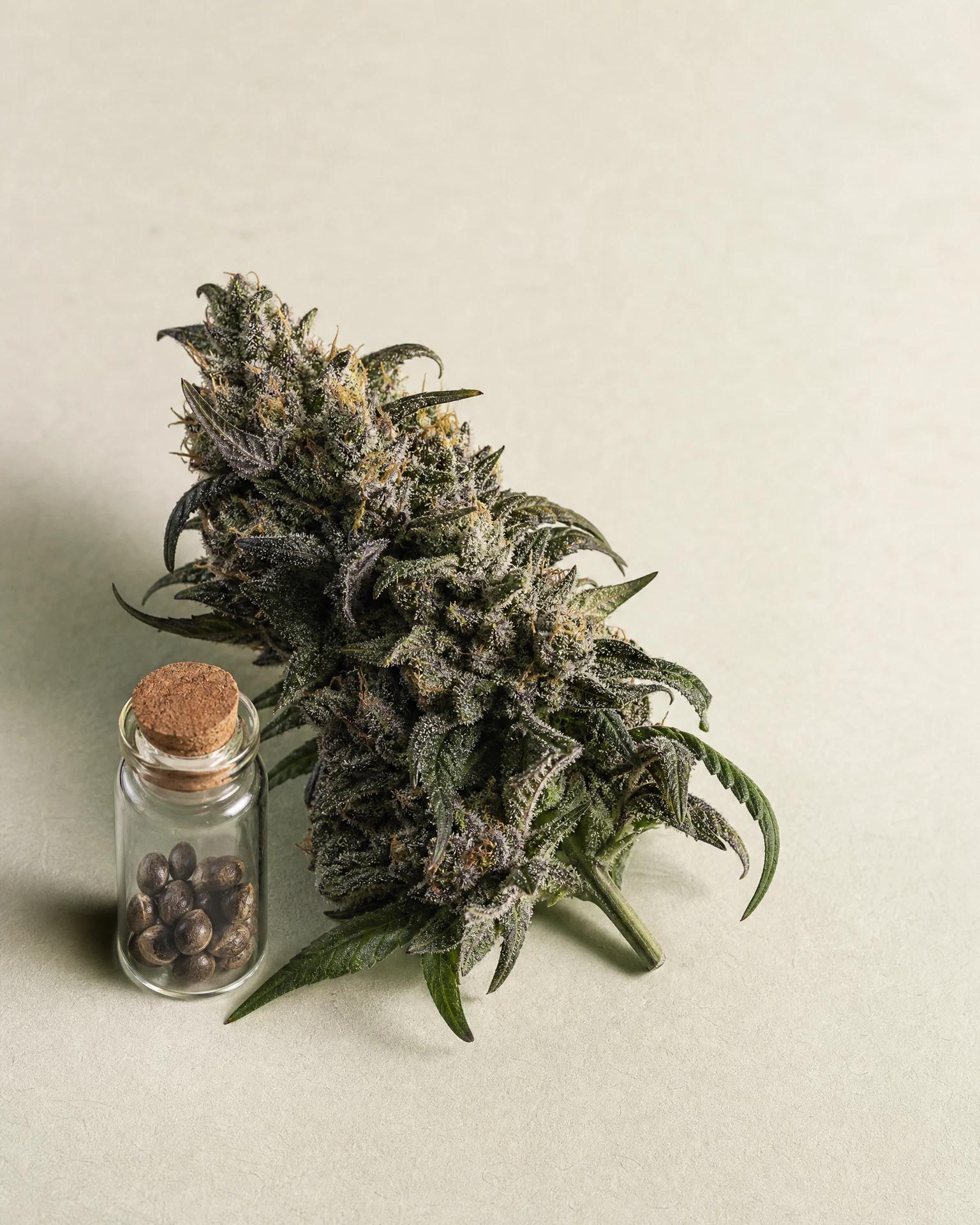
Hybrid
24k Gold
24k Gold seed options include Feminized formats. Compare the options with your preferred space and growing schedule.
View details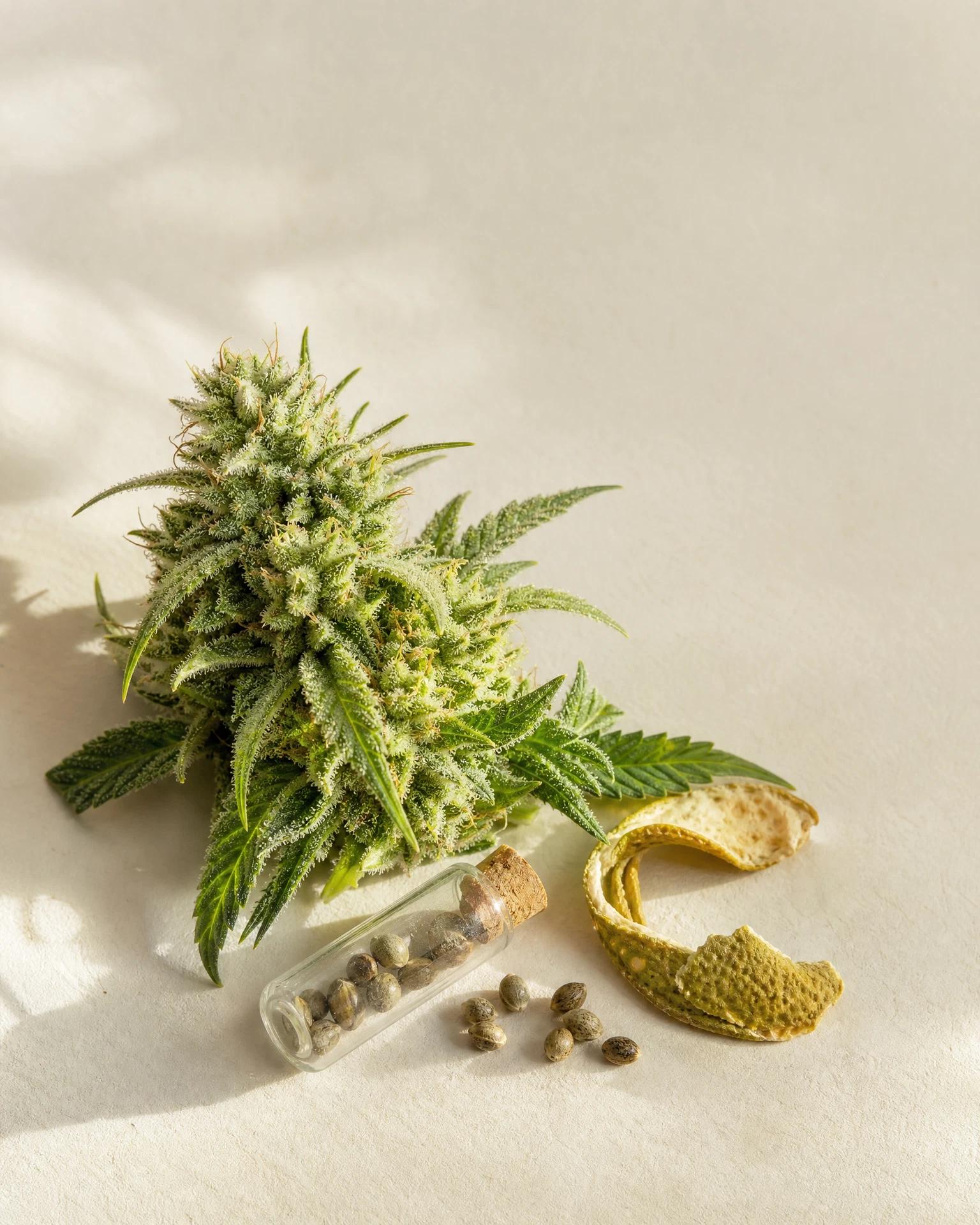
Hybrid
3 Kings
3 Kings seed options include Feminized formats. Compare the options with your preferred space and growing schedule.
View details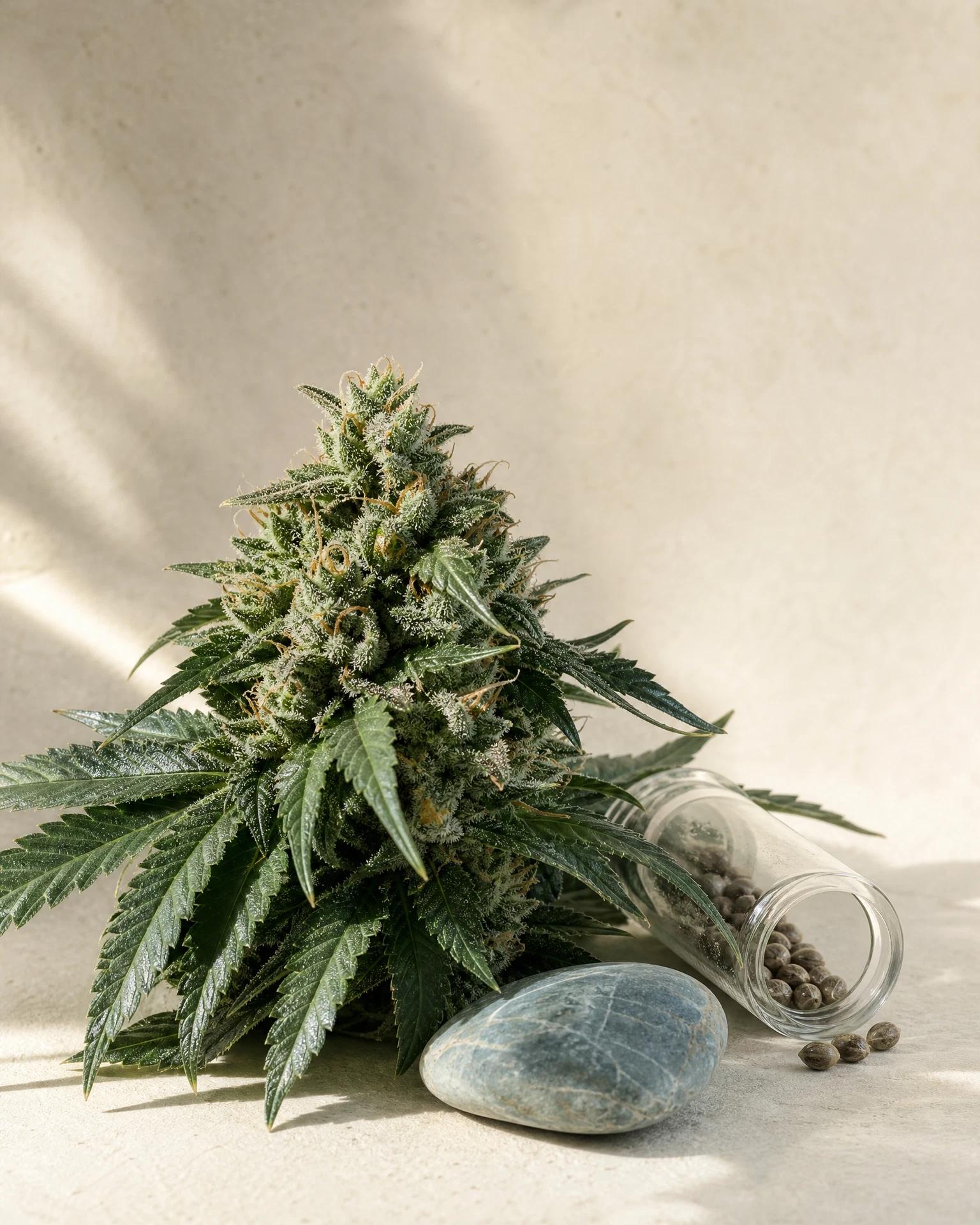
Hybrid
5 Alive
5 Alive seed options include Feminized formats. Compare the options with your preferred space and growing schedule.
View details