
Strain guide
Amnesia Haze Strain Guide: Citrus aroma and grower notes
Amnesia Haze is documented here with partner-source cultivar context, seed-format availability, and secondary-topic research cues.
Overview
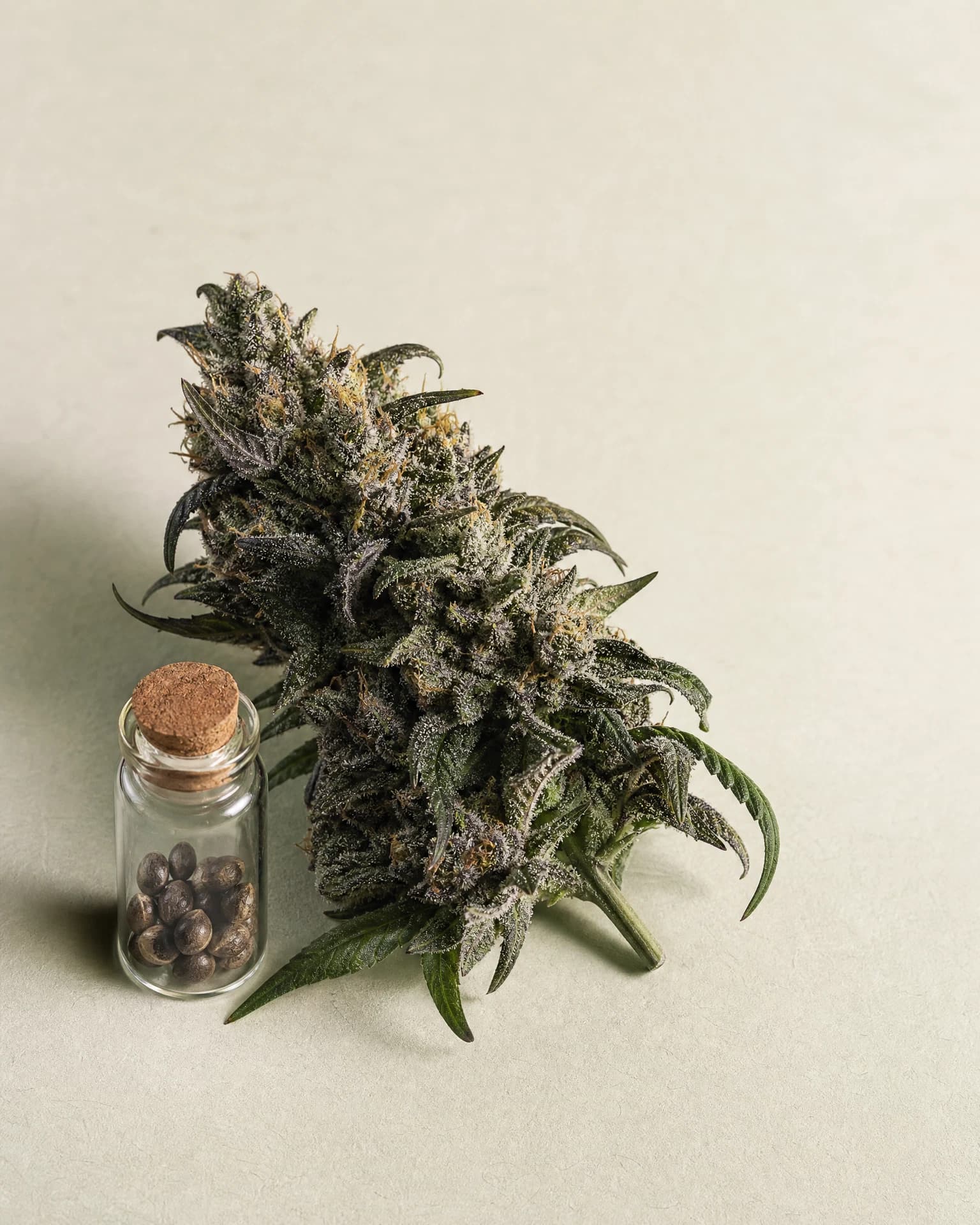
Amnesia Haze represents a specific classification of cannabis that is widely categorized as a sativa-dominant hybrid. According to the available breeder and retailer records, this particular variety typically maintains a composition that is approximately 70% to 80% sativa. This dominance is reflected in several of its physical characteristics and reported growth patterns. The amnesia haze strain is noted for its tall structure and a relatively long flowering period, which usually spans between 9 and 12 weeks depending on the specific source and environmental conditions. It is characterized by thin leaves and the production of dense, resinous buds. Because of its height and the weight of its floral clusters, the plant often requires physical support such as staking during the later stages of its development. Retailers generally indicate that these Amnesia Haze genetics are available in both feminized and autoflowering formats, catering to different cultivation preferences. The terpene profile associated with this cultivar is described as being citrus-forward with earthy undertones, while the reported THC levels typically fall within the range of 18% to 25%.
Genetics and cultivar background
The genetic background of this cultivar is described in technical records as a complex assembly of landrace varieties from diverse geographical regions. Specifically, the lineage is reported to include South Asian, Jamaican, and Afghani landraces. In the context of botanical classification, a landrace refers to a domestic plant variety that has developed over time through adaptation to its natural and cultural environment of agriculture and pastoralism. The inclusion of South Asian and Jamaican genetics contributes to the sativa-dominant profile, which is estimated to be between 70% and 80% of the plant's genetic makeup. The Afghani component, which is typically associated with indica-type plants from the Hindu Kush region, provides a contrasting genetic element within the hybrid structure.
Understanding the implications of a 70–80% sativa dominance requires a look at how breeders categorize these plants. In the industry, "sativa-dominant" is a term used to describe hybrids where the morphological and physiological traits lean heavily toward those associated with Cannabis sativa L. These traits often include longer internodal spacing, narrower leaflets, and a longer duration for floral maturation. The specific combination of South Asian and Jamaican landraces suggests a heritage rooted in tropical or sub-tropical climates, which is consistent with the reports that the cultivar thrives in warm environments. The presence of Afghani genetics often introduces density to the floral structure that might otherwise be more open in a pure sativa variety.
Plant profile and grow planning
Cultivation planning for this cultivar must account for its significant vertical growth and specific environmental requirements. The plant structure is consistently described as tall, a trait that is characteristic of its high sativa percentage. This height necessitates careful management of space, especially in indoor environments where vertical clearance may be limited. The leaves are noted for being thin, which allows for better light penetration through the canopy, though the overall height can still create shading issues for lower branches. As the plant matures, it develops dense and resinous buds. The weight of these buds, combined with the plant's tall and sometimes slender frame, frequently leads to the need for staking or other forms of structural support to prevent branches from breaking or bending excessively.
The amnesia haze flowering time is a significant factor in grow planning, with records indicating a window of 9 to 12 weeks. This is a relatively long period compared to many indica-dominant hybrids, requiring patience and a stable environment for an extended duration. Successful cultivation is often linked to warm climates, which mimic the conditions of its tropical landrace ancestors. When planning a garden, growers must consider that the long flowering phase increases the window of exposure to potential environmental stressors or pests. The dense nature of the buds also implies a need for careful humidity control to maintain plant health throughout the final weeks of the cycle. Staking should be implemented early in the flowering phase to ensure the plant has a stable foundation as the floral clusters gain mass and resin content.
Aroma and flavor profile
The sensory characteristics of this cultivar are defined by a specific terpene profile that is described as citrus-forward and earthy. Terpenes are the aromatic compounds found in many plants, and in cannabis, they are produced in the same glandular trichomes as cannabinoids. A citrus-forward profile typically suggests the presence of terpenes such as limonene, which is associated with the scent of lemons and oranges. The earthy undertones are often attributed to terpenes like myrcene or humulene, which provide a more grounded, soil-like, or musky aroma.
The interaction between these aromatic components creates the distinct scent profile reported by retailers and breeders. An earthy base provides a foundation for the sharper, more volatile citrus notes. In a botanical context, these compounds serve various purposes, including attracting pollinators or repelling herbivores. For the consumer or cultivator, the aroma profile is one of the primary ways to identify the cultivar, though the intensity and specific balance of these scents can be influenced by the growing conditions, curing process, and the specific version of the seeds being used. The description of the buds as resinous is a direct indicator of the high concentration of these aromatic and active compounds on the surface of the floral material.
Reported experience context
The reported experience associated with this cultivar is framed by its cannabinoid content and its genetic leanings. Records indicate that THC levels typically range from 18% to 25%. THC, or delta-9-tetrahydrocannabinol, is the primary psychoactive compound in cannabis. A range of 18–25% is considered high by contemporary standards, suggesting a potent profile. Because the cultivar is 70% to 80% sativa-dominant, the experience is generally categorized within the context of what users expect from sativa hybrids, which are often described in industry literature as being more cerebral or stimulating compared to the more sedative associations of indica-dominant varieties.
These percentages are based on laboratory testing of specific samples and can vary significantly based on the cultivation environment, the skill of the grower, and the maturity of the plant at harvest. The 70–80% sativa dominance provides a structural and physiological framework for the plant's effects, but the final chemical composition—including the interaction between THC and the citrus-earthy terpene profile—determines the actual user experience. The high resin production mentioned in the plant structure descriptions is also a factor in the reported potency, as the resin glands are the primary site of cannabinoid synthesis.
How to compare current breeder records
When evaluating the available data for a cultivar like this, a reader must evaluate a variety of conflicting reports and technical specifications. A primary example of this is the variation in reported flowering times. One major retailer cites a flowering window of 8 to 10 weeks, whereas other sources report a longer duration of 10 to 12 weeks. Such discrepancies are common in the cannabis industry and can be attributed to several factors. Different breeders may have selected for different phenotypes within the same general lineage, leading to variations in maturation speed. Additionally, the conditions under which the flowering time was measured—such as light intensity, nutrient protocols, and temperature—can significantly impact the results.
A responsible approach to interpreting breeder records involves looking for the consensus among multiple sources rather than relying on a single data point. If the majority of sources suggest a 10-12 week window, a grower should plan for the longer duration while remaining observant for signs of earlier maturity. It is also essential to recognize that "feminized" or "autoflower" labels do not guarantee identical results across different brands. A version of a cultivar from one specific breeder may exhibit different growth traits than a version from another, even if they share the same name. These differences can manifest in height, nutrient requirements, and final terpene concentrations.
Furthermore, technical details such as THC percentages should be viewed as potential ranges rather than absolute values. The 18–25% range provided in the records is a broad window that reflects the inherent variability of biological systems. A consumer should look at these numbers as an indication of the cultivar's potential under optimal conditions. When comparing records, one should also pay attention to what is not said. If a record lacks specific information about pest resistance or specific nutrient sensitivities, it is safer to assume those traits are unknown rather than assuming the plant is universally resistant or easy to feed. The presence of a caveat in a record is a valuable piece of information, as it highlights the areas where the evidence is less certain or where significant variation has been observed.
The information provided in this guide is strictly bounded by the specific record supplied for the amnesia haze strain. This record serves as the sole basis for all claims regarding the cultivar's genetics, growth patterns, and chemical profile. The limitations inherent in this data must be acknowledged. The record includes a specific caveat noting that flowering times vary between major retailers and that different breeder versions may influence growth traits. This variability means that any individual plant grown from these seeds may deviate from the general descriptions provided here.
Many aspects of the cultivar remain undocumented in the source material. For example, there is no specific data regarding the exact yield in grams per square meter, nor are there detailed instructions for specific pest management or disease resistance. The absence of this information means that these factors are considered unknown within the scope of this evidence-bounded writing task. The claims regarding THC levels and terpene profiles are based on aggregated retailer data and should be treated as general ranges rather than guarantees for every individual seed or harvest. By relying on a strictly defined set of verified facts and secondary keywords, this guide aims to provide a transparent and evidence-based overview while avoiding the unsubstantiated claims or marketing hyperbole that often characterizes the cannabis seed industry. The goal is to allow the reader to evaluate the cultivar based on the available evidence while understanding exactly where that evidence ends and where further personal research or experimentation must begin.
Given the limitations of any single record, there are several areas where a researcher or grower should seek additional information to build a more complete understanding of the cultivar. One of the most important questions involves the specific environmental preferences beyond a general "warm climate." For instance, does the plant perform better in high-humidity tropical environments or in more arid Mediterranean-style heat? The thin leaves and sativa dominance suggest a high tolerance for light intensity, but the specific saturation point is rarely detailed in basic retailer guides.
Another area for investigation is the nutrient profile required during the long flowering phase. Sativa-dominant plants that flower for 12 weeks have different metabolic needs than faster-flowering varieties. A researcher might ask whether this cultivar is a "heavy feeder" or if it is sensitive to nitrogen toxicity during the transition to bloom. The need for staking also raises questions about the best training methods. Would a Screen of Green (SCROG) approach be more effective than simple individual stakes for managing the tall structure and dense buds?
Furthermore, the "citrus-forward" and "earthy" descriptions are relatively broad. A more detailed chemical analysis, if available, would specify which exact terpenes are dominant. Is the citrus note driven by limonene, or is there a presence of terpinolene, which provides a more complex, herbal-citrus scent? Understanding these nuances can help a consumer better predict the experience and help a grower fine-tune the environment to maximize the production of specific aromatic compounds. Finally, since the record mentions that different breeders provide versions of these seeds, a researcher should look for direct comparisons between these specific lines to see if one is more suited to their particular growing style or goals.
Frequently asked questions
What is the Amnesia Haze strain?
This guide summarizes the documented cultivar record while separating verified details from variable grower outcomes.
Is Amnesia Haze suitable for beginners?
Difficulty depends on the exact seed line, environment, and grow setup. Confirm current breeder guidance.
How long does Amnesia Haze take to flower?
Flowering windows vary by phenotype and environment. Confirm the estimate for the exact breeder line.
Can Amnesia Haze be grown indoors and outdoors?
Suitability depends on the breeder line and local climate. Compare space, humidity, temperature, and season length.
Which Amnesia Haze seed format should I choose?
Autoflower and feminized formats serve different schedules and grow styles. Compare only documented direct records.