
Strain guide
Big Bud Strain Guide: Breeder-specific aroma and grower notes
Big Bud is documented here with partner-source cultivar context, seed-format availability, and secondary-topic research cues.
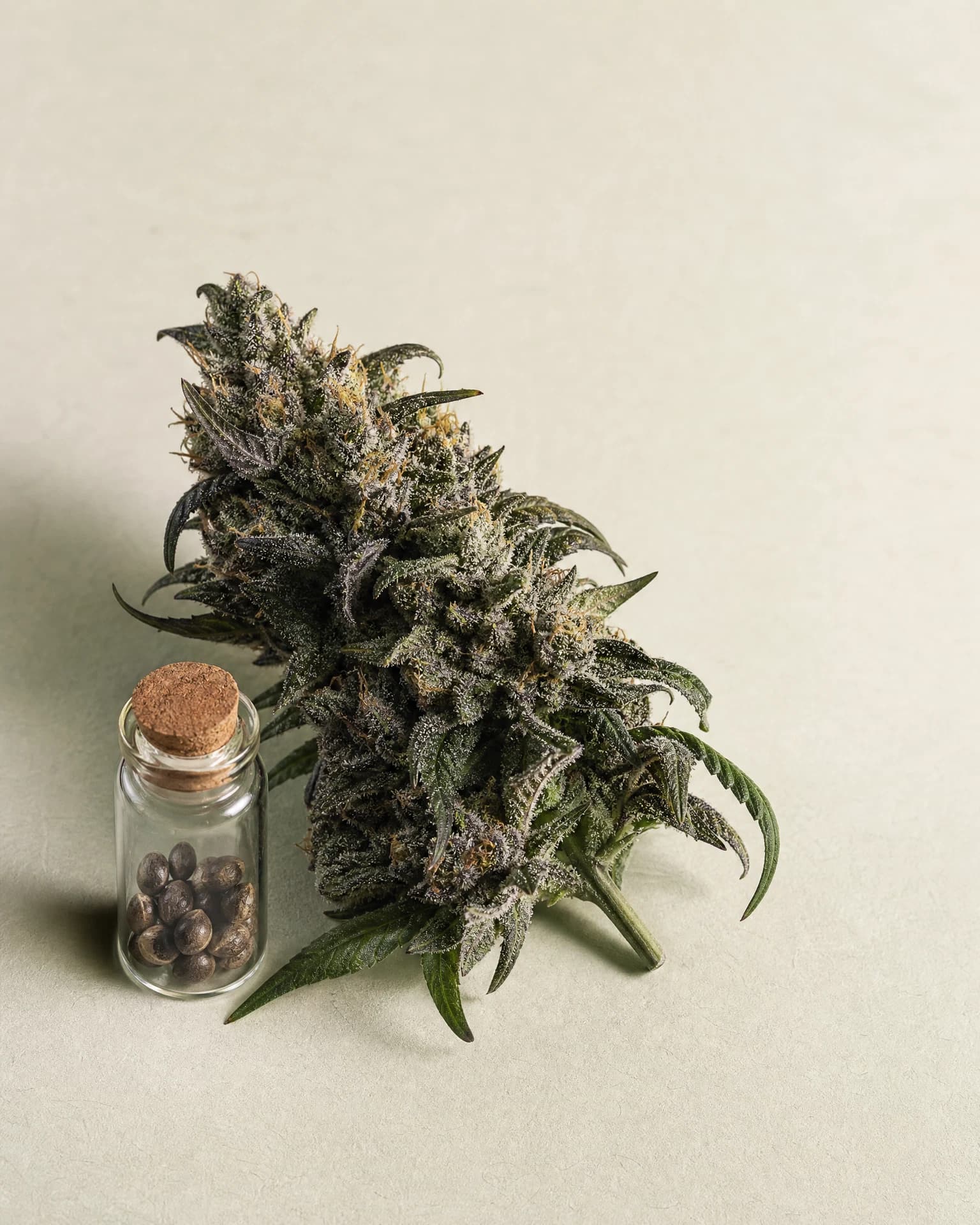
Overview
Evaluating a cultivar record requires a careful examination of the data provided by various breeders and retailers. The big bud strain is documented as an 85% indica-dominant hybrid. This specific classification suggests a plant that inherits most of its characteristics from indica lineages, which are traditionally associated with specific growth patterns and physical structures. When looking at a big bud growing guide, researchers often focus on the verified genetic foundation of the plant. According to the available record, this cultivar results from a three-way cross involving Afghani, Northern Lights, and Skunk #1. These three ancestors represent some of the most well-known pillars in the history of botanical development within this category. The record indicates that the plant is characterized by a short flowering period, typically ranging between 7 and 9 weeks. This big bud flowering time is a standard metric used by cultivators to plan their cycles and manage resources. The structure of the plant is described as sturdy and high-yielding, producing massive and resinous flower clusters. However, anyone studying this record must account for the significant variations reported in the physical dimensions and sensory profiles of the plant. The data shows that different sources provide conflicting information regarding the final height and the specific aromatic qualities of the cultivar. Such discrepancies are common in the industry and highlight the necessity of cross-referencing multiple data points before drawing conclusions about a specific seed lot or phenotype.
Genetics and cultivar background
The genetic history of the big bud strain is rooted in a combination of three distinct lineages: Afghani, Northern Lights, and Skunk #1. Each of these components contributes to the 85% indica-dominant profile mentioned in the primary record. In the study of plant genetics, understanding the parentage provides a framework for predicting how a cultivar might behave in different environments, although individual results always depend on the specific selection made by the breeder. The Afghani component is generally recognized for its contribution to a compact structure and resin production. Northern Lights is another foundational lineage that has been used extensively in breeding programs to improve stability and flower density. Skunk #1, the third parent, is often associated with vigor and specific structural traits. The record does not specify the exact proportions of each parent or the specific order of the crossing process, but the resulting hybrid is clearly identified as being heavily weighted toward the indica side of the spectrum. When researchers look at these genetic backgrounds, they are often searching for consistency in growth and output. The fact that this cultivar is a three-way hybrid suggests a complex genetic makeup that might express different traits depending on the specific seeds acquired. It is common for breeders to work with these same three parents to create various versions of a cultivar, leading to the variations seen in the market today. Without more specific data on the breeder's selection process or the generation of the seeds, the lineage remains a high-level map of the plant's potential rather than a guarantee of specific phenotypic expression.
Plant profile and grow planning
Planning for the cultivation of this cultivar involves analyzing the structural data provided in the record. The plant is described as having a short-medium structure, which generally implies a growth habit that is manageable in various settings. However, the record includes a significant caveat regarding the actual height of the plant. Some sources suggest a very compact structure, reaching only about 2 feet in height, while other reports indicate that the plant can exceed 4 feet. This wide range in height estimates suggests that the plant may respond differently to various training techniques, light intensities, or container sizes. The sturdy nature of the plant is highlighted as a primary characteristic, which is likely a necessary trait given the description of its massive, resinous flower clusters. Large flower clusters often require a strong physical foundation to prevent the branches from bending or breaking under their own weight. The flowering period is listed as 7 to 9 weeks, which is a relatively narrow window for an indica-dominant hybrid. Cultivators using this data would need to monitor the development of the resin and the density of the clusters to determine the optimal point for completion. The high-yielding nature of the cultivar is a central point in the record, though specific weight measurements are not provided. Instead, the focus is on the physical scale of the flower production. When preparing a space for this plant, one must consider both the potential for a compact 2-foot plant and the possibility of a much taller 4-foot specimen. This uncertainty requires a flexible approach to space management and light positioning.
Aroma and flavor profile
The sensory characteristics of this cultivar are subject to significant variation according to the available data. The record notes that flavor profiles differ greatly between different retailers and sources. Some descriptions focus on skunky and earthy notes, which are traditional markers for many indica-leaning hybrids, especially those with Skunk #1 and Afghani heritage. Other reports suggest a completely different profile, including sweet, citrusy, or even berry-like qualities. This lack of consensus in the record indicates that the aromatic expression of the plant is highly dependent on the specific phenotype or the environmental conditions during the growth and curing processes. Terpenes, the organic compounds responsible for these scents, are not explicitly listed in the record by name or percentage. Instead, the data provides these descriptive categories as a guide for what a researcher might encounter. The presence of citrusy or berry-like notes could suggest a different terpene balance than a profile dominated by earthy and skunky scents. For a researcher, this variation means that the aromatic experience cannot be predicted with certainty from the name alone. The record serves as a reminder that botanical products are biological entities with inherent variability. When a record lists such a wide array of potential flavors, it often reflects the diverse ways that different breeders have selected and stabilized their versions of the cultivar over time. The earthy and skunky elements might represent the more traditional expression, while the sweet and fruity notes could be the result of more recent selection efforts aimed at a different consumer preference.
Reported experience context
The current record does not contain specific data regarding the subjective experience or the physiological effects associated with this cultivar. There is no information provided about the potency, cannabinoid percentages such as THC or CBD, or the specific sensations reported by users. In the absence of this data, it is important for researchers to understand how to interpret experience reports from other sources. Subjective reports are often influenced by individual biology, tolerance levels, and the specific chemical composition of the plant material being consumed. Since the record is silent on these matters, no claims can be made about the strength or the nature of the experience. Instead, a researcher should focus on the objective botanical data provided, such as the indica dominance and the genetic lineage. When looking for experience data, one would typically look for laboratory results that detail the full cannabinoid and terpene profile, as these chemicals are the primary drivers of the plant's effects. Without such data, any discussion of the experience would be speculative. The record's focus remains on the growth characteristics and the physical attributes of the plant. This highlights a common gap in breeder records, where the emphasis is often placed on the cultivation process rather than the final consumer experience. Researchers should note this omission as a prompt for further investigation through secondary sources that specialize in laboratory testing and user feedback, while remaining aware that such information is not part of the verified record for this specific guide.
How to compare current breeder records
Comparing breeder records requires a systematic approach to identifying both points of agreement and areas of conflict. In the case of this cultivar, there is strong agreement on the genetic lineage (Afghani, Northern Lights, and Skunk #1) and the indica-dominant nature of the plant. However, the record reveals significant disagreements in other areas, particularly regarding the physical dimensions and the sensory profile. The height estimates vary from 2 feet to over 4 feet, which is a substantial difference that affects how a cultivator would plan their space. Similarly, the flavor descriptions range from earthy and skunky to sweet and fruity. These discrepancies are not necessarily errors; rather, they reflect the diversity within the cultivar's genetic pool and the different ways that retailers describe their specific stock. When a researcher encounters such variations, they should treat the data as a range of possibilities rather than a single set of facts. The record's caveat is a vital tool for understanding these limits. It warns the reader that the experience of growing or observing this plant may differ depending on the source of the seeds. A responsible researcher looks for the common threads in the data—such as the 7 to 9 week flowering time and the sturdy structure—while remaining cautious about the traits that show high variability. This process of critical evaluation is fundamental to botanical research and helps to manage expectations when working with complex biological systems.
The information provided in this guide is derived from a collection of retailer and breeder records, which introduces a specific set of constraints on the data. The sources include various seed banks and botanical retailers, each of which may have different standards for reporting and verifying plant characteristics. The record acknowledges these differences through the inclusion of a caveat regarding flavor and height. This indicates that the data is not a single, unified truth but a synthesis of reported observations from multiple points in the supply chain. The verified facts represent the areas where there is a high degree of consensus or where the data has been confirmed through multiple channels. For example, the lineage and the flowering time are consistent across the sources. However, the sensory descriptions and the physical measurements are more subjective and prone to variation. The absence of certain data points, such as potency and specific terpene names, is a result of those facts not being present in the source records used for this guide. This highlights the importance of recognizing the boundaries of a specific data set. A researcher must be aware that the information is only as good as the reporting from the original sources. The record caveats serve to remind the reader that botanical data is often fragmented and that a single record, while useful, is only one part of a larger body of knowledge. By understanding the nature of these sources, the reader can better appreciate the strengths and the limitations of the information provided in this guide.
Given the specific data provided in this record, several questions remain for further research. One of the most prominent omissions is the lack of specific cannabinoid data. A researcher might ask: What are the typical THC and CBD ranges for this cultivar across different lab tests? Another area for investigation is the terpene profile. While the record mentions various flavors, it does not name the specific terpenes responsible for these scents. Researching which terpenes are most common in Afghani, Northern Lights, and Skunk #1 crosses could provide more insight into the aromatic potential of the plant. Additionally, the yield data is described qualitatively as "high," but a researcher would benefit from knowing the average grams per square meter or per plant in various environments. The height variability also raises questions about the best training methods for this cultivar. Does the 2-foot version respond differently to topping or trellising than the 4-foot version? Furthermore, the record does not specify the environmental preferences of the plant, such as optimal temperature ranges or humidity levels during the flowering stage. Finally, the history of the specific breeder who first stabilized this three-way cross is not detailed here. Investigating the origin of this specific genetic combination could provide more context for the variations seen in current retailer records. These questions serve as a roadmap for anyone looking to build a more comprehensive understanding of the cultivar beyond the foundational facts provided in the primary record.
Frequently asked questions
What is the Big Bud strain?
This guide summarizes the documented cultivar record while separating verified details from variable grower outcomes.
Is Big Bud suitable for beginners?
Difficulty depends on the exact seed line, environment, and grow setup. Confirm current breeder guidance.
How long does Big Bud take to flower?
Flowering windows vary by phenotype and environment. Confirm the estimate for the exact breeder line.
Can Big Bud be grown indoors and outdoors?
Suitability depends on the breeder line and local climate. Compare space, humidity, temperature, and season length.
Which Big Bud seed format should I choose?
Autoflower and feminized formats serve different schedules and grow styles. Compare only documented direct records.