
Strain guide
Bubba Kush Strain Guide: Earthy aroma and grower notes
Bubba Kush is documented here with partner-source cultivar context, seed-format availability, and secondary-topic research cues.
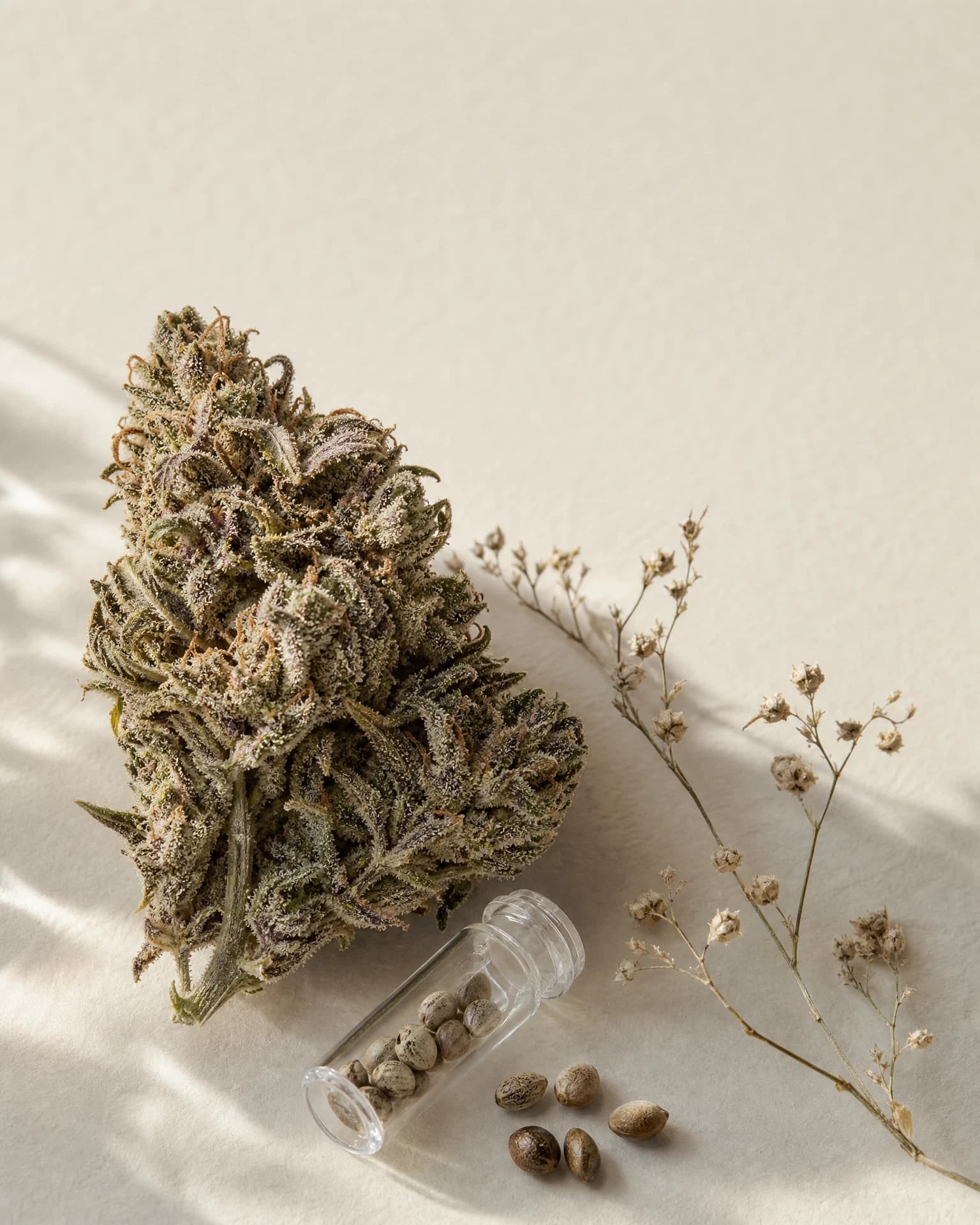
Overview
The study of specific cannabis cultivars requires a disciplined approach to evidence, prioritizing documented breeder records over anecdotal claims. When examining a cultivar like the one described in this record, researchers must first look at the core botanical classifications and the consensus among primary sources. The data provided for the Bubba Kush strain indicates a profile that is classified as Indica-leaning, specifically identified as an Indica-dominant hybrid. This classification suggests a specific set of growth characteristics and chemical tendencies that are often associated with this category of the cannabis plant. According to the available verified facts, this particular hybrid typically consists of 75% to 90% Indica genetics, a range that places it firmly within the category of cultivars favored for their physical structure and specific aromatic qualities.
Understanding the distinction between various hybrid types is a fundamental part of modern botanical research. A hybrid is the result of crossing two or more distinct parent plants to achieve a specific set of traits in the offspring. In the case of this cultivar, the records point to a lineage involving OG Kush and either an Afghani landrace or a Northern Lights phenotype. This combination of genetic backgrounds is what defines the character of the Bubba Kush genetics currently available on the market. The resulting plant is characterized by a short, stout, and bushy structure, which is a common trait for plants with a high percentage of Indica genetics. These physical attributes are often sought after by those who operate in limited spaces, as the plant tends to remain manageable throughout its life cycle.
The process of evaluating a cultivar also involves looking at the timeline of its development. For this specific record, the flowering period is documented as being between 8 and 10 weeks. This timeframe is a standard measurement used by breeders to help growers plan their schedules and manage their resources. Additionally, the availability of this cultivar in various seed formats, including feminized, autoflower, and regular, provides a range of options for different research and cultivation needs. By focusing on these documented facts, one can build a reliable profile of the cultivar without relying on unverified information or outside assumptions.
Genetics and cultivar background
The genetic history of a cannabis cultivar is often the most complex aspect of its record, as it involves tracing the lineage through multiple generations and across different breeding environments. For the Bubba Kush strain, the record indicates that it is a cross between OG Kush and another parent, which is identified as either an Afghani landrace or a Northern Lights phenotype. This specific lineage is a key factor in determining the plant's overall profile and its place within the wider botanical context. OG Kush is a well-known component in many modern hybrids, and its inclusion here suggests a foundation of specific traits that are then modified by the second parent.
The role of the second parent—whether it is an Afghani landrace or a Northern Lights phenotype—introduces a level of variation that is common in the field of cannabis breeding. A landrace refers to a cultivar that has developed in a specific geographic region over a long period, adapting to the local environment without human intervention. An Afghani landrace, for instance, would typically contribute traits associated with the harsh, mountainous regions of Afghanistan, such as a sturdy structure and a high density of trichomes. On the other hand, Northern Lights is a phenotype that has been refined through selective breeding, known for its own set of stable characteristics. The fact that the record mentions both possibilities highlights the importance of checking specific breeder documentation when acquiring Bubba Kush genetics.
There is also a notable caveat regarding the exact origin of this cultivar. The record states that reports vary between an accidental pollination and a deliberate cross. This type of discrepancy is not unusual in the history of cannabis breeding, where many famous cultivars have origins that are shrouded in mystery or subject to different interpretations. Whether the cross was the result of a planned breeding program or a fortunate accident, the outcome remains a stable and recognized cultivar with a consistent set of parental lines. This background information is essential for anyone looking to understand the genetic stability and the potential variations that might occur when working with this specific plant.
Plant profile and grow planning
Planning for the cultivation of a specific cultivar requires a detailed understanding of its physical structure and its environmental needs. The plant structure for this cultivar is described as short to medium, with additional notes characterizing it as short, stout, and bushy. These terms describe a plant that grows horizontally as much as it does vertically, creating a dense canopy that requires careful management. A short and stout structure is often advantageous for indoor environments where vertical space is limited, but it also means that the grower must ensure adequate airflow through the thick foliage to prevent issues with moisture and pests.
The flowering context for this plant is set at 8 to 10 weeks. This is the period during which the plant transitions from vegetative growth to the production of flowers. Understanding this timeline is a key part of grow planning, as it allows for the synchronization of nutrient applications, lighting schedules, and environmental controls. A flowering period of 8 to 10 weeks is considered relatively standard for an Indica-leaning hybrid, providing a balance between the time required for the plant to reach maturity and the desire for a timely harvest. During this phase, the plant's physical characteristics, such as its bushy nature, become even more pronounced as it focuses its energy on flower development.
When preparing to grow from Bubba Kush genetics, it is also important to consider the specific format of the seeds being used. The record indicates that this cultivar is available in feminized, autoflower, and regular formats. Each of these formats has its own implications for grow planning. For example, feminized seeds are designed to produce only female plants, which simplifies the process by removing the need to identify and remove male plants. Autoflower seeds, on the other hand, will transition to the flowering stage based on age rather than changes in the light cycle, which can significantly alter the planning process. Regular seeds produce a mix of male and female plants, which may be preferred by those interested in breeding or maintaining a diverse genetic pool.
Aroma and flavor profile
The sensory profile of a cannabis cultivar is one of its most defining features, often serving as a primary point of interest for researchers and enthusiasts alike. For this specific record, the aromatic profile is characterized by distinct notes of earthy coffee and chocolate. These descriptors provide a clear picture of the cultivar's scent and taste, which are the result of its specific chemical composition. Earthy notes are a common feature in many Indica-leaning hybrids, often associated with the presence of certain terpenes that are developed during the plant's growth and curing processes.
The presence of coffee and chocolate notes adds a layer of complexity to the profile, distinguishing it from other cultivars that might have more citrus or floral scents. These specific aromas are often linked to the genetic heritage of the plant, particularly the Afghani or Northern Lights phenotypes mentioned in the lineage. When evaluating the aroma of a plant, it is important to consider how these scents might change throughout the different stages of its life cycle. The earthy coffee scent may be more apparent during the flowering stage, while the chocolate notes might become more pronounced after the flowers have been properly dried and cured.
In a broader educational context, the flavor and aroma of a cultivar are not just about the immediate sensory experience; they are also indicators of the plant's overall health and the quality of its environment. A well-grown plant will typically exhibit a more intense and clear aromatic profile, whereas a plant that has been stressed or poorly managed may have a muted or distorted scent. Therefore, when observing the earthy coffee and chocolate notes in this cultivar, one is also observing the result of a successful cultivation process that has allowed the plant to express its full genetic potential.
Reported experience context
When discussing the experience associated with a particular cultivar, it is necessary to rely on the data provided in the breeder records rather than personal anecdotes or unverified claims. For the Bubba Kush strain, the record provides a specific range for the reported THC levels, which can vary widely from 15% to 29% depending on the specific breeder's version. This wide range is a significant detail, as it indicates that the chemical potency of the plant can be highly variable. Such variation is often the result of different breeding selections, cultivation techniques, and environmental factors that can influence the production of cannabinoids.
The Indica-leaning nature of this hybrid, which is 75% to 90% Indica, also provides context for the reported experience. In general botanical terms, Indica-dominant plants are often associated with a specific set of effects, although these can vary significantly from one individual to another. The record does not provide specific details on the effects of this cultivar, but the classification itself suggests a profile that is consistent with other plants in this category. By stating the THC range and the genetic percentage plainly, the record allows for a more objective assessment of what one might expect from this plant.
The experience of a cultivar is not solely determined by its THC content. Other factors, such as the presence of different cannabinoids and terpenes, play a role in the overall profile. However, since the record does not provide information on these other components, a responsible researcher will focus on the data that is available. The 15% to 29% THC range is a clear indicator that the plant has the potential for significant chemical activity, but it also serves as a reminder that not all versions of the cultivar will be identical. Checking the specific data for the seeds being used is therefore an essential step in understanding the context of the reported experience.
How to compare current breeder records
In the field of cannabis research, the ability to compare and evaluate different breeder records is a fundamental skill. Because there is no single, centralized authority for cannabis genetics, information can often vary between different sources. When looking at the records for a cultivar like Bubba Kush, a researcher must be prepared to handle discrepancies and to look for the most reliable data points. This process involves a careful examination of the facts provided and an understanding of the factors that can lead to variation in the data.
One of the first things to look for when comparing records is the consistency of the parental lines. As noted in this record, the parents are identified as OG Kush and either an Afghani landrace or a Northern Lights phenotype. If another record were to list completely different parents, it would be a clear sign that the two records are describing different versions of the cultivar or that one of the records is inaccurate. Consistency in the genetic background is a strong indicator of a cultivar's stability and its recognition within the breeding community.
Another important factor to consider is the range of technical details provided, such as flowering time and THC levels. In this record, the flowering time is given as 8 to 10 weeks, and the THC levels are listed as 15% to 29%. These ranges are a realistic reflection of the variation that can occur in a biological system. A record that provides a single, exact number for these values might be less reliable, as it does not account for the influence of environmental factors or the differences between individual plants. By providing a range, the breeder is acknowledging the complexity of the plant and providing a more accurate picture of its potential.
Researchers should also look at the caveats and notes provided in the records. The caveat in this record, which mentions the varying reports on the cultivar's origin and the wide range of THC levels, is a valuable piece of information. It provides context for the other data points and warns the researcher that they may encounter different versions of the cultivar. A high-quality record will always include this kind of information, as it demonstrates a commitment to transparency and accuracy. When comparing multiple records, the one that provides the most detailed and contextualized information is usually the one that should be given the most weight.
Finally, it is important to check the availability of different seed formats. A cultivar that is available in regular, feminized, and autoflower formats is likely to have been more extensively researched and stabilized than one that is only available in a single format. The presence of multiple options suggests that breeders have invested significant time and effort into working with the cultivar's genetics. By looking at all of these factors together, a researcher can develop a comprehensive understanding of a cultivar and make informed decisions based on the best available evidence.
The information provided in this guide is based on a specific record that compiles data from several primary breeder and retailer sources. It is essential to understand that this data is subject to the limitations of the sources themselves and that a responsible researcher will always cross-reference this information with other available documentation. The record for the Bubba Kush strain includes a significant caveat: the genetic origin reports vary slightly between an accidental pollination and a deliberate cross, although the parental lines (OG Kush and Afghani or Northern Lights) remain consistent across the different accounts. This discrepancy is a reminder that the history of many cannabis cultivars is not always clearly documented and may involve multiple, sometimes conflicting, narratives.
Furthermore, the record highlights a wide range in reported THC levels, spanning from 15% to 29%. This variation is a critical piece of information, as it indicates that the chemical profile of the cultivar can differ significantly depending on the specific breeder's version and the conditions under which the plant is grown. When looking at this data, one must be aware that the numbers provided are not absolute and should be used as a general guide rather than a precise measurement. The absence of specific data on other cannabinoids or terpenes in this record is also a notable point, as it means that those aspects of the cultivar's profile remain unknown within the context of this specific evidence set.
The classification of the plant structure as short to medium, and the flowering time as 8 to 10 weeks, are also based on the consensus of the sources included in the record. While these values provide a useful starting point for planning and research, they are not guaranteed outcomes. Biological systems are inherently variable, and individual plants may exhibit traits that fall outside of the typical ranges. By focusing on the verified facts and the documented caveats, this guide aims to provide a reliable and evidence-bounded overview of the Bubba Kush cultivar. Researchers are encouraged to continue their investigation by seeking out additional records and by conducting their own careful observations to build a more complete and nuanced understanding of this plant.
As with any scientific inquiry, the study of a cannabis cultivar should be guided by a set of clear and focused research questions. These questions help to direct the investigation and to ensure that the most important aspects of the plant are being considered. For someone working with the data provided for the Bubba Kush strain, there are several key areas that warrant further exploration. These questions are designed to help a researcher go beyond the basic facts and to develop a deeper understanding of the cultivar's place in the botanical world.
One of the primary questions to ask concerns the genetic stability of the cultivar across its different formats. Given that it is available as autoflower, feminized, and regular seeds, how do the core characteristics—such as the short, bushy structure and the earthy coffee aroma—vary between these versions? Understanding the extent to which these traits are preserved in different breeding lines is essential for anyone looking to achieve consistent results. This question also touches on the broader issue of how different breeding techniques, such as the introduction of Ruderalis genetics for autoflowering, affect the overall profile of a hybrid.
Another important area of research is the variation in chemical potency. With a reported THC range of 15% to 29%, what are the specific factors that lead to such a wide discrepancy? Is the variation primarily due to the genetic selection of the breeder, or is it more a result of the environmental conditions in which the plant is grown? By investigating the relationship between genetics, environment, and chemical production, researchers can gain valuable insights into how to optimize the expression of specific cannabinoids. This research could also be extended to include other chemical components, such as terpenes, to see how they correlate with the THC levels.
A third research question could focus on the plant's adaptation to different cultivation environments. The record notes that the short, stout structure is suitable for indoor cultivation, but how does the plant perform in an outdoor setting? Does its bushy nature make it more or less susceptible to environmental stressors like wind, rain, or humidity? Investigating the plant's performance in a variety of conditions can help to build a more complete profile of its resilience and its specific needs. This type of research is particularly important for those who are looking to grow the cultivar in diverse geographic regions.
Finally, a researcher might ask about the historical development of the cultivar and how the different origin stories—accidental pollination versus deliberate cross—reflect the broader trends in cannabis breeding history. While the exact answer may never be known, exploring the different narratives can provide a fascinating look at the culture and the practices of the breeding community. This historical perspective can also help to explain why certain cultivars become so well-known and why their genetics are so highly valued. By asking these and other related questions, researchers can ensure that their work is both thorough and meaningful.
Frequently asked questions
What is the Bubba Kush strain?
This guide summarizes the documented cultivar record while separating verified details from variable grower outcomes.
Is Bubba Kush suitable for beginners?
Difficulty depends on the exact seed line, environment, and grow setup. Confirm current breeder guidance.
How long does Bubba Kush take to flower?
Flowering windows vary by phenotype and environment. Confirm the estimate for the exact breeder line.
Can Bubba Kush be grown indoors and outdoors?
Suitability depends on the breeder line and local climate. Compare space, humidity, temperature, and season length.
Which Bubba Kush seed format should I choose?
Autoflower and feminized formats serve different schedules and grow styles. Compare only documented direct records.