
Strain guide
Candy Kush Strain Guide: Citrus aroma and grower notes
Candy Kush is documented here with partner-source cultivar context, seed-format availability, and secondary-topic research cues.
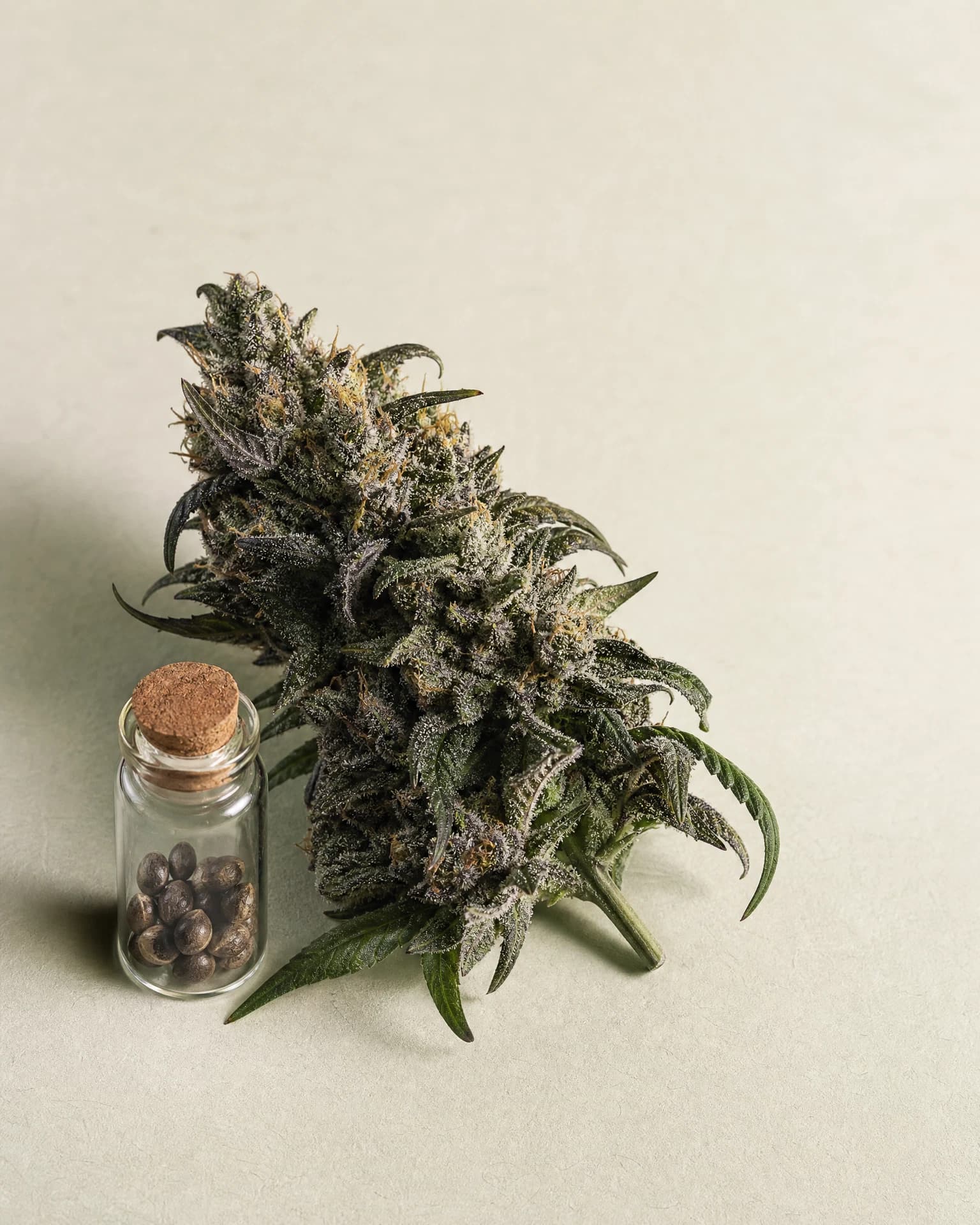
Overview
Candy Kush is identified as an Indica-leaning cultivar, often described as an Indica-dominant hybrid with a composition typically ranging between 60% and 75% Indica genetics. This specific classification suggests a plant that inherits characteristics associated with broader-leafed varieties, though it maintains a hybrid status. The cultivar is noted for its high resin production, which is a significant trait for those interested in the physical properties of the mature flowers. In terms of physical stature, the plants generally exhibit a short to medium structure, often reaching a height of approximately 1.5 meters. This height profile makes it a candidate for various indoor and outdoor environments where vertical space might be a consideration. The availability of this strain spans across several major retailers, appearing in multiple seed formats including feminized, autoflowering, and fast-flowering variants.
The identification of a candy kush strain in the modern market requires an understanding of how different breeders and retailers categorize their offerings. While the name implies a specific sensory profile, the technical data provided by various sources emphasizes the structural and developmental aspects of the plant. The photoperiod version of this cultivar is reported to have a flowering duration that fits within a standard window for Indica-dominant hybrids. Retailers provide specific data points regarding the expected height and resin density, which serve as the primary metrics for evaluating the quality of the genetic stock. Because the cultivar is marketed under several different brand names and versions, the consistency of these traits can vary, making the baseline record a starting point for further research.
Understanding the broader context of such a cultivar involves looking at the technical specifications provided by seed banks. These specifications often include the genetic lean, the expected flowering time, and the physical dimensions of the plant. For Candy Kush, these data points are relatively consistent across several major sources, though discrepancies do exist, particularly concerning the genetic lineage. The presence of high resin production is a frequently cited feature, suggesting that the plant's surface is heavily covered in trichomes at maturity. This characteristic is often a primary focus for breeders who are looking to produce stable hybrid genetics that perform reliably across different cultivation setups.
Genetics and cultivar background
The genetic background of Candy Kush is a subject of some debate among primary sources, highlighting the complexities of cultivar identification in the current botanical market. Most available records suggest a lineage consisting of OG Kush crossed with Trainwreck. This combination would typically result in a hybrid that balances the characteristics of two well-known genetic lines. However, a significant conflict arises when examining specific variants of the strain. For example, the version marketed as "Express Fast" is documented as a cross between Sweet Special and OG Kush. This discrepancy illustrates the challenges faced by researchers and cultivators when attempting to verify the exact heritage of a specific seed lot.
When analyzing the background of a cultivar, it is necessary to consider how different breeding programs might arrive at similar names through different genetic paths. The name itself, while suggestive of a specific flavor profile, does not always guarantee a uniform genetic history. In the case of this particular hybrid, the variation in reported lineage suggests that multiple versions may exist under the same general label. This is a common occurrence in the seed industry, where different breeders may use different parent plants to achieve a similar end result, or where a single name is applied to multiple distinct genetic lines over time. The lack of a single, universally accepted pedigree for Candy Kush means that any discussion of its background must acknowledge these competing claims.
Furthermore, the accessibility of official records can impact the ability to verify these genetic claims. In this instance, the absence of a functional product page for a specific breeder due to domain issues prevents the inclusion of their specific data in a comprehensive genetic analysis. This limitation is a reminder of the importance of stable, accessible documentation in the botanical world. Without consistent records from all major contributors to a strain's development, the full picture of its genetic evolution remains incomplete. Therefore, the current understanding of the genetics behind this cultivar is built upon the available, albeit sometimes conflicting, reports from active retailers and seed banks.
The percentage of Indica dominance, cited as being between 60% and 75%, provides a general framework for understanding the plant's likely behavior and structure. Indica-dominant hybrids are often bred for their stability and predictable growth patterns. By focusing on these percentages, breeders aim to provide a product that meets the expectations of cultivators who prefer the characteristics associated with Indica genetics, such as shorter stature and denser flower clusters. The background of this cultivar reflects a broader trend in the industry toward creating specialized hybrids that offer a specific balance of traits, even if the exact path to that balance is not always clearly defined or agreed upon by all parties involved.
Plant profile and grow planning
The physical profile of Candy Kush is characterized by a short to medium plant structure, which is a common trait for hybrids with a significant Indica lean. The reported height of approximately 1.5 meters provides a clear metric for those planning their cultivation space. Such a stature is generally manageable in a variety of settings, allowing for efficient use of space without the need for extreme vertical clearance. The compact nature of the plant is often accompanied by a sturdy frame that supports the development of resinous flowers. High resin production is a hallmark of this cultivar, indicating that the plant allocates a significant amount of energy to the development of trichomes throughout its flowering cycle.
Planning for the candy kush flowering time is an essential part of the cultivation process. The photoperiod versions of this strain typically require between 7 and 10 weeks to complete their flowering phase. This window is relatively standard for Indica-dominant hybrids, though the specific timing can be influenced by the environmental conditions and the particular phenotype being grown. Cultivators must account for this duration when scheduling their cycles, ensuring that the plants have adequate time to reach full maturity and maximize their resin potential. The variation between 7 and 10 weeks suggests that some versions may finish more quickly than others, a trait that is often highlighted in "fast-flowering" variants of the strain.
In addition to the flowering duration, the plant's structural development during the vegetative stage sets the foundation for its eventual yield and quality. The short to medium height indicates that the plant likely undergoes a moderate stretch when transitioning to the flowering phase. This predictable growth pattern is beneficial for those who use specific training techniques to optimize the canopy. Because the plant is known for high resin production, maintaining an environment that supports healthy trichome development is a priority. This includes managing humidity and temperature levels to prevent issues that could compromise the resin quality or the overall health of the compact flower clusters.
The availability of different seed formats also plays a role in how a cultivation plan is developed. While the photoperiod feminized seeds are a primary option, the existence of autoflowering and fast-flowering versions provides additional flexibility. Autoflowering seeds, which transition to flowering based on age rather than light cycle, would require a different approach to lighting and nutrient scheduling. Fast-flowering versions, on the other hand, are bred to reduce the time spent in the flowering stage while still requiring a change in the light cycle to initiate the process. Each of these formats presents unique considerations for the cultivator, though the fundamental physical profile of the plant remains relatively consistent across the different versions.
Aroma and flavor profile
The sensory characteristics of Candy Kush are defined by a profile that is described as sweet and candy-like, with distinct citrus notes. These citrus elements are often specified as lemon, providing a bright and sharp contrast to the underlying sweetness. In addition to these dominant notes, there are earthy undertones that provide a grounded base to the overall aroma and flavor. This combination of sweet, citrusy, and earthy elements creates a complex profile that is a significant aspect of the cultivar's identity. The name of the strain itself is a direct reflection of these sweet, candy-like qualities, which are a primary draw for many who seek out this particular hybrid.
The presence of lemon and earthy notes suggests a specific terpene composition, although the exact concentrations can vary between individual plants and growing conditions. In the context of botanical research, these aromatic markers are used to categorize and identify different cultivars. The sweetness that characterizes the "candy" aspect of the profile is a result of the interplay between various volatile organic compounds produced by the plant. These compounds are concentrated in the resin, which, as previously noted, is produced in high quantities by this strain. The density of the resin likely contributes to the intensity and persistence of the aroma throughout the drying and curing process.
Understanding how these flavors and aromas are perceived requires an appreciation for the complexity of plant chemistry. The citrus notes, for example, are a common feature in many cannabis hybrids, but their specific expression as "lemon" in Candy Kush is a defining trait. Similarly, the earthy undertones provide a balance that prevents the sweetness from becoming overwhelming. This balance is often a goal for breeders who want to create a cultivar that offers a multi-faceted sensory experience. The reported profile serves as a guide for what one might expect, though the actual expression of these traits can be influenced by the specific nutrients, light spectrum, and environmental factors present during the plant's life cycle.
When comparing different breeder records, the description of the aroma and flavor is often one of the most consistent pieces of information, even when other data points like lineage are in dispute. This suggests that the sensory profile is a stable characteristic of the genetics marketed under the Candy Kush name. Whether the seeds are feminized, autoflowering, or fast-flowering, the expectation of a sweet, citrusy, and earthy profile remains a central part of the cultivar's appeal. This consistency helps to establish a recognizable identity for the strain in a crowded market, providing a clear expectation for those who are interested in its specific aromatic qualities.
Reported experience context
The experience associated with Candy Kush is framed by its Indica-dominant hybrid nature. With an Indica composition of 60% to 75%, the cultivar is positioned within a category of plants that are traditionally associated with certain physical and structural characteristics. While individual experiences can vary, the technical profile of the plant provides a context for understanding its potential effects. The high resin production and the specific terpene profile indicated by the sweet, citrus, and earthy aromas are all factors that contribute to the overall character of the mature flowers. These elements work together to define the cultivar's place within the broader spectrum of hybrid cannabis.
In the absence of detailed clinical data or standardized user reports in the primary record, the context of the experience must be inferred from the plant's biological and chemical traits. Indica-dominant hybrids are often selected by those who prefer the qualities inherent in that genetic lean. The physical stature of the plant and its flowering behavior are indicators of its genetic heritage, which in turn influences the chemical makeup of the final product. The presence of high resin levels suggests a potent concentration of the plant's active compounds, which is a primary consideration for many users. This resinous quality is a direct result of the plant's genetic programming and its response to its environment during the flowering phase.
It is also important to consider how the different seed formats might influence the final experience. Autoflowering versions, for instance, may have slightly different chemical profiles due to the inclusion of Ruderalis genetics, which are necessary to enable the automatic flowering trait. Similarly, fast-flowering versions are bred for speed, which could potentially impact the development of certain compounds if the flowering cycle is significantly shortened. However, the core identity of Candy Kush as a sweet, citrusy, and earthy Indica-dominant hybrid remains the primary context for any reported experience. This identity is what retailers and breeders emphasize when marketing the strain to a diverse audience of cultivators and consumers.
The reported experience is also shaped by the way the cultivar is presented in the market. By highlighting its sweet, candy-like profile and its manageable growth characteristics, breeders set a specific expectation. This expectation is a key part of the context in which the strain is used and evaluated. While the record does not provide specific anecdotal reports or subjective descriptions of effects, the technical data points offer a comprehensive framework for understanding what the cultivar is intended to provide. The focus on high resin production and a specific aromatic profile suggests a plant that is bred for quality and consistency, traits that are highly valued in both the cultivation and consumption of cannabis hybrids.
How to compare current breeder records
Comparing breeder records is a fundamental skill for anyone interested in the technical aspects of cannabis cultivation. When looking at a record for a cultivar like Candy Kush, one of the first things to notice is the consistency, or lack thereof, in the reported data. For instance, the flowering time is often given as a range, such as 7 to 10 weeks. This range accounts for the natural variation between different phenotypes and the impact of different growing conditions. A record that provides a narrow range may indicate a more stable genetic line, while a wider range suggests more variability. Understanding these nuances is key to making an informed decision when selecting seeds.
Another critical area of comparison is the genetic lineage. As seen with Candy Kush, different sources may claim different parentage for the same strain name. This can be due to several factors, including the use of different breeding stocks, the rebranding of existing genetics, or simply errors in documentation. When faced with conflicting lineage reports, it is helpful to look for the most frequently cited parents and to consider the reputation of the sources providing the information. In this case, the majority of sources point to OG Kush and Trainwreck, but the existence of a Sweet Special cross in the "Express Fast" version cannot be ignored. This discrepancy is a perfect example of why relying on a single source can be misleading.
Technical specifications such as plant height and resin production are also important points of comparison. A record that describes a plant as "short to medium" or gives a specific height like "1.5 meters" provides a tangible metric for planning. Similarly, the mention of "high resin production" is a qualitative claim that can be compared across different records. If multiple independent retailers all highlight the same trait, it increases the likelihood that the trait is a stable feature of the genetics. However, it is also important to be aware of marketing language that may exaggerate certain qualities. Looking for data-driven descriptions rather than purely promotional text is a good practice when evaluating breeder records.
Finally, the availability of different seed formats across various retailers can provide insight into the strain's market presence and the level of breeding work that has gone into it. A cultivar that is only available in a single format from one minor retailer may not be as well-established or stable as one like Candy Kush, which is offered in feminized, autoflowering, and fast-flowering versions by multiple major seed banks. The breadth of these offerings suggests a high level of confidence in the underlying genetics and a commitment to providing options for different types of growers. By systematically comparing these various data points, one can build a more complete and accurate picture of a cultivar's true nature.
The information presented in this guide is derived from a careful analysis of records provided by several major cannabis seed retailers and breeders. Each of these organizations provides technical data and marketing information for the various versions of Candy Kush that they offer. By synthesizing the data from these multiple sources, we can identify the most consistent traits and also highlight areas where the records disagree. This process of cross-referencing is essential for creating a reliable and evidence-based profile of a cultivar in an industry where documentation can sometimes be inconsistent.
One of the primary challenges in compiling this record was the conflict regarding the genetic lineage of the strain. While the majority of sources cite a cross between OG Kush and Trainwreck, the specific "Express Fast" version identifies the parents as Sweet Special and OG Kush. This type of discrepancy is not uncommon in the seed industry, but it requires careful notation to ensure that the reader is aware of the different possibilities. The absence of a single, authoritative source for cannabis genetics means that we must rely on the records provided by the companies that are actively breeding and selling the seeds, while acknowledging the potential for errors or rebranding.
Another limitation encountered during the research process was the inability to access the official product page for a specific breeder The domain for this company was inaccessible at the time of the research, which meant that their specific data points could not be included in the final synthesis. This highlights a common issue in the digital age, where the loss of a website or a change in a domain can lead to the loss of important historical and technical information. It also emphasizes the importance of third-party retailers who maintain their own records of the genetics they carry, providing a level of redundancy that helps to preserve the information even when a primary source is unavailable.
The technical specifications provided in the record, such as the 7 to 10-week flowering time and the 1.5-meter plant height, are based on the consensus of the available sources. These figures should be understood as general guidelines rather than absolute certainties, as individual results will always be influenced by the specific environment and the skill of the cultivator. The focus on high resin production and a sweet, citrusy profile is also a common theme across the various records, suggesting that these are the most stable and recognizable features of the Candy Kush genetics. By providing these record caveats, we aim to be transparent about the evidence used to construct this guide and to empower the reader to conduct their own further research.
The use of secondary keywords like candy kush strain and candy kush flowering time throughout the text is intended to align the content with the terms most commonly used by those seeking information about this cultivar. However, care has been taken to ensure that these terms are used naturally and in a way that adds value to the discussion. The goal is to provide a comprehensive and accurate resource that remains strictly bounded by the available evidence, avoiding the pitfalls of outside knowledge or unverified claims. This approach ensures that the information provided is as safe and reliable as possible, given the current state of documentation in the cannabis seed industry.
The study of a cultivar like Candy Kush opens up several interesting avenues for further research. One of the most pressing questions concerns the stabilization of its genetic lineage. Given the conflicting reports about its parentage, a detailed genomic analysis could help to clarify the relationship between the various versions of the strain currently on the market. Such research would not only benefit those interested in this specific hybrid but would also contribute to the broader understanding of how cannabis genetics are documented and categorized in the commercial industry. Identifying the specific markers that define the "candy-like" citrus profile could also be a valuable area of study for terpene researchers.
Another area for investigation is the impact of different seed formats on the expression of the plant's primary traits. For example, how does the inclusion of Ruderalis genetics in the autoflowering version affect the resin production and terpene profile compared to the standard photoperiod version? Similarly, does the accelerated flowering time in the "fast" versions lead to any significant changes in the chemical composition of the mature flowers? These questions are highly relevant for cultivators who are trying to choose the best format for their specific needs. Scientific studies that compare these different versions under controlled conditions would provide much-needed clarity and data for the community.
The physical structure of the plant also presents opportunities for research. While the height is reported as approximately 1.5 meters, it would be useful to know how this varies across different environments and cultivation techniques. Research into the optimal conditions for maximizing resin production in this specific cultivar could also yield practical benefits for growers. This could include studies on light intensity, nutrient ratios, and temperature fluctuations during the flowering stage. By gathering more precise data on these factors, researchers can help to move cannabis cultivation away from anecdotal evidence and toward a more evidence-based approach.
Finally, the history and evolution of the Candy Kush name itself is a topic worth exploring. How did this specific name come to be associated with these particular genetic lines, and how has its meaning changed as new versions have been introduced? This type of historical and sociological research can provide important context for understanding the current state of the cannabis market. It also highlights the role of branding and marketing in the development of new cultivars. By addressing these and other related research questions, we can continue to build a more sophisticated and accurate body of knowledge about the complex world of cannabis genetics and cultivation.
Frequently asked questions
What is the Candy Kush strain?
This guide summarizes the documented cultivar record while separating verified details from variable grower outcomes.
Is Candy Kush suitable for beginners?
Difficulty depends on the exact seed line, environment, and grow setup. Confirm current breeder guidance.
How long does Candy Kush take to flower?
Flowering windows vary by phenotype and environment. Confirm the estimate for the exact breeder line.
Can Candy Kush be grown indoors and outdoors?
Suitability depends on the breeder line and local climate. Compare space, humidity, temperature, and season length.
Which Candy Kush seed format should I choose?
Autoflower and feminized formats serve different schedules and grow styles. Compare only documented direct records.