
Strain guide
Chocolope Strain Guide: Earthy aroma and grower notes
Chocolope is documented here with partner-source cultivar context, seed-format availability, and secondary-topic research cues.
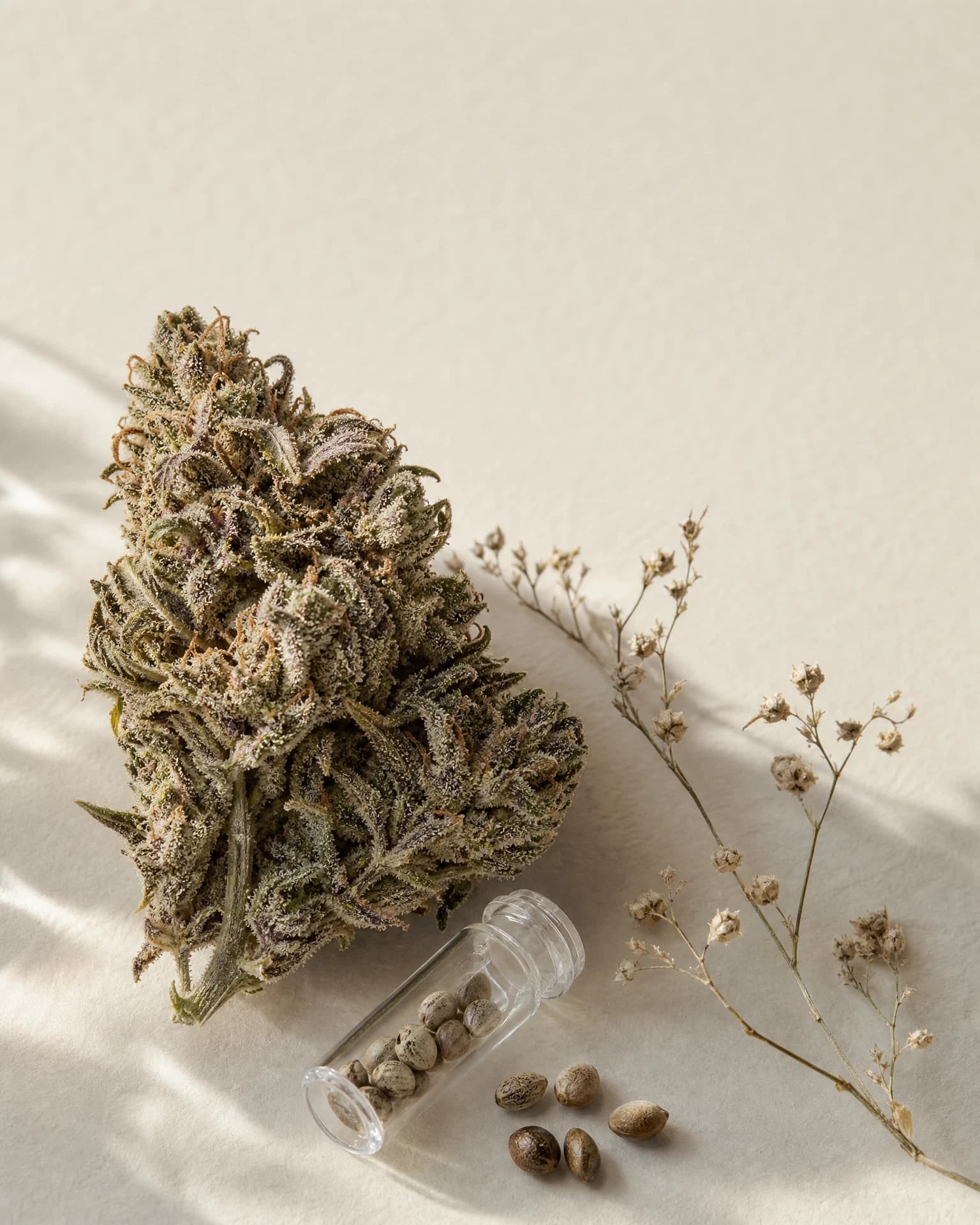
Overview
The Chocolope strain is identified in technical breeder records as a sativa-dominant cultivar, with data indicating a genetic composition that is between eighty and ninety-five percent sativa. This classification places it firmly within the category of plants known for significant vertical growth and specific flowering requirements. When examining the primary data points provided by various seed banks and botanical records, this cultivar is noted for its particular morphological traits and its distinct aromatic profile. The plant structure is consistently described as tall, which is a common characteristic for varieties with such high sativa leanings. Those who study these records will find that the plant is often cited for its vigor, a term used in botanical contexts to describe strong, healthy growth and a high rate of development during the vegetative and flowering stages.
Understanding a cultivar like the Chocolope strain requires a close look at the specific metrics provided by those who maintain its genetic lines. These records serve as the primary evidence for the plant's existence and its expected behavior in a controlled environment. The documentation for this variety suggests a flowering period that spans eight to ten weeks, a timeframe that is relatively standard for sativa-dominant genetics but requires careful management to ensure the plant reaches its full potential. By focusing on these verified facts, researchers and cultivators can build a profile of the plant that is grounded in documented evidence rather than anecdotal reports. The reliance on breeder records is a fundamental aspect of modern botanical study, providing a baseline for comparison and a framework for understanding how different environmental factors might influence the final expression of the plant's genetic traits.
Genetics and cultivar background
The documentation for chocolope genetics indicates that the variety was developed through the crossing of two distinct parent strains: OG Chocolate Thai and Cannalope Haze. This specific lineage is responsible for the sativa-dominant profile that defines the cultivar. In the study of cannabis genetics, the crossing of a landrace-descended variety like a Thai strain with a more modern Haze hybrid is a common method for creating plants that exhibit both traditional characteristics and improved stability. The OG Chocolate Thai parent is historically associated with long flowering times and a particular flavor profile, while the Cannalope Haze parent is often cited for its contribution to the plant's structure and overall growth patterns.
When analyzing the background of a cultivar, it is necessary to consider the limitations of the available records. The history of a plant is often tied to the specific breeders who first stabilized the cross, yet these details are not always present in every technical data sheet. For this specific cultivar, the primary focus of the records is on the genetic breakdown—specifically the eighty to ninety-five percent sativa dominance. This high percentage suggests that the plant retains much of the growth habit associated with equatorial sativa varieties, including the tendency to continue stretching long after the flowering phase has begun. The genetic background serves as a blueprint for the plant's development, influencing everything from the shape of its leaves to the complexity of its chemical profile. By adhering strictly to the provided genetic data, we can see a clear lineage that prioritizes sativa traits, which in turn dictates the practical considerations for anyone looking to study or cultivate the variety.
The process of genetic stabilization involves multiple generations of backcrossing and selection to ensure that the resulting seeds produce plants that are consistent in their traits. In the case of this cultivar, the records show that it is available in both feminized and regular seed formats, which indicates a level of commercial stabilization that allows for different types of botanical exploration. Regular seeds, which can produce both male and female plants, are often used by those interested in further breeding or maintaining the genetic line, while feminized seeds are designed to produce only female plants, simplifying the process for those focused on the final flower. This availability across different formats is a testament to the cultivar's established presence in the botanical record, providing a clear path for researchers to access the genetics in a form that suits their specific needs.
Plant profile and grow planning
The plant structure for this cultivar is consistently described as tall and vigorous, with specific measurements indicating that it can reach heights exceeding two hundred centimeters. This significant vertical reach is a primary consideration in any grow planning, as it requires specific environmental adjustments to manage the plant's size. In indoor settings, a plant that reaches over two hundred centimeters will quickly outgrow standard tent heights unless techniques such as low-stress training or topping are employed to encourage more horizontal growth. The vigorous nature of the plant suggests that it has a high metabolic rate, potentially requiring more frequent monitoring of its nutrient and water intake compared to smaller, slower-growing varieties.
The chocolope flowering time is documented as being between eight and ten weeks. This window is a critical metric for planning the cultivation cycle, as it determines when the plant will transition from its vegetative state to its reproductive phase and eventually reach maturity. A flowering period of this length is typical for a sativa-dominant variety, allowing enough time for the complex chemical compounds to develop within the trichomes while still being short enough to be manageable in many climates. When planning for a cultivar with an eight to ten-week flowering period, it is important to account for the environmental stability required during this time, particularly in terms of light cycles and humidity control. The records do not specify exact yield numbers or specific nutrient requirements, so these factors remain unknown and would require further research or direct observation to determine.
In addition to height and flowering time, the overall structure of the plant is a key component of its profile. A tall, vigorous plant often features long internodal spacing—the distance between the points where leaves and branches emerge from the main stem. This structure allows for good airflow through the canopy, which can be an advantage in preventing certain types of environmental stress. However, it also means that the plant may require additional support, such as stakes or trellising, to prevent its branches from bending or breaking under their own weight as they mature. The lack of specific data on leaf morphology or branch strength in the records means that these aspects of the plant's profile must be approached with caution, relying on the general characteristics of tall sativas while acknowledging the limits of the documented evidence.
Aroma and flavor profile
The primary flavor profile of this cultivar is characterized by dominant notes of chocolate and earthy coffee. These descriptions are found across the majority of technical records and serve as the defining sensory characteristics of the variety. The presence of chocolate and coffee notes suggests a specific terpene composition, although the exact percentages of individual terpenes are not provided in the source data. In botanical terms, these "earthy" notes are often associated with terpenes like myrcene or humulene, while the more specific chocolate scent is a rarer trait that has made this cultivar a point of interest for those who study aromatic profiles in plants.
However, the records also reveal a significant disagreement among sources regarding the secondary notes of the aroma. While the majority of documentation emphasizes the chocolate and coffee aspects, at least one major seed bank, Blimburn Seeds, highlights citrus and orange notes as part of the profile. This discrepancy is an important detail for anyone researching the cultivar, as it suggests that different phenotypes or breeding lines may express different aromatic traits. The presence of citrus notes would imply a higher concentration of limonene or similar terpenes, which would create a very different sensory experience compared to the more grounded, earthy profile described elsewhere. This variation highlights the importance of checking multiple records and acknowledging that a single cultivar name can encompass a range of aromatic expressions.
When evaluating the aroma and flavor of a plant based on breeder records, it is necessary to understand that these descriptions are often subjective and can be influenced by the environment in which the plant was grown. Factors such as soil composition, nutrient levels, and curing processes can all affect the final scent and taste of the flower. The records provide a baseline—chocolate, coffee, and potentially citrus—but they do not offer a complete picture of the chemical complexity that creates these scents. For a researcher, the focus should remain on these documented traits while remaining open to the possibility of variation as indicated by the source disagreements. The lack of data on specific terpene levels or the intensity of the aroma means that these details remain unknown, requiring direct analysis to confirm.
Reported experience context
The reported experience associated with a cultivar is often a reflection of its genetic makeup and the specific balance of cannabinoids and terpenes it contains. For the Chocolope strain, the high sativa-dominance—cited as eighty to ninety-five percent—provides a strong indication of the type of effects a user might expect. In the broader context of botanical study, sativa-dominant varieties are typically associated with certain patterns of experience, although individual results can vary significantly based on the person and the specific batch of the plant. The records for this variety do not provide specific data on THC or CBD percentages, nor do they list reported effects in a standardized format. Therefore, any discussion of the experience must be framed within the general understanding of high-sativa hybrids while acknowledging the lack of specific evidence for this cultivar.
When a record lacks detailed information on the effects of a strain, researchers often look to the aromatic profile as a secondary indicator. The presence of chocolate and coffee notes, as well as the potential for citrus undertones, suggests a complex interaction of compounds that could influence the overall experience. The earthy and grounded nature of coffee and chocolate scents is sometimes linked to a different sensory outcome than the bright, sharp notes of citrus. However, without direct clinical data or standardized user reports within the record, these connections remain theoretical. The study of how different plant compounds interact is an ongoing area of research, and the lack of specific data for this cultivar is a common challenge in the field of botanical documentation.
It is also worth considering how the growth habits of a plant might influence the final experience. A tall, vigorous plant that takes eight to ten weeks to flower has a long period to accumulate various secondary metabolites. The environmental conditions during this time, such as light intensity and temperature, can shift the balance of these compounds, potentially altering the reported experience from one harvest to the next. For the researcher, this means that the "experience" of a cultivar is not a fixed attribute but a range of possibilities defined by its genetics and the conditions of its growth. The absence of specific experience data in the provided record serves as a reminder of the importance of cautious interpretation and the need for more standardized reporting in the seed industry.
How to compare current breeder records
Evaluating breeder records requires a systematic approach to identifying facts and recognizing where data may be missing or contradictory. In the case of the Chocolope strain, the process of comparing records reveals both consistent data points and significant discrepancies. For example, the genetic lineage of OG Chocolate Thai crossed with Cannalope Haze is a consistent fact across multiple sources, as is the tall plant structure and the general flowering timeframe. These shared facts provide a high level of confidence in the core identity of the cultivar. However, the disagreement regarding the aroma—with most sources citing chocolate and coffee while one highlights citrus—demonstrates the necessity of looking at multiple data points.
A common issue in botanical research is the disappearance of primary sources. During the research for this cultivar, it was found that the Homegrown Cannabis Co. website was inaccessible, returning a 'Gone' status for all checked pages. This type of data loss is a frequent occurrence in the digital age, where websites can be taken down or restructured without warning. When a primary source is no longer available, researchers must rely on secondary records or cached versions of the original data, which can introduce errors or lead to the loss of specific details. The 'Gone' status serves as a caveat for the current documentation, indicating that some potentially relevant information may have been lost and cannot be verified against the original source.
To effectively compare records, one should create a matrix of the available data, noting which facts are supported by multiple sources and which are unique to a single record. This method allows for a clear visualization of the consensus and the outliers. When a discrepancy is found, such as the citrus notes mentioned by Blimburn Seeds, it should be noted as a variation rather than a definitive fact. This cautious approach to data interpretation ensures that the resulting profile of the plant is as accurate as possible, reflecting the true state of the available evidence. By acknowledging the limits of the records—including missing fields and inaccessible websites—researchers can provide a more honest and useful guide to the cultivar.
The information presented in this guide is derived from a specific set of breeder records and seed bank data. The primary sources include documentation from SeedSupreme, Blimburn Seeds, Seedsman, and Herbies Headshop. These sources provide the foundational facts regarding the cultivar's genetics, flowering time, plant structure, and seed formats. The reliance on these commercial records is necessary due to the lack of peer-reviewed botanical studies on specific cannabis cultivars. However, this reliance also means that the data is subject to the limitations of the seed industry's reporting standards, which can vary in their level of detail and accuracy.
A significant limitation identified during the research process was the inaccessibility of the Homegrown Cannabis Co. website. The 'Gone' status of these pages means that any data previously hosted by that source could not be included in this analysis. This highlights the ephemeral nature of online botanical records and the importance of cross-referencing information across multiple platforms. The discrepancy regarding the aromatic profile—specifically the mention of citrus and orange notes by Blimburn Seeds—is another key finding that informs the record caveats. This variation is presented as a documented disagreement rather than a definitive trait, reflecting the true state of the available evidence.
In summary, the record for the Chocolope strain is characterized by a strong consensus on its core genetic and morphological traits, balanced by specific areas of uncertainty and data loss. The facts regarding its sativa-dominance, tall structure, and chocolate-coffee aroma are well-supported, while details on its exact chemical composition, yield, and environmental preferences are missing. The record caveats serve to ground the guide in the reality of the available data, providing a transparent look at the evidence used to construct this profile. By adhering to these documented facts and acknowledging the gaps in the record, this guide offers a strictly evidence-bounded view of the cultivar.
The current record for the Chocolope strain leaves several areas open for further investigation. One of the most prominent questions involves the specific terpene profile that creates the chocolate and coffee aroma. While these notes are well-documented, the underlying chemical composition is not. Future research could focus on identifying the exact terpenes and their concentrations, which would provide a more scientific basis for the aromatic descriptions found in breeder records. This would also help to clarify the discrepancy regarding the citrus notes, determining if they are the result of a specific terpene like limonene being expressed in certain phenotypes.
Another area for research is the plant's performance in different environmental conditions. The records state that the plant is tall and vigorous, but they do not provide details on how it responds to various climates, soil types, or nutrient regimens. Understanding the specific needs of a cultivar that can reach over two hundred centimeters would be highly beneficial for those looking to manage its growth effectively. Questions about its resistance to common pests or environmental stressors also remain unanswered in the current documentation. These are practical details that can significantly impact the success of a cultivation project but are often omitted from basic breeder records.
Finally, the genetic stability of the cultivar across different seed formats is a topic worthy of study. Research could compare the growth habits and chemical profiles of plants grown from regular seeds versus those grown from feminized seeds to see if the feminization process has any measurable impact on the final expression of the genetics. Additionally, exploring the history of the OG Chocolate Thai and Cannalope Haze parents could provide more context for the development of this variety. By formulating these research questions, we can move beyond the basic facts provided in the records and begin to build a more comprehensive understanding of the plant's biology and potential.
Frequently asked questions
What is the Chocolope strain?
This guide summarizes the documented cultivar record while separating verified details from variable grower outcomes.
Is Chocolope suitable for beginners?
Difficulty depends on the exact seed line, environment, and grow setup. Confirm current breeder guidance.
How long does Chocolope take to flower?
Flowering windows vary by phenotype and environment. Confirm the estimate for the exact breeder line.
Can Chocolope be grown indoors and outdoors?
Suitability depends on the breeder line and local climate. Compare space, humidity, temperature, and season length.
Which Chocolope seed format should I choose?
Autoflower and feminized formats serve different schedules and grow styles. Compare only documented direct records.