
Strain guide
Fruity Pebbles Strain Guide: Fruit aroma and grower notes
Fruity Pebbles is documented here with partner-source cultivar context, seed-format availability, and secondary-topic research cues.
Overview
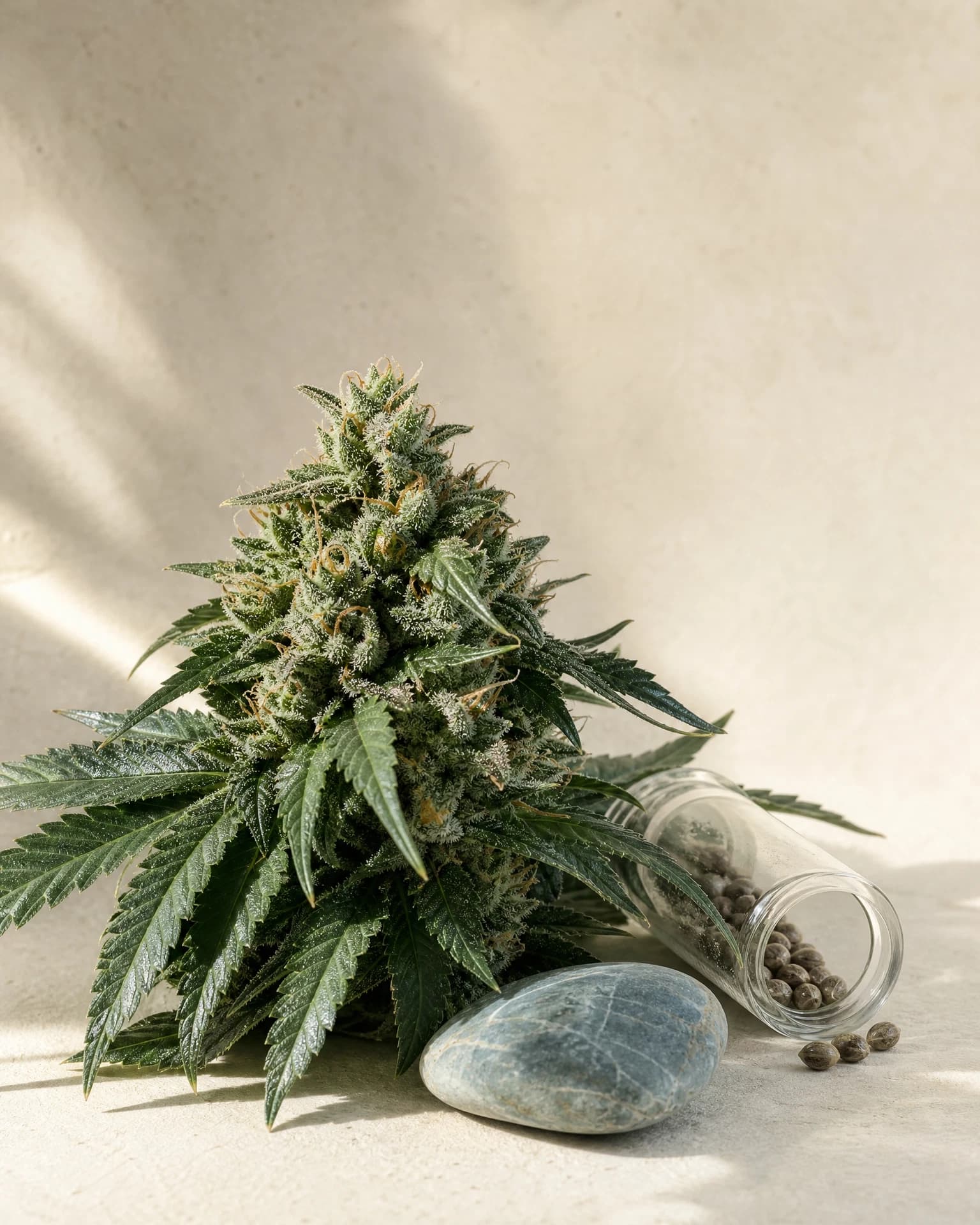
Fruity Pebbles is identified as an Indica-dominant hybrid cultivar, frequently categorized within the broader cannabis market as an Indica-leaning variety. The specific record for this cultivar indicates that it is also known as Fruity Pebbles OG, or FPOG. This plant is characterized by a medium to tall physical structure and is noted for producing colorful buds. According to available breeder documentation, the cultivar generally requires a flowering period of between 8 and 10 weeks to reach maturity. While various sources provide information on this strain, the data is primarily centered on its status as a hybrid with a specific genetic lineage involving several well-known parent plants. The availability of this cultivar is largely restricted to feminized seed formats, which are designed to ensure that the resulting plants are female. Understanding the Fruity Pebbles strain requires a careful look at the available technical data, as many common details regarding its specific chemical composition or exact growth requirements are not always present in every breeder record.
When examining the Fruity Pebbles flowering time, it is clear that this cultivar falls into a standard range for many modern hybrids. A window of 8 to 10 weeks allows for a degree of variation depending on the specific environmental conditions and the individual phenotype being grown. This timeframe is a key piece of information for those looking to integrate this cultivar into a broader cultivation schedule. The record emphasizes that this plant is not a short, compact variety, but rather one that reaches a significant height, which may influence how it is positioned within a growing space. The mention of colorful buds suggests a visual complexity that is often sought after in hybrid cultivars, though the record does not specify the exact hues or patterns that may emerge during the late stages of the flowering cycle.
Genetics and cultivar background
The Fruity Pebbles genetics are documented as a complex cross involving three primary parent strains: Green Ribbon, Granddaddy Purple, and Tahoe Alien. Some variations in the record suggest that the Tahoe Alien component may also be described as a cross between Tahoe OG and Alien Kush. This multi-generational lineage places Fruity Pebbles within a specific category of hybrids that draw from diverse genetic pools. The resulting plant is classified as an Indica-dominant hybrid, with a typical ratio of 55% Indica and 45% Sativa. This balance indicates a slight lean toward the Indica side of the spectrum, though the Sativa influence remains significant enough to affect the overall structure and growth patterns of the plant.
Understanding the background of a cultivar like this involves recognizing the role of each parent strain in the final genetic makeup. Green Ribbon, Granddaddy Purple, and Tahoe Alien each contribute to the heritage of Fruity Pebbles, creating a hybrid that is distinct from its individual ancestors. The record does not provide specific details on which traits are inherited from which parent, but the combination of these three lines is what defines the FPOG identity. When a breeder lists a lineage like this, it serves as a roadmap for the plant's potential, even if the specific outcomes can vary between different seed lots or individual plants. The classification of 55% Indica and 45% Sativa is a mathematical representation of this heritage, offering a general guide to the plant's biological tendencies.
In the broader context of cannabis breeding, the creation of a three-way cross is a common method for stabilizing certain traits while introducing new variations. The inclusion of Tahoe Alien or the Tahoe OG and Alien Kush combination suggests a focus on integrating specific regional genetics into the more widely known lines of Green Ribbon and Granddaddy Purple. This genetic background is the foundation upon which all other characteristics of the Fruity Pebbles strain are built. Without this specific lineage, the cultivar would not be identified as FPOG. The record focuses strictly on these genetic markers, leaving out more speculative details about the history of the breeding process or the specific individuals responsible for its creation.
Plant profile and grow planning
The physical profile of Fruity Pebbles is described as medium to tall, a detail that has significant implications for how the plant is managed throughout its life cycle. A tall plant structure often requires more vertical space and may necessitate specific training techniques to ensure even light distribution and manageable growth. Because the record specifies this height, it is a primary factor in planning the cultivation environment. The transition from the vegetative stage to the flowering stage is marked by a shift in the plant's energy, eventually leading to the development of the colorful buds mentioned in the verified facts. This visual trait is a defining characteristic of the cultivar's physical appearance during the final weeks of growth.
Planning for a flowering period of 8 to 10 weeks involves setting clear expectations for the plant's development. During this time, the Fruity Pebbles strain will undergo the complex biological processes required to produce mature flowers. The medium to tall structure suggests that the plant may continue to stretch significantly after the light cycle is changed, a common trait in hybrids with a substantial Sativa component. Growers must account for this potential increase in height when determining when to initiate the flowering phase. The record's mention of feminized seeds also simplifies the planning process, as it removes the need to identify and remove male plants, which would otherwise be a requirement in a standard seed population.
Growers should also consider the implications of a 55% Indica and 45% Sativa split on the plant's overall morphology. While the Indica dominance might suggest a certain degree of sturdiness, the tall structure is a clear indicator of the Sativa influence. This combination means that the plant may have longer internodal spacing than a pure Indica, which can affect how the colorful buds are distributed along the branches. The 8 to 10 week flowering window is a broad enough range to accommodate different growing styles, whether one is focused on maximizing the visual appeal of the buds or ensuring the plant reaches its full height potential. The lack of specific climate or nutrient data in the record means that these aspects of grow planning must be approached with general best practices in mind, rather than cultivar-specific instructions.
Aroma and flavor profile
The documentation for Fruity Pebbles does not provide specific descriptors for its aroma or flavor, despite the suggestive nature of its name. In the absence of direct sensory data from the breeder record, it is important to understand how these profiles are typically established and communicated. In the cannabis industry, the name of a cultivar is often a marketing tool that may or may not reflect the actual chemical composition of the plant's terpenes. Terpenes are the organic compounds responsible for the scent and taste of the flowers, and their presence is influenced by both genetics and environmental factors. Without a laboratory analysis or a specific list of terpenes in the record, any claims about the specific scent of Fruity Pebbles would be speculative.
The mention of colorful buds in the verified facts is a significant visual marker that often correlates with the presence of certain pigments, such as anthocyanins. These pigments can produce shades of purple, blue, or red, and their expression is frequently triggered by temperature changes during the flowering cycle. While the record does not link these colors to specific flavors or aromas, the visual complexity of the plant is a documented feature. When researching a cultivar, it is a standard practice to look for these types of physical descriptions, as they provide a baseline for what to expect during the final stages of growth. However, the lack of specific flavor notes in the official record means that a researcher must remain focused on the available botanical data rather than making assumptions based on the cultivar's title.
Understanding the limitations of aroma data in breeder records is a vital skill for any serious researcher. Many records focus on the primary growth characteristics and genetic lineage, leaving the more subjective sensory details to be filled in by user reports or third-party reviews. In this case, the record for Fruity Pebbles stays strictly within the bounds of its genetic and physical traits. This approach ensures that the information provided is grounded in the plant's biological reality rather than marketing language. When a record is silent on a specific topic, such as the exact scent profile, it indicates a gap in the verified data that should be acknowledged rather than ignored.
Reported experience context
The reported experience for Fruity Pebbles is framed by its classification as an Indica-dominant hybrid with a 55% Indica and 45% Sativa ratio. This nearly balanced split suggests a cultivar that incorporates elements from both sides of the cannabis spectrum. In general, the experience of a hybrid is determined by the interaction of its specific cannabinoid profile and its terpene content, both of which are absent from this record. Because the record does not list specific effects, medical applications, or potency levels, the context for the experience must be derived from the plant's known genetic structure and its classification.
When a plant is described as Indica-dominant, it typically implies a certain set of biological tendencies that may influence the user's perception. However, the 45% Sativa influence is substantial enough to suggest that the plant's characteristics are not one-dimensional. The experience of any cannabis cultivar is highly subjective and can vary based on the individual's physiology, the method of consumption, and the specific batch of the plant. Without verified data on the THC or CBD content of Fruity Pebbles, it is impossible to make definitive statements about its strength or the nature of its impact. The record provides the genetic foundation, but it does not extend into the sphere of specific user outcomes.
The absence of experience-related data in a breeder record is a common occurrence, especially for cultivars that are primarily marketed for their growth traits or visual appeal. For the researcher, this means that the focus must remain on the plant as a botanical entity. The 8 to 10 week flowering time and the tall structure are the most reliable indicators of the plant's nature provided in the record. These facts offer a clear picture of the plant's life cycle, but they do not provide a window into the subjective experience of the final product. By sticking to the verified facts, one avoids the pitfalls of anecdotal evidence and maintains a high standard of accuracy in describing the cultivar.
How to compare current breeder records
Evaluating a breeder record for a cultivar like Fruity Pebbles requires a systematic approach to data verification. A breeder record is a technical document that outlines the known characteristics of a plant, but it is rarely exhaustive. When comparing records from different sources, the first step is to identify the core facts that are consistent across all platforms. In the case of Fruity Pebbles, the genetic lineage of Green Ribbon, Granddaddy Purple, and Tahoe Alien is a consistent marker, as is the 8 to 10 week flowering time. These are the "anchor facts" that define the cultivar across the industry.
Once the anchor facts are established, the researcher must then look for areas of disagreement or omission. For example, the record for Fruity Pebbles mentions that some sources describe the Tahoe Alien parent as a cross of Tahoe OG and Alien Kush. This type of detail is a minor variation, but it highlights the importance of checking multiple sources to get a complete picture of the plant's heritage. A researcher should also be aware of what is missing from a record. If a source does not list a specific height or a specific seed format, it does not necessarily mean those traits do not exist; it simply means they have not been verified by that particular breeder.
Another key aspect of comparing records is understanding the source of the data. Some records are based on direct laboratory testing and years of stable breeding, while others may be more descriptive and based on general observations. The record for Fruity Pebbles includes a caveat about the accessibility of certain product pages, which is a vital piece of information. It reminds the researcher that the digital availability of a strain's data can change, and that some retailers may only reference a strain as a parent rather than offering it as a standalone product. This level of transparency is essential for maintaining the integrity of the research process.
Finally, a researcher should use the available data to form a set of objective questions rather than drawing premature conclusions. If a record states that a plant is "tall," the researcher should ask what specific height range that implies in different environments. If a record mentions "colorful buds," the researcher should investigate the conditions that lead to color expression. By treating the breeder record as a starting point for further inquiry rather than a final destination, one can develop a much deeper and more accurate understanding of the Fruity Pebbles strain and its place in the wider cannabis market.
The information provided in this guide is strictly bounded by the available record for the Fruity Pebbles cultivar. This record is based on data from several key sources, including three primary retailers that provide direct product pages for the strain. However, one must consider the limitations of this data set. The record includes a specific caveat regarding the accessibility of information from other retailers. For instance, while one well-known industry source is included in the research, their current documentation only references Fruity Pebbles as a parent strain or within the context of blog content, rather than as a primary product. This distinction is important for researchers who may be looking for a direct source of the cultivar's genetics.
Furthermore, the record highlights a challenge with another documented retailer, where product pages were found to be inaccessible despite appearing in search results. This type of technical barrier is a common issue in the digital research of cannabis cultivars, where pages may be moved, renamed, or removed without notice. The absence of data from these sources means that certain details, such as specific growth tips or customer reviews, are not included in this verified guide. The reliance on accessible and direct product pages ensures that the information presented here is as accurate as possible, but it also means that the scope of the guide is limited to what can be independently verified.
The verified facts for Fruity Pebbles, including its genetic lineage of Green Ribbon, Granddaddy Purple, and Tahoe Alien, and its 8 to 10 week flowering time, represent the most reliable data available at the time of this report. Any details not present in this record—such as specific aroma descriptions, potency levels, or detailed cultivation instructions—have been omitted to maintain the integrity of the evidence-bounded approach. This methodology prioritizes accuracy over completeness, ensuring that every claim made about the Fruity Pebbles strain is supported by a direct and verifiable source. Researchers are encouraged to use this guide as a foundation and to remain aware of the specific caveats and data limits outlined in these record caveats.
Given the specific data provided for Fruity Pebbles, several areas remain open for further investigation. One of the most prominent questions involves the exact chemical profile of the cultivar. While we know it is an Indica-dominant hybrid, the specific percentages of THC, CBD, and other cannabinoids are not listed. Researching the typical ranges for the parent strains—Green Ribbon, Granddaddy Purple, and Tahoe Alien—could provide some clues, but it would not be a substitute for a direct analysis of the FPOG cultivar itself. Understanding how these genetic components interact to produce a final chemical output is a complex area of study that requires access to detailed laboratory reports.
Another area for research is the environmental influence on the plant's physical structure. The record describes the plant as medium to tall, but it does not specify how different lighting systems, nutrient regimens, or training techniques might affect this growth. For instance, does the plant respond better to high-intensity discharge lighting or LED systems? Are there specific nutrients that enhance the development of the colorful buds mentioned in the verified facts? These are technical questions that go beyond the basic breeder record and require either first-hand experimentation or access to detailed cultivation logs.
The flowering time of 8 to 10 weeks also invites further inquiry. Is the variation in this window due to different phenotypes, or is it a result of environmental factors like temperature and humidity? Researching the specific flowering behaviors of the parent strains might reveal whether the 8-week or 10-week mark is more common for this particular hybrid. Additionally, the mention of colorful buds raises questions about the specific pigments involved and whether they are a consistent trait across all phenotypes of Fruity Pebbles. By identifying these gaps in the current knowledge, a researcher can focus their efforts on finding the most relevant and impactful information.
Lastly, the status of the cultivar's availability in different markets is a practical research question. The record mentions that some retailers only reference the strain as a parent, which suggests that the pure Fruity Pebbles genetics might be becoming less common or are being integrated into new hybrids. Investigating the current state of the seed market and the reputation of the breeders who still offer the original FPOG lineage is a necessary step for anyone looking to understand the cultivar's current standing. These related research questions ensure that the study of Fruity Pebbles remains an active and ongoing process rather than a static collection of facts.
Frequently asked questions
What is the Fruity Pebbles strain?
This guide summarizes the documented cultivar record while separating verified details from variable grower outcomes.
Is Fruity Pebbles suitable for beginners?
Difficulty depends on the exact seed line, environment, and grow setup. Confirm current breeder guidance.
How long does Fruity Pebbles take to flower?
Flowering windows vary by phenotype and environment. Confirm the estimate for the exact breeder line.
Can Fruity Pebbles be grown indoors and outdoors?
Suitability depends on the breeder line and local climate. Compare space, humidity, temperature, and season length.
Which Fruity Pebbles seed format should I choose?
Autoflower and feminized formats serve different schedules and grow styles. Compare only documented direct records.