
Strain guide
Gelonade Strain Guide: Citrus aroma and grower notes
Gelonade is documented here with partner-source cultivar context, seed-format availability, and secondary-topic research cues.
Overview
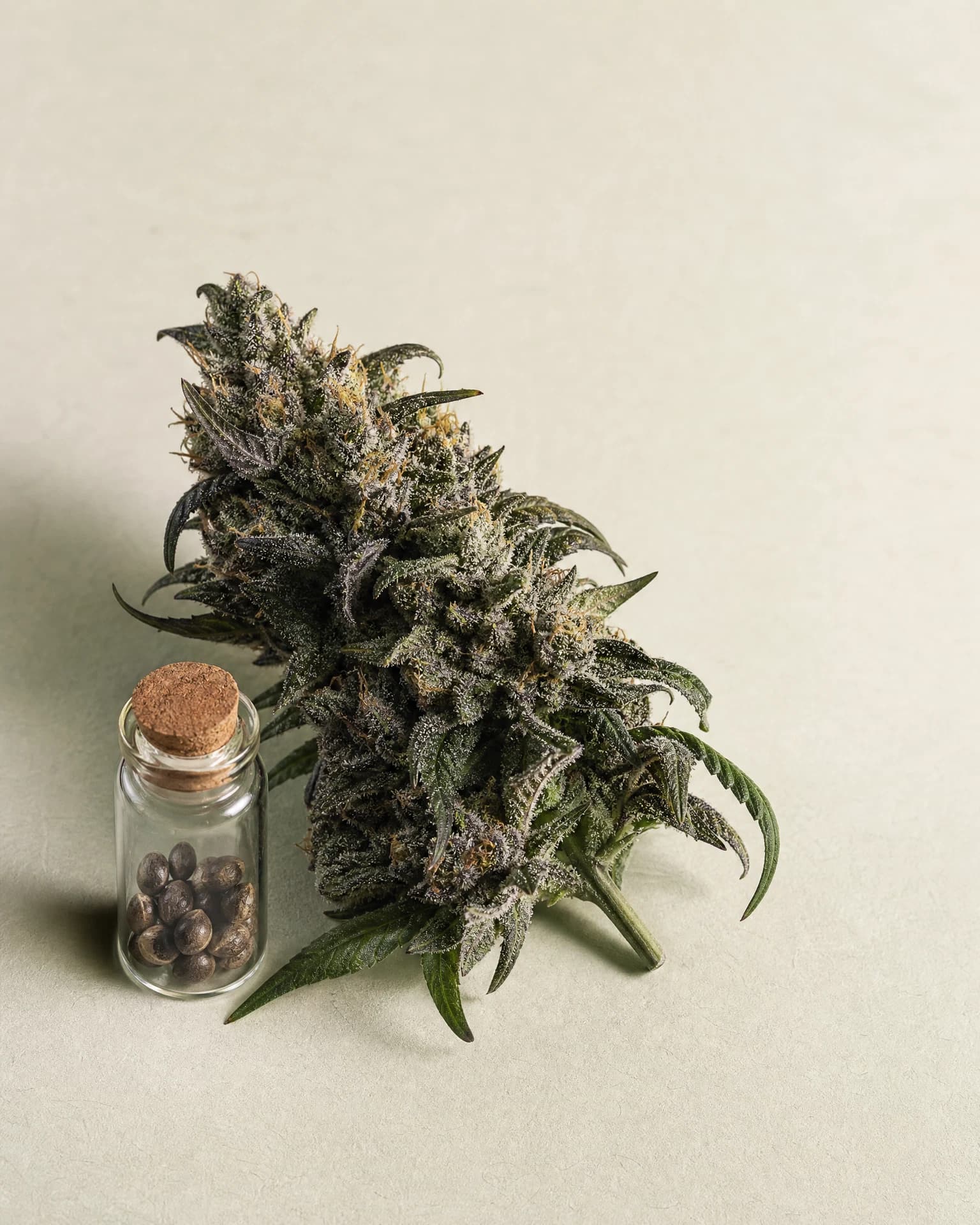
Gelonade is a Sativa-dominant hybrid cultivar that appears in contemporary botanical records as a cross between Lemon Tree and Gelato #41. According to verified data, the plant is typically categorized as having a Sativa-leaning profile, often cited as approximately 70% Sativa in its genetic composition. This specific cultivar is documented to have a flowering duration ranging between 8 and 10 weeks, during which it develops into a tall plant structure characterized by significant resin production. The terpene profile associated with this cultivar is described as being citrus and dessert-forward, reflecting its parentage. While the name itself may suggest certain sensory attributes, the technical data focuses on these specific structural and chemical markers to define the cultivar within the broader context of hybrid development.
The study of breeder records for a cultivar like the gelonade strain requires a careful examination of the available data points provided by various retailers and seed banks. In many instances, the information presented to the public is limited to a few key metrics: lineage, flowering time, and plant height. These metrics serve as the primary framework for understanding how a plant might behave in a controlled environment. However, the absence of more detailed information—such as specific cannabinoid percentages or comprehensive terpene breakdowns—means that a researcher must rely on these foundational facts to form a preliminary assessment. The record for Gelonade genetics highlights the importance of distinguishing between verified botanical facts and the marketing language often found in the retail space.
When evaluating a cultivar record, it is necessary to consider the source of the data and the consistency of the claims made across different platforms. The current record for this cultivar shows a relatively high level of agreement on the primary genetics and the general growth habit. However, as noted in the source caveats, discrepancies can exist even within a single provider's documentation. This reality highlights the necessity for a rigorous approach to data collection, where each claim is weighed against the total body of evidence. For the purpose of this guide, only the facts that have been cross-referenced and verified are included, ensuring that the description remains grounded in the available botanical record rather than speculative assumptions.
The role of a strain guide is to provide a clear and objective summary of what is known about a particular plant. In the case of the gelonade genetics, the known quantities include a specific lineage and a set of growth characteristics that define its place in the market. By focusing on these elements, the guide avoids the pitfalls of anecdotal reporting and instead offers a technical overview that can be used for further research. This approach is particularly important for individuals who are looking for reliable information in an industry where data can often be fragmented or contradictory. The following sections will provide a more detailed look at the genetics, growth patterns, and source data for this specific cultivar.
Genetics and cultivar background
The genetic foundation of Gelonade is rooted in a cross between two well-known parent cultivars: Lemon Tree and Gelato #41. This combination results in a Sativa-dominant hybrid that maintains a 70% Sativa and 30% Indica ratio, according to the available botanical records. The lineage of a cultivar is one of the most significant pieces of information in a breeder record, as it provides a roadmap for the plant's likely characteristics. In the case of this cultivar, the lineage involves two distinct parents that contribute to the overall profile described in the botanical record. Understanding the lineage helps researchers identify the potential chemical and structural traits that the plant has inherited.
The genetic equation involves Lemon Tree and Gelato #41 as the primary contributors to the hybrid's makeup. When these two are crossed, the resulting hybrid exhibits a blend of attributes that are documented in the breeder record. The breeder record for Gelonade genetics confirms this expectation, listing the terpene profile as citrus and dessert-forward. This genetic background is the primary reason for the cultivar's classification and its popularity among those who study hybrid genetics. The stability of these traits depends on the quality of the breeding process and the specific phenotypes selected by the breeder.
The process of hybridizing cannabis involves selecting parent plants with desirable traits and crossing them to produce a new generation with a unique combination of those traits. In the case of the gelonade strain, the goal appears to have been the creation of a Sativa-dominant plant that retains the resinous qualities of its parents. The tall structure and 8-10 week flowering time are typical of Sativa-leaning hybrids, which often require more time to mature than their Indica-dominant counterparts. These genetic markers are not just labels; they represent the biological reality of the plant's growth cycle and its physical form. By analyzing the genetics, one can gain a deeper understanding of how the cultivar fits into the wider genealogy of modern hybrids.
It is also important to consider the concept of genetic stability when reviewing a cultivar's background. A stable hybrid is one that consistently produces offspring with the same traits as the parents. While the record for this cultivar indicates a consistent lineage across several major seed banks, the presence of internal data conflicts in some sources suggests that there may be variations in how the plant is represented. This highlights a common challenge in the botanical study of these plants: the need for standardized reporting and clear genetic documentation. For now, the cross of Lemon Tree and Gelato #41 remains the definitive genetic marker for this cultivar, providing a solid basis for further inquiry and cultivation planning.
Plant profile and grow planning
The physical profile of Gelonade is characterized by a tall growth habit and a significant degree of resin production. These traits are closely linked to its 70% Sativa genetic makeup, as Sativa-leaning plants are known for their tendency to stretch during the flowering phase. A tall plant structure requires specific considerations during the planning process, particularly for those working in indoor environments where vertical space may be limited. The 8-10 week flowering duration is another key factor in the plant's profile, indicating a moderate to long maturation period that is typical for a hybrid of this type. During this time, the plant focuses its energy on developing the resinous flowers that define the cultivar's physical appearance.
Planning for a cultivar with a tall structure involves more than just ensuring there is enough ceiling height. It also requires an understanding of how the plant's architecture affects light penetration and airflow. Tall plants can often create shadows for lower branches, which may lead to uneven development if not managed correctly. The resinous nature of the plant also suggests that it may have specific needs regarding humidity and temperature during the final stages of flowering. Resin is a biological defense mechanism for the plant, but it also contains the majority of the terpenes and other compounds that are of interest to researchers. The presence of significant resin is a hallmark of the gelonade genetics and is a primary focus of the breeder records.
The flowering context of 8-10 weeks provides a window for when the plant will reach full maturity. This period is a critical phase in the life cycle of a photoperiod plant, as it transition from vegetative growth to reproductive development. In a controlled environment, this transition is triggered by a change in the light cycle, whereas in an outdoor setting, it occurs naturally as the days become shorter. The fact that Gelonade genetics are primarily available in feminized format simplifies the planning process, as it eliminates the need to identify and remove male plants. However, the 8-10 week timeframe still requires patience and careful monitoring to ensure that the plant reaches its full potential.
When comparing different breeder records for this cultivar, the tall structure and resinous profile are two of the most consistent data points. This consistency suggests that these are stable traits that a researcher can expect to see in a typical specimen. However, the lack of specific yield data or detailed growth requirements in the current record means that some aspects of the plant's development remain unknown. In such cases, it is helpful to look at general best practices for Sativa-dominant hybrids, which often benefit from techniques that manage height and encourage lateral growth. By focusing on the known structural facts, a clear picture of the plant's physical profile begins to emerge, allowing for more informed planning and research.
Aroma and flavor profile
The aroma and flavor of Gelonade are described in technical records as being citrus and dessert-forward. This description is a direct reflection of the cultivar's parentage, combining the sharp, acidic notes often found in Lemon Tree with the sweeter, more complex notes associated with Gelato #41. In the context of a breeder record, these terms are used to categorize the primary sensory experience of the plant's resinous flowers. The citrus component is typically linked to terpenes like limonene, while the dessert-forward notes may involve a combination of caryophyllene, linalool, or other compounds that create a sweet, creamy, or dough-like scent.
Understanding the aroma profile of a cultivar involves more than just identifying individual scents; it also requires an appreciation of how these scents interact to create a cohesive profile. A "dessert-forward" profile is a relatively modern classification that has become popular with the rise of the Gelato and Cake lineages. It suggests a level of sweetness that is distinct from the fruity or floral notes found in other cultivars. When this is combined with a strong citrus element, the result is a profile that is often described as being reminiscent of a citrus-flavored confection. The record for the gelonade strain focuses on these two primary categories, providing a baseline for what a researcher can expect to encounter.
The flavor profile of a plant is closely tied to its aroma, as the two are both products of the plant's terpene and flavonoid content. However, the way a flavor is perceived can be influenced by a variety of factors, including how the plant was grown and how the flowers were cured. While the breeder record provides a general description, it does not account for the subtle variations that can occur between different phenotypes or growing conditions. The fact that the profile is consistently described as citrus and dessert-forward across multiple sources suggests that these are the dominant traits of the cultivar. These sensory attributes are a key part of the cultivar's identity and are often the primary reason for its selection in breeding programs.
For researchers and enthusiasts, the aroma and flavor profile of a cultivar like Gelonade genetics serves as a chemical signature. By studying these profiles, one can learn more about the underlying genetics and the potential applications of the plant. The citrus and dessert notes are not just pleasant scents; they are indicators of the plant's complex chemical makeup. As the botanical study of these plants continues to evolve, the ability to accurately describe and categorize these profiles will become increasingly important. For now, the description provided in the verified record remains the most reliable source of information for those looking to understand the sensory characteristics of this specific Sativa-dominant hybrid.
Reported experience context
The reported experience context for Gelonade is primarily defined by its Sativa-leaning profile, which is documented as being approximately 70% Sativa and 30% Indica. In the broader botanical classification of hybrid cultivars, these percentages are used to provide a general indication of the plant's inherited traits and its likely growth patterns. While many retail descriptions often include detailed accounts of the effects or sensations associated with a cultivar, the verified record for this specific plant does not contain such claims. Instead, it focuses on the structural and genetic data that define its classification. This absence of effect-based data is an important distinction for researchers who are looking for objective, evidence-bounded information.
Interpreting a "70% Sativa" label requires an understanding of how these classifications are determined. In many cases, these numbers are based on the lineage of the plant and the observed characteristics of the phenotypes produced during the breeding process. Sativa-dominant hybrids are often associated with certain physical traits, such as the tall structure and longer flowering time noted in the gelonade genetics. However, the chemical composition of the plant—including its cannabinoid and terpene levels—is what ultimately determines the experience of the final product. Without specific data on these chemical markers in the current record, the Sativa-leaning label serves as a general guide rather than a definitive predictor of the plant's impact.
The lack of reported effects in the verified record also highlights a significant gap in the available data for many modern cultivars. While anecdotal reports are common in the community, they often lack the scientific rigor required for a formal botanical guide. For the purpose of this article, the focus remains strictly on the facts present in the breeder record. This means that instead of describing how the plant might make a person feel, the guide provides information on the plant's lineage, structure, and aroma. This approach ensures that the information provided is accurate and verifiable, allowing the reader to draw their own conclusions based on the technical data.
When researching a new cultivar like the gelonade strain, it is helpful to look at how similar hybrids are categorized. Many 70/30 Sativa-dominant crosses are prized for their unique combination of traits, but the specific expression of these traits can vary widely. The resinous nature of this plant, combined with its citrus and dessert-forward profile, suggests a complex chemical makeup that is characteristic of high-quality modern hybrids. By focusing on these verifiable data points, researchers can build a more accurate profile of the plant without relying on subjective or unverified claims. The reported experience context, therefore, is one of technical classification and genetic potential.
How to compare current breeder records
The process of comparing breeder records for a cultivar like Gelonade is a fundamental skill for any serious botanical researcher. In an industry where data is often decentralized and inconsistent, the ability to identify reliable facts and flag discrepancies is essential. The current record for this cultivar provides a perfect example of why this process is necessary. By examining the data from multiple retailers, we can see a general consensus on the primary genetics—Lemon Tree crossed with Gelato #41—and the Sativa-dominant profile. However, a deeper look reveals that not all sources are in complete agreement on every detail, which is where the real work of comparison begins.
One of the most effective ways to compare records is to create a matrix of the key data points: lineage, flowering time, plant height, seed format, and profile. When these points are laid out side-by-side, it becomes easier to spot outliers. For example, if three sources list a flowering time of 8-10 weeks but a fourth lists 6-7 weeks, the researcher must investigate the discrepancy. In the case of the gelonade strain, the 8-10 week window is well-supported, but the source caveats mention an "internal data conflict" at one specific retailer. This retailer listed the strain as both Indica-dominant/Autoflowering and Sativa-dominant/Photoperiod in different parts of its documentation. This kind of error is a significant red flag and highlights the danger of relying on a single source of information.
Evaluating the quality of a breeder record also involves looking at what is not said. A high-quality record will often include detailed information on the terpene profile, cannabinoid content, and specific growth requirements. A lower-quality record may rely on generic marketing language and lack technical depth. When comparing Gelonade genetics across different platforms, the presence of specific descriptors like "citrus and dessert-forward" is a good sign, as it indicates a more detailed understanding of the plant's chemistry. However, the absence of specific THC percentages or yield data in the verified record means that these are areas where the researcher must exercise caution. It is better to acknowledge a lack of data than to accept unverified claims as fact.
The role of caveats and record caveats cannot be overstated in the comparison process. These notes provide the necessary context for the data and explain the limitations of the research. For this cultivar, the fact that one major retailer was inaccessible due to IP restrictions and another had internal conflicts is a vital part of the story. It tells the reader that the data is not perfect and that further investigation may be required. By being transparent about these limitations, a guide becomes a more valuable tool for the researcher. The goal of comparing records is not just to find the "correct" answer, but to understand the range of information available and to make an informed judgment based on the total body of evidence.
Furthermore, the methodology for verifying botanical claims should be systematic. A researcher should start with the most reputable and long-standing sources, then move to newer or more specialized retailers to see if the data holds up. In the case of gelonade genetics, the cross-referencing of several major seed banks provides a solid foundation. If a new source appears with wildly different claims, it should be treated with skepticism until it can be independently verified. This evidence-bounded approach is the only way to ensure that the information being shared is accurate and reliable. In a field that is rapidly evolving, the commitment to data integrity is what separates a professional guide from a collection of anecdotes.
The information presented in this guide is derived from a cross-section of available breeder records and retail data for Gelonade. Every effort has been made to ensure that only verified facts are included, and that any discrepancies or limitations in the data are clearly noted. The primary sources for this cultivar include major seed banks and retailers that provide technical specifications for the seeds they offer. However, the research process identified several challenges that must be acknowledged to provide a complete and honest picture of the available evidence.
One significant challenge was the presence of internal data conflicts at one major retailer, where the cultivar was inconsistently labeled as both Indica-dominant/Autoflowering and Sativa-dominant/Photoperiod. In such cases, the conflicting data was flagged, and the consensus from other sources was used to determine the most likely classification. Additionally, the inability to access certain sources, such as a secondary source, due to technical restrictions meant that the total pool of data was slightly smaller than initially planned. These caveats are not just footnotes; they are a critical part of the evidence-bounded methodology used to create this guide.
The reliance on verified facts means that many common but unverified claims—such as specific THC percentages or detailed effect descriptions—have been omitted. While this may result in a more concise profile, it ensures that the information provided is reliable and grounded in the botanical record. The goal of this approach is to provide a technical overview of the Gelonade genetics that can be used as a basis for further research and cultivation. By being transparent about the sources and the limitations of the data, this guide aims to set a high standard for accuracy and integrity in the study of hybrid cultivars.
The current record for Gelonade provides a solid starting point for understanding the cultivar, but it also leaves several important questions unanswered. These gaps in the data represent opportunities for further research and investigation. For example, while the terpene profile is described as citrus and dessert-forward, the specific terpenes responsible for these scents are not listed. A researcher might ask: what are the primary terpenes in this cultivar, and how do their concentrations compare to the parent plants, Lemon Tree and Gelato #41? Answering this question would require access to lab testing results, which are not included in the current breeder records.
Another area for further inquiry is the plant's cannabinoid profile. The record classifies the plant as Sativa-leaning and resinous, but it does not provide specific percentages for THC, CBD, or other cannabinoids. Knowing these levels is essential for understanding the plant's chemical potency and its potential applications. A researcher might look for third-party lab reports or more detailed breeder documentation to fill in this information. Similarly, the lack of specific yield data—both indoor and outdoor—is a common omission in many records. Finding reliable data on how much flower the plant produces under different conditions would be a valuable addition to the botanical profile of the gelonade strain.
The growth requirements of the plant also warrant more detailed study. While we know the plant is tall and has an 8-10 week flowering time, we do not know its specific preferences for nutrients, light intensity, or climate. Does it perform better in a Mediterranean climate, or is it more suited to a controlled indoor environment? Are there specific pests or diseases that the gelonade genetics are particularly susceptible to? These are the kinds of technical details that a cultivator needs to be successful, but they are often missing from the initial retail records. Investigating these questions involves looking for grow journals, breeder interviews, and other more detailed sources of information.
Finally, the question of genetic stability and phenotype variation is always relevant when studying a modern hybrid. How much variation is there between different seeds from the same batch? Are there specific phenotypes that lean more toward the Lemon Tree parent, and others that lean more toward Gelato #41? Understanding this variation is key to identifying the most desirable traits for future breeding projects. By identifying these related research questions, this guide provides a roadmap for those who want to go beyond the basic facts and gain a deeper understanding of the cultivar. The pursuit of this information is what drives the continued evolution of botanical science in this field.
Frequently asked questions
What is the Gelonade strain?
This guide summarizes the documented cultivar record while separating verified details from variable grower outcomes.
Is Gelonade suitable for beginners?
Difficulty depends on the exact seed line, environment, and grow setup. Confirm current breeder guidance.
How long does Gelonade take to flower?
Flowering windows vary by phenotype and environment. Confirm the estimate for the exact breeder line.
Can Gelonade be grown indoors and outdoors?
Suitability depends on the breeder line and local climate. Compare space, humidity, temperature, and season length.
Which Gelonade seed format should I choose?
Autoflower and feminized formats serve different schedules and grow styles. Compare only documented direct records.