
Strain guide
Green Crack Strain Guide: Citrus aroma and grower notes
Green Crack is documented here with partner-source cultivar context, seed-format availability, and secondary-topic research cues.
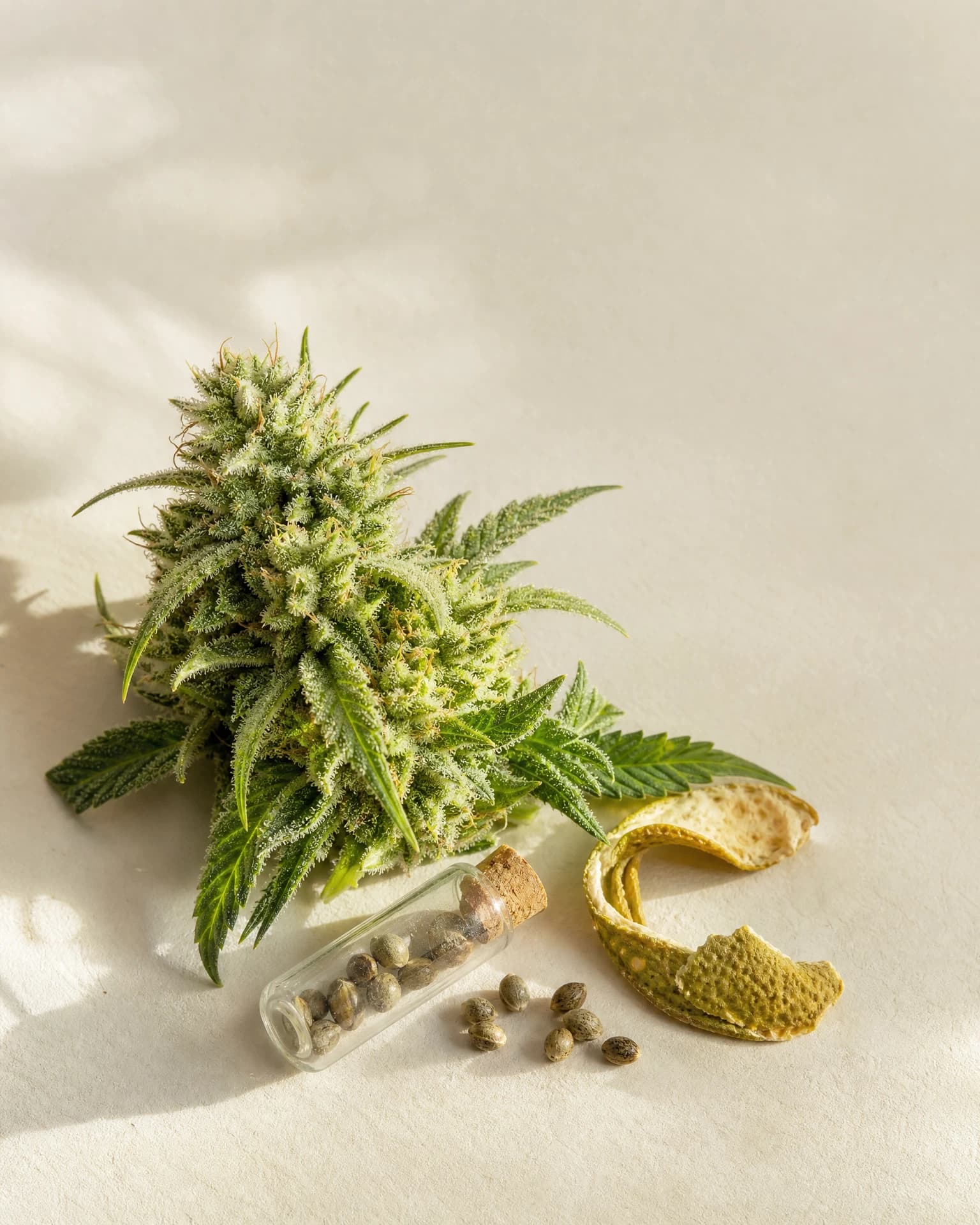
Overview
The green crack strain represents a specific category of cannabis genetics characterized by a sativa-dominant profile. According to available breeder records, this cultivar typically presents a composition that is sixty-five percent sativa, positioning it as a hybrid that leans toward the characteristics associated with narrow-leafed varieties. The lineage of the green crack strain is rooted in a cross between Skunk #1 and an Afghani landrace, a combination that brings together diverse geographic origins within its genetic foundation. Growers who engage with Green Crack genetics can expect a flowering period that spans between seven and ten weeks, depending on the specific selection and environmental conditions provided during the cultivation process. The terpene profile associated with this cultivar is frequently described as featuring citrus and mango notes, providing a distinct olfactory signature that differentiates it from other hybrids in the same category.
Accessing this cultivar is possible through multiple seed formats, specifically feminized and autoflower options. These formats allow for different cultivation strategies, catering to various levels of expertise and facility requirements. The presence of both photoperiod-dependent feminized seeds and day-neutral autoflower seeds suggests a level of stabilization that permits these distinct reproductive traits. While the primary facts regarding its heritage and basic growth requirements are documented across several major retail and breeder platforms, there remains a degree of variation in the physical descriptions provided by these sources. This guide focuses on the documented attributes found within verified records, avoiding anecdotal claims or external data not present in the primary source material.
Genetics and cultivar background
The genetic background of the green crack strain is defined by two primary ancestors: Skunk #1 and an Afghani landrace. Understanding these two pillars of cannabis breeding provides context for how this hybrid was constructed, although the specific breeding history and the identity of the original breeder are not detailed in the current record. Skunk #1 is a foundational hybrid that has been used in countless breeding programs since the late twentieth century, known for its relative stability and its role in establishing the modern hybrid category. The inclusion of an Afghani landrace suggests the introduction of genetics from the Hindu Kush region, a mountainous area known for producing plants with specific resin characteristics and structural traits that differ significantly from equatorial varieties.
By combining these two lineages, breeders created a sativa-dominant hybrid that retains a significant portion of its sativa heritage while incorporating the influence of the Afghani parent. The resulting sixty-five percent sativa dominance indicates a plant that likely exhibits growth patterns and physiological responses more closely aligned with sativa varieties than pure indica ones. However, the thirty-five percent indica influence from the Afghani and Skunk #1 components provides a genetic counterbalance. When evaluating the genetics of a cultivar like this, it is necessary to recognize that "sativa-dominant" is a classification based on observed traits and chemical profiles rather than a strict taxonomic definition. The interaction between Skunk #1 and Afghani genetics creates a specific genetic blueprint that serves as the basis for the various versions of Green Crack genetics available on the market today.
Plant profile and grow planning
Planning for the cultivation of the green crack strain requires a careful examination of the flowering context and the physical structure of the plant. The recorded green crack flowering time is listed as a range between seven and ten weeks. This three-week window is significant for growers, as it indicates that different phenotypes or environmental factors can substantially alter the duration of the reproductive phase. A seven-week flowering period is relatively fast for a sativa-dominant hybrid, whereas a ten-week period aligns more closely with traditional sativa growth cycles. Growers must monitor their plants closely to determine the precise point of maturity, as relying on a single fixed date may lead to harvesting before or after the ideal window.
Regarding the physical structure of the cultivar, the record indicates a significant lack of consensus among sources. Descriptions of plant height vary from short specimens reaching approximately three feet to much larger plants that may require significant vertical space. Because of this variation, the record advises growers to check their specific breeder source for more precise data on the expected morphology of their particular seeds. A plant that stays at three feet is well-suited for small indoor tents or discreet outdoor gardens, while a large plant would require different training techniques and space considerations. This discrepancy highlights the importance of phenotype selection and the influence of the specific seed producer on the final expression of the plant's architecture. Without a unified description of the plant's branching, node spacing, or leaf structure in the record, growers should prepare for a range of possible outcomes during the vegetative and flowering stages.
Aroma and flavor profile
The sensory attributes of the green crack strain are primarily defined by its terpene profile, which is reported to feature citrus and mango notes. In a general botanical context, citrus aromas are often associated with specific organic compounds that provide a sharp or acidic scent, while mango notes are typically linked to sweeter, resinous aromatic profiles. The combination of these two profiles creates a complex olfactory experience that is often described as bright and fruity. In the context of a breeder record, these descriptors serve as a guide for what a consumer or grower might expect when the plant reaches maturity and its secondary metabolites are fully developed.
Flavor and aroma in cannabis are the result of the plant's chemical synthesis during the flowering stage, influenced by both genetics and the environment in which the plant is grown. The citrus-mango profile indicates a specific direction for the cultivar's chemical expression, though the intensity and specific nuances of these flavors may vary. For instance, some phenotypes might lean more heavily toward the sharp, acidic notes of citrus, while others might express the sweeter, more resinous qualities of mango. Because the record does not provide a full breakdown of the terpene percentages or the presence of minor terpenes, the citrus and mango description remains the primary factual basis for understanding the cultivar's flavor profile. This focus on fruit-forward aromas is a common characteristic among many sativa-leaning hybrids, yet it remains a distinguishing feature for this specific genetic line.
Reported experience context
The current record for the green crack strain does not provide specific details regarding the physiological or psychological effects reported by users. In the absence of this data, it is useful to discuss the general context of how experience is reported and evaluated in the cannabis industry. When a cultivar is described as sativa-dominant, users often anticipate a specific range of experiences, but these expectations are not always met due to the complex interaction between cannabinoids, terpenes, and individual biology. The sixty-five percent sativa dominance of this cultivar suggests a particular genetic lean, but without documented testing or standardized user reports in the record, any specific claims about its effects would be speculative.
Understanding the context of a cannabis experience requires looking beyond simple classifications. Factors such as the maturity of the plant at harvest, the methods used for curing and storage, and the method of consumption all play a role in the final outcome. For a reader researching the green crack strain, the lack of specific effect data in the record serves as a reminder to approach anecdotal reports found elsewhere with caution. Factual records prioritize verifiable data over subjective descriptions, and the omission of effects in this particular record indicates a commitment to evidence-bounded reporting. Readers are encouraged to consider how the citrus-mango terpene profile might interact with the plant's hybrid nature, while acknowledging that the specific experience remains an undocumented variable in this factual summary.
How to compare current breeder records
Evaluating cannabis breeder records requires a critical eye, especially when sources provide conflicting information. In the case of the green crack strain, there is a notable disagreement regarding the plant's height and its flowering time. One source might describe the plant as a short, three-foot variety, while another might categorize it as a large plant. Similarly, the flowering window of seven to ten weeks is broad enough to encompass several different growth strategies. These discrepancies are not necessarily errors; rather, they reflect the inherent variability in cannabis genetics and the different ways that breeders may have selected and stabilized their specific versions of a cultivar.
To effectively compare these records, a researcher should look for the commonalities while noting the outliers. The lineage of Skunk #1 and Afghani is a consistent point across most records, suggesting a high degree of certainty regarding the cultivar's ancestry. The sativa-dominant classification is also a shared attribute. When faced with varying data on height or flowering time, it is best to treat these as ranges rather than fixed points. A responsible approach to grow planning involves preparing for the maximum possible height and the longest possible flowering time, while remaining flexible if the plant matures faster or stays smaller. By understanding that breeder records are often summaries of observed traits rather than absolute biological laws, growers can better manage the complexities of selecting and cultivating specific strains.
The information provided in this guide is strictly bounded by the data present in the verified record for the green crack strain. A significant caveat noted in the source material is the variation in descriptions across different platforms. While the lineage of Skunk #1 and Afghani is widely accepted, the physical characteristics of the plant—specifically its height and the exact duration of its flowering phase—are subject to disagreement. The record explicitly mentions that height can range from a compact three feet to a much larger stature, and flowering times can fluctuate between seven and ten weeks. These variations highlight the limitations of relying on a single source for cultivar information and emphasize the need for growers to consult their specific seed provider for the most accurate data.
Furthermore, several aspects of the green crack strain remain undocumented in this record. There is no information regarding the specific cannabinoid percentages, such as THC or CBD levels, nor is there data on the specific effects or medical applications of the cultivar. Details about the plant's morphology, such as leaf shape, bud density, or nodal distance, are also absent, with the record advising a check of current breeder sources for these details. The absence of this information is a deliberate omission to maintain the integrity of the evidence-bounded approach. This guide does not infer traits based on the cultivar's name or its general classification, instead relying solely on the facts provided. The citrus-mango terpene profile and the availability of feminized and autoflower seeds are the primary confirmed attributes, serving as the foundation for this technical overview.
When investigating a cultivar like the green crack strain, several questions arise that can help a researcher or grower gather more precise information. First, what specific phenotype of the Skunk #1 and Afghani cross is being offered by a particular seed bank? Because "Green Crack" is a name used by many different producers, the exact genetic expression can vary significantly between brands. Second, what are the environmental conditions that lead to a seven-week flowering time versus a ten-week flowering time? Understanding the impact of light intensity, nutrient regimens, and temperature on maturation can help a grower optimize their schedule.
Third, how does the citrus-mango terpene profile change throughout the curing process? Secondary metabolites are volatile, and the way a plant is handled after harvest can significantly impact its final aroma and flavor. Fourth, for the autoflower version of the strain, what is the expected duration of the vegetative stage before the automatic flowering trigger occurs? This information is vital for timing transplants and training. Finally, are there specific lab results available for a particular batch of seeds that show the cannabinoid and terpene concentrations? While general records provide a baseline, batch-specific data offers the most accurate picture of what a specific plant will produce. Asking these questions allows a researcher to move beyond the generalities of a standard record and gain a deeper understanding of the genetic material they are working with.
Frequently asked questions
What is the Green Crack strain?
This guide summarizes the documented cultivar record while separating verified details from variable grower outcomes.
Is Green Crack suitable for beginners?
Difficulty depends on the exact seed line, environment, and grow setup. Confirm current breeder guidance.
How long does Green Crack take to flower?
Flowering windows vary by phenotype and environment. Confirm the estimate for the exact breeder line.
Can Green Crack be grown indoors and outdoors?
Suitability depends on the breeder line and local climate. Compare space, humidity, temperature, and season length.
Which Green Crack seed format should I choose?
Autoflower and feminized formats serve different schedules and grow styles. Compare only documented direct records.