
Strain guide
Hidden Vice Strain Guide: Source-backed cultivar record profile and grower notes
A source-aware guide built from Seedsupreme’s public feminized record and practical breeder-comparison context.
Overview
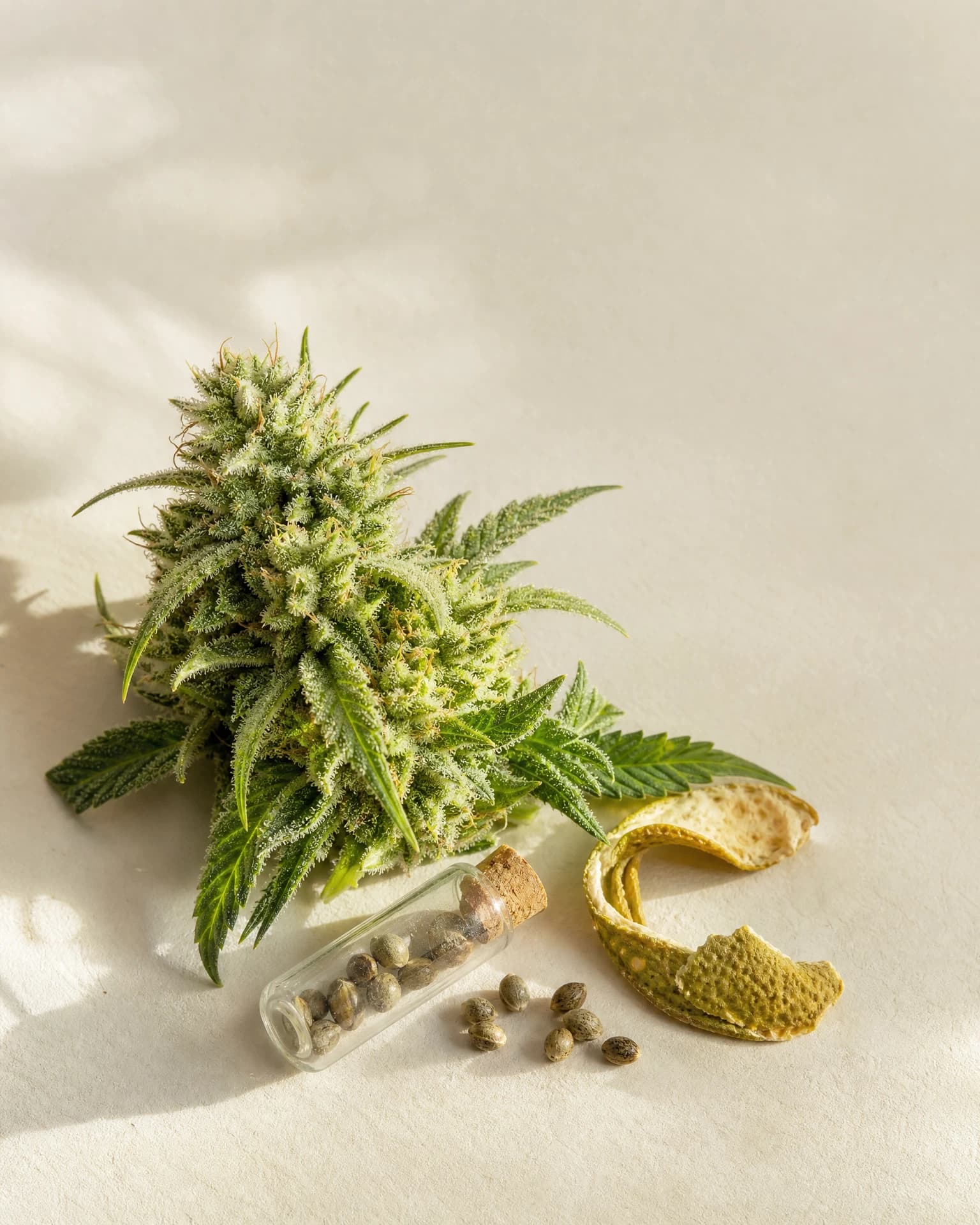
Seedsupreme’s public product entry for Hidden Vice lists this cultivar as a feminized seed and names Jealousy, Gary Payton, and Fizzy Gum as the parental lines. The same record characterizes Hidden Vice as a tall, high‑THC hybrid with creamy, fruity flavor notes and generous harvest potential. If you’re researching Hidden Vice genetics for a planned run or comparison shopping, this guide walks through what the public record does and does not say, how to interpret the supplied labels, and the practical checks to perform before you buy or plan a grow.
This guide is written to help experienced and intermediate growers read breeder records critically. It keeps cultivar-specific statements strictly to the items reported in the public product record described above, and shows how to fill gaps in a verifiable way: what to request from the breeder, what documents and independent tests to seek, and how to compare different records so you can make an informed decision without relying on unverifiable claims.
Genetics and cultivar background
What the public record lists
- Seedsupreme’s product description attributes three named parent lines to Hidden Vice: Jealousy, Gary Payton, and Fizzy Gum. That parentage is supplied in the public entry.
- The product is described as a hybrid derived from those lines.
What the entry does not provide (and how to check)
- The public entry does not document the cross type (for example, whether Hidden Vice is an F1 hybrid, an F2, a backcross, or a stabilized line). To assess stability and what that parentage implies, you should request the breeder’s genotype/lineage notes. Useful items to ask for include:
- A pedigree diagram or written explanation showing how the three parent lines were combined (e.g., Jealousy x (Gary Payton x Fizzy Gum), or a multi‑generation backcross).
- The generation designation (F1, F2, BC1, etc.). This tells you how much segregation to expect among offspring.
- The number of phenotypes observed during the breeding run and whether the breeder selected and stabilized a particular phenotype.
- The public record does not include breeder history or reputation details. To evaluate that, look for:
- A breeder profile page with a description of their breeding program and other stable varieties.
- Independent mentions of the breeder and cultivar in grower forums, seedbank audits, or third‑party breeding reviews.
- The public record does not include genetic confirmation (e.g., marker testing). If genetic verification matters to you:
- Ask if the breeder has performed or can provide genetic marker testing or SNP comparisons to the parent lines.
- Request any lab reports used to confirm parent identity during the cross.
How to interpret parent names
- Parent strain names in a product record are labels: they identify which lines the breeder claims were used. Because strain names are reused and relabeled across the market, treat naming as the starting point, not definitive proof. Prioritize breeders who publish objective supporting data (pedigrees, pheno photos, COAs for parents) when lineage is important to your selection.
Red flags and positive indicators in breeder records
- Red flags: ambiguous pedigrees with no generation information; no documentation that the parent strains used were themselves stable and verified; no images or grow logs from test runs.
- Positive indicators: clear generation labeling (e.g., F1), multiple pheno photographs with notes on the breeder’s selection criteria, and willingness to supply lab COAs or independent grow trials.
Plant profile and grow planning
What the public record lists
- The product record characterizes Hidden Vice as “tall.” It also lists the seed format as Feminized in the supplied record fields.
What the entry does not provide (and how to obtain the missing specifics) The public listing does not include actionable cultivation metrics such as flowering time, typical final height numbers, stretch factors, expected canopy shape, or recommended pot sizes. These are the key operational details you should collect before committing to a run. Use the following checklist and comparison method when the breeder record lacks these specifics:
Checklist: cultivation details to request from the breeder
- Expected flowering period (weeks) for photoperiod grows, and whether indoor/outdoor timing differs.
- Estimated vegetative duration recommendation (how many weeks to veg before flipping for photoperiod setups).
- Typical stretch ratio during the first weeks of flower (for planning vertical space).
- Average and extreme final height ranges under common cultivation protocols (indoor 12/12 from clone, indoor veg 4–6 weeks, outdoor in a temperate climate).
- Typical internode spacing and branching pattern (single cola, multi‑branch, bushy).
- Preferred or tested training techniques (low‑stress training, topping, main‑lining) and sample outcomes.
- Suggested container sizes or whether breeder observed performance in specific pot sizes.
- Any known tendencies toward hermaphroditism or sex reversions from test runs.
- Nutrient regime notes and common deficiencies or sensitivities observed during pheno hunts.
- Pest and disease susceptibility notes from the breeder’s tests.
How to use the answers to plan your run
- Space planning: with “tall” listed, assume conservative vertical clearance until you obtain measured height ranges. If a breeder can’t give a height range, consult independent grow journals where the cultivar appears and note indoor heights versus outdoor maxes.
- Training and support: for cultivars described as tall, prepare trellises or stakes and plan for training to control canopy height and light penetration. When breeder data on branch strength or bud weight are absent, use general supports early in flower.
- Light and pot sizing: without breeder pot size recommendations, use container volumes appropriate for your target veg period and expected height—larger pots for longer veg and potentially taller strains.
- Ventilation and defoliation: don’t rely on inferred airflow needs from the “tall” label alone. Ask if the breeder observed dense foliage that required extra airflow and pruning.
Comparing multiple records
- When you research more than one seed source, place breeder-supplied cultivation metrics side‑by‑side: reported flowering weeks, height ranges, and training recommendations. Consistency across multiple independent reports adds confidence; wide discrepancies signal significant phenotype variability or incomplete stabilization.
Risk management for unknowns
- If the breeder does not supply necessary grow metrics, manage risk by starting with a small test pack or single‑plant run to identify phenos before scaling.
- Use controlled conditions for your first plants: predictable light schedules, consistent medium, and a nutrient program you can reproduce, so observations are attributable to the cultivar rather than environmental variation.
Aroma and flavor profile
What the public record lists
- The public product description characterizes the cultivar’s flavors as creamy and fruity. It also labels the hybrid as having a notable sensory profile.
What the listing does not provide (and how to verify sensory claims)
- The public entry does not include terpene profiles, GC‑MS lab data, or multiple independent tasting reports. To evaluate aroma and flavor claims, follow these steps:
- Request terpene lab reports (GC‑MS)
- Ask the breeder for recent gas chromatography–mass spectrometry (GC‑MS) results or terpene breakdowns for representative phenotypes. A terpene COA will show the percentage of key compounds (limonene, myrcene, linalool, caryophyllene, etc.) and total terpene percentage, which helps explain "fruity" or "creamy" descriptors.
- Compare terpene results to descriptive labels
- Fruity notes commonly correspond with terpenes like limonene, terpinolene, and certain esters, while creamy or dairy‑like notes sometimes correlate with linalool or specific sesquiterpenes in certain combinations. Use terpene breakdowns as objective data to back sensory claims, not as the sole determinant—percentages below a threshold may not translate to a pronounced aroma in practice.
- Look for multiple phenotype reports
- Request or search for multiple pheno tasting notes and cure-condition details. Aroma and flavor change with curing and storage: ask the breeder whether the provided sensory descriptors correspond to fresh cured buds, cured and dried material, or processed concentrates.
- Evaluate how curing and storage affect descriptors
- Terpene volatility means scent diminishes with improper curing and storage. Ask the breeder for their recommended cure and packaging approaches used for the test sample that produced the described flavors.
How to weigh sensory claims
- Treat single-source tasting descriptors as a starting point. Prefer cultivars where sensory descriptors are supported by terpene COAs for at least one representative pheno and where the breeder can explain which phenotype produced the tasting notes pictured or reported.
Reported experience context
What the public record lists
- The public entry describes Hidden Vice as a high‑THC hybrid.
What the listing does not provide (and how to verify potency and experience-related claims)
- The public record does not publish cannabinoid lab results, batch COAs, or clinical data. A “high‑THC” characterization in a product description is a qualitative label that requires objective confirmation if potency matters to your selection. Use the following verification steps:
- Request cannabinoid COAs
- Ask for a lab certificate of analysis (COA) tied to a specific batch or phenos tested by an accredited laboratory. A valid COA includes the tested batch identifier, testing date, lab accreditation, and a clear breakdown of major cannabinoids (THC, THCA, CBD, CBG, etc.).
- Check COA details for chain of custody
- Confirm the COA references the specific harvested lot, not a generic or anonymized sample. Good COAs will show harvest dates, sample preparation notes, and testing methodology.
- Understand within‑cultivar variation
- Potency can vary between phenotypes, grow conditions, and individual plants. Ask the breeder how many plants were tested and whether the COA represents an average, a high outlier, or a single sample.
- Look for multiple COAs and grow trials
- The most reliable records will include COAs from more than one harvest or pheno, and independent grower reports corroborating potency ranges.
Responsible language and expectations
- The phrase “high‑THC” in the product entry is a descriptor; it does not substitute for batch‑specific, laboratory‑verified numbers. Avoid treating such labels as guaranteed values. If cannabinoid content is central to your cultivation or consumption goals, require COAs before purchase.
How to compare current breeder records
A systematic comparison framework When you compare Hidden Vice records to other candidate cultivars or to other seedbank listings of the same name, use a structured approach. The following framework helps you weigh evidence, identify gaps, and prioritize breeders or seedbanks that present transparent, verifiable information.
- Confirm the source and publication date
- Always note where the record is published (breeder name, seedbank) and when it was last updated. Genetic claims and COAs can change with new runs; prefer records that show update timestamps.
- Look for objective documentation
- Priority items:
- Pedigree diagrams and generation labels.
- COAs for cannabinoids and terpene profiles tied to specific harvests.
- Pheno photographs taken at standard stages (late veg, early flower, late flower) with scale and metadata (date, grow conditions).
- Clear lab accreditation and chain of custody on testing reports.
- Count and compare phenotypes reported
- A breeder record that lists how many phenotypes were observed during selection—and ideally shows example pheno images for each—gives you a sense of expected variability. Compare the number of phenos across different records for the same name; consistent reporting suggests more transparency.
- Check for corroborating independent reports
- Look for independent growers’ logs and forum threads that document runs with conditions similar to yours. Independent records that match breeder claims strengthen credibility; divergences suggest either environmental sensitivity or unstable genetics.
- Validate breeder communication responsiveness
- Contact the breeder with specific, concise questions (see sample queries below). A prompt, evidence‑based reply that provides supporting documents is a strong signal of a professional operation.
- Verify legal and intellectual property notes
- Some breeders note whether seeds are sold for personal use only or whether they restrict breeding or commercial propagation. Check the breeder’s terms of sale and clarify licensing if your intent is to breed, resell, or commercialize plants.
- Compare germination policies and guarantees
- Germination guarantees, return policies, and seed replacement offers differ widely. Compare the terms and check for exact language: what documentation is required for a claim, and are shipping and handling covered?
- Evaluate packaging and traceability
- Look for batch numbers, lot IDs, and packaging photos that show security seals or packaging dates. Strong traceability practices make it easier to map COAs to a purchased lot.
Sample queries to send to a breeder or seedbank
- “Please provide the generation (F1, F2, BC#) and a brief pedigree diagram showing how Jealousy, Gary Payton, and Fizzy Gum were combined to produce Hidden Vice.”
- “Can you supply COAs for cannabinoids and terpenes associated with a specific seed lot or harvest that produced the sensory profile described on your product page?”
- “How many phenotypes were observed during your selection process, and can you share representative photos and notes for each pheno?”
- “What were the observed ranges for flowering time, indoor final height, and common training recommendations in your trial runs?”
- “Do you provide a germination guarantee for this SKU, and if so, what is the claim process?”
Interpreting responses
- Objective, referenced documents are preferable to anecdotal explanations.
- If a breeder supplies only single-sample COAs or unverifiable claims, ask follow‑up questions about sample size and whether the COA is representative.
- If responses are evasive or inconsistent, treat the public record label (for example, “high‑THC” or “feminized”) as unconfirmed until you receive supporting documents.
Final selection considerations
- Decide which data points are must‑have for your goals (e.g., COAs for potency, flowering time within a specific range, feminized format) and require those before purchase.
- Use small test grows when breeder records lack specific metrics, and scale only after you document how Hidden Vice behaves in your setup.
- Keep a log comparing breeder claims to your observed results; that documentation helps you evaluate future seed purchases from the same source.
Concluding guidance
Seedsupreme’s public product entry gives you a compact initial portrait of Hidden Vice: a feminized line reported as the result of crosses involving Jealousy, Gary Payton, and Fizzy Gum, described as tall, with creamy and fruity flavor character and “high‑THC” positioning. Beyond those supplied labels, the record lacks the detailed cultivation metrics, lab results, and stability documentation that make a seed decision low‑risk.
Use the procedures described above to transform a marketing description into an evidence‑based purchasing decision: request pedigrees and generation info, ask for COAs tied to lot identifiers, obtain phenotypic photos and counts, and verify germination and return policies. When breeders supply consistent, verifiable data and respond to direct queries, you reduce the unknowns and can plan a grow with appropriate space, training, and testing strategies. If such documentation isn’t available, proceed with a controlled, small-scale test run and document outcomes so your own records can serve as the primary verification for future purchases.
Frequently asked questions
What is the Hidden Vice strain?
This guide summarizes the documented cultivar record while separating verified details from variable grower outcomes.
Is Hidden Vice suitable for beginners?
Difficulty depends on the exact seed line, environment, and grow setup. Confirm current breeder guidance.
How long does Hidden Vice take to flower?
Flowering windows vary by phenotype and environment. Confirm the estimate for the exact breeder line.
Can Hidden Vice be grown indoors and outdoors?
Suitability depends on the breeder line and local climate. Compare space, humidity, temperature, and season length.
Which Hidden Vice seed format should I choose?
Autoflower and feminized formats serve different schedules and grow styles. Compare only documented direct records.