
Strain guide
Khalifa Kush Strain Guide: Lemon aroma and grower notes
Khalifa Kush is documented here with partner-source cultivar context, seed-format availability, and secondary-topic research cues.
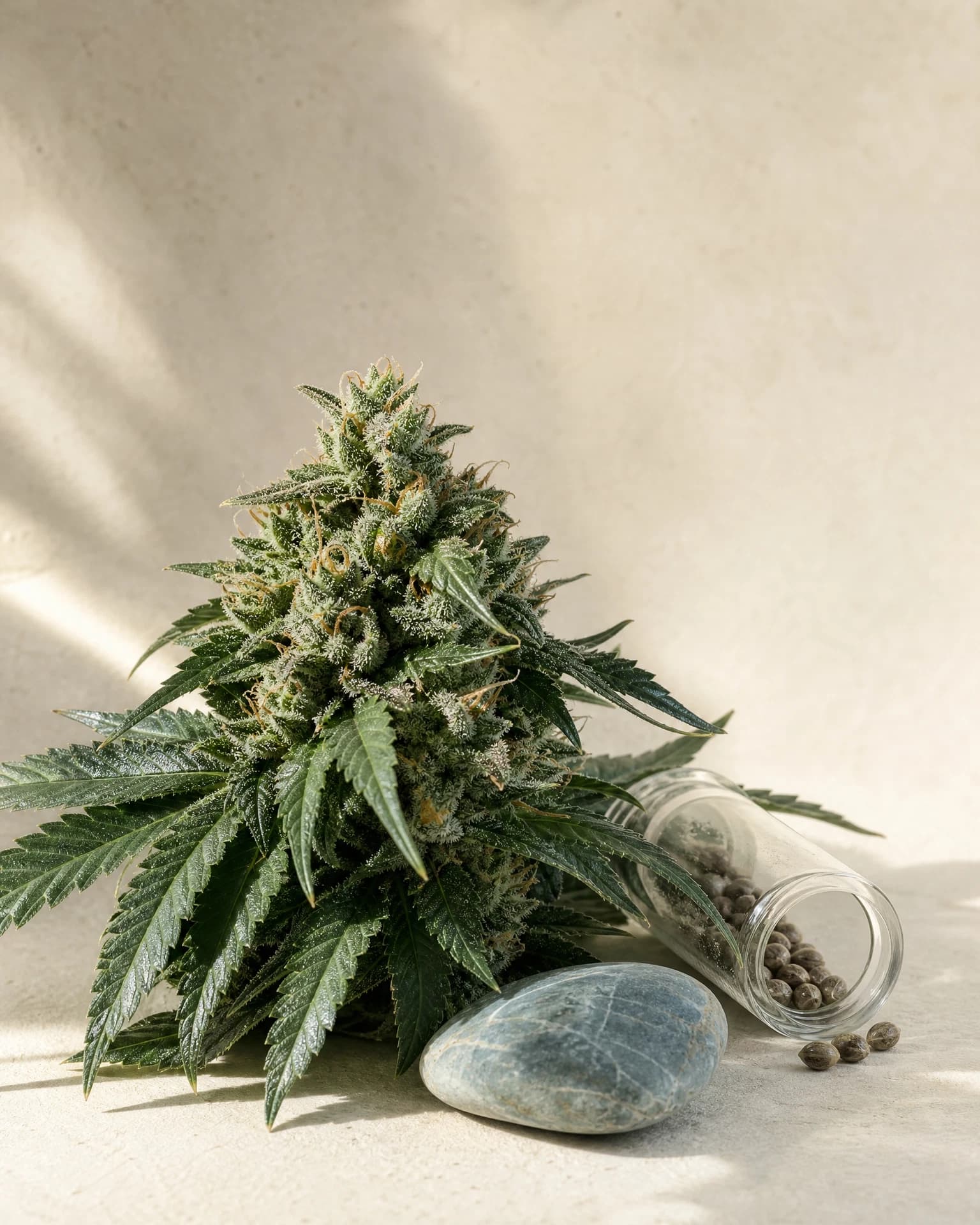
Overview
When reviewing a cultivar like the khalifa kush strain, a researcher must look at the specific data points provided by breeders and retailers to understand the expected characteristics of the plant. The record for this particular variety indicates an 80% indica-dominant hybrid profile, which generally suggests certain growth habits and physical traits common to such lineages. In the context of the cannabis industry, these records serve as a primary reference for cultivators who are trying to decide which seeds to acquire for their specific environment. It is common for different sources to provide slightly different data, and this specific record shows that while some retailers offer feminized photoperiod seeds, others list an autoflowering version. This variation highlights the need for a careful examination of the available seed formats before beginning a project.
Understanding the limitations of a single record is a fundamental part of responsible research. The data provided here includes specific flowering times, plant height estimates, and chemical profile ranges that are intended to guide the user. However, these figures are often averages or best-case scenarios reported under specific controlled conditions. A researcher should treat these numbers as a baseline rather than a guarantee of performance. For example, a flowering window of 8 to 10 weeks is a standard range for many hybrids, but the actual time to maturity can be influenced by environmental factors such as light cycles, nutrient availability, and temperature. By focusing on the verified facts within a record, a grower can build a realistic expectation of the cultivar's requirements and potential outcomes.
The process of evaluating a cultivar involves looking beyond the name and into the technical specifications. The Khalifa Kush genetics available on the market today are often marketed with high THC claims, which in this record are listed between 26% and 30%. This puts the cultivar in a high-potency category, which is a significant factor for many users. However, a responsible researcher will also note the absence of certain data points, such as specific terpene percentages or detailed minor cannabinoid profiles, which are not present in this record. The goal of this guide is to provide a clear view of what is known based on the supplied evidence, while also explaining how to interpret such information in a broader botanical and agricultural context.
The importance of verifying claims cannot be overstated in an industry where marketing often precedes scientific documentation. When a record identifies a specific lineage or a celebrity association, it adds a layer of cultural context, but the botanical facts remain the most reliable guide for cultivation. By analyzing the plant structure, flowering time, and seed formats, a researcher can develop a plan that accounts for the physical needs of the plant. This evidence-based approach minimizes the risks associated with starting a new project and allows for a more professional and systematic evaluation of the available genetics.
Genetics and cultivar background
The genetic history of a cultivar provides the foundation for its physical and chemical properties. According to the record, the khalifa kush strain originated from the OG Kush lineage, specifically identifying a South Florida OG cut as a key ancestor. OG Kush is a foundational name in modern cannabis breeding, known for contributing specific structural and aromatic traits to its descendants. The identification of a specific regional cut like the South Florida OG suggests a focused breeding effort to stabilize certain characteristics that are prized in that particular line. When a breeder specifies a cut rather than just a general strain name, it indicates a higher level of detail in the genetic documentation, though the exact breeding process remains a proprietary or undocumented aspect in many cases.
This cultivar was specifically bred for the rapper Wiz Khalifa, which places it in a category of "celebrity" or "signature" strains. In the cannabis industry, such associations often drive market interest, but from a technical perspective, the focus remains on the plant's performance. The 80% indica-dominance is a defining feature of its background, suggesting that the breeding goals were likely centered on creating a plant with the compact structure and dense bud formation typically associated with indica-heavy genetics. The record does not provide a full genealogical chart, which is common in the industry where precise lineage can be obscured or simplified for marketing purposes. Therefore, a researcher must rely on the stated ancestor—OG Kush—to infer the general botanical category of the plant.
When researching the background of a cultivar, it is useful to consider the broader history of the parent strains. OG Kush, for instance, has a long history of being used as a building block for numerous award-winning hybrids. The South Florida OG cut is often cited in breeding circles as having a distinct profile that differs from other OG variants found in California or elsewhere. By using this specific cut, the breeders of this strain have targeted a particular expression of the OG lineage. However, without further details on the secondary parent or the number of backcrossing generations, the background remains limited to these specific verified facts. A researcher should avoid filling in these gaps with outside information, as the goal is to evaluate the specific record at hand.
The concept of a "cut" refers to a specific phenotype that has been preserved through cloning. When a breeder uses a cut as the basis for a new seed line, they are attempting to translate the traits of that specific mother plant into a stable seed form. This process involves multiple steps of selection and stabilization, which are not detailed in the current record. However, the mention of the South Florida OG cut provides a specific starting point for anyone interested in the botanical history of this variety. By understanding the general characteristics of the OG Kush family, such as its typical growth habits and chemical tendencies, a researcher can place this specific cultivar within a broader context while still adhering to the facts provided in the record.
Plant profile and grow planning
Planning a cultivation project requires a detailed understanding of the plant's physical structure and its developmental timeline. The record for the khalifa kush strain describes the plant structure as short to medium, with a specific height reaching approximately 1.5 meters or 4.9 feet. This height is relatively manageable for indoor growers with limited vertical space, but it still requires consideration for light penetration and airflow. A short to medium stature is often indicative of an indica-leaning growth pattern, where the plant tends to grow outwards with thick stems and broad leaves rather than stretching significantly during the flowering phase.
The flowering period is another component of grow planning. This record states a flowering context of 8 to 10 weeks. For a photoperiod plant, this is the time elapsed after the light cycle is switched to 12 hours of darkness. For an autoflowering version, which this record notes is available from at least one source, the timeline would be different, usually measured from germination to harvest. However, the 8 to 10 week range provided here is a standard metric for the flowering phase itself. Cultivators must plan their nutrient schedules and environmental controls to support the plant through this window, ensuring that the conditions remain stable to avoid stress that could lead to reduced yields.
The buds of this cultivar are described as dense, which is a common trait for indica-dominant hybrids. Dense buds require careful management of humidity levels, especially during the final weeks of flowering. High density can trap moisture, increasing the risk of mold if the air circulation is inadequate. Therefore, a grow plan for any plant with these characteristics should prioritize ventilation and possibly the use of dehumidifiers to maintain an optimal environment. The record also mentions a compact and sturdy build, which suggests the plant can support the weight of its dense flowers without excessive need for external support like trellising, though such methods are often beneficial for maximizing light exposure in any garden.
When preparing to grow a strain with a high THC potential like 26-30%, the cultivator must also consider the metabolic demands of the plant. High cannabinoid production often requires a precise balance of macro and micronutrients. While this record does not specify a feeding schedule, the general knowledge of indica-dominant hybrids suggests a need for consistent nitrogen in the vegetative stage and increased phosphorus and potassium during the flowering stage. A researcher should look for these technical details in breeder-specific manuals, while recognizing that the current record provides the essential physical benchmarks—height, structure, and timing—needed to begin the planning process.
Aroma and flavor profile
The sensory characteristics of a cultivar are defined by its terpene profile, which is responsible for the specific scents and tastes experienced by the user. For the khalifa kush strain, the record identifies a flavor profile dominated by pine, lemon, earth, and sour notes. These descriptions are common in the OG Kush lineage, where the presence of specific terpenes like pinene, limonene, and myrcene is often suspected, although this record does not explicitly list the terpene concentrations. Pine notes are generally associated with a fresh, forest-like scent, while lemon and sour notes provide a citrusy, acidic edge to the overall profile. The earthy undertones ground these sharper scents, creating a complex aromatic experience that is a hallmark of high-quality cannabis.
When a record lists specific flavors like "lemon" or "sour," it is describing the chemical interaction between the plant's volatile organic compounds and the human olfactory system. These descriptions are subjective to some extent, as different individuals may perceive scents differently based on their own sensory sensitivity. However, the consistency of these reports across different retailers suggests a stable genetic expression of these traits. A researcher should understand that the intensity of these aromas can be heavily influenced by the curing process. Even if a plant has the genetic potential for a strong pine and lemon profile, improper drying or storage can lead to the loss of these volatile compounds, resulting in a less distinct flavor.
In the context of evaluating a breeder record, the flavor profile serves as a secondary indicator of the plant's chemical complexity. While THC percentages often get the most attention, the aromatic profile is what many connoisseurs use to judge the quality and authenticity of a specific cut. The "sour" note mentioned in the record is particularly interesting, as it often indicates a specific sub-set of terpenes that are common in the broader "diesel" or "kush" families. By documenting these notes, the record provides a roadmap for what a user should expect when the flower is properly prepared. A researcher should always look for these descriptive markers as they provide a more complete picture of the cultivar than raw potency numbers alone.
Furthermore, the relationship between aroma and potency is a subject of ongoing research. While a strong scent does not always guarantee a high THC level, it is often an indicator of a well-grown and healthy plant. In this record, the combination of a 26-30% THC range and a multi-faceted flavor profile suggests a cultivar that has been bred for overall quality. A researcher should consider how these aromatic traits might vary depending on the growing medium used. For example, plants grown in organic soil may express different nuances of the earthy and sour notes compared to those grown in hydroponic systems. Understanding these variables is part of the broader education required for anyone studying cannabis genetics and their expression.
Reported experience context
The reported experience of a cultivar is often summarized by its cannabinoid content and its general botanical classification. The record for the khalifa kush strain indicates a high THC content, ranging from 26% to 30%. In the modern cannabis market, this range is considered very high, placing the cultivar among the most potent options available to consumers. THC, or delta-9-tetrahydrocannabinol, is the primary psychoactive compound in the plant, and its concentration is a major factor in how the effects are perceived. However, the record does not provide specific data on CBD or other minor cannabinoids, which can also play a role in the overall experience through the interaction of different compounds.
Because this cultivar is an 80% indica-dominant hybrid, the reported experience is typically framed within the context of what indica-heavy strains are known for. Generally, such varieties are associated with a more physical or relaxing effect compared to sativa-dominant ones. However, a responsible researcher will avoid making definitive claims about the "feeling" of the strain, as these experiences are highly individual. The high THC levels suggest that the experience will be intense, and users should approach such potency with an understanding of their own tolerance levels. The record’s focus on the 26-30% range serves as a technical benchmark for the plant's chemical potential under optimal growing and testing conditions.
When interpreting potency data, it is also important to consider the testing methodology used by the laboratories that provided these figures. Cannabinoid testing can vary between facilities, and the numbers reported by breeders are often the highest results achieved in a series of tests. This means that a consumer might see lower percentages in a retail setting depending on the specific batch and the age of the product. The reported experience context is therefore a blend of the plant's genetic potential and the variables of the supply chain. By sticking to the verified facts in the record, we can state that the cultivar has the capacity for high THC production, which is a primary characteristic of its market identity.
In addition to potency, the context of the experience is also shaped by the cultural background of the strain. The association with Wiz Khalifa adds a layer of celebrity endorsement that influences how the cultivar is perceived and marketed. For many users, this connection is a significant part of the experience, even if it does not change the botanical facts of the plant. A researcher should distinguish between these marketing elements and the technical data provided in the record. While the celebrity name may attract attention, the 80% indica-dominance and the specific flavor notes are the factors that will ultimately determine the user's experience.
How to compare current breeder records
In the modern cannabis industry, a researcher will often find that different breeders and retailers provide varying data for the same cultivar. This is particularly true for a high-profile variety like the khalifa kush strain. When comparing these records, it is necessary to look at the source of the information and the context in which it was produced. Some records are based on the original breeder's specifications, while others are compiled by retailers who aggregate data from multiple sources. This can lead to discrepancies in reported THC levels, flowering times, and even the botanical classification of the plant. A responsible researcher must learn to identify these variations and understand why they occur.
One of the primary reasons for differences in breeder records is the environment in which the mother plants are kept. A plant grown in a highly controlled indoor facility may exhibit different traits than the same genetic line grown in a greenhouse. Factors such as light spectrum, nutrient concentration, and atmospheric CO2 levels can all influence the expression of a plant's genetic potential. Therefore, when one record says 8 weeks of flowering and another says 10, both may be accurate within their respective contexts. The 8 to 10 week range provided in this record is a way to account for these environmental variables, giving the cultivator a realistic window for planning their harvest.
Another factor to consider is the testing methodology used for chemical analysis. Not all laboratories use the same equipment or protocols, and there is currently no universal standard for cannabis testing. This means that a 30% THC claim from one source might be equivalent to a 26% claim from another, depending on how the samples were prepared and analyzed. When reviewing Khalifa Kush genetics, a researcher should look for recent lab results or certificates of analysis if they are available. These documents provide a more detailed breakdown of the cannabinoid and terpene profiles than a simple marketing summary. By comparing these technical documents, a grower can get a better sense of the stability and consistency of the genetics they are purchasing.
Finally, the reputation of the retailer plays a role in how a record should be interpreted. Established seed banks often have a vested interest in providing accurate data to maintain their customer base. However, newer or less reputable sources may inflate their numbers to attract attention. The record used for this guide notes that the strain was not found at some major retailers like Seedsman or Homegrown Cannabis Co., which suggests that the supply of authentic genetics may be more restricted than other common hybrids. A researcher should use this information to prioritize sources that have a clear connection to the original breeders or those who provide transparent documentation of their seed production process.
The process of comparison also involves looking at the date the information was published. As breeding techniques and laboratory standards evolve, the data for a specific cultivar can change. A record from five years ago might not reflect the current expression of the genetics, especially if the line has been backcrossed or hybridized further. Staying up to date with the latest breeder releases and retail listings is a part of the ongoing research required to maintain an accurate understanding of the market. By cross-referencing multiple records and looking for consistent patterns, a researcher can build a more reliable profile of the cultivar than by relying on a single source.
The information provided in this guide is based on a specific record compiled from several online retailers and breeder summaries. It is important to acknowledge the limitations of this data set. The record specifically mentions that the cultivar was not found at Homegrown Cannabis Co. or Seedsman, which are two prominent sources in the industry. This absence of data from major players is a significant caveat, as it indicates that the information available may be limited to a smaller subset of the market. A researcher should be aware that the lack of a fact in this record—such as a specific harvest month for outdoor growth or a detailed list of minor terpenes—means that such information is currently unverified for this specific cultivar guide.
The primary sources for this record include SeedSupreme, Blimburn Seeds, and Herbies Headshop. Each of these sources provides a piece of the puzzle, from the 80% indica-dominance to the 26-30% THC range. The inclusion of an autoflowering version from SeedSupreme is a notable detail that adds to the complexity of the available options. However, because this guide is strictly bounded by the supplied evidence, it does not include information from other potential sources or general knowledge about the strain that is not explicitly stated in the record. This approach ensures that the guide remains a factual representation of the provided data, rather than a collection of unverified claims or industry rumors.
The record also notes that the cultivar reaches a height of approximately 1.5 meters and has a flowering period of 8 to 10 weeks. These technical specifications are the most reliable parts of the record, as they are based on the botanical observations of the breeders. The flavor profile of pine, lemon, earth, and sour notes is also a verified part of the data, providing a sensory roadmap for the user. By sticking to these facts, the guide avoids the pitfalls of speculation and provides a clear, evidence-based overview of the cultivar as it is currently documented in the selected sources.
In summary, the record for the khalifa kush strain presents a high-potency, indica-dominant hybrid with a manageable growth habit and a distinct aromatic profile. The 8 to 10 week flowering window and the 1.5-meter height are key benchmarks for any cultivation project. By focusing on these verified facts and understanding the caveats regarding retailer availability, a researcher can make informed decisions about whether this cultivar is right for their needs. The goal of this documentation is to provide a clear, evidence-based overview that serves as a reliable starting point for further exploration and practical application in the field of cannabis research and cultivation.
While the current record provides a solid foundation of facts, a thorough researcher will always have additional questions to explore. One area for further investigation is the specific nutrient requirements of the khalifa kush strain. Different cultivars have different tolerances for nitrogen, phosphorus, and potassium, and some may be more sensitive to nutrient burn or deficiencies than others. Finding detailed feeding charts or journals from other cultivators can provide insights into how to optimize the growth of a variety with these characteristics. This type of peer-to-peer data often fills the gaps left by the more general breeder records.
Another research question involves the stability of the autoflowering version compared to the feminized photoperiod version. Because autoflowers are a development in the history of this cultivar, it is useful to know how many generations of breeding have gone into stabilizing the traits. A researcher might look for information on the "F" generation of the seeds. Higher generation numbers generally indicate a more stable plant with less variation. Knowing whether the Khalifa Kush genetics you are buying will produce a uniform crop or a variety of different plant types is useful for cultivation planning.
The impact of different training techniques is also a topic for research. Given the short to medium structure and dense buds mentioned in the record, techniques like Low Stress Training (LST) or "Scrogging" (Screen of Green) are often discussed in cultivation circles. A researcher should look for evidence of how plants with this specific morphology respond to being topped or pruned. Some indica-dominant hybrids respond well to these methods, while others may become stressed. Understanding the botanical resilience of the cultivar can help a grower choose the best training strategy for their specific setup and goals.
Lastly, a researcher should consider the long-term storage and viability of the seeds. The conditions under which seeds are stored can significantly affect their germination rates over time. Investigating the best practices for seed storage—such as maintaining a cool, dark, and dry environment—is a vital part of the research process. This ensures that the investment made in genetics is protected. By asking these related questions, a researcher can move beyond the basic facts of the record and develop a comprehensive understanding of the requirements and potential of the genetics they are studying.
Furthermore, a researcher might investigate the environmental preferences of the OG Kush lineage. Since this cultivar descends from that line, it may share certain preferences for temperature and humidity. For example, some OG variants are known to prefer a slightly drier climate during the flowering stage to prevent mold in their dense buds. Verifying whether this specific South Florida OG descendant shares those traits would be a valuable addition to a grower's knowledge base. These types of detailed inquiries are what separate a casual grower from a professional researcher.
Frequently asked questions
What is the Khalifa Kush strain?
This guide summarizes the documented cultivar record while separating verified details from variable grower outcomes.
Is Khalifa Kush suitable for beginners?
Difficulty depends on the exact seed line, environment, and grow setup. Confirm current breeder guidance.
How long does Khalifa Kush take to flower?
Flowering windows vary by phenotype and environment. Confirm the estimate for the exact breeder line.
Can Khalifa Kush be grown indoors and outdoors?
Suitability depends on the breeder line and local climate. Compare space, humidity, temperature, and season length.
Which Khalifa Kush seed format should I choose?
Autoflower and feminized formats serve different schedules and grow styles. Compare only documented direct records.