
Strain guide
Lemon Skunk Strain Guide: Citrus aroma and grower notes
Lemon Skunk is documented here with partner-source cultivar context, seed-format availability, and secondary-topic research cues.
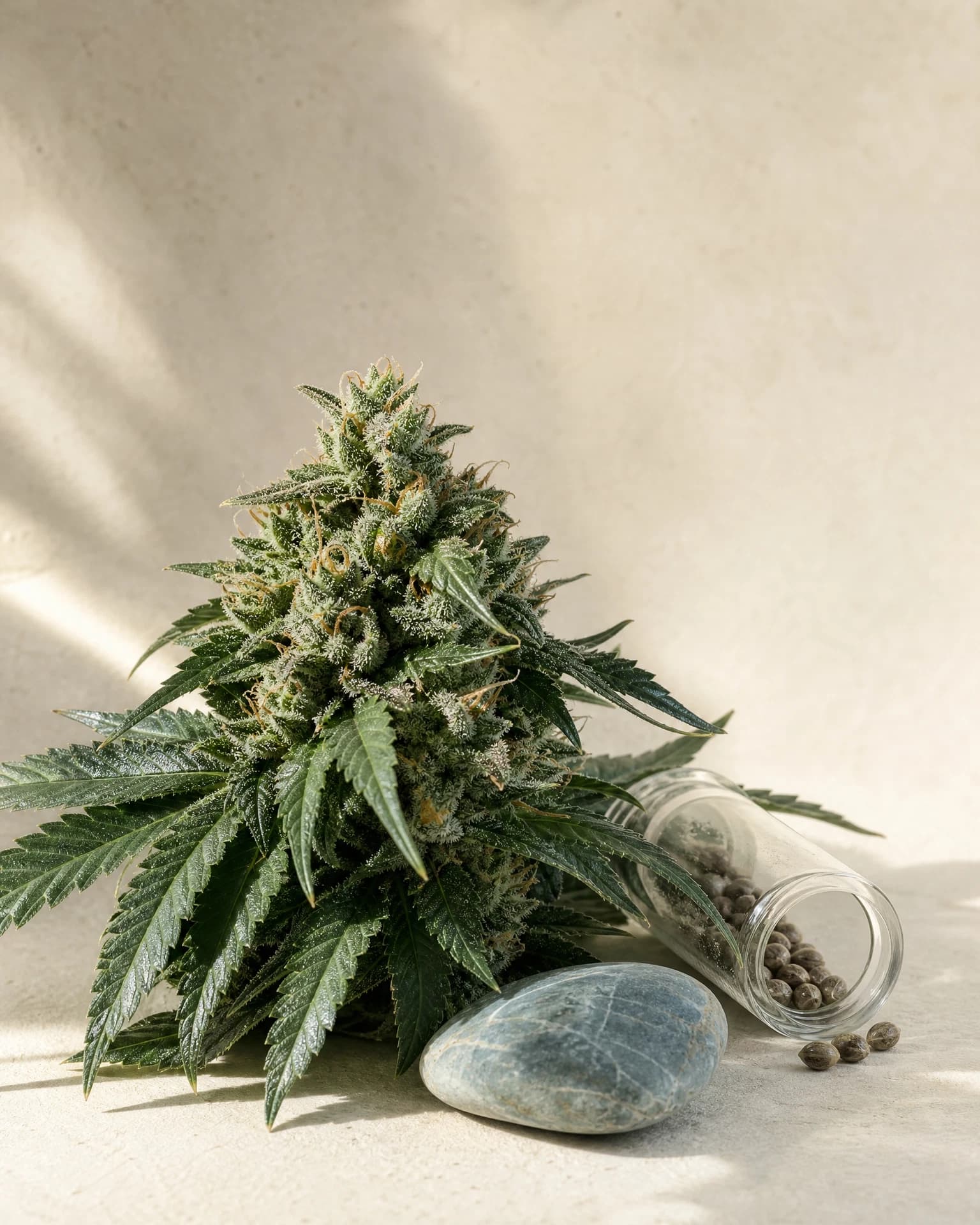
Overview
The process of identifying and selecting a specific cannabis cultivar requires a careful examination of the data provided by breeders and retailers. In the case of the Lemon Skunk strain, the available documentation presents a profile that categorizes it as a balanced hybrid. This classification indicates a genetic distribution that is evenly split between Indica and Sativa influences, specifically a 50% Indica and 50% Sativa composition. When a researcher looks at a cultivar like this, they are looking at a snapshot of botanical characteristics that have been stabilized through specific breeding practices. The primary objective of such documentation is to provide a baseline for what a cultivator might expect, though it is always necessary to account for phenotypic variation and environmental factors.
A breeder record serves as the primary source of truth for any given variety. It typically includes information regarding the plant's lineage, its physical structure, and the expected duration of its reproductive phase. For this specific cultivar, the records highlight a lineage involving Skunk #1 and Citral. This combination is intended to produce a specific aromatic profile and growth habit. Understanding these records is not just about reading a list of traits; it is about interpreting how those traits interact within a cultivation environment. A balanced hybrid often represents an attempt to capture the physical resilience of Indica varieties while maintaining some of the growth characteristics associated with Sativa genetics.
When evaluating a cultivar, one must distinguish between verified botanical facts and general marketing descriptions. The documentation for this variety provides specific parameters for height and flowering time, which are essential for planning a garden space. However, it is equally important to recognize what is not present in a particular record. Many records may omit specific laboratory results for cannabinoid concentrations or detailed terpene profiles. In such cases, the researcher must rely on the provided sensory descriptions, such as the citrus and lemon notes mentioned for this variety, to infer the potential aromatic qualities of the plant.
The reliance on breeder-provided data is a standard practice in the horticultural industry. It allows for a level of predictability that is necessary for both small-scale and large-scale cultivation. By focusing on the data points that are explicitly stated—such as the medium plant structure and the feminized seed format—a cultivator can make informed decisions about whether a particular variety fits their specific needs. This systematic approach to cultivar research ensures that expectations are grounded in the available evidence rather than in speculative claims found in less rigorous sources.
Genetics and cultivar background
The genetic foundation of any cannabis variety is the most significant factor in determining its eventual expression. For the Lemon Skunk genetics, the lineage is documented as a cross between Skunk #1 and Citral. Skunk #1 is a foundational variety in modern cannabis breeding, known for its stability and its role in the creation of many other hybrids. Citral, the other parent in this cross, contributes its own set of characteristics to the resulting offspring. The combination of these two parents results in a 50% Indica and 50% Sativa hybrid. This exact balance is a specific goal for breeders who want to offer a cultivar that does not lean too heavily toward one side of the genetic spectrum.
In the study of cannabis genetics, a "balanced hybrid" is a term used to describe a plant that exhibits a relatively equal mix of traits from both the Indica and Sativa branches of the cannabis family tree. This does not mean that every individual plant will be an exact 50/50 split in terms of its physical appearance, but rather that the genetic potential for both types of growth is present. When a breeder stabilizes a cross like Skunk #1 and Citral, they are selecting for specific traits that represent the best of both parents. This process involves multiple generations of selection and backcrossing to ensure that the resulting seeds produce plants that are consistent with the breeder's description.
The background of a cultivar is often a reflection of the breeding priorities at the time of its creation. In this instance, the focus appears to be on creating a variety that maintains the classic "skunk" characteristics while introducing a strong citrus element. The use of Citral in the lineage is a clear indication of this intent. While the specific history of who first performed this cross or where it originated is not detailed in the current record, the genetic components themselves provide a wealth of information for the informed researcher. Skunk #1 provides a backbone of reliability, while Citral introduces the specific aromatic profile that gives the cultivar its name.
Understanding the genetic background also involves recognizing the limitations of the data. While we know the parent strains, the specific phenotypes used in the cross are not mentioned. In cannabis breeding, different versions of Skunk #1 or Citral might exist, each with slightly different characteristics. Therefore, the resulting hybrid is a product of the specific individuals chosen by the breeder. This is why different versions of the same strain name might appear across different seed banks, although they all share the same primary lineage. A researcher should always look for the specific breeder's notes to understand the particular expression of the genetics they are acquiring.
Plant profile and grow planning
Planning a cultivation project requires a clear understanding of the physical profile of the chosen variety. The Lemon Skunk strain is characterized by a medium plant structure. In practical terms, this means the plants typically reach a height of approximately 1.2 to 1.6 meters. This height range is a critical data point for indoor cultivators who must manage vertical space and light distance. A plant that stays within this medium range is often easier to manage than a tall, lanky Sativa or a very short, bushy Indica. It allows for a standard setup without the need for extreme training techniques or specialized tall tents.
The lemon skunk flowering time for this cultivar is documented as being between 8 and 10 weeks. This window is a standard duration for many hybrid varieties. For a cultivator, this means that once the light cycle is shifted to induce flowering, they can expect the plants to reach maturity within roughly two to two and a half months. Planning for an 8 to 10-week flowering period involves coordinating nutrient schedules, environmental controls, and the eventual harvest timeline. It is a manageable timeframe that fits well within most cultivation cycles, allowing for multiple harvests per year in a controlled indoor environment.
When considering the medium structure of 1.2 to 1.6 meters, one must also think about the lateral spread and the overall density of the plant. While the record specifies the height, it does not detail the specific branching patterns or foliage density. However, a "medium" designation generally suggests a plant that is neither overly sparse nor excessively dense. This balance is often beneficial for airflow and light penetration, which are essential factors in maintaining plant health and preventing issues like mold or pest infestations. A cultivator should plan their space to allow for this height while also ensuring there is enough room between plants for adequate circulation.
Grow planning also involves the consideration of the seed format. Since this cultivar is available in a feminized format, the planning process is simplified. Feminized seeds are engineered to produce only female plants, which are the ones that produce the desired flowers. This eliminates the need for the cultivator to identify and remove male plants, which would otherwise take up space and resources without contributing to the final harvest. Starting with feminized seeds allows for a more efficient use of the cultivation area and ensures that every plant in the garden has the potential to reach maturity and produce a crop.
Aroma and flavor profile
The sensory characteristics of a cannabis cultivar are often its most distinguishing features. For the Lemon Skunk strain, the aromatic profile is dominated by citrus and lemon notes. These scents are the primary descriptors provided in the breeder records, indicating a high concentration of specific aromatic compounds that produce these sharp, fruity smells. In addition to the dominant citrus, there are also skunky undertones. This combination creates a complex scent profile that reflects the plant's lineage, particularly the influence of the Skunk #1 parent.
When a record describes an aroma as "dominant citrus and lemon," it is providing a guide for what the consumer or cultivator should expect during the later stages of flowering and after the curing process. The "skunky" element is a classic cannabis scent that is often described as pungent or earthy. The interplay between the bright, acidic lemon notes and the deeper, more grounded skunky undertones is a hallmark of this specific variety. This profile is achieved through the careful selection of parent plants that carry these specific aromatic traits, ensuring that the resulting hybrid maintains a consistent scent across different individuals.
In the broader context of cannabis research, the aroma and flavor of a plant are determined by its terpene profile. Terpenes are organic compounds found in many plants, and in cannabis, they are responsible for the wide variety of smells and tastes. While the specific terpenes present in this cultivar are not listed in the record, the description of "lemon" and "citrus" strongly suggests the presence of compounds that are common in citrus fruits. The "skunky" part of the profile is often associated with a different set of compounds that provide a more pungent and persistent aroma. Understanding these sensory descriptors helps a researcher categorize the cultivar within the larger spectrum of available varieties.
Flavor is closely related to aroma, as the two are perceived together during consumption. The citrus and lemon notes described in the aroma are typically reflected in the flavor as well. A "skunky" undertone can add a layer of depth to the taste, making it more than just a simple fruity experience. For a researcher or a consumer, these descriptions are essential for identifying a variety that aligns with their personal preferences. The absence of more detailed flavor notes in the record means that the primary focus is on these core citrus and skunky elements, which define the essential character of the cultivar.
Reported experience context
When investigating the effects and experiences associated with a particular cannabis variety, it is necessary to look at the available data with a critical eye. For the Lemon Skunk strain, the current record does not provide specific details regarding its potency, THC or CBD percentages, or the specific subjective effects reported by users. This is a common occurrence in many breeder records, which often focus more on the botanical and aromatic characteristics of the plant rather than its psychoactive or therapeutic properties. In the absence of this data, a researcher must be careful not to make assumptions based on the strain's name or its general classification as a balanced hybrid.
The context of a "reported experience" usually involves a combination of laboratory data and anecdotal reports. Laboratory data would provide the exact concentrations of cannabinoids, which are the primary drivers of the plant's effects. Without these numbers, we cannot state whether this cultivar is high in THC or if it contains significant amounts of CBD. Similarly, the specific effects—whether they are described as relaxing, uplifting, or something else—are not part of the verified facts for this record. A balanced 50/50 hybrid is often sought after for a perceived middle-ground experience, but the actual results can vary significantly depending on the individual plant and the consumer.
For a researcher, the lack of specific effect data is an opportunity to practice responsible information gathering. It is important to acknowledge that the experience of consuming cannabis is highly subjective and can be influenced by many factors, including the consumer's tolerance, the method of consumption, and the specific environment in which the plant is used. When a record is silent on these points, the most accurate approach is to state that the information is unknown. This prevents the spread of potentially inaccurate or misleading claims and encourages others to look for more detailed laboratory testing or verified consumer feedback.
In the wider industry, the "experience" of a cultivar is often marketed using broad terms that may not always reflect the reality for every user. By sticking to the facts provided in a specific record, we maintain a high standard of evidence-based reporting. The Lemon Skunk strain, as described here, is defined by its genetics, its structure, and its aroma. Any further claims about its effects would be speculative and are therefore excluded from this discussion. This approach ensures that the information provided is reliable and serves as a solid foundation for anyone looking to understand the cultivar based on documented evidence.
How to compare current breeder records
The ability to compare and contrast different breeder records is an essential skill for anyone involved in cannabis research or cultivation. When looking at a record like the one for the Lemon Skunk strain, one should first identify the core data points: genetics, structure, flowering time, and aroma. These are the pillars of a cultivar's profile. By comparing these points across different records, a researcher can identify patterns of consistency or areas where there might be disagreement between sources. For example, if one breeder lists a flowering time of 8 weeks while another says 10, the researcher knows to expect a range rather than a fixed date.
Evaluating source disagreements requires a systematic approach. Not all records are created equal, and some may be more detailed or more recent than others. When a researcher encounters conflicting information, they should look for the source that provides the most comprehensive data or the one that is most closely tied to the original breeder of the variety. In the case of this cultivar, the information from Blimburn, Seedsman, and Herbies provides a consistent picture of a balanced hybrid with a medium structure and a citrus-skunk aroma. This consistency increases the reliability of the data and gives the researcher more confidence in their findings.
Technical details in a breeder record should be checked for accuracy and relevance. This includes things like the specific height measurements and the genetic lineage. A researcher should also look for any caveats or missing information that might limit the usefulness of the record. For instance, if a record does not provide height data, the researcher must look for other clues about the plant's structure, such as whether it is described as "compact" or "tall." In our current record, the height is clearly stated as 1.2 to 1.6 meters, which is a very helpful and specific detail that can be directly compared with other varieties.
Responsible research also involves looking beyond the surface-level marketing and focusing on the underlying botanical facts. A good researcher will ask questions about the stability of the genetics and the conditions under which the reported data was gathered. While this information is not always available in a standard breeder record, acknowledging its importance is part of a professional approach to cultivar evaluation. By treating every record as a piece of a larger puzzle, a researcher can build a more complete and accurate understanding of a variety like the Lemon Skunk strain, ensuring that their conclusions are based on a careful and thorough analysis of the available evidence.
The information provided in this guide is based on a specific set of breeder and retailer records, and it is important to understand the limits of this evidence. The primary sources for the data on the Lemon Skunk strain are the listings from Blimburn Seeds, Seedsman, and Herbies. These sources agree on the core characteristics of the cultivar, such as its status as a balanced 50/50 hybrid, its lineage of Skunk #1 and Citral, and its medium physical structure. However, there is a significant caveat that must be addressed regarding the availability of this cultivar at other major retailers.
While the cultivar is clearly documented at the three sources mentioned above, it was not found as a standalone strain at Seedsupreme or Homegrown Cannabis Co. At these locations, the Lemon Skunk genetics are instead featured as a genetic parent in various crosses, such as Lemon Autoflower and Lemon OG. This distinction is important for a researcher to understand, as it highlights the fact that the same name might be used in different ways across the industry. A "Lemon Skunk" at one retailer might be the original standalone hybrid, while at another, it might be a component of a more complex cross.
This situation serves as a substantive explanation of the evidence limits that researchers often face. The absence of the standalone strain at some major retailers means that the data pool is somewhat more limited than it might be for a more universally carried variety. It also underscores the importance of verifying the exact nature of the seeds being purchased. If a retailer only carries the genetics as part of a cross, the resulting plants will have different characteristics than the 50/50 balanced hybrid described in this record. Always check the specific product description to ensure it matches the cultivar profile you are researching.
In conclusion, the data for the Lemon Skunk strain is documented within the sources that carry it, but the gaps in availability at other locations remind us to be cautious. The missing facts in this record—such as specific potency numbers, yield estimates, and detailed terpene profiles—are a reflection of the information currently provided by the primary retailers. By stating these unknowns plainly and focusing on the verified facts, we provide a guide that is both accurate and responsible. This approach ensures that the reader is well-informed about what is known, what is not known, and how to evaluate the sometimes complex information found in the cannabis seed market.
When a breeder record is missing certain pieces of information, it creates a roadmap for further research. For the Lemon Skunk strain, several key areas remain undocumented in the current record, providing a starting point for anyone who wants to look more closely into the cultivar's characteristics. One of the most obvious questions is regarding the specific cannabinoid content. What are the typical THC and CBD percentages for this variety? Without this information, it is difficult to assess the potential potency or the specific chemical profile of the plant. Finding laboratory test results from reputable third-party sources would be a logical next step.
Another important area for research is the terpene profile. While we know the aroma is citrusy and skunky, we do not have a list of the specific terpenes responsible for these scents. Are the primary terpenes limonene, myrcene, or something else? Knowing the exact terpene composition would provide a much more detailed understanding of the plant's aromatic and potential therapeutic properties. A researcher might look for "terpene analysis" reports that correspond to this specific genetic lineage to get a better sense of what compounds are likely to be present.
The question of yield is also a significant one for many cultivators. The current record does not provide an estimate of the expected harvest weight, either for indoor or outdoor growing. Yield can be influenced by many factors, including the skill of the grower and the specific environmental conditions, but having a baseline estimate from the breeder is usually very helpful. Researching the typical yields of the parent strains, Skunk #1 and Citral, might provide some clues, but it would be better to find specific data for the hybrid itself. This is a common missing field that requires additional investigation.
Finally, a researcher might want to look into the specific growth requirements and environmental preferences of the cultivar. Does it perform better in a particular type of climate? Is it particularly resistant to certain pests or diseases? This type of practical cultivation data is often missing from basic breeder records but is incredibly valuable for anyone planning a grow. By identifying these "unknowns," a researcher can focus their efforts on finding the specific pieces of information that will most help them understand and successfully cultivate the Lemon Skunk strain. This systematic approach ensures that no stone is left unturned in the quest for a complete cultivar profile.
Frequently asked questions
What is the Lemon Skunk strain?
This guide summarizes the documented cultivar record while separating verified details from variable grower outcomes.
Is Lemon Skunk suitable for beginners?
Difficulty depends on the exact seed line, environment, and grow setup. Confirm current breeder guidance.
How long does Lemon Skunk take to flower?
Flowering windows vary by phenotype and environment. Confirm the estimate for the exact breeder line.
Can Lemon Skunk be grown indoors and outdoors?
Suitability depends on the breeder line and local climate. Compare space, humidity, temperature, and season length.
Which Lemon Skunk seed format should I choose?
Autoflower and feminized formats serve different schedules and grow styles. Compare only documented direct records.