
Strain guide
Mac Strain Guide: Source-backed cultivar record profile and grower notes
A source-aware guide built from Seedsupreme’s public feminized record and practical breeder-comparison context.
Overview
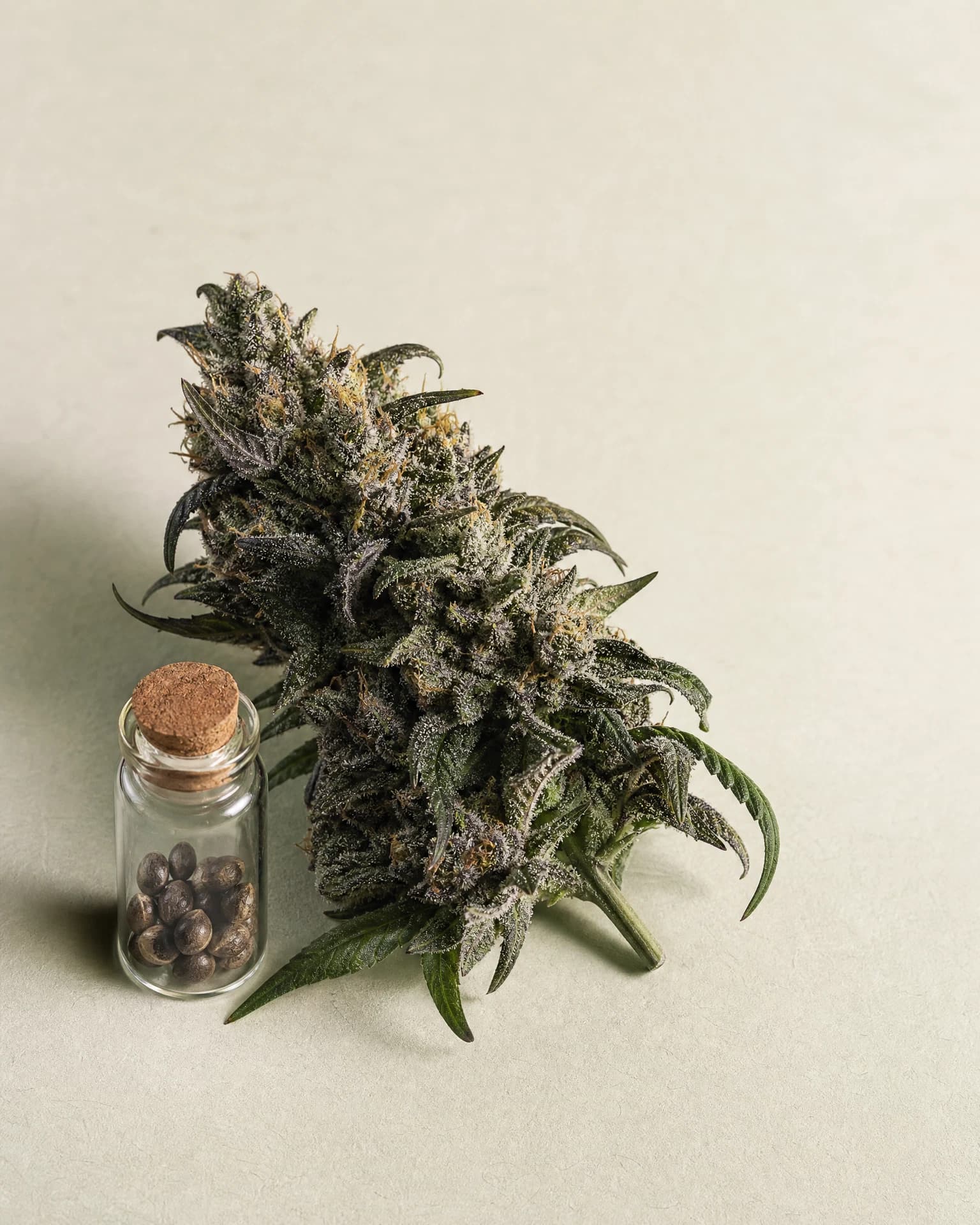
Seedsupreme’s public product page lists Mac as a feminized hybrid and notes flavor highlights described by the seller as orange, lavender, and vanilla. If you are evaluating Mac genetics for purchase or for planning a grow, this guide focuses on how to read that record and what further information to look for from the breeder before you commit. It does not add measurements, potency, yield, or performance claims not present in the public record. Instead it walks through the record elements that are present, clarifies what the record does not provide, and gives practical checks to compare Mac’s publicly available data with other seed records so you can make an informed decision.
This guide is organized into seven focused sections: an at-a-glance overview of the seller’s public claims, the genetics and cultivar background you should expect to find in reliable breeder records, the plant profile and grow planning items to verify, how aroma and flavor notes are reported and tested, how to interpret reported user experience responsibly, the currently listed seed format information, and a step-by-step method to compare current breeder records. Where Seedsupreme’s listing supplies a fact, the text points to that fact. Where the listing is silent, the guide describes the exact checks and comparisons a buyer should perform to fill the gap using primary breeder documentation or independent lab evidence.
Genetics and cultivar background
What the public record states
- Seedsupreme’s public product listing classifies Mac as a hybrid cultivar. That is the only direct genetics-related descriptor supplied in the public metadata provided here.
What the listing does not state (and why that matters)
- The listing does not, in the supplied fields, identify parent varieties, breeder attribution, cross generation (F1, stabilized line, backcross), or any formal registration details. Those are the items that determine how a cultivar behaves genetically, how stable its phenotypes are across seed runs, and which breeder controls the strain name and breeding stock.
How to check breeder records and compare genetic claims
- Breeder attribution: Look for a named breeder or breeding collective on the seed or shop record. Reliable breeder records will include a breeder name or brand and a history or pedigree note. If a seller’s page omits the breeder, search the breeder’s official site or registry for a matching cultivar name and photos.
- Pedigree and generation: Prefer records that list parents and generation (for example, X × Y, F1, or stabilized line). If the breeder lists only a single parent or no parents, send a direct inquiry requesting the pedigree and generation. Note answers in writing so you can compare batches.
- Trademark and naming: Cultivar names can be used by multiple parties in the wider market. Check whether the breeder claims a trademark/registration, a breeder’s certificate, or an explicit origin story. If several seedbanks sell the same name with conflicting lineage statements, treat the pedigree as unresolved until the original breeder clarifies.
- Genetic stability: Ask whether the breeder has gone through successive generations to stabilize the trait(s) you care about (consistency of aroma, flowering behavior, or cannabinoid profile). Records that list “stabilized” or provide numbers of generations are more useful than a name alone.
- Independent verification: Look for third-party resources (breeder interviews, breeder forums, or genetic database entries) that corroborate the breeder’s claims. When those are absent, accept that pedigree is unverified rather than inventing parentage.
Documentation to request when the public page is sparse
- Parentage and generation note
- Breeder name and a link to the breeder’s official record for the cultivar
- Photos of multiple phenotypes from a single seed run
- Any published genetic tests or third-party confirmations
Taken together, a public classification as a “hybrid” is a basic label. It is a starting point, but reliable cultivar assessment requires the additional breeder-provided pedigree and confirmation items listed above.
Plant profile and grow planning
What the public record supplies
- From the supplied information, Seedsupreme’s public listing indicates the seed format (feminized) and classifies Mac as a hybrid. No measurements for plant height, flowering time, yield, or environmental preferences are included in the public fields provided here.
Why those missing plant-profile items are important
- Flowering time, final height, stretch, leaf structure, resin production, and expected yield are the core variables you use to plan light schedules, pot size, nutrient programs, and whether a cultivar will fit an indoor tent or an outdoor plot. Without those figures, you can still prepare, but you must compile comparable breeder records or conservative estimates to avoid surprises.
How to plan despite incomplete public data
- Establish your environment first: Decide whether you plan an indoor, greenhouse, or outdoor grow. That baseline lets you frame the kind of information you need (e.g., expected flowering weeks for indoor versus harvest window for outdoor).
- Use conservative resource allocation: When a breeder record omits flowering time and height, plan for a moderate-range profile—allocate pot sizes and vertical clearance that cover short-to-medium and medium-to-tall outcomes. This avoids catastrophic constraints if the cultivar leans taller than expected.
- Request specific cultivation metrics: Contact the seller or breeder and request the following for the specific seed lot you’ll buy:
- Expected flowering time range (in weeks)
- Typical dry weight per plant or per square meter (if the breeder publishes a range)
- Typical final height or height range indoors and outdoors
- Recommended pot size and pruning/ training techniques that the breeder prefers
- Light intensity and photoperiod guidelines used in the breeder’s grow notes
- Compare with similar hybrid records: If the breeder provides no numbers, collect flowering and height ranges from at least three other breeders who sell under the same cultivar name (or comparable cultivars with similar descriptors). If all are missing, compare to hybrids from the same breeder to see their typical ranges.
- Pay attention to cultivation notes and photos: High-quality breeder records often include grow notes (nutrient schedule, humidity and temperature ranges, topping or SCROG recommendations) and photos from multiple phenotypes. These give indirect but useful clues about vigor, stretch, and bud structure.
Specific grow-planning decisions to base on breeder data
- Training method: If the breeder suggests topping, LST, or SOG/SCROG, use that as guidance. If no recommendation is provided, prepare for flexible training methods and start conservatively with LST before committing to major cuts.
- Pot size and root management: When no guidance is provided, choose a pot size consistent with your grow duration and space. For uncertain flowering times, a pot in the middle of your usual range reduces risk of root-bound stress or excessive vegetative growth.
- Nutrient schedule: Ask the breeder for the nutrient program that produced their published photos. If unavailable, use a balanced, cultivar-agnostic schedule and monitor the plants closely for nutrient responsiveness.
- Pest and disease notes: Inquire whether the breeder provides any known susceptibilities from their test grows or required sanitary practices. Absence of that data means treat the cultivar like any outdoor/indoor crop—prioritize sanitation and early pest scouting.
What to do with phenotype variability
- Many hybrids express multiple phenotypes from the same seed lot. Ask the breeder for statistics—what percent of the run exhibits each phenotype and which traits distinguish them (e.g., color, leaf width, aroma). If the breeder provides only a single photo or a single phenotype description, assume possible variability and plan your grow for multiple outcomes.
When the public record is silent about cultivation specifics, the practical approach is an active documentation and comparison workflow: request the missing metrics from the breeder, compare the answers with other records, and plan conservatively until you have consistent, documented guidance.
Aroma and flavor profile
What the public page reports
- The Seedsupreme page publicly notes flavor descriptors for Mac that include orange, lavender, and vanilla. This is a seller-provided tasting profile in the public metadata supplied for this entry.
How aroma and flavor notes are typically generated and what to expect
- Breeder or seedbank tasting notes are generally derived from grower and breeder observations of flower samples; they are descriptive rather than analytical. These notes can be useful for a first impression, but they are not equivalent to a laboratory terpene profile.
How to verify or deepen aroma and flavor information
- Request terpene analysis (COA): The most reliable refinement is a certificate of analysis (COA) showing terpene breakdown from a qualified lab. Look for reports that list major terpenes (e.g., myrcene, limonene, linalool, caryophyllene) and their concentrations in mg/g or percent.
- Compare tasting notes across sources: Gather tasting descriptors from multiple seedbanks, the breeder’s official page, and independent grow journals. Consistent mention of the same notes (for example, citrus or floral) across several independent sources adds weight to the seller’s description.
- Review phenotype-specific notes: If a seed run produces multiple phenotypes, aroma can vary across them. Ask the breeder whether the listed flavor notes apply to all phenotypes or to a specific one.
- Understand descriptive language: Sellers often use culinary adjectives (vanilla, citrus, lavender) to communicate a dominant impression. Those notes map loosely to terpene families—for example, citrus to limonene, floral to linalool—but without a COA you cannot assume a precise terpene profile or concentrations.
Practical guidance for buyers
- Treat flavor descriptors in public listings as qualitative cues, not quantitative facts. If flavor is a primary purchasing criterion, require a COA or several independent grow reports that corroborate the tasting notes. When COAs are unavailable, ask for a description of which terpene families the breeder associates with the cultivar and any lab work they have pending.
Reported experience context
What the public record supplies and what it does not
- The supplied public fields for Mac do not include standardized effect descriptions, cannabinoid levels, or claims about medical outcomes. Those data points are absent in the public metadata provided here.
How to responsibly interpret reported experiences elsewhere
- Differentiate anecdote from controlled data: User reports—forum posts, social media comments, and customer reviews—are anecdotal. They reflect personal context (dose, tolerance, mode of consumption, concurrent medications, setting) and are not a substitute for laboratory cannabinoid and terpene analysis.
- Look for patterns across independent reports: If many independent accounts describe similar qualities (e.g., a consistent sensory profile or observed onset times), that pattern can be informative. However, record the variability and note the range of reported outcomes.
- Weight documented lab results more than subjective reports: When COAs for cannabinoids and terpenes are available, they provide measurable data that explain, partially, why people report particular experiences. Use lab results to contextualize anecdotal patterns rather than replacing them.
- Beware selection bias and marketing language: Some reports are influenced by brand expectations or marketing descriptors. Compare labeled claims against third-party lab analyses or trial reports from independent growers.
How to use reported experience in your decision
- Use reported experiences as supplementary context: they can suggest what to expect from aroma or flavor, typical phenotypes, or grow challenges. But prioritize breeder-provided metrics and lab reports for any decision tied to potency, dosing, or a clinical application. When those are missing, treat reported experience as provisional and verify with the breeder or through independent tests.
How to compare current breeder records
A stepwise workflow to compare Mac’s public record to other breeder records and validate claims
- Gather the primary records
- Collect the seller’s page (the Seedsupreme listing), the breeder’s official page for the cultivar (if available), and two or three other seedbanks or independent grow reports that list the same cultivar name. Save URLs and snapshots of each page for future reference.
- Create a comparison table (local use)
- Fields to include: breeder name, seed format(s), stated pedigree/parents, generation (F1/stabilized/backcross), flowering time (range), final height range, expected yield range, terpene/COA links, cannabinoid COA, germination rate, photos (multiple phenotypes), phenotype distribution, breeding notes (stabilized vs experimental), and policies (replacement, shipping).
- Populate the table with the data you can find. Mark missing fields as “not stated” rather than inferring values.
- Evaluate pedigree consistency
- Compare parentage claims across records. If one breeder lists a pedigree and others do not, prioritize the breeder’s claim but seek third-party confirmation (interviews, breeder registries, genetic databases).
- If multiple parties claim different parentage for the same cultivar name, treat the pedigree as contested until the original breeder clarifies.
- Verify lab data and COAs
- Prefer records that link to a COA for cannabinoids and (ideally) terpenes. Check date stamps and batch identifiers on COAs to ensure they correspond to the seed lot or the breeder’s test grow.
- For missing COAs, request them from the breeder. If the breeder cannot provide a COA for the same cultivar name and batch, note that chemical composition is unverified.
- Cross-check photos and phenotype documentation
- Look for multiple photos from different seeds in the same lot. Consistency across images suggests phenotype stability; wide variation suggests high phenotype variability.
- Request grow diaries or videos if photo sets are small. Diaries can reveal training methods and harvest conditions that influence visual results.
- Confirm seed-production and feminization methods
- If a listing states “feminized,” ask how feminization was achieved and whether the breeder monitors hermaphroditism incidence. Document any percentage claims and ask for the empirical data backing them.
- Review seller policies and provenance
- Check the seller’s stated provenance: do they source seeds directly from the breeder, or are they resellers? Direct sourcing from the breeder is preferable for traceability.
- Examine replacement, guarantee, and shipping policies related to seed viability or mislabeling.
- Account for naming and trademark ambiguity
- If the cultivar name is used by multiple breeders, check trademark databases and breeder disclaimers. Note which breeder claims original development and whether that claim is documented.
- Seek independent grow reports and lab verifications
- Independent grow reports (from multiple, independent growers) that include photos and test results offer valuable verification. Prioritize reports with documented lab analyses.
- Community tests that standardize growing conditions provide better comparability than ad-hoc reports.
- Make purchase decisions using an evidence hierarchy
- Highest weight: breeder-origin documentation (pedigree, generation) + batch-matched COAs + detailed phenotype photos and grow notes.
- Medium weight: consistent reports across independent growers and sellers.
- Lower weight: a single seller’s descriptive labels without supporting evidence.
Templates and scripted questions to send to breeders or sellers
- “Please provide the cultivar’s declared pedigree and generation (parents, F-number, stabilized/backcrossing data).”
- “Do you have batch-specific COAs for cannabinoids and terpenes for the lot identified as [batch ID]? Please provide lab name and date.”
- “What method was used to produce feminized seeds in this lot, and what was the observed hermaphrodite rate across X plants?”
- “Can you supply photos and phenotype distribution percentages from this specific seed run?”
- “Are these seeds direct from the breeder, and if not, who is the breeder and can you provide an official link?”
Interpreting incomplete or conflicting responses
- If breeders do not respond or their answers are vague, treat the corresponding fields as unresolved. For contested or conflicting pedigree claims, prefer documentation that includes external verification (lab data, registry listings).
- When a breeder provides numbers (e.g., flowering weeks, yields), ask for the conditions under which those numbers were obtained (light schedule, pot size, climate). Numbers without methods have limited comparability.
Final decision-making considerations
- Align the breeder’s documented environment and methods with your planned environment. A cultivar tested under high light and large pots may not behave the same way in a low-light, small-pot setup.
- Consider whether flavor descriptors or aroma notes justify additional inquiries (COAs). If terpene or aroma profile is a primary goal, prioritize breeders who supply terpene analyses.
- Keep records of correspondence and saved pages so that you can reference the exact statements and COAs if discrepancies arise after purchase.
Conclusion
The public Seedsupreme listing for Mac supplies a basic product label—feminized format—and seller-provided descriptive flavors and hybrid classification. It does not, in the fields supplied here, provide pedigree details, flowering times, yield estimates, lab results, or breeder provenance. Those are the precise gaps you should fill before buying if they matter to your selection or grow plan. Use the comparison workflow above: collect primary records, ask specific questions with the templates supplied, request batch-matched COAs and phenotype documentation, and prioritize breeder-origin documentation. Where records remain incomplete, plan conservatively for variable phenotypes and unknown flowering behavior, document everything you receive from the breeder, and treat seller descriptions as descriptive cues rather than verifiable metrics. This approach keeps your decision rooted in evidence you can check and compare rather than in assumptions.
Frequently asked questions
What is the Mac strain?
This guide summarizes the documented cultivar record while separating verified details from variable grower outcomes.
Is Mac suitable for beginners?
Difficulty depends on the exact seed line, environment, and grow setup. Confirm current breeder guidance.
How long does Mac take to flower?
Flowering windows vary by phenotype and environment. Confirm the estimate for the exact breeder line.
Can Mac be grown indoors and outdoors?
Suitability depends on the breeder line and local climate. Compare space, humidity, temperature, and season length.
Which Mac seed format should I choose?
Autoflower and feminized formats serve different schedules and grow styles. Compare only documented direct records.