
Strain guide
MAC 1 Strain Guide: Citrus aroma and grower notes
MAC 1 is documented here with partner-source cultivar context, seed-format availability, and secondary-topic research cues.
Overview
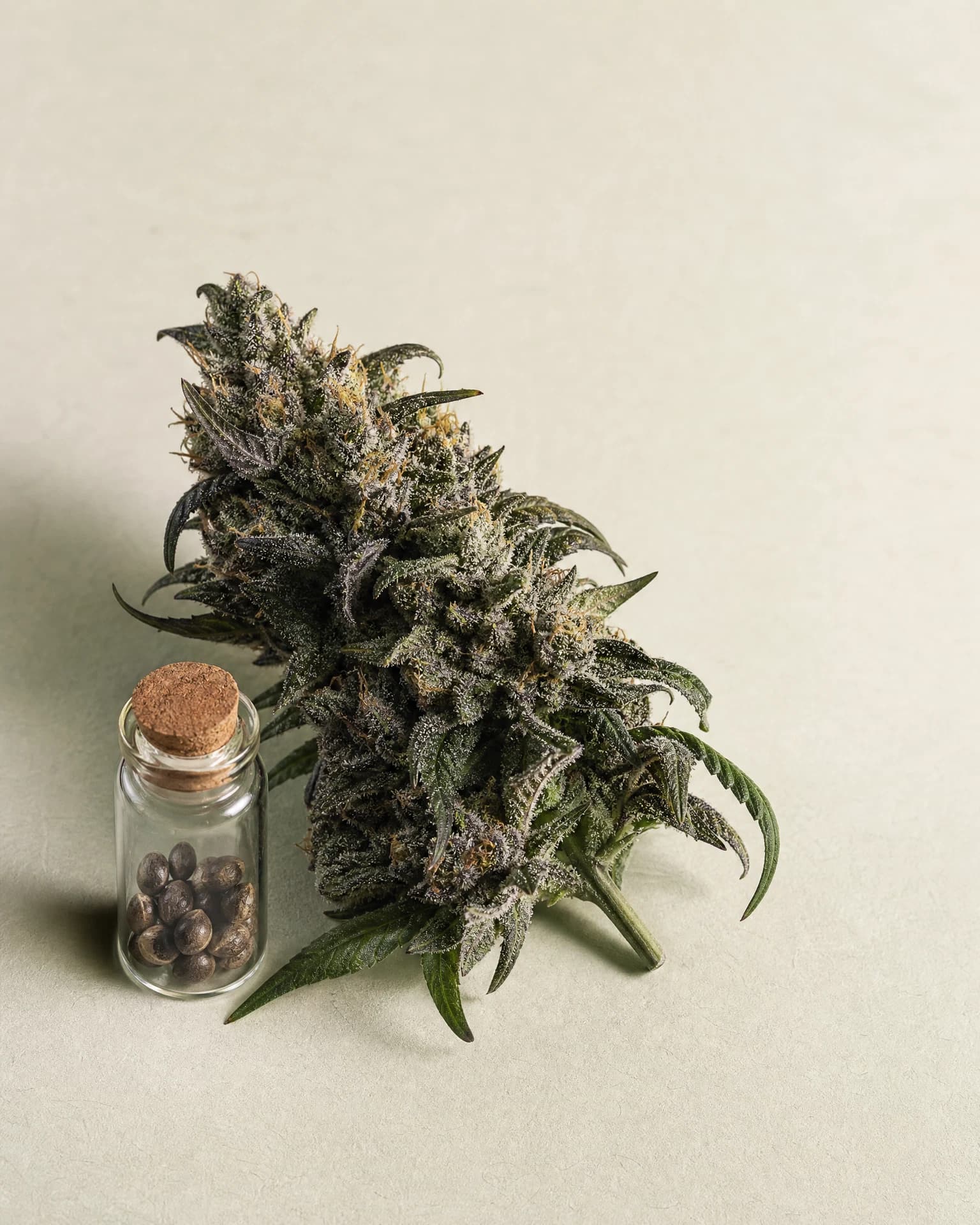
MAC 1, also known as Miracle Alien Cookies, is classified as a balanced hybrid cultivar within the contemporary cannabis market. This specific profile indicates a genetic composition that seeks to provide a middle ground between different growth and effect characteristics, though the specific ratio of its hybrid nature is not defined in the available breeder records. The mac 1 strain is frequently identified by its distinct physical traits during the flowering stage, where it typically develops into a plant of medium-to-tall stature. The structural development of the plant is described as bushy, which often necessitates specific management techniques to ensure light penetration and airflow throughout the canopy. As the plant matures, it produces buds that are characterized by their density and a heavy coating of resin, a trait that is often sought after by those interested in the physical appearance and tactile quality of the flower.
The available data regarding the mac 1 strain indicates a flowering period that spans between 8 and 10 weeks. This timeframe is standard for many hybrid cultivars, representing the duration from the initiation of the flowering cycle to the point of harvest readiness. During this period, the plant undergoes significant changes, transitioning from vegetative growth to the production of its resinous flowers. The density of the buds is a primary feature of the mature plant, suggesting a specific floral structure that distinguishes it from other cultivars with more airy or elongated bud formations. While the record provides these specific details, it does not offer data on expected yields or specific environmental requirements, leaving those aspects as variables for the grower to determine through observation and experience.
In the broader context of cannabis seeds, the MAC 1 genetics are available in several formats, including feminized and regular versions. Some records also mention the existence of auto-flowering formats, though the primary focus in many breeder descriptions remains on the photoperiod versions. The presence of these different formats allows for various approaches to cultivation, depending on the goals of the individual grower. However, it is essential to consider the origin of these seeds in relation to the history of the cultivar. The record notes that the original MAC 1 is historically a clone-only selection, which introduces a specific set of considerations for anyone looking at seed-based versions of the genetics. This distinction between the original clone and the available seed recreations is a fundamental aspect of understanding the current market presence of mac 1 genetics.
Genetics and cultivar background
The genetic lineage of MAC 1 is documented as a cross between Alien Cookies F2 and a specific selection known as Miracle 15. The Miracle 15 component is itself a hybrid, resulting from the cross of Starfighter and a Colombian landrace variety. This complex ancestry brings together diverse genetic influences, ranging from the stable characteristics of landrace strains to the more modern, specialized traits of contemporary hybrids. The inclusion of Colombian genetics suggests a connection to traditional sativa-leaning plants, while Starfighter and Alien Cookies contribute to the more modern hybrid elements of the lineage. This combination is what defines the fundamental identity of the mac 1 genetics as they are represented in current breeder documentation.
A critical piece of information regarding the background of MAC 1 is its status as a clone-only cultivar in its original form. The original selection was made by a breeder known as Capulator, and for a significant period, the authentic MAC 1 was only available as a physical cutting from a mother plant. This means that any seeds marketed under the name MAC 1 are not the original genetic clone but are instead recreations. These recreations are typically produced as S1 (selfed) seeds, F1 hybrids, or other backcrossed versions intended to mimic the traits of the original clone. This distinction is vital for researchers and growers to understand, as it implies that while the seeds may share many characteristics with the original MAC 1, they will inevitably exhibit some level of genetic variation that is not present in the uniform population of a clone-only selection.
The process of creating a seed-based version of a clone-only strain involves significant breeding work. Breeders may use the original clone and "self" it to produce S1 seeds, or they may attempt to reconstruct the lineage by crossing the original parents or their descendants. In the case of MAC 1, the use of Alien Cookies F2 and Miracle 15 in the documentation points to the foundational genetics used in these breeding projects. However, because the original was a specific, singular phenotype selected from a larger population, a seed version—even one using the same parents—will produce a range of phenotypes. Some of these may closely resemble the original MAC 1, while others may lean more toward one of the grandparent strains, such as Starfighter or the Colombian landrace.
Understanding this background requires a careful evaluation of how cultivars are named and marketed. In the cannabis industry, a name like MAC 1 often becomes a brand that represents a specific set of traits. When a breeder offers MAC 1 genetics, they are providing a genetic package that is intended to deliver those traits, but the biological reality of seed production means that every seed is a unique individual. The history of the "Miracle Alien Cookies" name itself reflects the hybrid nature of the project, combining the "Miracle" from the Miracle 15 parent with the "Alien Cookies" lineage. This naming convention is common in modern breeding, where the name serves as a shorthand for the plant's complex genetic history.
Plant profile and grow planning
The physical profile of the MAC 1 plant is described as medium-to-tall with a bushy growth habit. This description suggests a plant that occupies significant vertical and horizontal space, which is a common characteristic of balanced hybrids that inherit the vigorous growth traits of their diverse ancestors. A bushy structure typically implies a high degree of lateral branching, which can lead to a dense canopy if not managed correctly. For growers, this means that planning for space and airflow is a primary consideration when working with the mac 1 strain. The height of the plant, reaching into the "tall" category, indicates that it may require techniques such as topping or training to keep it within the bounds of an indoor environment or to support the weight of its dense buds.
The flowering period of 8 to 10 weeks provides a specific window for planning the harvest cycle. This duration is relatively standard, but the variation between 8 and 10 weeks can be significant depending on the specific phenotype and the environmental conditions provided. During the final weeks of this period, the plant is noted for producing dense, resin-heavy buds. The presence of high resin production is a defining feature of the plant's morphology, often resulting in a "frosty" appearance as the trichomes mature. This resin is not just a visual trait; it represents the concentrated production of the plant's secondary metabolites, including the cannabinoids and terpenes that define its chemical profile.
Planning for a grow involving MAC 1 requires an understanding of these structural and temporal factors. While the record does not specify nutrient requirements or climate preferences, the "bushy" and "tall" descriptors offer clues for environmental management. A bushy plant with dense buds is potentially susceptible to moisture retention within the canopy, which can lead to issues if humidity is not strictly controlled, especially during the later stages of flowering. The tall stature suggests that the plant has a strong vegetative vigor, which may translate to a significant "stretch" once the flowering cycle is initiated. Growers often need to account for this stretch by ensuring there is enough vertical clearance in their grow space.
The density of the buds also has implications for the drying and curing process. Denser flowers take longer to dry evenly and require careful monitoring to prevent the development of mold or mildew during the post-harvest phase. Since the record highlights the resin-heavy nature of the buds, the handling of the flower after harvest becomes a delicate task to preserve the integrity of the trichomes. The lack of specific information on yield in the breeder record means that growers must rely on their own observations of the plant's development to estimate the final output. This highlights the importance of maintaining detailed logs when working with recreations of clone-only cultivars, as the performance can vary between different seed lots and individual plants.
Aroma and flavor profile
The aromatic profile of MAC 1 is dominated by citrus and orange notes, providing a bright and recognizable scent that is a primary feature of the cultivar. This citrus dominance is often the first thing noticed when interacting with the flower, suggesting a high concentration of specific terpenes that produce these fruit-like aromas. However, the profile is not one-dimensional. The record also identifies several important undertones that add complexity to the overall experience. These include earthy, spicy, and vanilla notes, which provide a grounding contrast to the sharper citrus top notes. The combination of these elements creates a layered aromatic experience that is characteristic of complex hybrid genetics.
The flavor of the mac 1 strain is expected to follow its aromatic profile closely. When consumed, the dominant orange and citrus flavors are likely to be the most prominent, followed by the more subtle spicy and earthy notes on the exhale. The mention of vanilla as an undertone is particularly interesting, as it suggests a creamy or sweet quality that can soften the sharper edges of the citrus and spice. This blend of flavors is a direct result of the plant's genetic heritage, combining the diverse terpene profiles of its ancestors. The Colombian landrace influence in the Miracle 15 parent may contribute to the spicy and earthy elements, while the Alien Cookies and Starfighter genetics likely play a role in the more modern citrus and vanilla traits.
The specific expression of these aromas and flavors can be influenced by the way the plant is grown and processed. While the genetic potential for a citrus and vanilla profile is present in the mac 1 genetics, factors such as nutrient balance, harvest timing, and the quality of the cure will determine the final intensity and clarity of these notes. A plant harvested too early might have a more "green" or chlorophyll-heavy scent, while one that is over-cured might lose some of the more volatile citrus terpenes. The resin-heavy nature of the buds mentioned in the plant profile is a key factor here, as the resin glands (trichomes) are where these aromatic compounds are stored.
For those researching the sensory characteristics of MAC 1, the description provided in breeder records serves as a baseline. However, because most available versions are seed-based recreations, there can be variation in the terpene profile between different phenotypes. Some plants may lean more heavily into the orange and citrus side, while others might exhibit more of the earthy and spicy undertones. This variation is a natural part of working with hybrid seeds and is one of the reasons why growers often look for specific "phenos" that best represent the ideal flavor and aroma profile of the strain. The description of MAC 1 as a balanced hybrid with a complex aromatic palette makes it a subject of interest for those who appreciate the sensory diversity of the cannabis plant.
Reported experience context
The reported experience of MAC 1 is primarily defined by its potency, with THC levels documented as ranging between 20% and 30%. This range places the cultivar in the high-potency category of modern cannabis, indicating a strong concentration of the primary psychoactive cannabinoid. The wide range (20-30%) reflects the natural variation that occurs in different growing environments, as well as the genetic diversity present in seed-based recreations of the strain. A THC level of 30% is near the upper limit of what is typically seen in the cannabis flower, suggesting that MAC 1 is capable of producing a very intense experience under optimal conditions.
As a balanced hybrid, the effects of the mac 1 strain are often described in the context of its genetic equilibrium. While the record does not provide a list of specific subjective effects, the "balanced hybrid" designation implies a mix of characteristics that are traditionally associated with both sativa and indica varieties. This could mean an experience that involves both cognitive and physical elements, though the exact nature of this balance will vary from person to person and from one phenotype to another. The high THC content is a significant factor in how these effects are perceived, as higher concentrations of cannabinoids generally lead to a more pronounced and longer-lasting experience.
The context of this experience is also shaped by the plant's chemical complexity. While THC is the most prominent cannabinoid mentioned, the aromatic profile of citrus, spice, and vanilla suggests a rich terpene composition that may interact with the THC to influence the overall effect. This interaction, often discussed in general cannabis science, is a key part of why different cultivars with similar THC levels can produce very different experiences. However, without specific lab data on other cannabinoids like CBD or a full terpene breakdown for a particular sample, these interactions remain a matter of general educational interest rather than specific claims about the MAC 1 experience.
It is also relevant to consider the "clone-only" caveat when evaluating reports of the MAC 1 experience. Because the original selection was a singular plant, the "true" MAC 1 experience is technically tied to that specific genetic individual. Seed-based versions, while aiming to replicate that experience, will produce plants with varying cannabinoid and terpene ratios. Therefore, a user's experience with a flower grown from MAC 1 genetics may differ from the historical descriptions of the original clone-only selection. This variability is a fundamental aspect of the contemporary cannabis market, where the name of a strain provides a general expectation of potency and character, but the individual plant provides the specific reality of the experience.
How to compare current breeder records
Evaluating cannabis breeder records requires a systematic approach to understanding the data provided and the limitations of that data. When looking at a record for a cultivar like MAC 1, the first step is to identify the source of the information. Breeder records are often a mix of internal data, marketing descriptions, and anecdotal reports. It is important to distinguish between "verified facts"—such as the lineage of Alien Cookies F2 and Miracle 15—and more variable data like THC percentages or flowering times. A range of 20% to 30% THC, for instance, is a broad spectrum that reflects the potential of the genetics rather than a guaranteed result for every plant.
One of the most important aspects of comparing records is understanding the genetic status of the seeds. As seen with the mac 1 genetics, the distinction between a clone-only original and a seed-based recreation is a major factor. A record that fails to mention this distinction may be providing an idealized version of the strain's history. When comparing different seed sources, a researcher should look for details on how the seeds were produced. Did the breeder use the original Capulator clone? Is it an S1 or an F1? The more transparent a breeder is about their process, the more reliable their record is likely to be. This transparency is a key indicator of the quality and stability of the seeds being offered.
Another point of comparison is the technical details of the plant's growth. A record that provides a range for flowering time (e.g., 8-10 weeks) and a general description of plant structure (e.g., tall and bushy) is offering a realistic view of biological variation. In contrast, records that provide overly specific or static numbers may be oversimplifying the reality of cultivation. It is also helpful to look for consistency across different sources. If multiple reputable seed banks report similar aromatic profiles and plant structures for MAC 1, it increases the confidence in those specific traits being a stable part of the genetics. However, disagreements between sources are common and should be viewed as an indication of the genetic diversity within the strain's various recreations.
Finally, a responsible researcher must account for the "missing facts" in a record. If a breeder record for MAC 1 does not mention pest resistance, specific nutrient needs, or climate preferences, these should be treated as unknowns rather than assumed to be average. The absence of data is just as informative as its presence, as it highlights the areas where the grower will need to exercise their own judgment and observation. By comparing multiple records and noting both the shared information and the unique claims of each, one can build a more comprehensive understanding of what to expect from a cultivar, while remaining aware of the inherent uncertainties in the seed market.
The evaluation of lab testing data is another layer of record comparison. While a breeder may claim a THC level of up to 30%, these numbers are often the result of testing a single, high-performing phenotype grown under perfect conditions. They do not represent the average for every seed in the pack. When comparing records, it is useful to look for information on the testing methodology or whether the results have been replicated. In the absence of such detail, the potency claims should be viewed as a statement of genetic potential rather than a standard expectation. This skeptical approach to record-reading is essential for anyone who wants to move beyond marketing and understand the actual science of cannabis genetics.
Furthermore, the terminology used in breeder records can sometimes be ambiguous. Words like "balanced hybrid" or "dense buds" are descriptive but subjective. One breeder's "tall" might be another's "medium." To truly compare records, one must look for contextual clues that help define these terms. For example, a "bushy" plant that requires 8-10 weeks of flowering suggests a certain level of vegetative vigor and floral development that can be compared to other known cultivars. By placing the data for MAC 1 within the broader context of cannabis morphology and phenology, a researcher can gain a clearer picture of how the plant is likely to behave in a real-world environment.
Ultimately, the goal of comparing breeder records is to develop a realistic set of expectations. The cannabis seed market is a complex environment where genetics are constantly being renamed, recreated, and rebranded. A cultivar like MAC 1, with its high profile and clone-only history, is a perfect example of why a critical eye is necessary. By focusing on the verified lineage, the documented plant traits, and the clear caveats about the nature of the seeds, a researcher can move through this environment with confidence, avoiding the pitfalls of over-hyped marketing and focusing on the biological reality of the plant.
The information provided in this guide is based on a specific record for the MAC 1 cultivar, which synthesizes data from several prominent breeder and retailer sources. These sources represent a cross-section of the current seed market, providing various perspectives on the mac 1 genetics and contributing to the overall understanding of its documented lineage, plant structure, and chemical profile. However, it is important to recognize that these sources are operating within a commercial context, and their descriptions are intended to inform and attract potential growers. As such, the data should be viewed as a representation of how the cultivar is marketed and documented within the current seed industry.
A primary constraint on the information available for MAC 1 is the caveat regarding its original status as a clone-only selection. As noted in the record, the original MAC 1 was a singular plant selected by the breeder Capulator. This fact is the most significant piece of context for any discussion of MAC 1 genetics. It means that the "source" for the original genetics is a physical plant, not a seed packet. The seeds currently available from the listed retailers are, by definition, recreations of that original selection. Whether they are S1 versions of the clone or hybrid crosses designed to mimic its traits, they represent a step away from the original genetic individual. This distinction is often glossed over in general marketing but is clearly stated in the source record used for this guide.
The "verified facts" section of the record provides the core data points: the balanced hybrid profile, the 8-10 week flowering time, the 20-30% THC range, and the citrus-orange aroma with earthy, spicy, and vanilla undertones. These facts are the result of cross-referencing multiple breeder descriptions to find the common ground. However, the record also highlights what is not known. There are no specific details on yield, nutrient requirements, or environmental preferences. This absence of information is a direct reflection of the limits of current breeder documentation, which often focuses on the most marketable traits while leaving the practical details of cultivation to the experience of the grower.
When using this guide, the reader should be aware that the claims made about MAC 1 are strictly bounded by the provided record. No outside knowledge of the strain's history or effects has been included, and no inferences have been made from its name or reputation. The purpose of this approach is to provide a clean, evidence-based overview of the cultivar as it is documented in the current market. The record caveats serve as a reminder that all cannabis data is subject to the realities of biological variation and the complexities of the breeding process. By staying within the bounds of the verified record, this guide aims to offer a reliable starting point for research while acknowledging the inherent limitations of the available information.
In conclusion, the documentation for MAC 1 reflects the broader state of the cannabis seed industry. It is a mix of precise genetic history, broad performance ranges, and important caveats about authenticity. The sources cited provide a window into how a high-profile cultivar is adapted for the seed market, offering both opportunities and challenges for the researcher. By carefully evaluating the record caveats and the associated caveat, one can develop a nuanced understanding of MAC 1 that respects the distinction between the original clone and the seed-based recreations that are available today. This commitment to evidence-bounded reporting is essential for maintaining the integrity of cannabis research and providing a clear path for those looking to understand the true nature of these genetics.
The study of a cultivar like MAC 1 opens up several avenues for further research and inquiry. One of the primary questions involves the stability of seed-based recreations compared to the original clone-only selection. Since the original MAC 1 was a specific phenotype, how much of its unique chemical and structural profile is preserved in an S1 or F1 version? This question touches on the fundamental principles of plant genetics and the challenges of stabilizing complex hybrids. Researching the degree of phenotypic variation in a population of MAC 1 genetics would provide valuable data for both breeders and growers, helping to define what it means for a recreation to be "authentic."
Another area of interest is the specific interaction between the citrus-dominant terpene profile and the high THC levels found in MAC 1. While the record identifies the primary aromas and the potency range, it does not explore how these compounds work together. Does the presence of orange and vanilla undertones influence the perception of the 20-30% THC experience? This leads into the broader scientific discussion of the "entourage effect," where the various components of the cannabis plant are thought to modulate each other's effects. For MAC 1, the high resin production mentioned in the plant profile suggests a rich field for chemical analysis and the study of secondary metabolite synthesis.
The history of the Miracle 15 parent also presents a fascinating research topic. As a cross of Starfighter and a Colombian landrace, Miracle 15 represents a bridge between traditional and modern genetics. How do the landrace traits from the Colombian lineage manifest in the final MAC 1 plant? Are they responsible for the "tall" stature or the "spicy" undertones? Investigating the heritage of these parent strains can provide a deeper understanding of why MAC 1 exhibits its specific set of characteristics. This type of lineage research is essential for anyone interested in the evolution of cannabis cultivars and the ways in which specific traits are passed down through generations.
Furthermore, the impact of environmental factors on the expression of MAC 1 genetics is a key area for practical research. The record provides a flowering time of 8-10 weeks, but how does this change under different light spectrums or nutrient regimens? Does a specific temperature range enhance the "vanilla" undertones or increase the density of the resin? Because MAC 1 is a balanced hybrid with a complex profile, it is likely to be sensitive to its surroundings. Systematic studies of its performance in different environments would help to fill in the gaps left by the basic breeder records, providing a more detailed guide for successful cultivation.
Finally, the social and economic aspects of "clone-only" strains in the seed market are worth exploring. How does the transition from a private, clone-only selection to a publicly available seed recreation affect the value and reputation of a strain? The case of MAC 1 and its breeder, Capulator, is a prominent example of this phenomenon. Researching the legal and ethical considerations of cannabis breeding, including the use of trademarked names and the protection of genetic intellectual property, is an increasingly important part of the industry. This broader perspective helps to place the technical data about MAC 1 into its proper context within the modern cannabis industry.
Questions about the long-term viability of these genetics also arise. As a strain is repeatedly crossed and recreated, does it undergo "genetic drift" or lose some of its original vigor? This is a common concern in the breeding of many agricultural crops, and it is equally relevant to cannabis. By tracking the performance of MAC 1 recreations over time and across different breeder lines, researchers can gain insights into the longevity of popular cultivars and the best practices for preserving their essential traits. This ongoing inquiry is what drives the advancement of cannabis science and ensures that the information available to growers and consumers remains accurate and relevant.
In summary, the research questions surrounding MAC 1 are as diverse as the plant's own genetics. From the microscopic level of terpene synthesis to the macroscopic level of market trends and breeding ethics, there is much to be learned from this specific cultivar. By approaching these questions with a rigorous, evidence-based mindset, researchers can contribute to a more sophisticated and transparent understanding of the cannabis plant, moving beyond the limitations of simple breeder records and into the field of true botanical and chemical science.
Frequently asked questions
What is the MAC 1 strain?
This guide summarizes the documented cultivar record while separating verified details from variable grower outcomes.
Is MAC 1 suitable for beginners?
Difficulty depends on the exact seed line, environment, and grow setup. Confirm current breeder guidance.
How long does MAC 1 take to flower?
Flowering windows vary by phenotype and environment. Confirm the estimate for the exact breeder line.
Can MAC 1 be grown indoors and outdoors?
Suitability depends on the breeder line and local climate. Compare space, humidity, temperature, and season length.
Which MAC 1 seed format should I choose?
Autoflower and feminized formats serve different schedules and grow styles. Compare only documented direct records.