
Strain guide
Mandarin Cookies Strain Guide: Citrus aroma and grower notes
Mandarin Cookies is documented here with partner-source cultivar context, seed-format availability, and secondary-topic research cues.
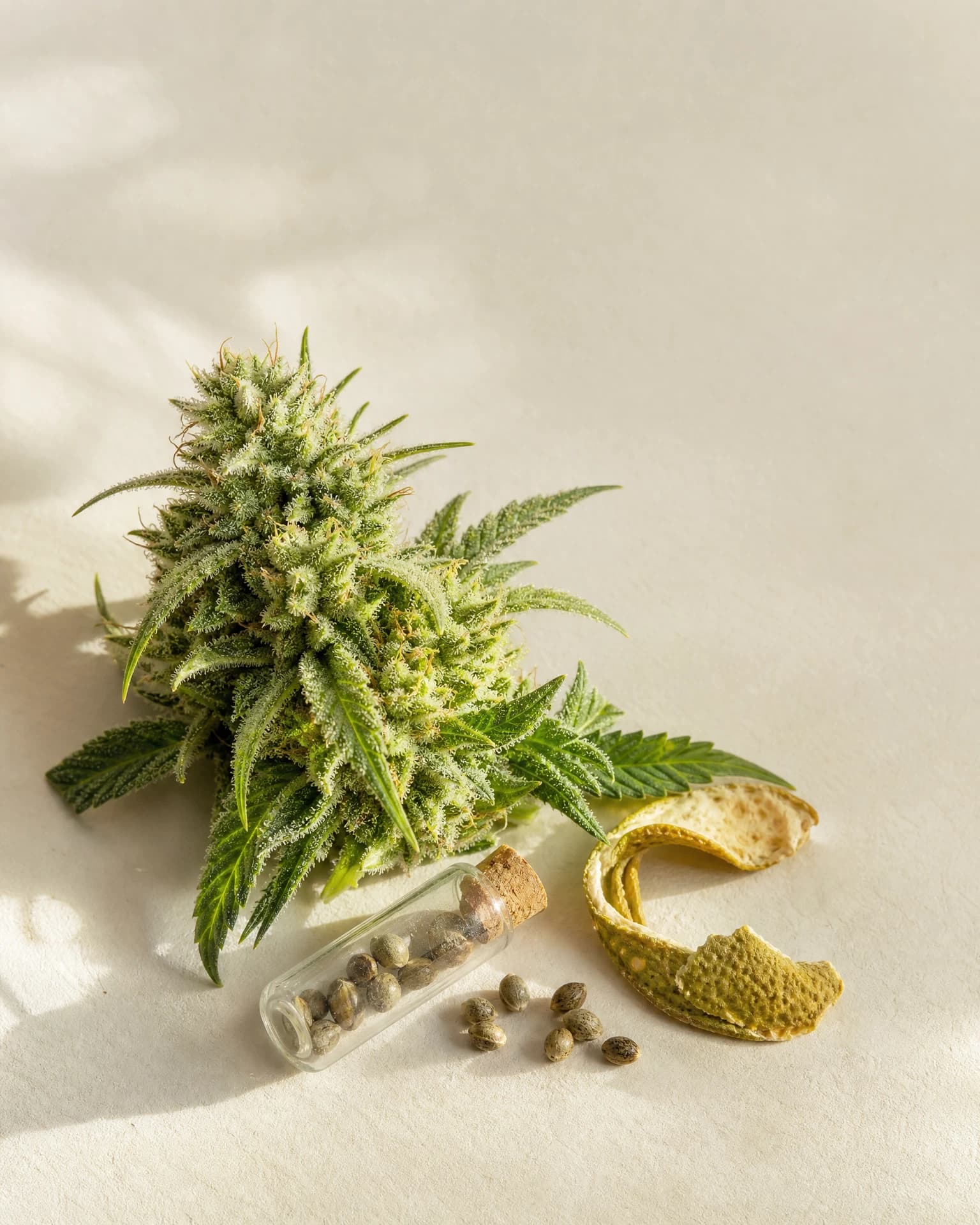
Overview
Mandarin Cookies represents a specific classification within the modern botanical records of the cannabis industry, categorized primarily as a hybrid cultivar. When examining the technical data associated with this name, researchers often encounter a variety of metrics that define its growth cycle and chemical composition. The records indicate that this particular selection is frequently described as having a slight indica dominance, often cited at approximately fifty-five percent, though some sources may describe it as a balanced hybrid depending on the specific batch or variant being analyzed. Understanding these distinctions is a fundamental part of evaluating any cultivar record, as the slight shift in genetic expression can influence the expectations of a grower or researcher. The documentation for the mandarin cookies strain provides a clear framework for its development, noting specific timelines for maturity and physical dimensions that characterize its life cycle.
The process of evaluating a breeder record requires a methodical approach to data interpretation. In the case of this cultivar, the available information serves as a baseline for understanding how the plant interacts with its environment and what chemical outputs it is expected to produce. The records suggest a high concentration of specific cannabinoids, particularly tetrahydrocannabinol, which is documented to fall within a range of twenty-five to thirty percent. This numerical range is a significant marker in the technical profile of the plant, indicating a high potential for potency that is consistent across several verified sources. However, the interpretation of these numbers should always be tempered by the understanding that laboratory results can vary based on cultivation techniques, environmental factors, and the specific phenotype being tested.
General educational context regarding hybrid cultivars is necessary to fully grasp the significance of the data provided for the mandarin cookies strain. A hybrid designation implies a complex genetic history where traits from different ancestral lines have been combined to achieve a specific outcome. In the broader context of cannabis research, these designations help categorize plants based on their morphological characteristics and reported effects, even when the exact chemical ratios are subject to natural variation. By focusing on the verified data points, such as the fifty-five percent indica lean and the specific flowering windows, researchers can develop a more accurate picture of the cultivar without relying on anecdotal or unsupported claims.
Genetics and cultivar background
The genetic history of a cultivar is the foundation upon which all other data points are built. For the mandarin cookies strain, the documented lineage points to a cross between two well-known parental lines: Girl Scout Cookies and Mandarin Sunset. This specific combination is responsible for the traits observed in the resulting hybrid, including its terpene profile and growth habits. The use of Girl Scout Cookies, specifically the Forum cut in many original records, provides a genetic backbone that is highly regarded in the industry for its specific chemical and physical properties. When this is paired with Mandarin Sunset, the resulting offspring inherits a blend of characteristics that define the Mandarin Cookies identity.
It is necessary to examine the nuances of these genetic records, as variations in the lineage can exist between different breeders or seed banks. For example, the documentation notes that a V2 variant of this cultivar exists, which uses Ethos Cookies number twelve instead of the original Forum GSC lineage. This distinction is a significant detail for researchers who are interested in the precise genetic makeup of their plants. The substitution of one parental phenotype for another, even within the same general family, can lead to subtle differences in the final expression of the cultivar. This highlights the necessity of checking current breeder sources to verify the exact lineage of the seeds being acquired, as the name alone may not always reflect the specific genetic history of the batch.
The broader study of cannabis genetics involves understanding how dominant and recessive traits are passed down through generations. When a breeder selects two parents like GSC and Mandarin Sunset, they are often looking to stabilize specific traits, such as the citrus-orange and diesel aromas mentioned in the records. The success of these breeding programs is measured by the consistency of the resulting seeds. In the case of Mandarin Cookies genetics, the focus on feminized photoperiod formats suggests a goal of providing growers with a predictable and manageable plant that retains the core characteristics of its parents. By studying the lineage, researchers can better understand why certain traits, like the apex-heavy structure or the specific flowering time, are present in the cultivar.
Plant profile and grow planning
Planning for the cultivation of a specific cultivar requires a detailed understanding of its physical requirements and growth patterns. The records for Mandarin Cookies describe a plant with an apex-heavy structure, which means that the primary growth is concentrated at the top of the plant. This morphological trait has implications for how the plant should be managed during its vegetative and flowering stages. An apex-heavy plant may require specific training techniques to ensure that light reaches the lower branches or to manage the overall height, which is documented to reach approximately one hundred and fifty centimeters. This height is a moderate figure in the context of indoor cultivation, but it still requires adequate vertical space to accommodate the plant's natural growth.
The mandarin cookies flowering time is another key factor in grow planning, documented as being between eight and ten weeks, or fifty-six to seventy days. This window is a standard duration for many hybrid cultivars, allowing for a full development of the plant's chemical profile and physical structures. When planning a cultivation cycle, growers must account for this timeframe to ensure that they have the necessary resources and environmental controls in place for the duration of the flowering phase. The variability between eight and ten weeks may depend on the specific environmental conditions, such as light intensity, temperature, and nutrient availability, as well as the specific phenotype being grown.
In addition to height and flowering time, the plant profile includes information about the expected yield and resilience, though these fields are often less standardized in breeder records. For Mandarin Cookies, the focus remains on the verified physical dimensions and the timing of the life cycle. When evaluating a plant's structure, researchers should look for information regarding internodal spacing, leaf shape, and the density of the floral clusters. While the current record specifies an apex-heavy structure, it also suggests checking current breeder sources for more detailed information on the plant's architecture. This advice is a reminder that botanical records are often snapshots of a specific breeding line and may not cover every possible variation in growth.
Aroma and flavor profile
The sensory characteristics of a cannabis cultivar are defined by its terpene profile, which is the collection of aromatic compounds produced in the plant's glandular trichomes. For Mandarin Cookies, the records highlight a dominant terpene profile characterized by citrus-orange and diesel notes. These scents are a direct result of the genetic heritage of the plant, particularly the influence of the Mandarin Sunset parent, which is often associated with strong citrus aromas. The diesel component adds a layer of complexity to the profile, creating a sensory experience that is distinct and recognizable to those who study these chemical signatures.
Understanding the role of terpenes goes beyond simple aroma and flavor; these compounds are also thought to interact with cannabinoids to influence the overall experience of the cultivar. While the records do not specify the exact percentages of individual terpenes like limonene or myrcene, the description of citrus and diesel provides a clear indication of the primary aromatic drivers. When researchers evaluate the flavor profile of a cultivar, they are looking for how these aromas translate into the taste of the final product. The presence of citrus notes often suggests a bright, acidic quality, while the diesel notes provide a more earthy, pungent undertone.
The consistency of the aroma and flavor profile is a key indicator of the quality of the breeding program. For the mandarin cookies strain, the documentation of these specific scents across multiple sources suggests that the terpene profile is a stable trait that growers can expect to find in their plants. However, it is also worth noting that environmental factors during cultivation, such as the type of nutrients used and the conditions during the drying and curing process, can significantly impact the final expression of these aromas. A well-grown plant will exhibit the full range of citrus and diesel notes, while a poorly managed one may lose some of these delicate compounds.
Reported experience context
The experience associated with a particular cultivar is often the most sought-after information, yet it is also the most subjective. In the case of Mandarin Cookies, the records provide a technical basis for understanding the experience by documenting the THC levels and the hybrid classification. With THC levels testing between twenty-five and thirty percent, this cultivar is positioned in the higher end of the potency spectrum. This high concentration of the primary psychoactive cannabinoid suggests an experience that is likely to be intense and long-lasting, though the specific nature of the effects is not detailed in the verified facts of the record.
When discussing the reported experience of a hybrid like Mandarin Cookies, it is useful to look at the indica and sativa balance. The fifty-five percent indica lean suggests a profile that may offer a blend of physical relaxation and mental stimulation, but without specific data, these remain general observations based on the cultivar's classification. Researchers should be cautious about making definitive claims about the effects of a plant based solely on its genetic makeup, as the interaction between cannabinoids and terpenes—often referred to as the entourage effect—can lead to a wide variety of outcomes. The absence of specific effect data in the record means that the focus must remain on the chemical potency and the botanical classification.
Educational prose regarding the interpretation of potency data is essential here. A THC percentage of thirty percent is a significant figure, but it is not the only factor that determines the experience. Other cannabinoids, such as CBD or CBG, and the full spectrum of terpenes all play a role in how the body and mind respond to the plant. Furthermore, individual biology and tolerance levels mean that two people may have very different experiences with the same batch of Mandarin Cookies. By focusing on the verified potency range, researchers can provide a clear and objective framework for understanding the plant's potential without straying into the category of unsupported anecdotal claims.
How to compare current breeder records
Comparing breeder records is a fundamental skill for anyone involved in the study or cultivation of cannabis. When looking at the data for Mandarin Cookies, one can see how different sources might emphasize different aspects of the plant. Some records might focus on the high THC levels, while others might provide more detail on the citrus and diesel terpene profile. The key to a successful comparison is to look for the commonalities and the discrepancies between the records. For instance, the flowering time of eight to ten weeks is consistent across the verified facts, providing a reliable data point for planning.
However, discrepancies can also be found, such as the slight variations in the indica and sativa balance. One source might describe Mandarin Cookies as a fifty-five percent indica-dominant hybrid, while another might call it a balanced hybrid. These differences are often a reflection of the specific phenotype being described or the breeder's own interpretation of the plant's characteristics. When faced with such discrepancies, it is best to look at the totality of the evidence and consider the source's reputation and the level of detail provided. The caveat in the Mandarin Cookies record specifically mentions these variations, serving as a reminder that botanical data is rarely absolute.
Another important aspect of comparing records is checking for information on specific variants or lineages. The mention of the V2 variant in specific breeder documentation is a essential detail that could be easily overlooked. By comparing this to other records that list the original GSC and Mandarin Sunset cross, a researcher can identify the specific genetic differences between the options. This level of scrutiny is necessary to ensure that the data being used is as accurate and relevant as possible. In the broader context of the industry, this practice helps to maintain transparency and accountability among breeders and retailers.
The information provided in this guide is based on a specific set of verified facts and breeder records for the Mandarin Cookies cultivar. These sources include documentation from several verified retailers, each of which provides a different perspective on the plant's characteristics. The data points, such as the eight to ten-week flowering time, the twenty-five to thirty percent THC range, and the citrus and diesel terpene profile, are all drawn directly from these records. By relying on these verified sources, we can provide an accurate and evidence-bounded description of the cultivar.
It is also necessary to acknowledge the limitations of the data. The caveat in the record notes that descriptions of dominance vary slightly and that the V2 variant uses a different lineage than the original. Furthermore, no listings were found for this cultivar at Seedsupreme or Homegrown Cannabis Co., which limits the breadth of the comparison. These missing facts and variations are a reminder that botanical records are subject to change and that researchers should always check for the most current information. The goal of these record caveats is to provide transparency about where the data comes from and how it should be interpreted.
In conclusion, the study of Mandarin Cookies is an ongoing process that requires a careful and methodical approach to data analysis. By focusing on the verified facts and being transparent about the limitations of the records, we can build a reliable foundation for future research and cultivation. The information presented here serves as a starting point for anyone interested in this hybrid cultivar, providing the necessary technical details and educational context to understand its place in the modern cannabis industry. As more data becomes available, this profile can be refined and expanded, contributing to a more comprehensive understanding of the plant and its many facets.
The study of a cultivar like Mandarin Cookies often leads to further questions that can guide future research. One such area of inquiry is the specific chemical breakdown of the terpene profile. While we know that citrus-orange and diesel are the dominant notes, a more detailed analysis of the individual terpenes and their concentrations would provide a deeper understanding of the plant's aromatic and potential therapeutic properties. Researchers might also be interested in how different environmental conditions, such as light spectrum or nutrient ratios, affect the expression of these terpenes and the overall THC levels.
Another research question involves the long-term stability of the genetics. As variants like the V2 emerge, it is necessary to track how these changes impact the consistency of the cultivar over multiple generations. Does the use of Ethos Cookies number twelve lead to a significantly different plant than the original Forum GSC cross? How do these changes manifest in the plant's morphology, flowering time, and chemical output? By asking these questions, researchers can contribute to a more detailed and comprehensive body of knowledge for the mandarin cookies strain and the wider cannabis community.
Finally, the lack of data in certain areas also presents an opportunity for research. For example, the records for Mandarin Cookies do not provide detailed information on its resistance to specific pests or diseases, nor do they offer a comprehensive guide to its nutrient requirements. Filling these gaps in the documentation would be highly beneficial for growers and would help to create a more complete profile of the cultivar. By identifying what we do not know, we can focus our efforts on the areas where more research is needed, ultimately leading to a better understanding of this complex and fascinating plant.
Frequently asked questions
What is the Mandarin Cookies strain?
This guide summarizes the documented cultivar record while separating verified details from variable grower outcomes.
Is Mandarin Cookies suitable for beginners?
Difficulty depends on the exact seed line, environment, and grow setup. Confirm current breeder guidance.
How long does Mandarin Cookies take to flower?
Flowering windows vary by phenotype and environment. Confirm the estimate for the exact breeder line.
Can Mandarin Cookies be grown indoors and outdoors?
Suitability depends on the breeder line and local climate. Compare space, humidity, temperature, and season length.
Which Mandarin Cookies seed format should I choose?
Autoflower and feminized formats serve different schedules and grow styles. Compare only documented direct records.