
Strain guide
Mazar Strain Guide: Identity, Formats and Grow Planning
Mazar is presented as a cultivar profile for planning around seed format, space, and schedule. Use the guide as general context and allow room for variation between plants and conditions.
Published in 2025. Reviewed by: Cannabis Seeds US Editorial Team.
The Mazar strain gives growers a clear identity question and a practical format decision. Its most useful planning conversation starts with Afghan and Skunk character, continues through structure and aroma, and ends with the space and workflow you can maintain.
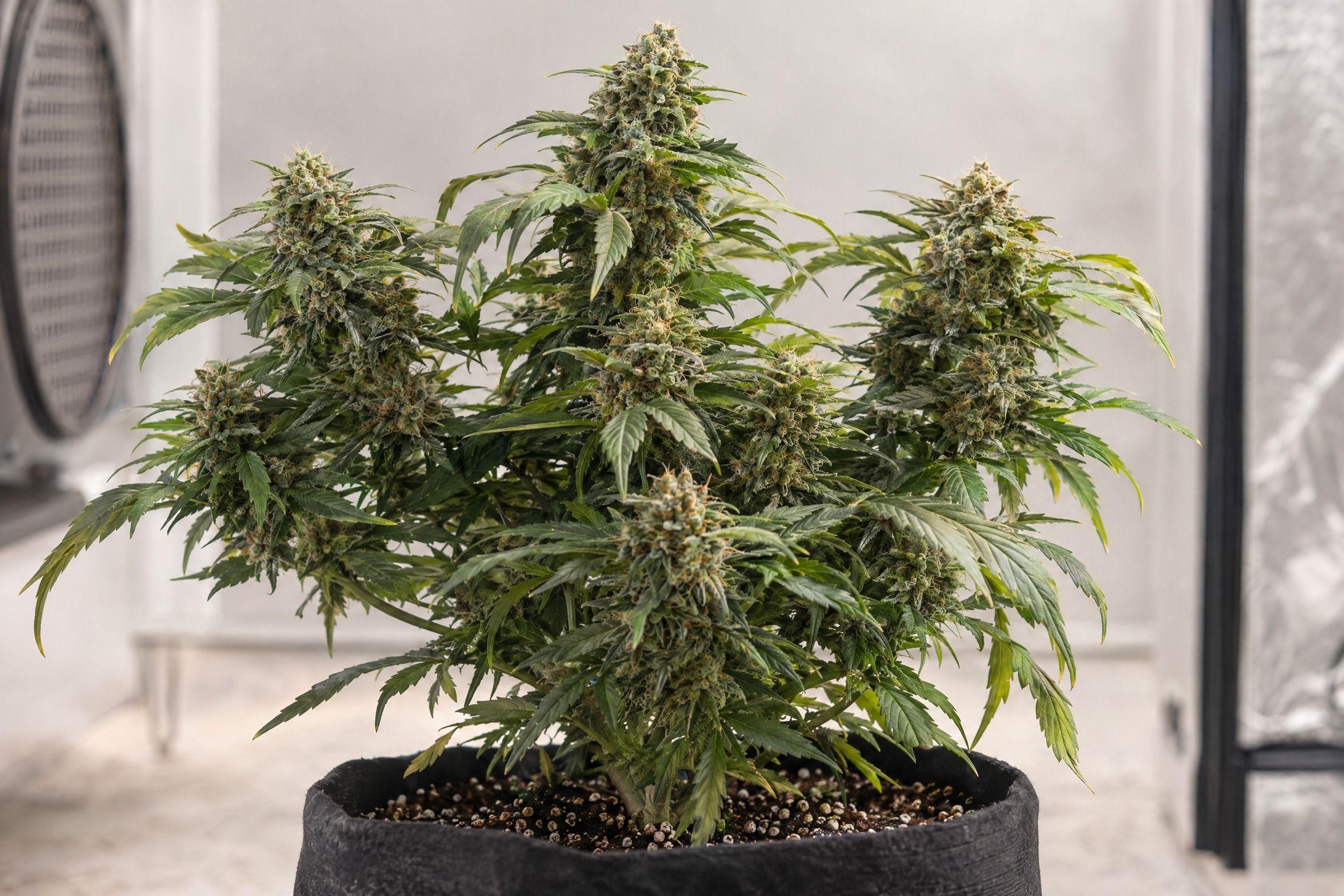
We describe Mazar as an indica-dominant photoperiod hybrid with Afghani heritage and Skunk #1 in its commonly documented background. The house profile is compact-to-medium and bushy, with sturdy lateral branches, dense resinous flowers, and an earthy, hash-like aroma layered with pine, spice or incense, and citrus or herbal lift.
This Mazar strain guide moves from identity and sensory direction into structure, space, photoperiod planning, and the choice between Feminized and Regular seed formats. Use the Mazar genetics comparison page for the family decision, or open Mazar Feminized Seeds and Mazar Regular Seeds for exact-format planning.
Mazar strain at a glance
The table is a starting brief rather than a mold for every plant. Use the exact route, current product details, local requirements, and your own space plan together when moving from interest to action.
Mazar’s identity works best when the sensory and practical sides stay connected. The earthy, pine-led vocabulary can guide preference, while the bushy structure can prompt questions about access, airflow, support, and canopy room.
The family package contains Feminized and Regular photoperiod routes. Feminized supports a female-focused workflow, while Regular keeps male-and-female selection and breeding flexibility in view.
No format label replaces observation. Keep the root zone, light position, airflow, container access, plant labeling, and local requirements visible throughout the run.
Mazar identity and lineage
Mazar is an indica-dominant hybrid with Afghani heritage and Skunk #1 in its commonly documented background. That broad identity gives the strain a useful center without reducing it to a pure Afghan landrace description.
The Afghan component helps explain the classic hash-like and pine-led direction associated with the family. The Skunk #1 background places Mazar in a hybrid context, so a somewhat more open plant expression can sit alongside the compact, bushy tendency.
Our canonical public wording keeps the lineage broad and practical. It avoids numeric composition and extended pedigree claims, allowing the name, hybrid position, structure, and aroma to remain the focus.
Mazar aroma and flavor direction
Mazar leans earthy and hash-like, with pine and spice or incense up front and a citrus or herbal lift. Some expressions may show sweeter floral or fruit notes, so the sensory direction is specific enough to guide preference while remaining flexible.
The flavor conversation follows the same family of notes. Earth and hash can anchor the profile, while pine, spice, incense, citrus, herbs, sweetness, or fruit may shift in prominence from one expression to another.
Aroma develops through more than the name on a packet. Plant maturity, handling, drying, storage, heat, light, and moisture can all affect what remains noticeable when the profile is evaluated.
Mazar plant structure
The broad structural description is compact-to-medium, bushy, and indica-leaning, with short-to-medium internodes and sturdy lateral branches. Some plants may show a more open hybrid structure, so use the profile as a layout starting point rather than a fixed shape.
A bushy canopy benefits from an arrangement that can be inspected from more than one angle. Leave room around the container, keep the interior reachable, and avoid building a crowded layout that hides lower growth.
Dense flowers make airflow an important planning question. Move air through the canopy, keep wet materials away from plant surfaces, and inspect shaded areas as development continues.
The final structure remains connected to the exact line and environment. Container position, light placement, root-zone conditions, training, temperature, humidity, and recovery all influence the shape that appears.
Space planning for Mazar
Measure usable space before starting. Account for the container, light clearance, working access, airflow equipment, support, and the room needed to inspect leaves, branches, flowers, and the root zone.
Vertical room is only one part of the decision. Horizontal access matters for branch spread, air movement, plant labeling, and the ability to work without brushing developing flowers.
Set each container where it can remain practical through the important stages of the routine. A stable position makes light, watering, training, and environmental changes easier to interpret.
Choosing the Mazar seed format
Both selected Mazar routes are photoperiod, so the key format decision is Feminized versus Regular rather than photoperiod versus autoflower. The light schedule remains part of either route, while the sex-identification workflow changes.
Feminized suits a grower who wants to reduce the work of identifying and removing male plants. That format can leave more attention for light scheduling, root-zone management, canopy access, airflow, and environmental observation.
Regular suits a grower who wants selection or breeding flexibility to remain open. Because regular seeds may include male and female plants, the plan should include clear labels, individual records, and practical separation when needed.
Format is a planning choice, not a substitute for care. Choose the route whose observation, space, and organization demands fit the project you are actually prepared to manage.
Planning Mazar Feminized seeds
The Mazar Feminized Seeds route fits a female-focused photoperiod workflow. Prepare the room, container, light, airflow, access path, and support option before deciding when a flowering transition makes sense.
Allow the plant to establish before changing the light schedule. Review the root zone, canopy development, available clearance, and environmental control, then make the transition a deliberate choice rather than a copied date.
Feminized reduces sex-identification work, but it does not remove the need for inspection. Keep a short log of light changes, watering, training, plant posture, airflow, and aroma observations so each adjustment has a clear reason.
If the female-focused workflow is your priority, open the exact route after reading the shared profile. Return to the group page when you want to compare that choice with Regular selection planning.
Planning Mazar Regular seeds
The Mazar Regular Seeds route fits a selection-oriented photoperiod workflow. Give each plant a durable identifier, keep containers easy to inspect, and decide how separation will work before the relevant stage arrives.
Regular plants may include male and female individuals, so plant-sex identification belongs on the active checklist. Keep observations attached to the correct container, and leave enough space to make decisions without crowding.
Selection benefits from a consistent environment. Keep light, root-zone care, airflow, watering, training, and notes steady enough that meaningful differences remain visible.
Choose the Regular route when selection or breeding flexibility matters more than minimizing sex-identification work. Use the family page if you need to weigh that path against the female-focused Feminized option.
Indoor Mazar planning
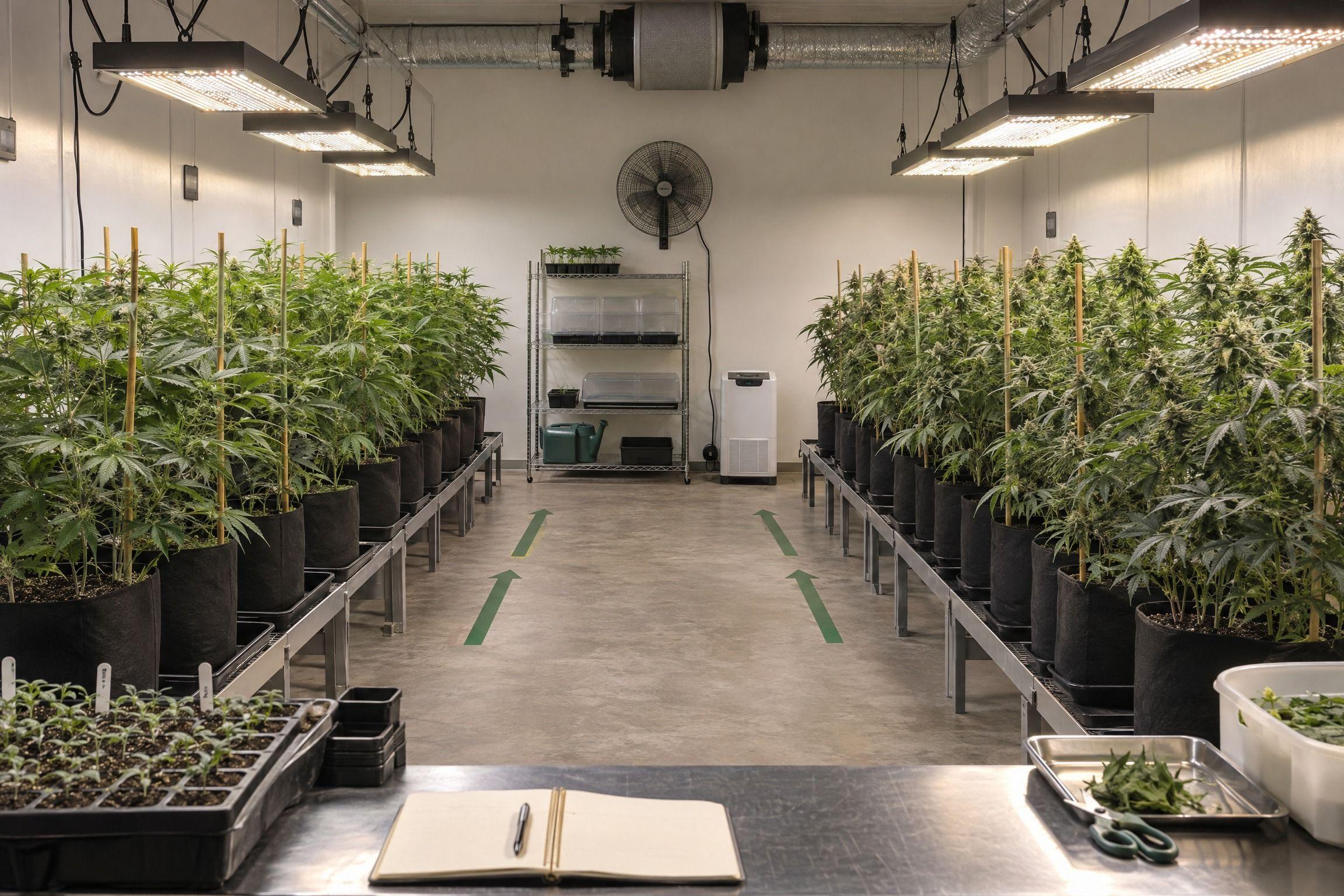
Indoor planning begins with an honest measurement of the room. Check usable space, container placement, light position, airflow, humidity management, access, support, and the number of plants the area can hold without crowding.
The root zone deserves its own checklist. Choose a container and medium that support drainage, make watering changes understandable, and leave enough room for the plant’s observed development.
Airflow should reach the interior of the canopy as well as the outer leaves. Keep plant surfaces away from wet materials, inspect shaded growth, and adjust the room when air becomes stagnant.
Outdoor Mazar planning
Choose a position that is easy to inspect and practical to reach. Good drainage and steady air movement matter, while a sheltered corner should not become so enclosed that moisture lingers around the canopy.
Feminized and Regular routes organize outdoor work differently. Feminized centers the female-focused photoperiod plan, while Regular adds plant-sex identification and possible separation to the same outdoor checklist.
Watering, feeding, and observation
A repeatable routine is more useful than a rigid one. Check the root zone, container weight, plant posture, new growth, and environmental readings before deciding whether a change is needed.
Watering depends on container size, medium, light, temperature, airflow, and plant development. Avoid copying another room’s intervals because the same Mazar name can sit in very different conditions.
Nutrition should support observation instead of replacing it. Keep notes on the input, timing, plant response, and next inspection so each adjustment has a clear reason.
Flowering and timing planning
Timing becomes useful only after the format is clear. Feminized plants use a photoperiod plan connected to the light schedule, while Regular plants add sex identification and selection decisions to that wider workflow.
For a Feminized plan, review the flowering transition after the plant has established and the room can support the intended canopy. For a Regular plan, make sex identification and separation part of the same forward-looking checklist.
Protecting the Mazar sensory profile
Aroma preservation begins with a stable late environment. Avoid unnecessary heat, moisture, abrupt changes, and rough handling that can make the earthy, pine-led direction harder to evaluate.
Visual color or surface character can be interesting, but it cannot authenticate genetics. Treat appearance as a representative observation and use the exact seed-line information for identity.
Start with the format label. The Feminized page and the Regular page share the Mazar name, but they answer different planning questions about sex identification, selection, and the photoperiod workflow.
Then compare the information with your own space. Write down usable room, container position, light clearance, airflow, access, support, water plan, local conditions, and the time you can give the plants.
Use aroma language as a preference filter. If earthy hash, pine, spice or incense, citrus, and herbal notes appeal to you, Mazar may fit the sensory direction you want to explore.
If you want a direct family comparison, open Mazar genetics. If you already know the workflow, use the Feminized page or Regular page for the next route-specific details.
Mazar format decision guide
Choose Feminized when you want a female-focused plan and less sex-identification work. Be ready to manage the photoperiod light schedule, root zone, space, airflow, support, and observation routine.
Choose Regular when you want male-and-female selection or breeding flexibility to remain available. Be ready to label plants carefully, identify sex as they develop, and organize separation when the plan requires it.
Final Mazar planning checklist
Before starting, write down the format, usable space, container plan, light position, airflow strategy, support option, access path, observation routine, and local requirements. That list keeps the central decisions visible and prevents a broad cultivar description from becoming a substitute for preparation.
During the run, watch the plant rather than forcing it to match a headline. Keep the root zone steady, make training changes deliberately, protect airflow, and record what the exact plant actually shows.
For the identity question, the Mazar strain is clear: an indica-dominant photoperiod hybrid with Afghani heritage and Skunk #1 in its commonly documented background. For the format question, choose the workflow that matches your space, schedule, and willingness to identify or select plants.
Mazar becomes most useful when its name turns into a practical plan. Start with the earthy, pine-led sensory direction, prepare the environment with margin, choose Feminized or Regular for a clear reason, and let the individual plant establish the final expression.
Frequently asked questions
What is the Mazar strain?
Mazar is an indica-dominant photoperiod hybrid with Afghani heritage and Skunk #1 in its commonly documented background. Its broad house profile includes a bushy structure, dense resinous flowers, and earthy, hash-like aroma with pine, spice or incense, and citrus or herbal lift.
What does the Mazar strain smell like?
The core aroma is earthy and hash-like, with pine, spice or incense, and a citrus or herbal edge. Some expressions may show sweeter floral or fruit notes, while handling and storage can change the balance you notice.
What are the Mazar strain genetics?
Our canonical public identity is Afghani/Afghan heritage crossed with Skunk #1 in the commonly documented background. That broad rendering supplies context without turning one label into a fixed pedigree for every expression.
Is Mazar indica or sativa?
Mazar is presented in our house profile as an indica-dominant hybrid. The classification helps frame structure and planning, but the individual plant still deserves direct observation.
Is Mazar photoperiod or autoflower?
The selected Mazar routes are photoperiod Feminized and photoperiod Regular. Plan flowering around the light schedule rather than an age-triggered autoflower routine.