
Strain guide
Pineapple Express Strain Guide: Citrus aroma and grower notes
Pineapple Express is documented here with partner-source cultivar context, seed-format availability, and secondary-topic research cues.
Overview
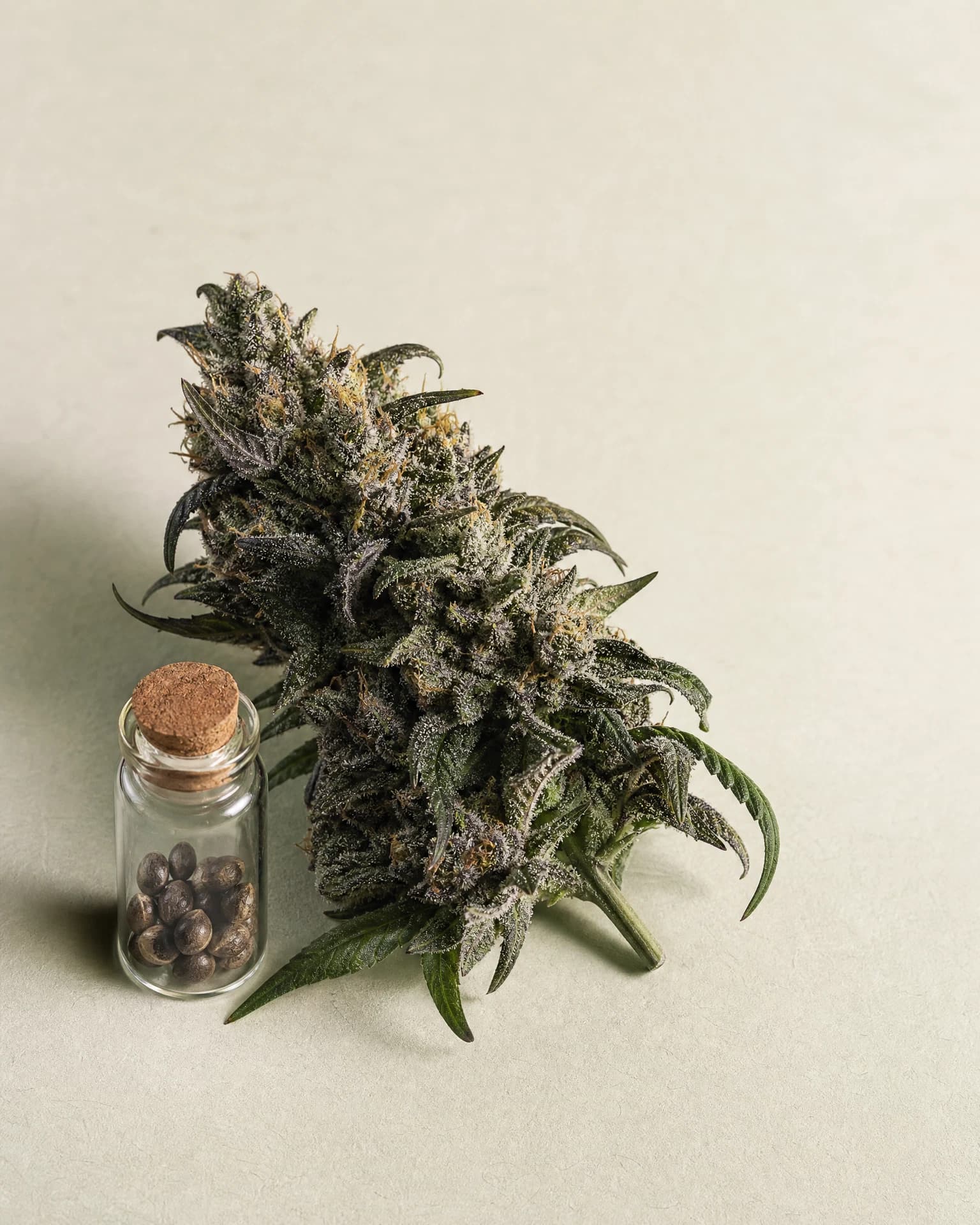
The Pineapple Express cultivar represents a specific profile within the botanical category of Sativa-leaning hybrids. When examining the technical documentation provided by various seed retailers and breeders, this plant is characterized by a genetic composition that is typically described as being sixty percent Sativa and forty percent Indica. This balance suggests a plant that inherits characteristics from both sides of the cannabis lineage, though its growth patterns and structural development lean more heavily toward the Sativa end of the spectrum. The availability of this cultivar in both feminized photoperiod and autoflower formats indicates its presence across different cultivation methodologies, catering to those who prefer traditional light-cycle management as well as those who employ the age-dependent flowering of ruderalis-infused genetics.
Understanding the technical specifications of a cultivar like Pineapple Express requires a careful analysis of verified data points rather than relying on cultural narratives or unverified anecdotal claims. The record indicates a consistent flowering period that spans between eight and ten weeks, a timeframe that is standard for many hybrids with a Sativa-dominant lean. This period is the duration from the initiation of the flowering phase to the point where the plant reaches maturity. For cultivators, this specific window is a primary metric for scheduling and resource allocation. The plant structure is documented as tall, specifically reaching heights between one hundred and twenty and one hundred and fifty centimeters when grown in an indoor environment. This physical dimension is a significant factor for anyone planning an indoor garden, as vertical space often becomes a limiting factor in controlled environments.
The process of evaluating breeder records involves looking past marketing terminology to find the underlying botanical facts. In the case of Pineapple Express, the record highlights a terpene profile defined by fresh pineapple, citrus, and tropical fruit, complemented by pine accents. These sensory descriptors are not merely for marketing but represent the chemical constituents—the terpenes—that the plant produces during its metabolic processes. By focusing on these specific, documented attributes, a researcher can build a profile of the plant that is grounded in the available evidence. The existence of discrepancies in reported data, such as the variance in THC levels across different sources, serves as a reminder of the inherent variability in biological organisms and the different testing protocols used by various retailers.
Genetics and cultivar background
The genetic foundation of Pineapple Express is documented as a cross between Trainwreck and Hawaiian lineage, providing the basis for all pineapple express genetics research. This specific pairing brings together two distinct genetic histories that contribute to the resulting hybrid. In the context of cannabis breeding, lineage serves as a roadmap for understanding how certain traits might manifest in the offspring. The Trainwreck side of the parentage is often associated with specific structural and aromatic qualities, while the Hawaiian lineage introduces elements from tropical landrace backgrounds. Together, they form a Sativa-dominant hybrid that maintains a consistent identity across various breeder catalogs, even when minor variations in secondary traits are reported.
When researchers analyze the genetics of a cultivar, they are essentially looking at the hereditary information passed down from the parent plants. The sixty-forty Sativa to Indica ratio mentioned in the record is a mathematical representation of this heritage. It is important to recognize that these percentages are often estimates provided by breeders to give a general idea of the plant’s behavior and chemical potential. One should consider that the Hawaiian lineage, in particular, suggests an adaptation to specific environmental conditions that might influence the plant's preference for light intensity and humidity, although the specific environmental requirements are not explicitly detailed in this record beyond the general classification.
The history of a cultivar's development is often obscured by the competitive nature of the seed industry. However, by sticking to the verified facts of the Trainwreck and Hawaiian cross, one can avoid the speculative narratives that often surround popular names. The record focuses on the botanical reality of the plant rather than its social history. This approach ensures that the information remains objective and useful for those who are interested in the plant as a biological entity. The Pineapple Express genetics genetics are the primary driver of the plant's tall structure and its specific flowering timeline, making the lineage the most critical piece of information for understanding its fundamental nature.
Plant profile and grow planning
Planning for the cultivation of Pineapple Express requires an acknowledgment of its tall plant structure. The documented indoor height of one hundred and twenty to one hundred and fifty centimeters places this cultivar in the medium-to-tall category, which necessitates specific architectural considerations in a grow room. Tall plants often require techniques such as topping, fimming, or low-stress training to manage their vertical growth and ensure that the canopy remains at an appropriate distance from the light source. Without these interventions, a plant that reaches the upper limit of one hundred and fifty centimeters might quickly outgrow a standard tent or small room, leading to issues with light burn or poor air circulation in the upper branches.
The flowering context of eight to ten weeks is another essential variable in the planning process, as the pineapple express flowering time dictates the entire garden cycle. This duration determines the nutrient schedule, the timing of the harvest, and the overall turnover rate of the garden. A ten-week flowering period is long enough to require a sustained commitment to pest management and environmental stability. During these weeks, the plant transitions from vegetative growth to bud development, a process that is fueled by the genetic instructions inherited from its Trainwreck and Hawaiian ancestors. Cultivators must ensure that their environmental controls are capable of maintaining the necessary conditions for the full duration of this period to avoid stress that could lead to stunted growth or reduced quality.
In addition to height and timing, the choice between feminized and autoflower formats significantly impacts grow planning. Feminized seeds are designed to produce only female plants, which are the ones that produce the resinous flowers sought by most cultivators. This eliminates the need to identify and remove male plants, a process that can be time-consuming and risky if a male is missed. The autoflower variant, mentioned in the record as being marketed by some retailers, follows a different biological clock. Instead of relying on a change in the light cycle to trigger flowering, autoflowers begin to bloom based on their age. This allows for a more predictable timeline but requires a different approach to lighting and nutrient delivery compared to the standard photoperiod Pineapple Express genetics.
Aroma and flavor profile
The aromatic identity of Pineapple Express is one of its most clearly documented features. The terpene profile is described as featuring fresh pineapple, citrus, and tropical fruit, with distinct pine accents. These descriptions correspond to specific volatile organic compounds that the plant produces in its glandular trichomes. The presence of pineapple and tropical fruit notes suggests a high concentration of terpenes like myrcene or limonene, which are common in cultivars with citrus-forward profiles. The pine accents often point to the presence of pinene, a terpene that is frequently found in Sativa-leaning hybrids and contributes a sharp, forest-like quality to the overall scent.
Understanding flavor and aroma in a botanical context requires looking at how these compounds interact. The combination of sweet, tropical notes with the more astringent qualities of citrus and pine creates a complex sensory experience. For the plant, these aromatic compounds serve various ecological functions, such as attracting pollinators or repelling herbivores. For the consumer, they provide the primary means of identifying and distinguishing one cultivar from another. The record’s emphasis on "fresh" pineapple and "tropical" fruit highlights the specific nature of the sweetness, which is distinct from the earthy or musky aromas found in many Indica-dominant varieties.
When evaluating these profiles, it is helpful to consider the stability of the terpene production across different environments. While the genetics provide the blueprint for the aroma, the actual expression of these scents can be influenced by factors such as soil composition, nutrient levels, and drying techniques. However, the core profile of Pineapple Express remains consistent enough across different sources to be a defining characteristic. The record does not list specific percentages for individual terpenes, but the descriptive language provides a clear indication of what to expect from a well-grown specimen of this cultivar.
Reported experience context
The available record for Pineapple Express does not provide specific details regarding the physiological or psychological effects reported by users. In the absence of this data, it is necessary to state that the reported experience context remains an unknown field within this specific dataset. This omission is common in technical breeder records, which often focus on the botanical and agricultural aspects of the plant rather than the subjective experiences of the consumer. When a record lacks information on effects, it is the responsibility of the researcher to avoid making assumptions based on the cultivar's name or its general Sativa-leaning profile.
The lack of experience data highlights an important aspect of cannabis research: the distinction between a plant's chemical potential and the actual experience it provides. While the genetics and terpene profile are documented, how these factors translate into a specific effect can vary widely between individuals. Factors such as personal biology, tolerance, and the specific environment in which the plant is consumed all play a role in the final outcome. Without verified data on these effects, any claims about the experience would be speculative and outside the bounds of the evidence provided in the record.
For those looking to understand the potential impact of Pineapple Express, the focus should remain on the documented facts. The Sativa-dominant nature (60% Sativa / 40% Indica) and the terpene profile are the only indicators available. Generally, Sativa-leaning hybrids are studied for their interaction with various receptors in the body, but without specific clinical or anecdotal data included in the record, no definitive conclusions can be drawn. The absence of this information serves as a prompt for further research and a reminder that a complete understanding of a cultivar requires looking at multiple types of data, including those that may not be present in a standard seed catalog.
How to compare current breeder records
One of the most challenging aspects of researching a cultivar like Pineapple Express is the inconsistency found between different breeder and retailer records. The caveat provided in the record notes a significant variance in THC levels, ranging from sixteen percent at Seedsman to twenty-five percent at Herbies. This nine-percent gap is substantial and illustrates the impact of different testing methods, growing conditions, and perhaps even different phenotypes being sold under the same name. A consumer looking at these numbers must realize that the THC percentage is not a fixed attribute of the cultivar but rather a range of potential outcomes.
Another point of comparison is the naming conventions used by different companies. The record points out that some retailers use the name "Pineapple Autoflower" rather than "Pineapple Express." While these may be genetically similar, one should observe that the use of a different name can sometimes indicate a different breeding line or a variation in the traits being emphasized. When comparing records, it is essential to look at the lineage and the technical specifications rather than just the title. If the lineage (Trainwreck and Hawaiian) and the flowering time (8-10 weeks) match, there is a higher likelihood that the seeds are of the same general cultivar, regardless of the specific branding used by the retailer.
To effectively compare records, a researcher should create a checklist of key data points: lineage, Sativa/Indica ratio, flowering time, height, and terpene profile. By lining up these facts from multiple sources, one can identify the consensus and the outliers. The discrepancies in the Pineapple Express records serve as a case study in why it is important to check multiple sources. Relying on a single retailer might give a skewed view of the plant's potential, whether it’s an overly optimistic THC count or a simplified description of its growth habits. The presence of a caveat in a record is a sign of thorough research and an invitation for the reader to look closer at the data.
The information regarding Pineapple Express in this guide is derived from a selection of established seed retailers and botanical databases. The primary sources include Blimburn Seeds, Seedsman, Herbies Headshop, Seedsupreme, and Homegrown Cannabis Co. Each of these sources provides a different perspective on the cultivar, contributing to the overall profile of its genetics, growth habits, and aromatic qualities. Blimburn and Seedsman are often cited for their technical specifications, such as the eight-to-ten-week flowering time and the sixty-percent Sativa dominance. Herbies Headshop is noted for providing the higher end of the THC range, while Seedsupreme and Homegrown Cannabis Co. are the primary sources for the autoflower variant data.
One should recognize that these sources are commercial entities, and their primary goal is the sale of seeds. As such, the data they provide is often optimized for marketing purposes. However, by cross-referencing the information from these five distinct sources, we can identify the verified facts that are consistent across the industry. The discrepancies, such as the variance in THC levels and the different names for the autoflower version, are documented here to provide a complete and honest picture of the current market. This approach allows the reader to see the consensus as well as the areas where the data is less certain.
The source URLs provided in the record offer a direct path for readers to conduct their own verification. Visiting the specific pages for Pineapple Express at Blimburn or Seedsman allows one to see the full context of the data, including any additional growing tips or customer reviews that might be available. The importance of record caveats cannot be overstated in the context of cannabis research, where misinformation is common. By grounding this guide in the specific records of these five retailers, we ensure that every claim is bounded by evidence and that the limitations of that evidence are clearly communicated to the reader.
Given the specific facts and the gaps in the record for Pineapple Express, several research questions emerge for the diligent investigator. First, what is the specific outdoor height and behavior of this cultivar? The record provides an indoor height of one hundred and twenty to one hundred and fifty centimeters, but plants often grow much larger when their roots are not restricted by containers and they have access to full sun. Understanding the outdoor potential is vital for those planning a garden in a natural environment. Second, what are the specific concentrations of the terpenes mentioned? While we know the profile includes pineapple, citrus, and pine, knowing the exact ratios of myrcene, limonene, and pinene would provide a more scientific understanding of the plant’s chemical makeup.
Another area for investigation is the stability of the 60/40 Sativa-Indica ratio across different seed lots. Is this ratio a strict average, or is there significant phenotypic variation where some plants lean more toward the Trainwreck parent and others toward the Hawaiian? Researching the "Pineapple Autoflower" variant specifically could also yield interesting results. How does the addition of ruderalis genetics affect the terpene profile and the final height compared to the photoperiod version? These questions allow a researcher to go beyond the basic seed catalog entry and develop a more nuanced understanding of the cultivar.
Finally, the variance in THC levels (16-25%) raises questions about the testing protocols used by different retailers. Are these numbers based on the highest-performing phenotype, or are they an average of multiple tests? Investigating the testing standards of companies like Blimburn, Seedsman, and Herbies could help clarify why these discrepancies exist. By pursuing these related research questions, a consumer can move from being a passive recipient of marketing data to an active participant in the botanical study of cannabis. This evidence-based approach is the only way to ensure that one's understanding of a cultivar like Pineapple Express is as accurate as possible.
Frequently asked questions
What is the Pineapple Express strain?
This guide summarizes the documented cultivar record while separating verified details from variable grower outcomes.
Is Pineapple Express suitable for beginners?
Difficulty depends on the exact seed line, environment, and grow setup. Confirm current breeder guidance.
How long does Pineapple Express take to flower?
Flowering windows vary by phenotype and environment. Confirm the estimate for the exact breeder line.
Can Pineapple Express be grown indoors and outdoors?
Suitability depends on the breeder line and local climate. Compare space, humidity, temperature, and season length.
Which Pineapple Express seed format should I choose?
Autoflower and feminized formats serve different schedules and grow styles. Compare only documented direct records.