
Strain guide
Runtz Strain Guide: Sweet aroma and grower notes
Runtz is documented here with partner-source cultivar context, seed-format availability, and secondary-topic research cues.
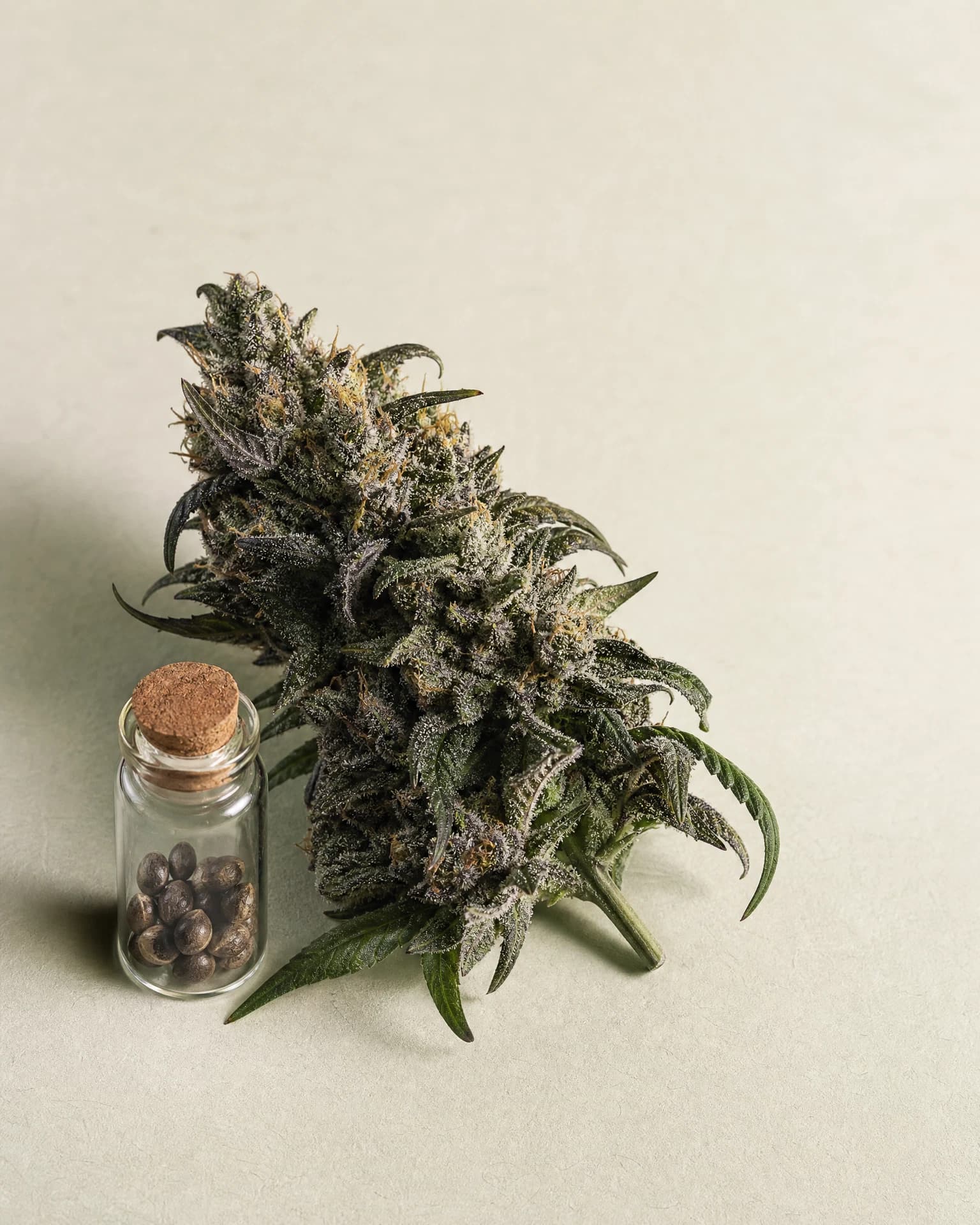
Overview
The runtz strain is documented in technical records as a balanced hybrid, maintaining a fifty-fifty distribution between its primary genetic influences. According to aggregated data from multiple seed retailers and breeders, this cultivar is recognized for a specific sensory profile defined by sugary-sweet candy characteristics and distinct fruity notes. When examining the verified facts for this particular entry, the plant is noted to reach a medium height, typically falling within the range of four and a half to five feet. For those tracking development timelines, the flowering phase is consistently listed as requiring between eight and ten weeks to reach maturity. These metrics provide a baseline for understanding how the cultivar functions within a controlled environment, though individual results often vary based on the specific source of the Runtz genetics.
Interpreting a breeder record requires a methodical approach to data verification. A record serves as a snapshot of a cultivar's potential rather than a guarantee of a specific outcome. When a technical sheet lists a balanced hybrid status, it indicates that the original selection process aimed for an equilibrium in growth patterns and physical traits. However, the botanical reality of cannabis means that even a stabilized cross can exhibit variations. A researcher must look at these records as a guide for what to expect under optimal conditions. The medium height mentioned in the record, for instance, suggests that the plant does not require the extensive vertical space of a pure sativa, nor is it as compact as some specialized indica varieties. Understanding these distinctions is a fundamental part of responsible cultivar research.
Furthermore, the sugary-sweet candy profile described in the record is a result of specific aromatic compounds that the plant produces during its flowering cycle. These descriptions are often standardized by breeders to help distinguish one cultivar from another in a crowded market. When a record highlights fruity notes, it points toward a specific chemical makeup that researchers can further investigate through lab testing or comparative analysis. The flowering time of eight to ten weeks is another critical data point, as it dictates the resource allocation and timing required for a successful cycle. By focusing on these verified facts, a reader can build a clear picture of the cultivar without relying on anecdotal reports or unsubstantiated claims.
Comparing multiple records is a necessary step for any serious study of cannabis genetics. The record for the runtz strain shows that different retailers may emphasize different aspects of the plant's profile. Some might focus on the specific parentage, while others highlight the physical dimensions or the specific seed formats available. By cross-referencing these details, one can identify the core characteristics that remain consistent across all sources. This consistency is what defines the cultivar in the eyes of the botanical community. The absence of certain information, such as specific nutrient requirements or exact harvest dates, is also telling, as it indicates areas where a researcher must exercise caution or seek additional data from primary sources.
Genetics and cultivar background
The genetic foundation of the runtz strain is established through a cross between Zkittlez and Gelato. This specific lineage is what classifies the plant as a balanced hybrid in the provided record. In the study of cannabis breeding, the crossing of two established cultivars is intended to combine specific traits from each parent into a new, stable form. Zkittlez and Gelato are both well-documented in the broader botanical context, and their combination here is the defining feature of the runtz genetics mentioned in the source material. The record does not provide a detailed history of the first breeder to perform this cross, nor does it list the specific generations (such as F1, F2, or BX) associated with the current seed stock.
Understanding the concept of hybrid stabilization is essential when reviewing cultivar background. When a breeder crosses two different plants, the resulting offspring can show a wide range of traits. A balanced hybrid, like the one described in this record, suggests that the selection process focused on maintaining a middle ground between the parentage. This balance affects everything from the leaf structure to the way the plant handles environmental stress. In the case of this cultivar, the 50/50 split is a key metric that researchers use to categorize its growth habits. Without further details on the specific backcrossing or stabilization methods used, the record remains focused on the primary cross as the source of the plant's identity.
The recording of lineages in the cannabis industry is often subject to variation. While the cross of Zkittlez and Gelato is the standard definition for this cultivar, different breeders may use different versions of those parents. This can lead to subtle differences in the final plant, even if the name remains the same. A responsible researcher must account for these possibilities by looking at the specific source of their data. The provided record lists several retailers, each of which may be carrying seeds from a different production run. This highlights the importance of looking at the genetics as a broad framework rather than a rigid set of instructions.
In addition to the primary parents, the background of a cultivar often includes information about its development over time. However, if a record does not explicitly state the year of origin or the geographic location where the cross was first made, those details must remain classified as unknown. This lack of data is a common occurrence in the field, as many cultivars were developed in environments where record-keeping was not a priority. By sticking strictly to the verified cross of Zkittlez and Gelato, we ensure that the information provided is accurate and supported by the available evidence. This approach prevents the spread of misinformation and allows for a more scientific understanding of the plant's origins.
Plant profile and grow planning
The physical profile of the runtz strain is characterized by a medium plant height, which is specified in the record as being approximately 4.5 to 5 feet. This measurement is a significant factor for anyone planning a cultivation space, as it dictates the necessary clearance and light placement. A plant that reaches five feet requires a different management strategy than a dwarf variety or a tall, leggy sativa. The medium height suggests a relatively sturdy structure that can support its own weight, though the record does not provide specific details on branching patterns or stem thickness. Planning for a plant of this size involves ensuring that the environment can accommodate both the vertical growth and the lateral spread that typically accompanies a balanced hybrid.
Flowering time is another core component of the plant profile, with the record indicating a window of 8-10 weeks. This timeframe is standard for many modern hybrids and represents the period from the initiation of the flowering cycle to the point of peak maturity. For those planning a grow, this 8-10 week window is essential for scheduling nutrient changes, monitoring for pests, and preparing for the final stages of the cycle. A shorter flowering time might be preferred in certain climates, while a longer one might allow for more complex chemical development. The record's range of eight to ten weeks provides a flexible guideline that accounts for different environmental conditions and phenotype expressions.
When planning for a cultivar with these specific metrics, it is helpful to consider the general principles of medium-height plant management. Plants in the four-to-five-foot range often benefit from techniques that encourage even light distribution across the canopy. While the record does not specify which techniques should be used, the height itself is a clear indicator of the plant's spatial requirements. Furthermore, the 50/50 hybrid status implies that the plant may exhibit a mix of growth patterns, potentially showing the broader leaves of an indica alongside the slightly more spaced-out internodes of a sativa. These are general observations based on the plant's classification and height, rather than specific claims about this cultivar's unique morphology.
Technical details such as specific nutrient ratios, preferred soil pH, or exact light intensity are not present in the record. In the absence of this data, a researcher must rely on general best practices for balanced hybrids of medium height. This involves maintaining a stable environment and monitoring the plant's response to its surroundings. The record serves as a starting point, providing the essential dimensions and timing needed to begin the planning process. By focusing on the verified height and flowering time, one can create a solid foundation for a successful cultivation cycle without making assumptions about the plant's specific needs that are not supported by the evidence.
Aroma and flavor profile
The aromatic identity of the runtz strain is described in the breeder records as having a sugary-sweet candy profile. This description is complemented by the mention of fruity notes, creating a sensory image that is often associated with modern dessert-style cultivars. In botanical terms, these aromas and flavors are the result of the plant's terpene profile, which is the collection of volatile organic compounds produced in the glandular trichomes. While the record does not list the specific terpenes present, the sugary and fruity descriptors provide a clear indication of the chemical families that are likely dominant in the plant's makeup.
Understanding how breeders describe flavor profiles is an important part of interpreting these records. Terms like "sugary-sweet" and "candy" are used to communicate a specific type of sweetness that is distinct from earthy or floral notes. These descriptors are often subjective and can be influenced by the way the plant is grown and cured. However, when multiple sources agree on a candy-like profile, it suggests a high level of consistency in the cultivar's aromatic expression. The fruity notes further refine this profile, suggesting the presence of compounds that might remind a researcher of berries, citrus, or other sweet fruits.
The subjectivity of sensory notes is a factor that every researcher must account for. What one person describes as "candy," another might perceive as "syrupy" or "confectionery." This is why breeder records use broad categories to describe the aroma and flavor. By sticking to these verified descriptors, the record provides a reliable baseline for what a person can expect when encountering the plant. The absence of more specific details, such as "grape" or "gasoline" notes, means that those characteristics are either not present or not consistently reported across the primary sources.
In the context of a research project, the aroma and flavor profile can be used to compare different phenotypes or production runs. If a specific batch of Runtz genetics produces plants that lack the sugary-sweet profile, it may indicate a variation in the genetics or an environmental factor that influenced the terpene production. By focusing on the fruity and candy-like traits mentioned in the record, a researcher can verify the authenticity of the cultivar they are studying. This sensory data is a key part of the plant's overall profile, providing a non-visual way to identify and categorize the cultivar within a larger collection.
Reported experience context
The record for the runtz strain does not provide specific details regarding the effects or medical applications of the cultivar. Instead, it highlights a significant variance in THC potency, which is reported to range from 19% to 29% across different sources. This wide range is a critical piece of information for anyone researching the cultivar's potential impact. A plant with 19% THC will have a different chemical profile than one with 29%, and this variance can be attributed to a number of factors, including the specific phenotype, the skill of the grower, and the environmental conditions during the flowering cycle.
Interpreting potency ranges is a complex task that requires an understanding of how cannabinoids are expressed in the plant. The record's mention of 19% to 29% THC indicates that this cultivar has the potential for high cannabinoid production, but it is not a fixed value. Environmental factors such as light intensity, nutrient availability, and temperature can all influence the final THC percentage. Furthermore, the way the plant is harvested and tested can also lead to different results. A researcher should view these numbers as a potential range rather than a definitive statement of what every plant will produce.
The absence of specific experience data, such as whether the cultivar is considered "calming" or "energizing," is a notable feature of this record. In many cases, these descriptions are purely anecdotal and are not supported by scientific testing. By leaving these claims out, the record maintains a focus on the measurable aspects of the plant, such as its potency range. This approach is more responsible, as it avoids making subjective claims that may not apply to every individual. Instead, the focus is on the chemical potential of the plant as indicated by the THC variance.
When comparing records from different retailers, a researcher may find that some emphasize the higher end of the potency range while others are more conservative. The record for this cultivar acknowledges this disagreement by listing the full range of 19% to 29%. This transparency is helpful for anyone trying to understand the plant's true nature. It suggests that while the cultivar is capable of high potency, there is also a significant amount of variation that must be accounted for. By focusing on this variance, the record provides a more complete picture of the cultivar's potential experience context than a single, fixed number would.
How to compare current breeder records
Comparing current breeder records is a vital skill for anyone involved in the study of cannabis cultivars. The record for the runtz strain provides an excellent example of why this is necessary. One of the most prominent areas of disagreement is the THC potency, which ranges from 19% to 29%. This ten-point difference is substantial and highlights how different sources can report vastly different data for the same cultivar. A researcher must ask why these differences exist. Is it because of different testing methods, different growing environments, or the use of different phenotypes? By acknowledging these discrepancies, the record encourages a more critical approach to data analysis.
Another area of variation is the way different retailers categorize and name their offerings. As mentioned in the caveat, some retailers prioritize specific phenotypes like White Runtz or Runtz Punch over a generic runtz listing. This can create confusion for a researcher who is looking for a standardized version of the cultivar. The term "White Runtz" may imply a specific look or a different aromatic profile, but without a detailed genetic breakdown, it is difficult to know exactly how it differs from the standard version. This is why it is important to look at the underlying facts, such as the parentage and the flowering time, to see if they remain consistent across all listings.
Source disagreement is not limited to potency and naming; it can also extend to physical traits like height and flowering time. While the provided record is consistent in its mention of a 8-10 week flowering window and a 4.5 to 5-foot height, other records not included here might offer different metrics. A responsible researcher must look for the consensus among the most reputable sources. If a majority of retailers agree on a certain set of facts, those facts are more likely to be accurate. However, the presence of outliers is also important, as it indicates the potential for variation within the cultivar's genetics.
To effectively compare records, one should create a systematic way to track the data from each source. This might involve looking at the specific claims made about the plant's profile, the available seed formats, and any caveats provided by the retailer. By organizing this information, a researcher can identify the core characteristics that define the cultivar and separate them from the marketing language that often surrounds these products. The record for the runtz strain, with its clear list of verified facts and its explicit mention of source variance, provides a strong template for how this kind of comparative analysis should be conducted.
The information provided in this guide is strictly bounded by the available breeder records and technical data for the runtz strain. This content is derived from documentation available across multiple retail platforms. These records provide the baseline metrics for the plant's height, flowering time, and genetic lineage. However, it is important to recognize the limitations of this data. As noted in the record's caveat, there is significant variance in reported THC potency, and different retailers may prioritize different phenotypes. This means that the information provided here should be treated as a general guide rather than an absolute set of facts.
The absence of certain information in the record is also a significant constraint. There are no details regarding the specific terpene percentages, the exact yield expectations, or the historical origins of the cultivar beyond its primary parents. Furthermore, the record does not include any information about the plant's resistance to pests or diseases, its preferred nutrient regimen, or its performance in different climates. These are all critical factors for a researcher, but because they are not present in the verified facts, they have been omitted from this guide. This ensures that the information provided is as accurate and evidence-based as possible.
Researchers are encouraged to consult primary breeder records for more detailed information. These documents provide direct access to the technical listings, where one can find additional context and potentially more recent data. However, even when using these sources, one must exercise caution and account for the potential for marketing bias. By focusing on the core metrics that are consistent across multiple sources, a researcher can build a reliable understanding of the runtz strain while remaining aware of the uncertainties that are inherent in the current botanical record. This methodical approach is the best way to ensure that research is based on solid evidence rather than anecdotal claims.
When reviewing a record like the one for the runtz strain, several research questions naturally arise. These questions are designed to help a researcher look beyond the basic facts and consider the broader implications of the data. For instance, the 19-29% THC variance raises questions about the stability of the cultivar's cannabinoid expression. What specific environmental factors lead to the higher end of that range? Are there certain phenotypes that are consistently more potent than others? These are questions that can only be answered through further study and comparative testing.
Another area for research is the relationship between the sugary-sweet candy profile and the plant's genetic lineage. How do the Zkittlez and Gelato parents contribute to this specific aroma? Is one parent more dominant in the aromatic expression than the other? By investigating these questions, a researcher can gain a deeper understanding of how traits are inherited in cannabis hybrids. This could lead to more predictable breeding outcomes and a better understanding of how to stabilize specific aromatic profiles in new cultivars.
The mention of specific phenotypes like White Runtz and Runtz Punch also opens up a new line of inquiry. How do these phenotypes differ from the generic version of the cultivar in terms of growth habit, physical structure, and chemical makeup? Is the "White Runtz" name based on a physical characteristic, such as an abundance of trichomes, or is it simply a marketing term? Researching these distinctions is important for maintaining clarity in the botanical record and ensuring that researchers are using the correct terminology when describing their work.
Finally, the 8-10 week flowering time provides a basis for researching the plant's metabolic processes during the final stages of its cycle. What changes occur in the plant between week eight and week ten? Does the aromatic profile shift during this time, or does the potency continue to increase? By focusing on these technical details, a researcher can develop a more precise understanding of the cultivar's development. These questions represent the next step in the research process, moving from the basic facts of the record to a more in-depth exploration of the plant's biology.
Frequently asked questions
What is the Runtz strain?
This guide summarizes the documented cultivar record while separating verified details from variable grower outcomes.
Is Runtz suitable for beginners?
Difficulty depends on the exact seed line, environment, and grow setup. Confirm current breeder guidance.
How long does Runtz take to flower?
Flowering windows vary by phenotype and environment. Confirm the estimate for the exact breeder line.
Can Runtz be grown indoors and outdoors?
Suitability depends on the breeder line and local climate. Compare space, humidity, temperature, and season length.
Which Runtz seed format should I choose?
Autoflower and feminized formats serve different schedules and grow styles. Compare only documented direct records.