
Strain guide
Strawberry Banana Strain Guide: Berry aroma and grower notes
Strawberry Banana is documented here with partner-source cultivar context, seed-format availability, and secondary-topic research cues.
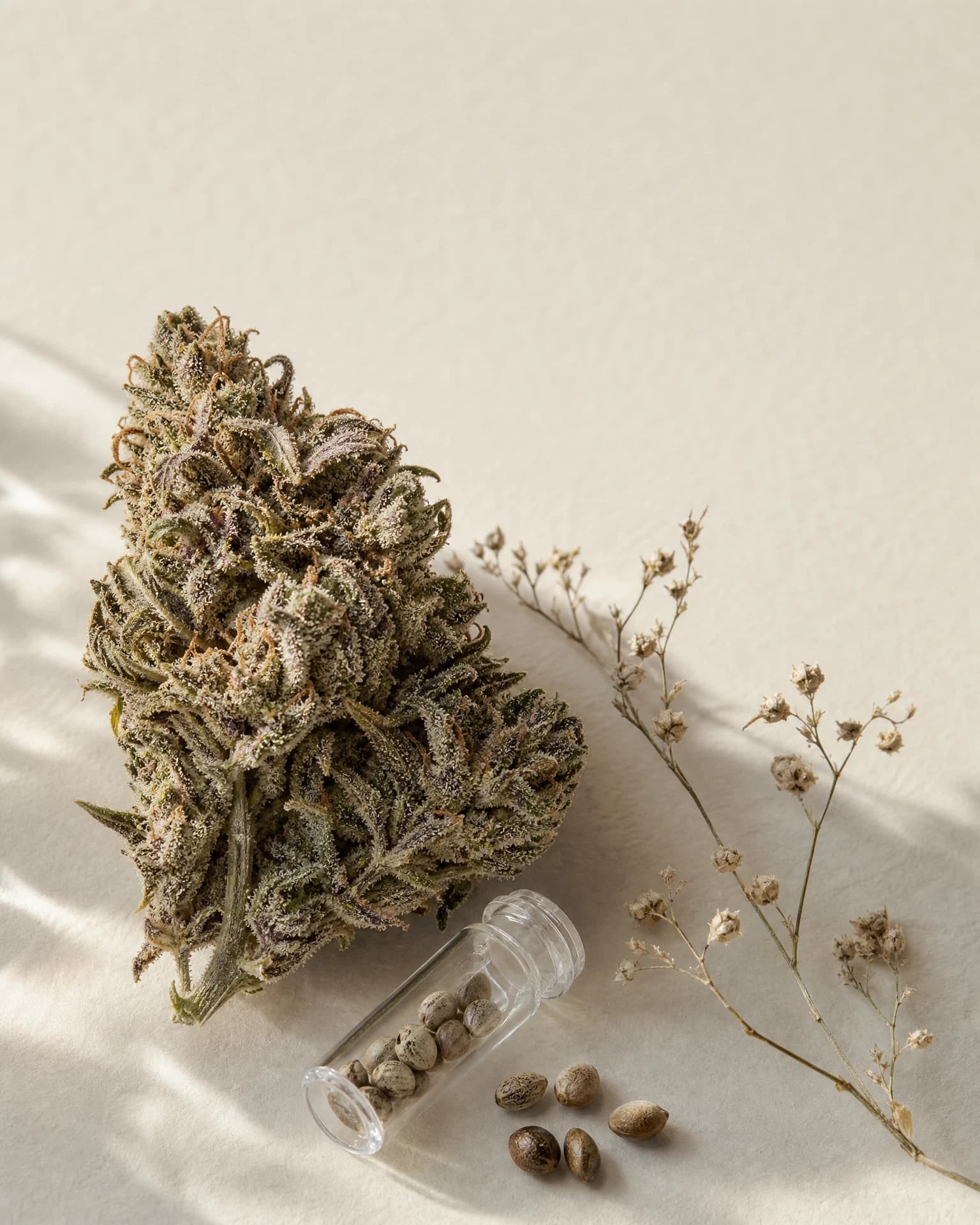
Overview
The Strawberry Banana cultivar, also known as Strawnana, represents a specific profile in the modern botanical record, categorized primarily by its Indica-leaning characteristics. According to verified breeder data, this plant is typically classified as a seventy percent Indica-dominant hybrid. The documentation for this variety highlights a sweet tropical fruit profile and a notable capacity for resin production. When reviewing a breeder record for any cultivar, including the strawberry banana strain, it is necessary to understand that these documents serve as a technical snapshot provided by the developer or distributor. A breeder record is not a guarantee of specific results but rather a description of the genetic potential observed under controlled conditions. Readers should view the overview of a cultivar as a starting point for deeper investigation rather than a final conclusion on the plant's behavior in every environment.
The record for Strawberry Banana genetics indicates that the cultivar is available in multiple formats, including feminized, autoflower, and regular seeds. This availability suggests a broad distribution and a high level of interest from various types of growers who may prefer different methods of cultivation. The primary facts associated with this name involve its parentage and its general flowering window, which is recorded as being between eight and ten weeks. However, the data also contains significant caveats regarding physical dimensions and chemical composition, which are common in the industry where environmental factors play a major role in phenotypic expression. Understanding these variances is a fundamental part of responsible botanical research.
When an individual examines a cultivar overview, they are looking at a synthesis of data points that may have been collected over several generations of plant breeding. In the case of the strawberry banana strain, the data emphasizes the aromatic qualities and the genetic lineage as the primary identifiers. The sweet tropical fruit description is a standard way that breeders communicate the sensory expectations of a finished product. For a researcher, this information helps in categorizing the cultivar within the wider context of fruit-profile varieties. It is also a reminder that botanical descriptions often rely on subjective sensory analysis alongside objective genetic tracking.
Evaluating a breeder record requires a critical eye toward what is included and what is omitted. A comprehensive record will provide details on the expected growth cycle and the genetic background, but it may leave out specific details regarding environmental requirements or nutrient sensitivities. In this particular record, the focus remains on the foundational characteristics of the plant. The overview serves to establish the cultivar's identity as a resin-heavy, Indica-dominant hybrid with a specific flavor profile, providing a framework for growers to begin their planning process.
Genetics and cultivar background
The genetic foundation of the Strawberry Banana cultivar is rooted in the cross-breeding of two established varieties: Banana Kush and a specific strawberry phenotype of Bubble Gum. This lineage is the primary source of the cultivar's characteristics, including its Indica-dominant nature. In botanical terms, the use of a specific phenotype for breeding, such as the strawberry-leaning version of Bubble Gum, indicates a targeted effort to isolate and stabilize particular traits. Genetics are the blueprint of a plant, determining everything from its structural potential to its aromatic profile. When two distinct varieties are crossed, the resulting hybrid inherits a range of possibilities from both parents, and the breeder’s goal is often to select the offspring that best represents the desired combination of those traits.
Understanding the concept of a phenotype is essential for anyone researching Strawberry Banana genetics. A phenotype is the physical expression of a plant's genetic code as influenced by its environment. While the genotype remains constant, the phenotype can vary. For example, the strawberry phenotype of Bubble Gum used in this cross was likely selected for its specific scent or growth habits that differed from the standard Bubble Gum profile. When this was combined with Banana Kush, the intention was to create a new hybrid that maintained the strength of the Indica lineage while introducing the unique aromatic qualities of the parents. This process of selection and stabilization is what allows a cultivar like the strawberry banana strain to be recognized as a distinct entity in the market.
Breeding history is often a complex subject because different breeders may use different parent plants even if they use the same names. However, the record for this cultivar specifically identifies these two parents as the source. This clarity allows researchers to look back at the history of Banana Kush and Bubble Gum to understand what the Strawberry Banana might offer. Banana Kush is generally known for its own tropical associations, while Bubble Gum has a long history of being recognized for its sweet scent. The combination of these two creates a hybrid that is reported to have a seventy percent Indica dominance, a figure that suggests the plant will likely exhibit traits common to that category, such as a shorter flowering period and a specific type of physical structure.
Genetics also play a role in the resin production mentioned in the verified facts. High resin production is a trait that is often sought after in breeding programs, as it relates to the concentration of secondary metabolites in the plant. By selecting parents that already show a tendency toward high resin, breeders can increase the likelihood that the resulting hybrid will also possess this trait. In the context of the strawberry banana strain, the high resin production is one of its defining features, according to the available record. This genetic trait is consistent across the different seed formats, whether the grower is using regular, feminized, or autoflower versions of the plant.
Plant profile and grow planning
Planning for the cultivation of the Strawberry Banana cultivar involves managing the specific requirements and potential variances described in the breeder records. One of the most critical aspects of grow planning is the strawberry banana flowering time, which is documented as being between eight and ten weeks. This window is relatively standard for an Indica-dominant hybrid, but it requires the grower to have a clear timeline for nutrient application and environmental control. The eight-to-ten-week range suggests that different phenotypes or environmental conditions might lead to slightly different maturation rates. A grower must be prepared to monitor the plant closely as it nears the end of this period to determine the optimal time for harvest based on the specific signs of maturity they observe.
The plant structure of the Strawberry Banana is a subject of some debate in the available records, which creates a unique challenge for grow planning. The caveat in the data notes that sources conflict on the plant's height. Some descriptions suggest a stocky Indica structure, which would typically mean a shorter, wider plant with thick stems and broad leaves. Other sources describe a surprisingly tall and bushy stature that requires active height management. This discrepancy is a perfect example of why growers must be flexible. When planning a space for Strawberry Banana genetics, it is wise to prepare for the possibility of a taller plant. This might involve ensuring there is enough vertical clearance in an indoor setup or being ready to use techniques such as topping or training to keep the plant's height under control.
Technical details regarding plant structure are not just about height; they also involve the density of the foliage and the strength of the branches. A bushy plant with high resin production may require additional support as it matures, especially if the flowers become heavy. The record mentions that the plant structure should be checked against the current breeder source, emphasizing that different versions of the cultivar may behave differently. For a grower, this means that the specific seeds they purchase may have their own unique structural tendencies that deviate from the general description. Researching the specific breeder's notes for their particular batch of seeds is an essential step in the planning process.
Environmental planning must also account for the Indica-dominant nature of the cultivar. While the record does not provide specific temperature or humidity ranges, the general knowledge of Indica-leaning hybrids suggests a preference for stable conditions. The high resin production mentioned in the facts also implies that the plant may be sensitive to high humidity during the later stages of flowering, as dense, resinous flowers can be prone to moisture-related issues. Growers should plan their ventilation and airflow systems to ensure that the environment remains conducive to healthy development throughout the entire eight-to-ten-week flowering period.
Aroma and flavor profile
The sensory experience associated with the Strawberry Banana cultivar is defined by its sweet tropical fruit profile. This description is a key part of the cultivar's identity and is a direct result of the genetic combination of Banana Kush and the strawberry phenotype of Bubble Gum. In the field of botanical research, aroma and flavor profiles are often the result of complex interactions between various terpenes, which are the aromatic compounds found in many plants. While the specific terpene breakdown is not provided in this record, the "sweet tropical fruit" label gives a clear indication of what to expect. This profile is often described as being reminiscent of the fruits for which the parents are named, creating a cohesive sensory theme for the cultivar.
Understanding how aroma is recorded in breeder documents is an important skill for researchers. These descriptions are often intended to be evocative, helping to distinguish one cultivar from another in a crowded market. The term "sweet tropical fruit" suggests a combination of sugary notes and more exotic, tangy scents. For the strawberry banana strain, this profile is a primary selling point and a major reason for its popularity. However, the intensity and specific nuances of the aroma can be influenced by the way the plant is grown, cured, and stored. Environmental factors like soil composition and nutrient levels can affect the production of aromatic compounds, leading to subtle differences between individual plants.
Flavor is closely linked to aroma, and the two are often discussed together in cultivar guides. The sweet tropical fruit profile is expected to carry over into the flavor, providing a consistent experience. When a record highlights a specific flavor profile, it is usually based on the most common expressions of the plant's genetics. For the researcher, this information is useful for categorizing the cultivar alongside other fruit-forward varieties. It also helps in understanding the lineage, as the strawberry and banana notes are clear nods to the Bubble Gum and Banana Kush parents. This thematic consistency is a hallmark of well-stabilized hybrids.
The record also mentions high resin production, which is relevant to the aroma and flavor profile. Resin is the substance that contains the majority of the plant's aromatic compounds. A plant that produces a large amount of resin is likely to have a more potent and persistent scent compared to a plant with lower resin production. This makes the Strawberry Banana a particularly aromatic cultivar, according to the verified facts. When evaluating these claims, researchers should consider that "high resin" is a relative term and may be used differently by different breeders. Nonetheless, it remains a central feature of the cultivar's documented profile.
Reported experience context
The reported experience context for the Strawberry Banana cultivar is shaped by its status as an Indica-leaning hybrid. The record states that it is typically seventy percent Indica, which provides a framework for understanding its general characteristics. In the cannabis industry, the labels "Indica" and "Sativa" are often used to categorize the expected effects and growth habits of a plant, although these terms are increasingly recognized as being somewhat simplified. For a cultivar like the strawberry banana strain, the seventy percent Indica dominance suggests that it will lean toward the traits traditionally associated with Indicas, such as a more physical rather than cerebral focus. However, the thirty percent Sativa influence from its lineage also plays a role in its overall profile.
The record does not provide specific details on the effects or medical uses of the cultivar. This is a significant omission that researchers should respect by not making unsupported claims. Instead, the focus should remain on the "Indica-leaning" designation as a general guide. This classification is often used by breeders to help consumers choose a variety that fits their preferences. When a plant is described as seventy percent Indica, it is a way of saying that the majority of its genetic expression will follow that path, but there is still a significant influence from the other side of its heritage. This balance is what defines many modern hybrids.
The context of the experience also includes the chemical composition of the plant, specifically the THC levels. The caveat in the record mentions that reported THC levels vary widely, ranging from seventeen percent to thirty-two percent. This is a massive range that highlights the inconsistency in data across different sources. For a researcher, this variance is a reminder that the experience of a cultivar can be highly variable. A plant with seventeen percent THC will provide a very different experience than one with thirty-two percent. This discrepancy may be due to different testing methods, different phenotypes, or different growing conditions. This highlights the importance of not relying on a single number when evaluating a cultivar's potential.
When discussing the reported experience, it is also useful to consider the high resin production mentioned in the verified facts. Resin is the site of most of the plant's active compounds, so a high-resin plant is often perceived as being more "potent" in a general sense. However, potency is a multifaceted concept that involves more than just THC levels. The interaction between all the compounds in the resin contributes to the overall experience. Since the record for Strawberry Banana focuses on the resin and the Indica dominance, these are the primary factors that define the context of the experience according to the available data.
How to compare current breeder records
Comparing breeder records is a vital skill for any serious botanical researcher, especially when dealing with a cultivar that has as much conflicting data as the Strawberry Banana. As noted in the caveat, sources disagree on fundamental aspects like plant height and THC content. When faced with such discrepancies, the first step is to identify the source of each record. Not all records are created equal; some come directly from the original breeder, while others are secondary descriptions provided by retailers or community databases. A direct record from the source that developed the cultivar is generally considered more authoritative, but even these can change over time as new versions or selections are released.
One of the most effective ways to handle conflicting data is to look for a consensus among multiple reputable sources. If five different records all state that the strawberry banana flowering time is eight to ten weeks, that range can be accepted with a high degree of confidence. However, if one source says the plant is short and another says it is tall, the researcher must conclude that the trait is either highly variable or that different versions of the cultivar are being described. In the case of Strawberry Banana, the conflicting reports on height suggest that the cultivar may have multiple phenotypes in circulation. A researcher should document both possibilities rather than choosing one over the other, as this provides a more accurate picture of what a grower might encounter.
Technical details like THC percentages should be viewed with particular skepticism. The range of seventeen to thirty-two percent mentioned in the caveat for Strawberry Banana is so wide that it becomes almost meaningless as a specific predictor. Instead, it should be viewed as an indicator of the cultivar's potential under different conditions. High-end figures are often the result of professional cultivation in optimized environments, while lower figures may represent more typical results or different testing standards. When comparing records, it is helpful to look for the "typical" or "average" figure if one is provided, rather than just the maximum. This provides a more realistic expectation for the average researcher or grower.
Another important factor in comparing records is the date of the information. The botanical field is constantly moving, and a record from five years ago may not reflect the current state of a cultivar. Seeds can be re-selected, stabilized further, or even crossed with other varieties to improve certain traits. When researching Strawberry Banana genetics, looking for the most recent data from the specific breeder you are considering is essential. This ensures that the information is relevant to the exact genetic material you will be working with. By synthesizing data from multiple sources and prioritizing the most recent and direct records, a researcher can build a comprehensive and reliable profile of the cultivar.
The information provided in this guide is strictly bounded by the available records for the Strawberry Banana cultivar. Researchers must acknowledge the limitations of this data, as botanical records are often incomplete or subject to change. The primary source for the facts presented here is a synthesis of verified breeder data, which identifies the cultivar as a seventy percent Indica-dominant hybrid resulting from a cross between Banana Kush and a strawberry phenotype of Bubble Gum. While these facts are widely reported, they represent a specific interpretation of the plant's genetics that may not be universal across all breeding lines.
The caveat provided in the data is a central part of this report, as it highlights significant areas of uncertainty. The conflict regarding plant height—ranging from a stocky structure to a tall, bushy stature—indicates that there is no single "standard" for how this plant will grow. This is a common occurrence in the industry, where different selections of the same cultivar can exhibit different physical traits. Similarly, the wide range of reported THC levels (seventeen to thirty-two percent) suggests that chemical composition is highly dependent on the specific batch and the conditions under which it was grown. These discrepancies are not necessarily errors but rather reflections of the inherent variability in biological systems.
Missing facts in the record also constrain the scope of this guide. There is no specific data on the cultivar's yield, its resistance to pests or diseases, or its specific nutrient requirements. Furthermore, the record does not provide a detailed breakdown of the terpene profile beyond the general description of "sweet tropical fruit." These omissions mean that a grower or researcher must fill in the gaps through their own observation and further study. Stating these unknowns plainly is a requirement of responsible reporting, as it prevents the dissemination of unsupported claims or generalizations.
In conclusion, the Strawberry Banana cultivar is a well-documented but variable variety that requires a flexible approach to cultivation and research. The facts regarding its lineage, flowering time, and seed formats provide a solid foundation, but the caveats regarding its structure and potency must be taken seriously. By relying on verified data and acknowledging the limits of that information, researchers can develop a more accurate and useful understanding of this Indica-dominant hybrid. The record caveats serve as a reminder that all botanical information should be viewed as a work in progress, subject to refinement as more data becomes available.
Given the specific data and the caveats associated with the Strawberry Banana cultivar, there are several areas where further research would be beneficial. One of the primary questions involves the structural variance mentioned in the records. Why do some sources describe a stocky plant while others report a tall and bushy one? Investigating whether this is due to different breeding lines or if it is a result of environmental factors like light intensity and spectrum would be a valuable project. A researcher might look for side-by-side comparisons of the cultivar grown under different conditions to see how the physical structure responds. This would help in providing more specific guidance for growers who need to manage their space effectively.
Another area for research is the wide range of reported THC levels. What factors contribute to a cultivar testing at seventeen percent in one instance and thirty-two percent in another? This question touches on the broader issue of testing accuracy and standardization in the industry. A researcher could investigate the testing methods used by different labs or look into how the timing of the harvest affects the final chemical composition. Understanding the peak window for resin production and cannabinoid development would provide more clarity on the "high resin" claim and how it relates to the final product's potency.
The sweet tropical fruit profile also invites further investigation. Which specific terpenes are responsible for this aroma, and how do they vary between the Banana Kush and Bubble Gum parents? A detailed terpene analysis would provide a more scientific basis for the sensory descriptions found in breeder records. This would also allow for a comparison with other fruit-profile cultivars to see what makes the Strawberry Banana unique. Researching how different curing methods affect the preservation of these aromatic compounds would also be of interest to those who prioritize the sensory qualities of their harvest.
Finally, the availability of multiple seed formats raises questions about the genetic stability of the cultivar across these different versions. How does the autoflower version of Strawberry Banana compare to the feminized photoperiod version in terms of its aroma and resin production? Does the introduction of Ruderalis genetics for the autoflower format significantly alter the seventy percent Indica dominance? Comparing the different formats would provide a better understanding of how the core genetics are adapted for different growing styles. These questions represent a roadmap for deeper inquiry, allowing the researcher to move beyond the basic facts and into a more nuanced understanding of the cultivar.
Frequently asked questions
What is the Strawberry Banana strain?
This guide summarizes the documented cultivar record while separating verified details from variable grower outcomes.
Is Strawberry Banana suitable for beginners?
Difficulty depends on the exact seed line, environment, and grow setup. Confirm current breeder guidance.
How long does Strawberry Banana take to flower?
Flowering windows vary by phenotype and environment. Confirm the estimate for the exact breeder line.
Can Strawberry Banana be grown indoors and outdoors?
Suitability depends on the breeder line and local climate. Compare space, humidity, temperature, and season length.
Which Strawberry Banana seed format should I choose?
Autoflower and feminized formats serve different schedules and grow styles. Compare only documented direct records.