
Strain guide
Super Lemon Haze Strain Guide: Citrus aroma and grower notes
Super Lemon Haze is documented here with partner-source cultivar context, seed-format availability, and secondary-topic research cues.
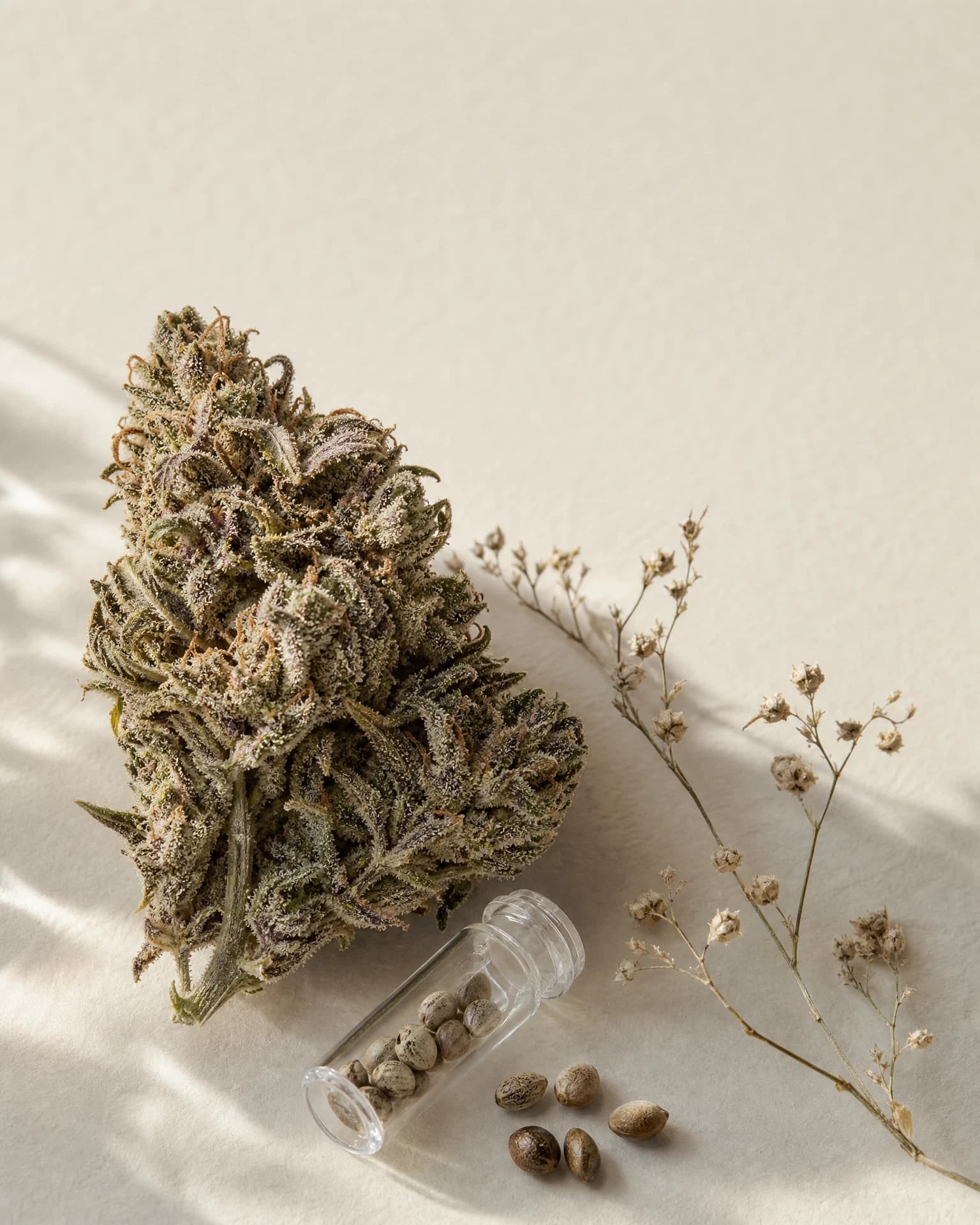
Overview
The super lemon haze strain represents a specific entry in the modern botanical catalog of hybrid cultivars, characterized primarily by its classification as a Sativa-dominant plant. Within the available records, this cultivar is described as possessing a genetic makeup that is approximately 70% to 80% Sativa, placing it firmly within the category of hybrids that lean heavily toward one end of the traditional Sativa-Indica spectrum. The physical presentation of the plant is documented as being tall, a trait that is frequently associated with Sativa-leaning genetics, and it is noted for developing significant lateral branching during its growth cycle. This structural information provides a baseline for understanding the physical space requirements and growth habits that a cultivator might expect when interacting with this particular cultivar.
The data surrounding this cultivar indicates a citrus-rich terpene profile, which serves as the primary descriptor for its aromatic and flavor characteristics. Furthermore, the records show that the cultivar is available in multiple seed formats, specifically including both feminized and autoflower varieties, which allows for different approaches to cultivation depending on the needs and technical capabilities of the grower. The flowering period for the photoperiod versions of this strain is typically reported to fall within a window of 8 to 11 weeks. As with many commercial cultivars, there is a degree of variance in the reported technical specifications, particularly concerning chemical potency and potential productivity, which necessitates a careful examination of the specific breeder data provided in the following sections.
Genetics and cultivar background
The genetic history of the super lemon haze strain is rooted in the combination of two distinct parent cultivars: Lemon Skunk and Super Silver Haze. The lineage of a hybrid cultivar is a fundamental aspect of its identity, as the traits of the parent plants are passed down to the offspring, albeit in varying combinations. In this instance, the pairing of Lemon Skunk and Super Silver Haze has resulted in a hybrid that maintains a high percentage of Sativa genetics, ranging from 70% to 80%. This high degree of Sativa dominance is a defining characteristic of the cultivar's profile and informs much of its documented physical and chemical behavior.
Understanding the background of a cultivar involves recognizing how genetic inheritance works in the context of botanical breeding. When breeders select parent plants like Lemon Skunk and Super Silver Haze, they are looking to stabilize certain traits that will be consistently expressed in the resulting seeds. The classification of a strain as Sativa-dominant hybrid (70-80% Sativa) is a way for breeders to communicate the general botanical category to which the plant belongs. This classification is based on the morphological and growth characteristics that have been observed over multiple generations of breeding and selection.
The records for this cultivar do not provide extensive historical details or specific origin stories, but the focus remains on the verified genetic components. By identifying the parentage, the records allow researchers and cultivators to trace the lineage back to established botanical lines. The interaction between the genetics of the two parent strains creates the unique profile of the offspring, which in this case manifests as a tall plant with a citrus-heavy aromatic signature. This genetic foundation is the starting point for all subsequent observations regarding the plant's development and the final characteristics of its harvested material.
Plant profile and grow planning
The physical profile of the super lemon haze strain is defined by its tall structure and the presence of lateral branching. A tall plant structure suggests that the cultivar has a tendency to stretch significantly during its vegetative and flowering phases, a common trait in Sativa-dominant hybrids. The mention of lateral branching indicates that the plant does not simply grow in a single vertical column but instead develops secondary stems that extend outward from the main stalk. This structural information is vital for grow planning, as it dictates the amount of vertical and horizontal space required for the plant to reach its full potential.
When planning for the cultivation of a tall cultivar with lateral branching, several technical considerations must be addressed. Growers must account for the height of the plant to ensure that it does not outgrow the available space, particularly in indoor environments where vertical clearance may be limited. The lateral branching also means that the plant will require sufficient horizontal space to allow for adequate light penetration and air circulation between the stems. These physical traits are inherent to the cultivar's growth habit and are independent of the specific environment in which it is grown, although the environment will certainly influence the degree to which these traits are expressed.
The super lemon haze flowering time for photoperiod versions is documented as being between 8 and 11 weeks. This timeframe represents the duration from the initiation of the flowering phase until the plant reaches maturity. A flowering window of this length is relatively standard for Sativa-dominant hybrids, which often require more time to mature than their Indica-dominant counterparts. The variation from 8 to 11 weeks can be attributed to several factors, including the specific phenotype of the plant, the environmental conditions during the flowering phase, and the criteria used by the breeder to determine peak maturity. Cultivators must be prepared for this variability and monitor the plant closely as it approaches the end of the flowering period to ensure that harvest occurs at the optimal time.
In addition to the physical structure and flowering time, the records note that the cultivar is available in both feminized and autoflower formats. This availability provides flexibility in grow planning, as each format has different requirements and characteristics. Feminized seeds are bred to produce only female plants, which is the desired outcome for most cultivators. Autoflower seeds, on the other hand, are bred to transition from the vegetative phase to the flowering phase automatically, based on the age of the plant rather than changes in the light cycle. The choice between these formats will depend on the grower's experience level, the available equipment, and the desired timeline for the growth cycle.
Aroma and flavor profile
The aromatic and flavor profile of the super lemon haze strain is consistently described across records as being citrus-rich. This descriptor points to a specific terpene composition that is dominated by compounds that produce scents and tastes reminiscent of citrus fruits. Terpenes are the organic compounds responsible for the diverse range of aromas found in various botanical species, and in the case of this cultivar, the concentration of citrus-associated terpenes is high enough to be its primary defining characteristic in this category.
A citrus-rich profile generally suggests the presence of terpenes such as limonene, although the specific terpene analysis for this cultivar is not detailed in the provided record beyond the general citrus description. The experience of these aromas and flavors is a direct result of the plant's chemical synthesis during its growth and maturation. As the plant develops, it produces these volatile compounds in the glandular trichomes that cover the surface of the flowers and leaves. The intensity and nuance of the citrus profile can be influenced by the way the plant is grown, harvested, and cured, but the underlying genetic predisposition for a citrus-rich signature remains a constant feature of the cultivar.
When evaluating the flavor profile of a cultivar based on breeder records, it is important to understand that these descriptions are often based on the most prominent and easily identifiable characteristics. A "citrus-rich" description is a broad category that can encompass a variety of specific notes, from sweet and orange-like to tart and lemon-like. Without more detailed chemical analysis, the general citrus descriptor serves as the most reliable information available. This profile is a key part of the cultivar's identity and is one of the primary traits that breeders aim to preserve and highlight through their selection processes.
Reported experience context
The data concerning the reported experience of the super lemon haze strain is primarily focused on its chemical potency, specifically the concentration of THC. The records indicate that THC levels for this cultivar typically vary between 19% and 25%. This range represents the percentage of THC by weight in the dried flower material and is a standard metric used to describe the potency of a cannabis cultivar. The variance from 19% to 25% is significant and reflects the fact that potency is not a fixed number but rather a range that can be affected by many different variables.
The variation in reported THC levels can be attributed to several factors, including the specific breeder version of the strain, the conditions under which the plant was grown, and the methods used to test the potency. Different breeders may have slightly different versions of the same cultivar, each with its own unique chemical profile. Furthermore, the skill of the grower and the quality of the environment—including light intensity, nutrient availability, and temperature—can all play a role in determining the final THC content of the harvest. Finally, testing methods and laboratory standards can also introduce variability into the reported numbers.
Beyond the THC percentage, the records do not provide specific details regarding the effects or medical applications of the cultivar. In the context of evidence-bounded writing, it is necessary to stick to the facts provided and avoid making claims that are not supported by the data. The 19% to 25% THC range provides a clear indication of the cultivar's potency potential, but the actual experience of the user will depend on the specific batch of material and the individual's own physiology. By focusing on the documented chemical data, the records provide a factual basis for understanding the cultivar's profile without relying on subjective or anecdotal reports.
How to compare current breeder records
Interpreting and comparing breeder records is a complex task that requires an understanding of the botanical and commercial context in which these records are produced. A breeder record is a set of technical specifications and descriptions provided by the company or individual who produced the seeds. These records are intended to give the purchaser an idea of what to expect from the plant, but they are not absolute guarantees of performance. When comparing records for a cultivar like this one, it is important to look for consistency across different sources while also acknowledging the inherent variability of biological systems.
One of the most common areas of discrepancy in breeder records is yield. The record for this cultivar explicitly states that yield estimates differ significantly based on the cultivation environment and the specific breeder version. Yield is a highly variable metric that is influenced by every aspect of the growth cycle, from the quality of the seeds to the final curing process. A breeder may report a "high yield" based on their own optimized growing conditions, but a home grower in a different environment may achieve very different results. When evaluating yield claims, it is more useful to look at the general range of expectations rather than a single specific number.
Another important factor to consider when comparing records is the chemical profile, such as the THC range of 19% to 25% noted for this cultivar. These numbers are often based on testing of the best possible phenotypes grown under ideal conditions. As such, they should be viewed as a representation of the plant's potential rather than a guaranteed outcome for every single seed. The variance in these reports highlights the importance of researching multiple sources and looking for a consensus on the cultivar's general characteristics. A single record may provide a snapshot of one version of the strain, but a broader comparison of records will provide a more comprehensive understanding of the cultivar's overall profile.
Cultivators should also pay attention to the technical details provided in the records, such as flowering time and plant structure. For this cultivar, the 8-11 week flowering window and the tall, laterally branched structure are key data points that appear consistently. When these details align across multiple sources, they can be considered more reliable indicators of the plant's true nature. However, if there are significant disagreements between records, it may indicate that there are multiple distinct versions of the strain in circulation, or that the strain's genetics are not yet fully stabilized. In such cases, further research and careful observation during the growth cycle are necessary.
The information provided in this guide is based on a specific set of breeder records and technical data for the super lemon haze strain. These sources include a variety of retailers and informational platforms that document the characteristics of the cultivar for the benefit of the growing community. By synthesizing the data from these multiple sources, a more complete picture of the strain's profile can be constructed, although it is always important to remain aware of the limitations and caveats associated with this type of information.
The primary caveat for this cultivar involves the variability in its reported technical specifications. As noted in the record, THC levels are reported to vary between 19% and 25%, and yield estimates differ significantly depending on the environment and the breeder. This variability is a common feature of the cannabis seed market, where different companies may offer their own unique takes on a popular strain. The absence of a single, universally agreed-upon set of data for yield and potency means that cultivators must be prepared for a range of possible outcomes and should not rely on any single source as the final word on the plant's performance.
Furthermore, the record for this cultivar is focused on a specific set of verified facts and physical descriptions. Many aspects of the plant's history, origin, and specific effects are not included in the data, and therefore are not addressed in this guide. This evidence-bounded approach ensures that the information provided is as accurate and reliable as possible, based on the available records. However, it also means that there are gaps in the knowledge base that may need to be filled through further research or first-hand observation.
The data for this cultivar provides a foundation for understanding its general botanical profile and cultivation requirements. The Sativa-dominant genetics, tall structure, citrus-rich aroma, and 8-11 week flowering time are all documented traits that define the identity of the strain within the provided records. Approaching this information with a critical eye and an awareness of the inherent variability of the market allows for informed decision-making and a deeper understanding of these botanical cultivars. The reliance on verified facts and the acknowledgment of data limitations remain essential components of a responsible and evidence-based approach to botanical research.
The study of a specific cultivar like the super lemon haze strain often leads to broader questions about botanical science and cultivation practices. By examining the data provided in the record, researchers and cultivators can identify areas where more information is needed or where further study could yield valuable insights. These research questions serve as a guide for anyone looking to deepen their understanding of this cultivar and the factors that influence its development and expression.
One primary area for research involves the relationship between the environment and the expression of the plant's citrus-rich terpene profile. While the genetics provide the blueprint for this profile, the specific environmental conditions—such as the spectrum of light, the composition of the soil, and the temperature during the flowering phase—may influence the concentration and balance of the individual terpenes. Researching how different environmental stressors affect terpene production could help cultivators optimize their grow rooms to highlight the citrus characteristics of the strain.
Another important research question concerns the variability in yield and potency. The record notes that these factors differ significantly based on the environment and the breeder version. A comparative study of different versions of this strain grown in identical conditions could help identify which genetic lines are the most stable and productive. Similarly, research into the impact of different cultivation techniques—such as specific pruning methods for tall plants with lateral branching—could provide practical guidance for maximizing the performance of this cultivar.
Finally, the availability of both feminized and autoflower formats raises questions about the genetic stability and trait inheritance in these different versions. Research could be conducted to determine how closely the autoflower version matches the photoperiod version in terms of its chemical profile and physical structure. Understanding the trade-offs between these formats would be highly beneficial for growers who are trying to decide which version of the cultivar is best suited for their specific needs. These and other research questions are essential for the continued advancement of botanical knowledge and the improvement of cultivation practices.
Frequently asked questions
What is the Super Lemon Haze strain?
This guide summarizes the documented cultivar record while separating verified details from variable grower outcomes.
Is Super Lemon Haze suitable for beginners?
Difficulty depends on the exact seed line, environment, and grow setup. Confirm current breeder guidance.
How long does Super Lemon Haze take to flower?
Flowering windows vary by phenotype and environment. Confirm the estimate for the exact breeder line.
Can Super Lemon Haze be grown indoors and outdoors?
Suitability depends on the breeder line and local climate. Compare space, humidity, temperature, and season length.
Which Super Lemon Haze seed format should I choose?
Autoflower and feminized formats serve different schedules and grow styles. Compare only documented direct records.