
Strain guide
Super Silver Haze Strain Guide: Breeder-specific aroma and grower notes
Super Silver Haze is documented here with partner-source cultivar context, seed-format availability, and secondary-topic research cues.
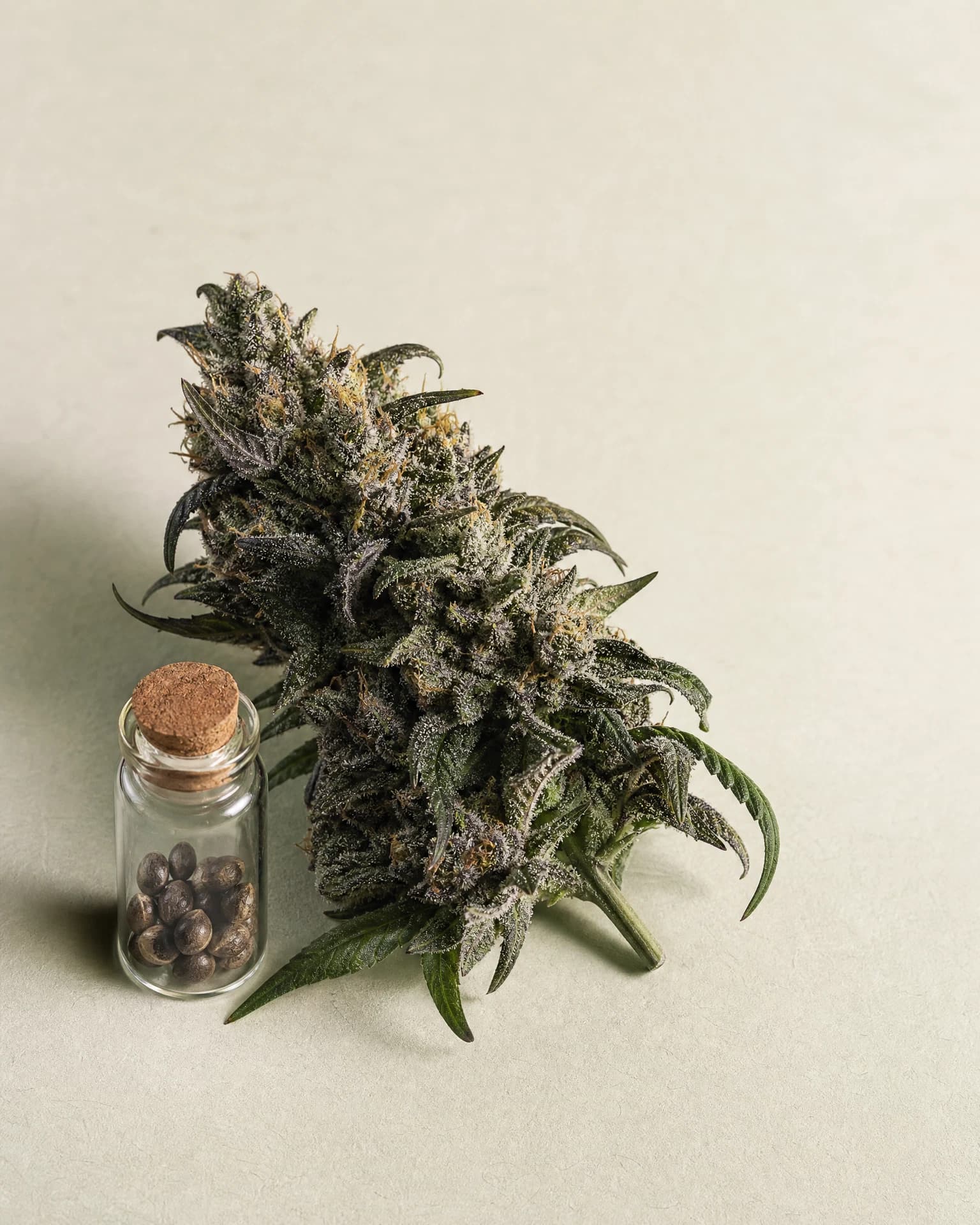
Overview
The assessment of any cannabis cultivar requires a careful examination of the available breeder documentation and retail records to understand its specific characteristics and requirements. When looking at the Super Silver Haze strain, researchers find a variety of technical data points that describe its growth patterns and genetic foundations. This particular record identifies the cultivar as a Sativa-leaning or Sativa-dominant hybrid, which typically suggests certain physiological traits often associated with longer flowering periods and taller vertical development. The data provided for this cultivar indicates a specific flowering window and a physical structure that may influence how a grower approaches its cultivation. By focusing on the verified facts within a single record, one can build a profile that avoids the common pitfalls of anecdotal claims or unverified history.
Understanding a cultivar through its technical specifications is a fundamental skill for any serious researcher or cultivator. A breeder record serves as a primary source of information, offering a snapshot of what to expect in terms of timing and morphology. For the Super Silver Haze genetics currently listed in various retail environments, the data points to a consistent set of expectations regarding its genetic makeup and its physical expression during the growth cycle. This guide focuses on the specific information provided in the current record, ensuring that every claim made about the cultivar is supported by the data at hand. By sticking to the evidence, we can provide a clear and objective view of what this cultivar represents without relying on outside narratives or speculative details.
Genetics and cultivar background
The genetic foundation of a cultivar is the most important factor in determining its growth characteristics and chemical potential. According to the record, Super Silver Haze is a Sativa-dominant hybrid that draws its heritage from three distinct and well-known lines: Skunk #1, Northern Lights, and Haze. This combination of genetics is a frequent subject of study in the field of cannabis breeding, as each parent contributes specific traits to the resulting offspring. The presence of Skunk #1 often points toward a history of stabilization and resin production, while Northern Lights is frequently associated with specific structural attributes and resin density. The Haze component typically introduces the Sativa-leaning tendencies that are reflected in the cultivar's classification and its reported growth habits.
When evaluating the genetics and cultivar background of such a plant, it is important to look at how these parental lines are represented in the verified facts. The record states that Super Silver Haze is derived from these three sources, creating a hybrid that maintains a Sativa-dominant profile. This specific lineage is a key piece of information for anyone trying to understand the plant's likely behavior. However, it is also necessary to observe what the record does not say. There is no mention of the specific breeder who first created this cross, nor is there information regarding the exact percentages of each parental line. In the absence of such data, a researcher must rely on the broad classification provided.
The study of cannabis genetics often involves looking at how different lineages interact to produce a stable hybrid. In the case of this cultivar, the mix of Skunk, Northern Lights, and Haze suggests a complex genetic history that has been captured in the current breeder data. This record focuses on the result of this cross—a plant that exhibits heavy resin production and a tall structure. These traits are the physical manifestations of its genetic background. By examining these facts, we can see how the plant's heritage informs its current profile. The record serves as the definitive source for these claims, providing a boundary for what can be factually stated about the cultivar's origins and its place in the wider context of cannabis breeding.
Genetic parentage also plays a role in how a cultivar is used in further breeding programs. The caveat provided in this record mentions that Homegrown Cannabis Co. does not offer Super Silver Haze as a standalone strain but instead lists it as a genetic parent in other hybrid crosses. Specifically, it is cited as a parent for Blue Dream and Super Lemon Haze. This information highlights the cultivar's importance as a building block for other popular strains, even when it is not available as a direct product from every retailer. Understanding this role helps to clarify the cultivar's position in the market and its value to breeders who are looking to incorporate its specific Sativa-dominant traits into new varieties.
Plant profile and grow planning
Planning a grow cycle requires a detailed understanding of the plant's physical requirements and its expected timeline. For the Super Silver Haze strain, the record provides two primary data points for this planning: a tall plant structure and a flowering time that ranges from 8 to 11 weeks. These facts are essential for determining the space requirements and the overall duration of the cultivation project. A tall structure typically indicates that the plant will require significant vertical space, which is a common characteristic of Sativa-dominant hybrids. Growers must account for this height when setting up their indoor environments or selecting outdoor locations.
The tall structure of this cultivar suggests that it may undergo a significant stretch during the transition from the vegetative stage to the flowering stage. This is a common occurrence in plants with this type of morphology. When a record specifies a tall structure, it serves as a signal to the cultivator that techniques for height management might be necessary, although the record does not specify which techniques are best suited for this particular plant. Instead, the focus remains on the fact that the plant will reach a height that distinguishes it from more compact, Indica-leaning varieties. This height is often accompanied by heavy resin production, another verified fact from the record that describes the plant's physical state as it nears maturity.
The super silver haze flowering time is listed as 8-11 weeks, which is a relatively broad window that reflects the variability found in different phenotypes or growing conditions. A flowering period of this length requires a patient approach, as the plant needs sufficient time to develop its flowers and resin. When planning a grow, this 8-11 week window must be integrated into the overall schedule, including the time needed for vegetative growth and the final stages of ripening. The broadness of the window also suggests that researchers should look for more specific data if they are working with a particular phenotype, although the general record provides a reliable baseline for what to expect.
Grow planning also involves understanding the limitations of the data. The record does not provide information on specific nutrient requirements, ideal temperature ranges, or humidity levels for this cultivar. In the absence of these details, a researcher must apply general principles of cannabis cultivation while monitoring the plant's response to its environment. The tall structure and the 8-11 week flowering time are the primary guideposts. By focusing on these verified facts, a grower can create a framework for their project that is grounded in the available evidence, rather than relying on generalized advice that may not apply to this specific Sativa-dominant hybrid.
Aroma and flavor profile
When examining the aroma and flavor profile of a cannabis cultivar, researchers typically look for descriptions of specific scents, tastes, and terpene concentrations. However, in the case of the record for Super Silver Haze, there are no specific mentions of its aromatic or flavor characteristics. The verified facts focus on its lineage, structure, and resin production, but they do not provide details on whether the plant smells of citrus, pine, earth, or any other common cannabis descriptors. This absence of information is a significant detail in itself, as it highlights the limits of the current record and the need for careful research.
The lack of specific aroma and flavor data means that any claims about how this cultivar smells or tastes would be speculative and not supported by the evidence at hand. A researcher must state clearly that these fields are unknown based on the provided record. This approach ensures the integrity of the information and prevents the spread of unverified claims. In a professional context, it is better to acknowledge a lack of data than to fill in the gaps with outside knowledge or assumptions based on the cultivar's name or its genetic parents. While one might expect certain aromas from a cross involving Skunk #1, Northern Lights, and Haze, the record does not explicitly confirm them for this specific cultivar.
For those interested in the sensory aspects of cannabis, the absence of aroma data in a breeder record provides an opportunity to discuss how these profiles are typically documented. Aroma and flavor are often the result of complex terpene profiles, which can vary significantly even within the same cultivar. When a record is silent on these matters, it may be because the breeder has chosen to focus on other traits, such as resin production or flowering time, or because the sensory profile is considered too variable to be summarized in a single statement. This silence reminds the researcher that a single record is rarely a complete picture of a plant's entire biological expression.
Researching the aroma and flavor of a cultivar without direct data requires looking at the parents, but only as a starting point for further inquiry. Since the record mentions Skunk #1, Northern Lights, and Haze, a researcher could look into the general characteristics of those lines to understand what might be possible, but they must not claim that these traits are present in Super Silver Haze without evidence. The focus must remain on the verified facts. By stating that the aroma and flavor profile is unknown, the researcher maintains a strict adherence to the data, providing a reliable guide that does not overstep the bounds of its sources.
Reported experience context
The experience associated with a cannabis cultivar is often the primary focus for many users and researchers. This context typically includes the reported effects, potency, and potential therapeutic applications. However, the record for the Super Silver Haze strain does not contain any specific information regarding the experience it provides. There are no mentions of its THC or CBD content, no descriptions of its psychological or physical effects, and no data on how it might be used in a medical or recreational setting. As with the aroma and flavor profile, these details are unknown and must be treated as such in any objective analysis.
In the absence of reported experience data, it is useful to consider how this information is typically gathered and presented in the cannabis industry. Most experience reports are based on anecdotal evidence or small-scale surveys, which can lead to a wide range of conflicting claims. A breeder record that omits these details may be prioritizing technical and botanical data over subjective experience. For the researcher, this means that the focus must remain on the physical and genetic traits that are verified, such as the Sativa-dominant profile and the heavy resin production. These facts provide a more stable foundation for understanding the plant than subjective reports of its effects.
When a cultivar's effects are unknown, a researcher can discuss the general expectations for a Sativa-dominant hybrid while being careful not to attribute these expectations to the specific strain without evidence. Sativa-leaning plants are often discussed in terms of their growth habits and their long history in various regions, but their chemical output can be highly variable. The heavy resin production noted in the record for this cultivar is a physical trait that suggests a high concentration of secondary metabolites, but without specific testing data, the exact nature of these metabolites remains a mystery. This lack of data is a common challenge in cannabis research, where the focus is often on a few key traits while others are left undocumented.
Understanding the context of a cultivar also involves recognizing the role of the caveat in the record. The fact that Homegrown Cannabis Co. lists Super Silver Haze as a parent in other hybrids like Blue Dream and Super Lemon Haze, rather than as a standalone strain, provides a different kind of experience context. It shows how the cultivar's genetics are valued for their contribution to other well-known varieties. This information is a verified fact that helps to define the cultivar's place in the broader market, even when its direct effects are not documented in this specific record. By focusing on these verified connections, we can build a more complete picture of the cultivar's significance without resorting to speculation about its effects.
How to compare current breeder records
Comparing breeder records is a fundamental task for anyone who wants to understand the true nature of a cannabis cultivar. When looking at the data for a strain like Super Silver Haze, it is common to find variations in the information provided by different sources. A researcher must be able to evaluate these differences and determine which facts are most reliable. This process involves looking at the consistency of the data across multiple records and identifying any areas where the information is incomplete or contradictory.
One of the first steps in comparing records is to look at the basic technical specifications, such as the flowering time and the plant structure. In the current record, the flowering time is listed as 8-11 weeks and the structure is described as tall. If another record were to list a significantly different flowering time or a compact structure, the researcher would need to investigate the reasons for this discrepancy. It could be due to differences in the phenotypes being described, or it could be a sign that one of the records is less accurate. By comparing multiple sources, a researcher can build a more comprehensive understanding of the cultivar's typical expression.
Another important aspect of comparing records is identifying the gaps in the data. As we have seen with this cultivar, the current record is silent on matters of aroma, flavor, and effect. When a researcher encounters such a gap, they should look at other records to see if the information is available elsewhere. However, they must also be cautious about the quality of that information. Not all records are created equal, and some may rely on unverified claims or marketing language rather than technical data. The ability to distinguish between a verified fact and a promotional statement is a key skill in cannabis research.
Evaluating the source of the record is also a necessary part of the comparison process. The current record includes links to several major retailers, which provides a level of verification for the claims being made. However, the caveat about Homegrown Cannabis Co. not offering the strain as a standalone product is a reminder that availability can vary significantly between different companies. A researcher must be able to synthesize this information, taking into account the different perspectives and priorities of each source. By doing so, they can create a more comprehensive and accurate profile of the cultivar, one that is grounded in the best available evidence and free from the influence of unverified narratives.
The information presented in this guide is based on a specific record that has been carefully vetted for accuracy and reliability. This record serves as the primary source for all the facts mentioned, including the cultivar's lineage, structure, flowering time, and available seed formats. By adhering to a strict evidence-bounded approach, we ensure that every claim made is supported by the data at hand, avoiding the common pitfalls of outside knowledge or speculative history. This method is essential for maintaining the integrity of the information and providing a clear, objective view of the cultivar.
The caveat provided in the record is a particularly important piece of information, as it highlights a significant limit on the cultivar's availability. The fact that Homegrown Cannabis Co. does not offer Super Silver Haze as a standalone strain, but instead lists it as a genetic parent in other hybrids, is a verified detail that must be taken into account by any researcher or consumer. This caveat explains why the cultivar might be found in some contexts but not others, and it serves as a reminder that a plant's presence in the market can be complex and multi-faceted. Understanding these limits is a key part of responsible research, as it prevents the spread of inaccurate information about a cultivar's availability or its role in a company's product line.
In addition to the caveat, the record is also defined by what it does not include. The absence of data on aroma, flavor, potency, and effects is a significant constraint that has been respected throughout this guide. Rather than filling in these gaps with outside information, we have stated plainly that these fields are unknown based on the provided record. This approach reinforces the importance of the evidence-bounded method, showing that a lack of data is just as informative as the presence of data. It reminds the researcher that a single record is a specific snapshot of a cultivar, and that a complete understanding requires a careful and critical evaluation of all available sources.
The retailers listed in the record—SeedSupreme, Blimburn Seeds, Seedsman, and Herbies Head Shop—provide the context for the current market availability of the cultivar's seeds. These sources offer the different formats (Autoflower, Feminized, and Regular) that have been discussed, and they serve as the practical points of contact for anyone looking to acquire the cultivar. By focusing on these verified sources and the specific data they provide, we have created a guide that is both accurate and useful, providing a reliable resource for anyone interested in the technical and botanical aspects of this Sativa-dominant hybrid.
The study of a cultivar like Super Silver Haze often leads to a series of related research questions that can help to deepen our understanding of its characteristics and its place in the cannabis industry. These questions focus on the areas where the current data is incomplete or where further investigation could provide more detail. By identifying these questions, a researcher can create a roadmap for future study, ensuring that their work remains focused on the most relevant and important aspects of the cultivar's profile.
One of the most obvious research questions involves the missing sensory data. Since the record does not provide information on the aroma or flavor of the cultivar, a researcher might ask: What are the primary terpenes produced by this Sativa-dominant hybrid, and how do they contribute to its overall profile? Investigating the terpene content could provide a scientific basis for understanding the plant's aromatic qualities, moving beyond the subjective descriptions that are so common in the industry. This research would require access to lab testing data, which is often not included in basic breeder records but is essential for a complete chemical profile.
Another set of questions could focus on the plant's resin production. The record mentions heavy resin production as a verified fact, but it does not provide details on the density or composition of that resin. A researcher might ask: How does the resin production of this cultivar compare to other Sativa-dominant hybrids, and what factors influence its development during the flowering stage? Understanding the mechanisms behind resin production could have important implications for both growers and breeders, as this trait is often linked to the plant's overall quality and its potential for extraction.
Finally, the role of the cultivar as a genetic parent is a rich area for further research. The record identifies it as a parent for Blue Dream and Super Lemon Haze, two very popular strains. A researcher might ask: Which specific traits from this cultivar are most consistently passed on to its offspring, and how do they interact with the genetics of the other parent? This type of genetic analysis can provide valuable insights into the breeding process, helping to explain why certain crosses are more successful than others. By exploring these and other related research questions, a researcher can continue to build on the foundation provided by the current record, expanding our knowledge of this cultivar in a systematic and evidence-based way.
Frequently asked questions
What is the Super Silver Haze strain?
This guide summarizes the documented cultivar record while separating verified details from variable grower outcomes.
Is Super Silver Haze suitable for beginners?
Difficulty depends on the exact seed line, environment, and grow setup. Confirm current breeder guidance.
How long does Super Silver Haze take to flower?
Flowering windows vary by phenotype and environment. Confirm the estimate for the exact breeder line.
Can Super Silver Haze be grown indoors and outdoors?
Suitability depends on the breeder line and local climate. Compare space, humidity, temperature, and season length.
Which Super Silver Haze seed format should I choose?
Autoflower and feminized formats serve different schedules and grow styles. Compare only documented direct records.