
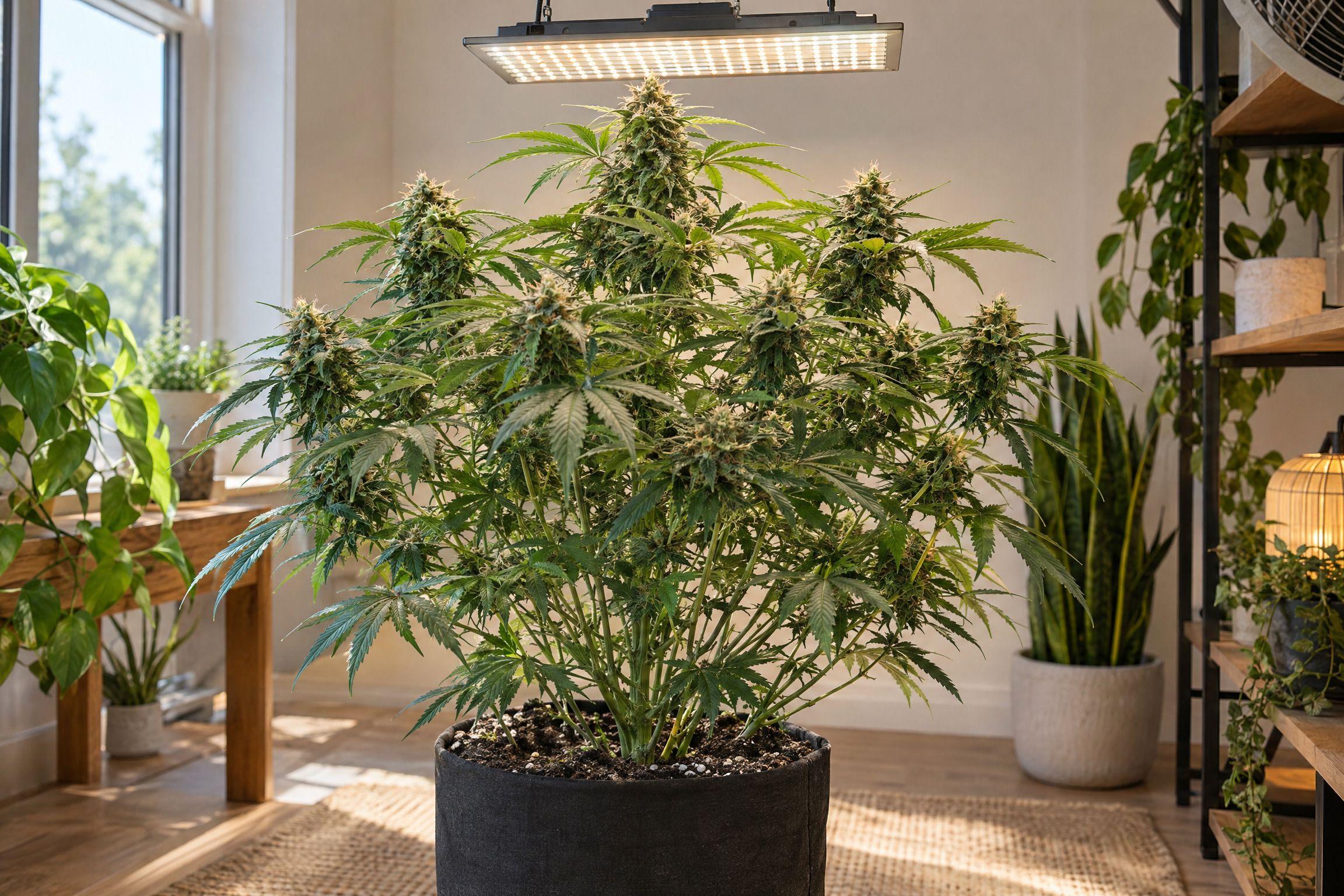
Bruce Banner Feminized Seeds
Bruce Banner feminized seeds are the format to consider when a photoperiod workflow gives you useful control over vegetative planning. The listed route is intended to produce predominantly female plants, while the actual grow still depends on the product record, environment, and observations you make along the way.
OG Kush × Strawberry Diesel
Environment
Indoor and outdoor
Current offer
We may earn a commission when you purchase through one of these links.
About Bruce Banner Feminized Seeds
Bruce Banner is a hybrid family associated with the original OG Kush × Strawberry Diesel cross. We describe its broad sensory direction as sweet strawberry or berry layered with diesel, fuel, and earthy notes, but this Feminized route should be read as its own listed record rather than as a promise that every family format is identical.
What Bruce Banner Feminized means for planning
Feminized identifies the intended sex trait of the listed seeds. For this route, a photoperiod workflow is the useful planning frame because vegetative time can be organized before a deliberate light-schedule change begins the flowering plan.
That control is practical rather than absolute. The root zone, canopy, light clearance, airflow, and plant development still determine when a transition makes sense, so use the format to organize decisions instead of expecting a fixed calendar.
Start with a measured room. Write down usable height, horizontal canopy space, container position, light distance, access, and airflow before you choose how to shape the plant.
Give the vegetative stage a clear job
The vegetative stage is a chance to establish a readable structure and a workable routine. Keep the root zone consistent, inspect new growth, and make changes gradually enough that you can connect the plant’s response to the decision you made.
Canopy work should serve the space rather than follow a universal recipe. Bruce Banner has an open, branch-forming house direction, so keep support options available while allowing the individual plant to determine how much intervention is useful.
A simple log improves the quality of each next choice. Record watering, light adjustments, training, temperature, airflow, and meaningful changes in plant posture without turning one run into a guarantee for the next.
When the plant and room are ready, use the appropriate light schedule to initiate the photoperiod flowering plan. Treat the resulting timing as flexible because the exact product, plant development, environment, and preferred maturity all belong to the decision.
Working with the Bruce Banner profile
The family’s house profile pairs sweet berry or strawberry with diesel, fuel, and earthy character. Citrus, sour, peppery, or herbal accents may appear around that center, yet they should be treated as qualified nuances rather than a fixed flavor list.
The feminized offer is part of the wider Bruce Banner family and carries its own product identity. Use OG Kush × Strawberry Diesel as family context, then keep format-specific details attached to this listed route.
Late-cycle handling can influence how the aroma presents. Maintain sensible environmental conditions, avoid rough contact, and give drying and storage enough care to evaluate the expression that develops.
Space, airflow, and support
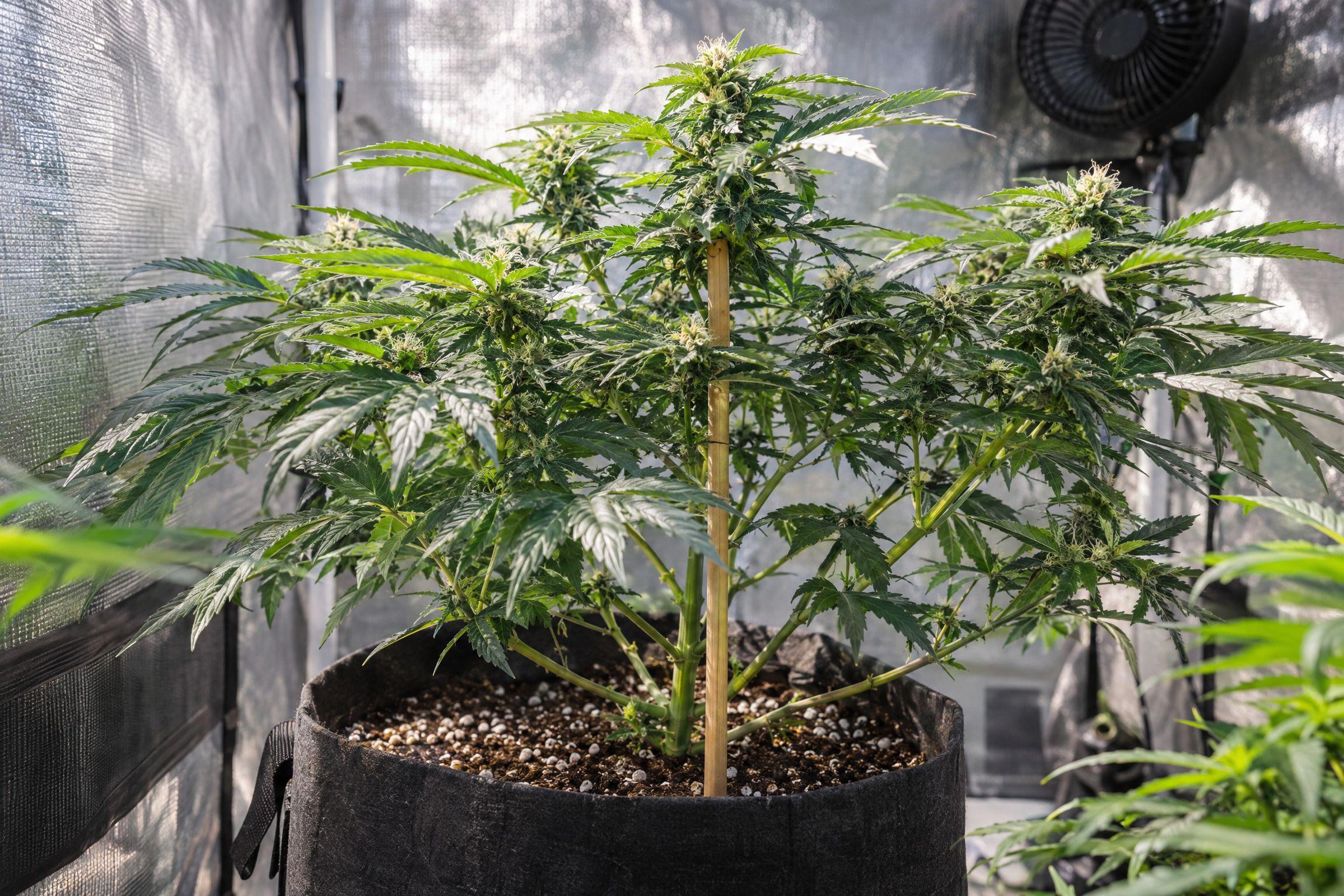
Photoperiod control does not remove the need to plan the final canopy. Leave light clearance above the plant, working room around the container, and enough horizontal space for branches and leaves to develop without closing off the interior.
Airflow should serve both the outside and inside of the canopy. Keep access open for inspection, prevent plant surfaces from resting against damp materials, and make small environmental corrections before the room becomes difficult to read.
Support can be added when the plant’s structure calls for it. Use a stake, tie, or other gentle method to improve access and organization, but do not turn a support choice into a prediction of final height or production.
A measured room beats an optimistic sketch. Count the container, light, access path, and air movement before planting, then keep margin for natural branching and the plant’s own pace.
Indoor and outdoor use
Indoor growers can organize the light schedule, air exchange, root-zone access, and inspection routine more closely. Start with the equipment and space you can maintain consistently, then change one variable at a time so the plant’s response remains clear.
Outdoor growers need a suitable season, direct light, drainage, weather margin, and a legal plan. A Feminized photoperiod route also asks you to account for seasonal light changes when deciding how the flowering calendar will work in the selected site.
Either environment can be workable when conditions are suitable. The format does not replace local judgment, so keep the site, access, and weather margin in view from the first planning session.
Feminized route checklist
Before planting, confirm the intended container, medium, light schedule, canopy footprint, support plan, airflow, and inspection access. Decide which parts of the environment you can control and which parts need flexibility.
During establishment, protect consistency and observe the root zone. Avoid stacking major changes, and use short notes to separate a response to training from a response to watering, light, temperature, or another variable.
Before flowering, check the available clearance and the plant’s shape. The right transition point is the one that fits your room and the plant you are observing, not a date borrowed from a different record.
Build decisions around photoperiod control
A photoperiod plan is most useful when the room is ready before the light schedule changes. Set the container, light position, airflow, and access path first, then use the vegetative stage to learn how the plant is using that space.
The canopy can be evaluated from several angles. Look for crowded areas, blocked airflow, and branches that are difficult to reach, then choose a gentle response that makes the room easier to manage without forcing a standard shape.
Keep the root zone visible in your routine. Container weight, medium condition, drainage, and plant posture give better context for a watering decision than an interval copied from a different setup.
A photoperiod route rewards a clear decision log. Record why you changed the light, adjusted support, moved equipment, or altered watering so the next observation has a specific point of comparison.
Before initiating flowering, walk the room as if the canopy were already fuller. Check light clearance, working access, air movement, and the route you will use for inspection so the transition is based on a space you can maintain.
After the transition, keep the environment steady enough to read. Watch new growth, canopy posture, root-zone condition, and the way air moves through the branches, then make one considered adjustment at a time.
The predominantly female intent of the format is one part of the selection decision. The rest is a practical question about how much control you want over vegetative timing and whether that workflow fits your schedule.
A flexible support plan is useful even when the final structure is not known in advance. Prepare a simple option, use it only when the plant and space call for it, and keep the access path open for later inspection.
Keep the route-specific record clear
The Bruce Banner family name provides useful aroma and lineage context, but this listed Feminized route deserves its own planning notes. Keep family identity, format intent, and current offer details in their proper lanes instead of combining them into one universal description.
The berry-and-diesel direction can help you decide whether the family appeals to your preferences. It should not replace the more important questions about light control, room clearance, root-zone access, airflow, and the routine you can keep.
If the plant develops differently from the first sketch, adjust the plan without treating the change as a failure. The value of photoperiod control is the ability to make a thoughtful decision with the current plant and room in view.
Current Bruce Banner Feminized offer
When you are ready to review the listed route, Buy NowWe may earn a commission when you purchase through this link.. Confirm the live destination for changing commercial details before ordering.
For the family-level comparison, open Bruce Banner Seeds. For shared identity, aroma, and format context, read the Bruce Banner strain guide, and compare Bruce Banner Autoflower Seeds if a maturity-led route is more suitable.
Feminized versus Autoflower planning
The listed Feminized route is organized around predominantly female intent and a photoperiod plan. The Autoflower route instead organizes flowering around maturity, which means its early container and environment decisions deserve a different order of attention.
Use the difference to choose a workflow, not to rank outcomes. Feminized can suit a grower who values vegetative control, while Autoflower can suit a grower who prefers not to manage a deliberate flowering switch.
Keep the comparison at the format level. The berry, diesel, fuel, and earthy direction belongs to the broader family, while each route’s structure and product details belong to its own page.
Bottom line for Bruce Banner Feminized seeds
Bruce Banner feminized seeds provide a clear photoperiod planning lane with predominantly female intent and a distinctive berry-and-diesel family direction. Build the room around measured clearance, airflow, access, and the light schedule you can maintain.
If that level of control fits your routine, Buy NowWe may earn a commission when you purchase through this link.. Keep the Bruce Banner Seeds comparison and strain guide nearby when you want to revisit the wider family context.
Read the Bruce Banner strain guide for cultivar background and broader growing context. Use this page to compare the selected seed format.
Bruce Banner Feminized Seeds data sheet
Use the details below to compare this seed type with your space and schedule. Plant traits can vary with format and growing conditions.
| Seed format | Feminized |
|---|---|
| Profile | Sativa-dominant hybrid |
| Flowering type | Commonly photoperiod; |
| Expected height | Vigorous growth; |
| Environment | Indoor and outdoor |
| THC | Commonly reported at 24–29% |
Cultivar context
These traits describe the cultivar as a whole. Expression can vary across seed formats and growing conditions.
| Cultivar background | Bruce Banner is a Sativa-dominant hybrid created by crossing OG Kush and Strawberry Diesel, renowned for its extreme potency reaching up to 30% THC. The cultivar typically exhibits a tall, lanky, and vigorous plant struc |
|---|---|
| Group profile | Hybrid |
Bruce Banner Feminized Seeds growing FAQs
How should I plan the flowering window for Bruce Banner?
Flowering pace varies with the selected seed line, plant, and environment. Use a flexible schedule and observe growth instead of treating the cultivar name as a fixed finish date.
What size context is listed for Bruce Banner?
The listed size context is Vigorous growth; ; treat it as a planning reference rather than a fixed result. Container size, training, and growing conditions can shape plant structure.
What environment should I consider for Bruce Banner?
Indoor and outdoor is the listed setup context; match it to your space and climate. Light, airflow, and routine still vary between growing environments.
What harvest context is available for Bruce Banner?
Harvest outcomes vary with the seed line, plant health, light, and growing conditions. A figure associated with another format should not be treated as an estimate for this one.
How should I choose a seed type for Bruce Banner?
Compare the feminized format with your space, timing, and preferred light schedule. Choose the exact seed type that fits your plan, then review the format-specific page.
Related seeds
All seeds
Hybrid
24k Gold
24k Gold seed options include Feminized formats. Compare the options with your preferred space and growing schedule.
View details
Hybrid
3 Kings
3 Kings seed options include Feminized formats. Compare the options with your preferred space and growing schedule.
View details
Hybrid
5 Alive
5 Alive seed options include Feminized formats. Compare the options with your preferred space and growing schedule.
View details