

Durban Poison Seeds
Durban Poison seeds are best compared by the growing rhythm you want to manage, not by one headline description. This family page puts the autoflower and feminized photoperiod routes together so you can weigh an age-driven schedule against a light-cycle plan.
Flowering
8 – 10 weeks
Height
Tall
About Durban Poison Seeds
Durban Poison seeds are best compared by the growing rhythm you want to manage, not by one headline description. This family page puts the autoflower and feminized photoperiod routes together so you can weigh an age-driven schedule against a light-cycle plan.
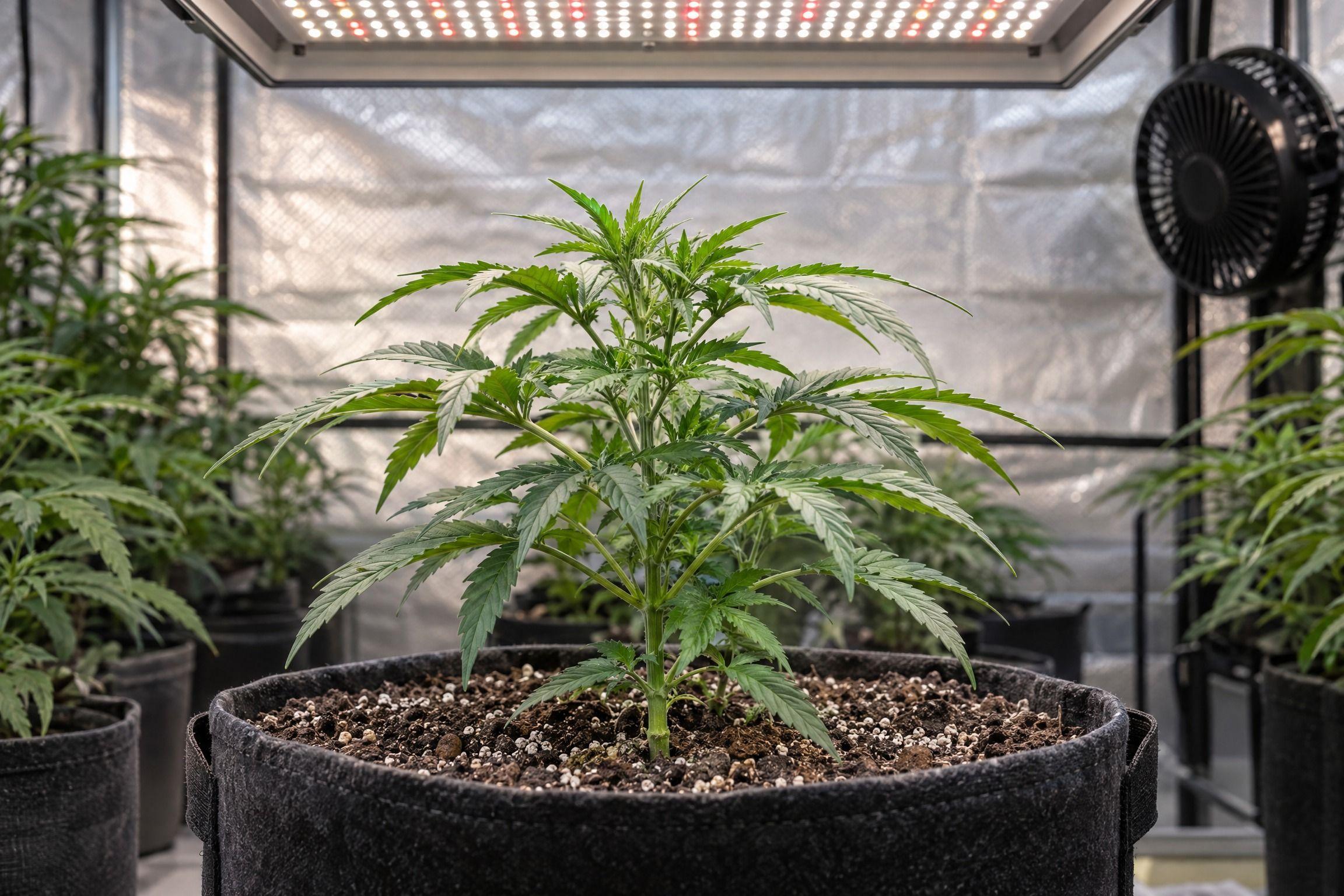
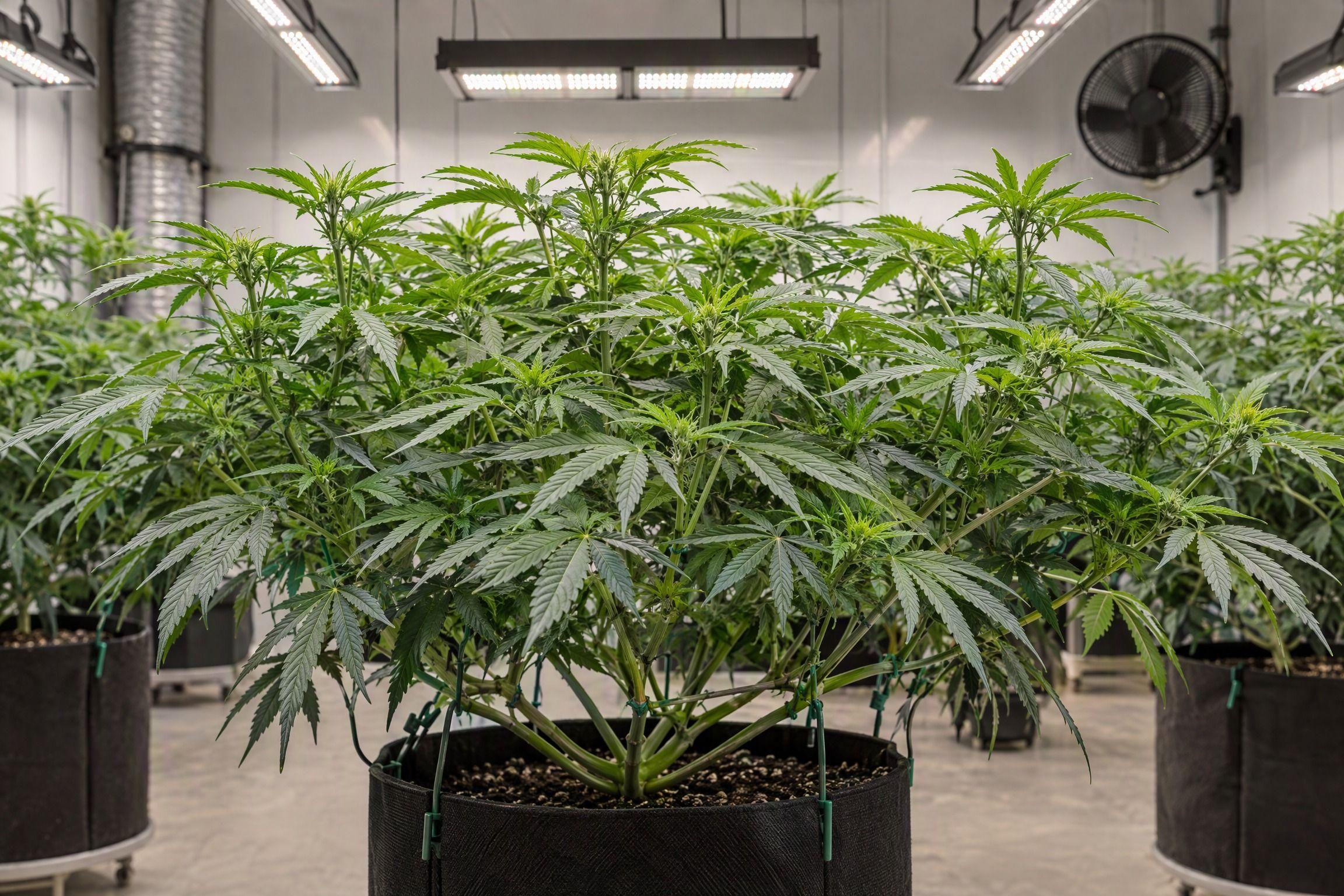
Durban Poison is a South African-origin, Durban-linked sativa family with a sweet-spiced, piney, earthy, and herbal aroma direction. It can grow vigorously and stretch, so vertical room, early canopy decisions, and airflow belong in the comparison from the beginning.
Pick the format before planning the room
Pick the format before planning the room
The Durban Poison autoflower route is organized around flowering that begins with plant age rather than a deliberate photoperiod change. Container choice, light placement, and early observation carry extra weight because the schedule is continuous.
The Durban Poison feminized route follows a photoperiod workflow in which the grower controls flowering with the light schedule. That gives more room to shape vegetative growth, but it also calls for a clear plan for stretch, canopy width, and the later transition.
Neither format is a shortcut. The selected line and conditions shape development.
Durban Poison seeds at a glance
Autoflower — Age-driven rather than a deliberate light-cycle switch — Can the final container, light, and airflow support a continuous run? — Autoflower details.
Feminized photoperiod — Grower-led light-cycle change — How much vegetative time and canopy control does the space allow? — Feminized details.
This table is a decision aid, not a promise about height, harvest timing, yield, aroma intensity, or germination. Read the exact route before ordering because format labels describe the workflow, while the individual selection and conditions shape the result.
The shared Durban Poison profile
Our house profile places Durban Poison in a South African-origin, sativa-leaning family associated with Durban. The exact pedigree remains tied to the particular format and selection you choose.
Allow for vigorous growth, branching, and possible stretch. Leave vertical headroom, decide where the canopy can spread, and keep airflow visible in the layout instead of fitting the family into a rigid size expectation.
When autoflower fits better
Choose the autoflower route when you want flowering to follow plant age instead of waiting for a deliberate light-cycle switch. The trigger is straightforward, but early root-zone, container, light, and canopy choices deserve attention because a long adjustable vegetative phase is not the model.
Use the final growing space with intention and keep the first part of the run steady. Because timing varies by selection and conditions, use the exact product details rather than transferring the feminized flowering window to this route.
When feminized photoperiod fits better
Choose the feminized route when you want to decide when flowering begins through a light-cycle change. That workflow can give you more time to establish the root zone, guide the canopy, and account for a sativa-leaning structure before flowering starts.
Plan for stretch before changing the light schedule. Keep the tallest point, lamp position, support, and branch spacing in mind, then use measured canopy work and steady airflow rather than reacting after the plant has filled the room.
Choose by aroma and structure
Sweet spice, pine, earth, and herbs make Durban Poison a clear sensory choice for growers who prefer a layered profile. Optional anise, licorice, or light citrus are vocabulary for the direction, not a promise that every plant will present each note equally.
The structure calls for preparation rather than a fixed height target. Give the roots workable volume, reserve vertical clearance, support branches when needed, and inspect the interior so airflow does not become an afterthought.
Indoor and outdoor plans ask different questions. Indoors, measure usable height after the container and light are accounted for; outdoors, add season length, weather, sunlight, local rules, and room for possible stretch.
How we recommend choosing Durban Poison seeds
Pick autoflower if an age-driven flowering trigger fits your schedule and you are prepared to make early container, light, and canopy decisions. Pick feminized photoperiod if you want the light cycle to control the transition and prefer more time to shape the plant.
Use the shared family profile for identity and sensory direction, then use the exact route for operating details. For broader identity and grow planning, read the Durban Poison strain guide before returning to the product pages.
Make the comparison practical
Durban Poison seeds make the most sense when the format, room, and routine agree. Start with the flowering trigger, reserve space for possible stretch, and use the family’s sweet-spiced, piney, earthy-herbal direction as a sensory guide rather than an outcome promise.
Use the seed-group routes to compare the formats, then move to Autoflower or Feminized for the exact workflow. Choose the clock you can manage, then give the plant enough room to express its own structure.
Compare Durban Poison seed types
Compare the available seed types for Durban Poison. Match a format to your space, experience, and preferred growing rhythm.
Autoflower seed type
Durban Poison Autoflower Seeds
Durban Poison autoflower seeds suit a grower who wants flowering to develop with plant age rather than a deliberate change to the light schedule. That format choice affects the container, light position, and amount of canopy room you reserve at the start.Feminized seed type
Durban Poison Feminized Seeds
Durban Poison feminized seeds are a photoperiod choice for growers who want the light schedule to control when flowering begins. That planning lever makes vegetative timing and canopy shaping important for a sativa-leaning family that can grow vigorously and stretch.Durban Poison Seeds data sheet
These profile details help compare seed formats and plan a growing space. Plant development can vary with seed type and growing conditions.
Durban Poison Seeds growing FAQs
What is the difference between Durban Poison autoflower and feminized seeds?
Autoflower seeds use an age-driven flowering system that does not depend on a deliberate photoperiod change. Feminized seeds are intended for a photoperiod workflow in which the light schedule controls flowering, so the formats require different calendars and canopy decisions.
Which Durban Poison format needs more vertical planning?
Both routes deserve vertical and airflow planning because the family can grow vigorously and stretch. The photoperiod route offers more time to shape vegetative growth, while the autoflower route makes early space and container decisions especially important.
Which aroma notes define the Durban Poison family?
The house direction is sweet and spicy with pine, earthy depth, and herbal character. Anise or licorice may support it, with occasional light citrus, but intensity and final expression vary by selection, maturity, drying, curing, and storage.
Does the 8–10 week window apply to Durban Poison autoflower seeds?
No, that range is photoperiod flowering context and should not be transferred to an autoflower schedule. Use the exact autoflower product details and allow age-driven development and conditions to set the pace.
How should I compare Durban Poison seed formats?
Choose autoflower when an age-led schedule and early planning fit your space. Choose feminized photoperiod when you want the light cycle to control flowering and prefer more vegetative timing before the transition.
Related seeds
All seeds
Hybrid
24k Gold
24k Gold seed options include Feminized formats. Compare the options with your preferred space and growing schedule.
View details
Hybrid
3 Kings
3 Kings seed options include Feminized formats. Compare the options with your preferred space and growing schedule.
View details
Hybrid
5 Alive
5 Alive seed options include Feminized formats. Compare the options with your preferred space and growing schedule.
View details