
Strain guide
Animal Cookies Strain Guide: Breeder-specific aroma and grower notes
Animal Cookies is documented here with partner-source cultivar context, seed-format availability, and secondary-topic research cues.
Overview
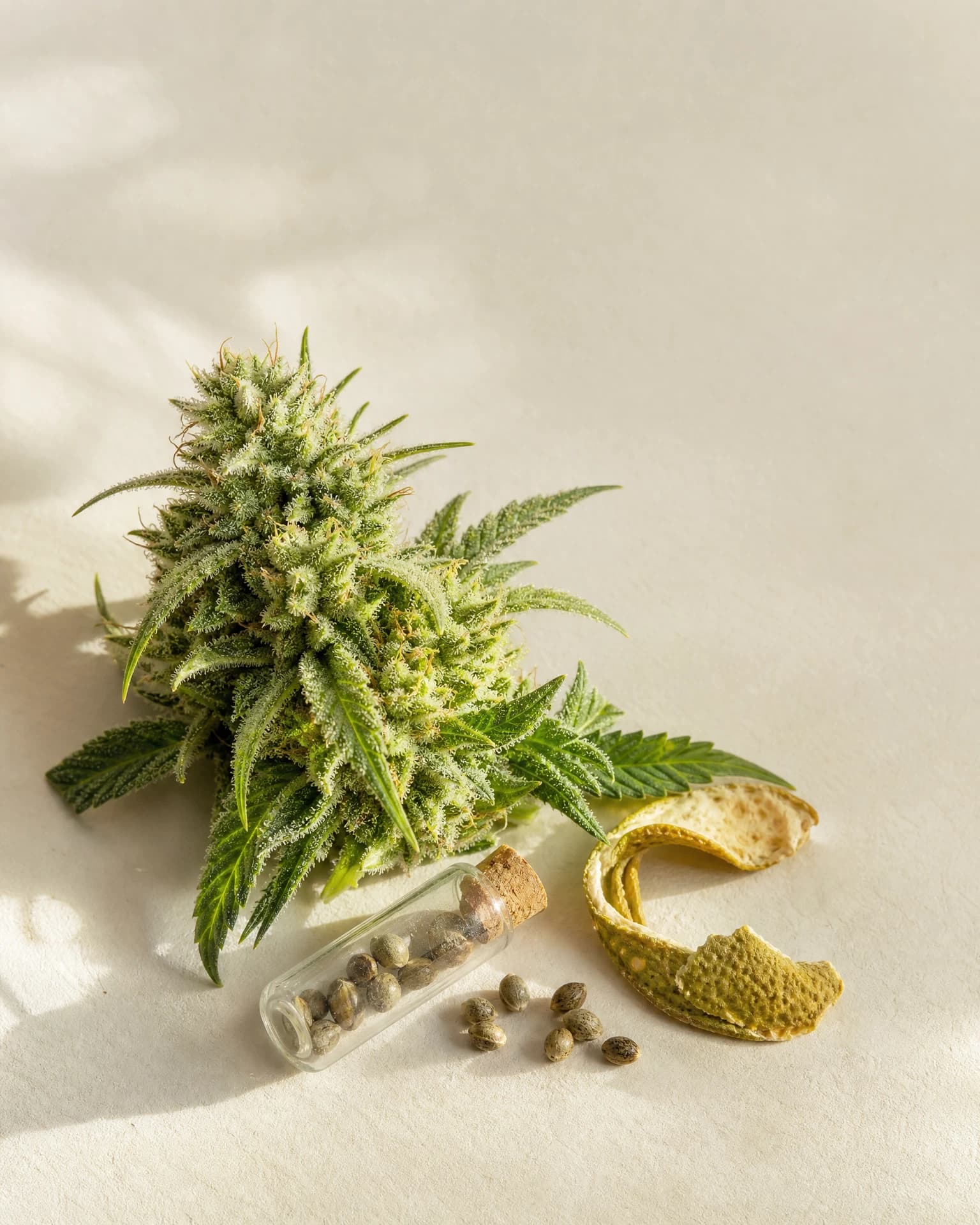
Animal Cookies is a cannabis cultivar that occupies a specific position within the modern seed market, primarily recognized for its heritage as an indica-leaning hybrid. This particular cultivar is categorized as a photoperiod plant, meaning its reproductive cycle is dictated by changes in light exposure, typically requiring a shift to a twelve-hour darkness schedule to initiate the production of flowers. According to verified breeder records, the animal cookies strain represents a genetic cross between the widely known Girl Scout Cookies and Fire OG, specifically the Fire OG Bx3 selection. This lineage suggests a focus on stabilizing particular traits from its parentage, though the resulting plant is noted for its tall structure and the development of a large main stem supported by satellite branches.
When examining the technical specifications provided by primary sources, the cultivar demonstrates a flowering window that spans between nine and ten weeks. This duration is a standard metric used by cultivators to plan their garden cycles and resource allocation. The plant is also characterized by the production of dense buds, a physical trait that often influences how a grower manages airflow and humidity within a controlled environment. In terms of chemical composition, the records indicate a THC concentration that ranges from 22% to 27%. This range provides a quantitative measure of the primary psychoactive compound found in the plant, though it does not account for the full spectrum of secondary metabolites that may be present.
The availability of Animal Cookies genetics is currently restricted to specific formats, namely feminized and regular seeds. Feminized seeds are engineered to produce only female plants, which are the ones that yield the cannabinoid-rich flowers, whereas regular seeds produce a mix of male and female plants, offering a different utility for those interested in breeding or genetic preservation. Despite its recognition in certain catalogs, the cultivar presents a unique case in the broader seed retail market. While it is listed by specific providers, it is notably absent as a standalone offering from several major retailers, appearing instead as a genetic component in other hybrid crosses. This distribution pattern highlights the importance of verifying source data and understanding the specific provenance of a seed lot before acquisition.
Genetics and cultivar background
The genetic foundation of the animal cookies strain is rooted in a cross between two prominent cultivars: Girl Scout Cookies and Fire OG. Specifically, the records identify the paternal contributor as Fire OG Bx3. The "Bx3" designation refers to a backcrossing process, where a plant is bred back to one of its parents for three successive generations to stabilize specific phenotypic traits. In the context of cannabis breeding, this technique is frequently employed to ensure that the offspring consistently exhibit the desired characteristics of the original parent, in this case, the Fire OG line. By integrating these genetics with Girl Scout Cookies, breeders aimed to create a hybrid that carries the heritage of both lineages.
In the technical documentation, this cultivar is primarily described as an indica-dominant hybrid. This classification typically suggests a growth habit and physiological profile that leans toward the characteristics traditionally associated with indica varieties, such as broader leaves or a more compact flowering structure, although the record specifically notes this plant grows tall. It is worth observing that within the industry, these classifications can sometimes be subject to interpretation or data discrepancies. For instance, while the majority of records support the indica-dominant label, certain internal product data from specific sources has listed the cultivar as a 50/50 hybrid. This lack of absolute consensus is a common feature in the cannabis industry, where different selections or "cuts" of the same lineage might display varying ratios.
The background of this cultivar also involves its presence, or lack thereof, in various seed banks. While the lineage is verified, the standalone version of the animal cookies strain is not universally available across all major retail platforms. In some instances, the cultivar is not sold as a unique seed line but is instead used as a parent in the creation of other hybrids. This suggests that the genetics are highly valued for their contribution to new crosses, even if the original version is more difficult to source from certain distributors. Researching the background of such a cultivar requires a careful examination of these lineage records to ensure that the seeds being purchased are indeed the specific GSC and Fire OG Bx3 cross described in the primary documentation.
Plant profile and grow planning
The physical profile of this cultivar is defined by its tall stature, a characteristic that requires specific consideration during the planning phases of a cultivation project. Unlike more compact varieties, a tall plant like this one may necessitate more vertical space and potentially more intensive training techniques to manage its height in an indoor setting. The structural description mentions a large main stem accompanied by satellite branches. This architecture suggests a plant that allocates significant energy to a central leader while still developing secondary growth points that contribute to the overall yield. The presence of dense buds on these branches is a key feature, as density can affect the plant's susceptibility to environmental factors such as moisture retention.
From a planning perspective, the flowering time of nine to ten weeks is a critical variable. This period represents the time from the initiation of the flowering phase to the point where the plant reaches maturity. For indoor growers, this means the total time from seed to harvest will include the initial vegetative stage plus this ten-week window. For those considering an outdoor garden, this duration must be weighed against the local climate and the length of the growing season to ensure the plant can reach full maturity before the onset of unfavorable weather. The photoperiod nature of these Animal Cookies genetics means that the transition to flowering is not automatic and must be managed by the cultivator through light control.
Technical details regarding the growth requirements of this specific cultivar, such as its preferred nutrient levels, light intensity, or temperature ranges, are not explicitly detailed in the current record. In the absence of these facts, a researcher must rely on general horticultural principles applicable to tall, indica-leaning hybrids. It is standard practice to monitor environmental conditions closely, especially when dealing with dense bud structures that may be prone to mold if humidity is not properly regulated. Furthermore, the tall structure may require the use of support systems, such as trellising or stakes, to prevent the branches from bending or breaking under the weight of the developing flowers.
Aroma and flavor profile
The specific aromatic compounds and flavor characteristics of this cultivar are not documented in the provided record. In the cannabis industry, the scent and taste of a plant are determined by its terpene profile—a complex array of organic compounds that vary significantly between different phenotypes and growing conditions. While many cultivars are marketed with descriptions of their sensory attributes, the absence of this information in a breeder's technical record indicates a focus on the physiological and chemical data rather than subjective organoleptic qualities.
For a reader attempting to understand what a cultivar might offer in terms of aroma, it is useful to consider how these profiles are generally established. Breeders typically conduct sensory evaluations during the selection process, but these findings may not always be included in the basic technical specifications. When a record is silent on flavor and aroma, it leaves the specific sensory experience as an unknown variable. This highlights a common challenge in seed selection: the technical data provides the "skeleton" of the plant's potential, but the "flesh"—the smell and taste—may only be revealed through direct experience or more detailed laboratory analysis of the final product.
In the absence of specific data for this cultivar, one can look at the broader context of how aroma and flavor are researched. A professional approach involves looking for terpene test results, which quantify the presence of specific oils like myrcene, limonene, or caryophyllene. These compounds are responsible for the diverse range of scents found in cannabis, from earthy and musky to citrusy and spicy. Without such a report for this particular lineage in the record, any claims about its flavor would be speculative. Therefore, a responsible researcher treats the aroma and flavor profile as a missing piece of the puzzle, acknowledging that while the genetics may suggest certain possibilities, the record does not confirm them.
Reported experience context
Just as the aroma and flavor are not detailed, the specific effects or subjective experiences associated with this cultivar are not included in the verified record. This is a significant omission for many who research cannabis, as the "experience" is often the primary reason for interest in a particular strain. However, from a technical and evidentiary standpoint, the lack of reported experience data is a reflection of the record's focus on verifiable botanical and chemical facts. The THC range of 22% to 27% is the only quantitative indicator of the plant's potential potency, but potency alone does not define the nature of the experience.
When a breeder record does not provide an effects profile, it is often because such data is inherently subjective and can vary widely from one individual to another. Factors such as personal physiology, tolerance, and even the environment in which the plant is consumed can influence the perceived outcome. In the professional cannabis industry, there is an increasing move toward acknowledging that the "indica" or "sativa" label is a better predictor of plant morphology than it is of a specific psychological or physical effect. Thus, while the cultivar is described as indica-leaning, this label refers to its growth habits and genetic heritage rather than a guaranteed set of sensations.
To research a cultivar's experience context responsibly, one must distinguish between marketing claims and verified data. Many retailers provide lists of effects like "relaxation" or "euphoria," but these are often based on anecdotal reports rather than controlled studies. In the case of this specific record, the absence of such claims serves as a reminder to the reader that the actual experience remains unverified. A researcher should approach the cultivar with an understanding of its high THC potential but remain aware that the specific nuances of its interaction with the human body are not part of the established technical record.
How to compare current breeder records
Evaluating a breeder record requires a methodical approach to distinguish between verified technical data and promotional language. A high-quality record, such as the one provided for this cultivar, focuses on measurable attributes: lineage, flowering time, plant structure, and chemical composition. When comparing different records for the same cultivar, a researcher should first look for consistency in these core facts. For example, if one source claims a nine-week flowering time while another suggests twelve, this discrepancy signals a need for further investigation into the specific seed lot or the conditions under which those measurements were taken.
Another critical aspect of comparing records is the identification of the source's data points. A record that lists specific THC percentages, like the 22% to 27% range for this cultivar, is providing a window into the plant's potential, but it is also important to note if these figures are based on a single test or an average across multiple harvests. Similarly, the description of plant structure—such as "tall" with "dense buds"—provides a physical blueprint that can be compared across different breeder catalogs. If multiple reputable sources describe the plant in the same way, it increases the confidence in those specific traits being stable within the genetics.
Finally, a responsible comparison must account for what is not in the record. The absence of information on aroma, flavor, or specific growth requirements is just as informative as the presence of other data. It indicates the boundaries of the verified knowledge for that particular source. In the case of the animal cookies strain, the record is very specific about its genetics and structure but silent on its sensory profile. A researcher should be wary of any source that fills these gaps with generic descriptions that are not backed by the primary breeder's data. By focusing on the "verified facts" section of a record, one can build a reliable profile of the cultivar that is grounded in evidence rather than speculation.
The information presented in this guide is derived from a limited set of primary breeder records and retail catalogs, and it is subject to the constraints of those sources. A significant caveat in the data for the animal cookies strain is the disagreement regarding its hybrid classification. While the majority of the profile information points to an indica-leaning nature, internal data from specific providers has categorized it as a 50/50 hybrid. This type of conflict is common in the cannabis industry and often reflects the different ways that breeders and retailers interpret the expression of hybrid genetics. It serves as a reminder that these labels are often approximations rather than absolute biological certainties.
Furthermore, the record notes a distinct pattern in the availability of this cultivar. A search of several major seed banks failed to locate the animal cookies strain as a standalone product. Instead, the cultivar was only identified as a genetic contributor to other hybrid crosses. This suggests that while the name is recognized, the specific GSC x Fire OG Bx3 seed line may be held in a more limited distribution or primarily used for further breeding work. This lack of universal availability is a critical fact for any researcher or consumer to consider, as it may affect the authenticity of seeds found under this name at other, less verified outlets.
The profile of this cultivar is built on a foundation of specific genetic and physiological facts, but it is bounded by the absence of data regarding its sensory qualities and subjective effects. The verified THC range, the tall plant structure, and the nine-to-ten-week flowering window provide a technical framework for understanding the plant. However, the discrepancies in its classification and its sporadic availability in the retail market highlight the necessity of approaching breeder records with a critical eye. By sticking to the verified facts and acknowledging the known caveats, this guide provides a source-bounded overview of the cultivar as it exists in the current documented record.
The technical specifications for the Animal Cookies genetics, including the choice between feminized and regular formats, offer the most reliable path for those looking to interact with these genetics. As with any cultivar, the success of a project depends on the accuracy of the initial data and the ability of the researcher to handle the complexities of the seed market. This guide has aimed to present that data clearly, without inferring traits or experiences that are not explicitly supported by the primary records. The resulting profile is one of a potent, tall, indica-leaning hybrid with a well-defined lineage but a market presence that requires careful verification.
When reviewing the technical data points extracted from the verified records, it is important to remember that these figures represent the potential of the genetics under optimal conditions. Actual results in a home or commercial garden will be influenced by a wide range of variables, including light quality, nutrient regimes, and the skill of the cultivator. The data provided here serves as a baseline for what the breeder expects the animal cookies strain to produce, but it is not a guarantee of specific outcomes.
Developing an accurate understanding of the plant involves prioritizing verified facts over anecdotal claims. The animal cookies strain, with its high THC levels and tall growth habit, presents a specific set of characteristics that are well-documented in certain technical records, even if its presence in the broader market is somewhat fragmented. A careful, evidence-based approach remains a reliable way to handle the evolving world of cannabis genetics.
The role of the Fire OG Bx3 in this lineage is particularly noteworthy. Backcrossing is a rigorous process, and the choice to use a Bx3 male indicates a high degree of confidence in the stability of the Fire OG traits. This genetic precision is what many growers look for when selecting a hybrid, as it reduces the likelihood of unexpected phenotypic variations. However, the tall structure of the resulting plant suggests that the "tallness" was either a desired trait or a dominant one that persisted through the cross with Girl Scout Cookies.
For those interested in the broader context of cannabis breeding, the animal cookies strain serves as a case study in how a cultivar can become a staple of genetic libraries while remaining somewhat elusive as a standalone seed. Its frequent appearance as a parent in new hybrids speaks to the value that breeders place on its specific combination of potency and structure. Whether one is looking to grow the plant or simply to understand its place in the genetic history of modern cannabis, the key is to stay grounded in the data and to respect the boundaries of what is currently known and verified.
The dense bud structure mentioned in the records is another detail that warrants attention. Within the field of cannabis, "dense" is more than just a descriptor of appearance; it has practical implications for the curing and storage process. Denser buds hold moisture longer, which can be a benefit during a slow cure but a risk if the drying environment is not carefully controlled. This is the kind of technical insight that a grower can derive from a well-constructed breeder record, even when more subjective information is missing.
Adhering to the evidence ensures the integrity of the technical record by refusing to speculate on aroma, flavor, or effects. This allows for the observation of the cultivar as a specific genetic entity with measurable traits and a unique position in the market. The Animal Cookies genetics available today carry this heritage, and those who choose to work with them do so with a clear understanding of the botanical facts that define the strain.
Given the specific data and the gaps in the current record, several research questions emerge for those who wish to deepen their understanding of this cultivar. The first set of questions revolves around the genetic stability of the Fire OG Bx3 parent. Researching the process of backcrossing in cannabis can provide insights into why this specific parent was chosen and what traits it was intended to stabilize. For instance, one might ask: What specific characteristics of the Fire OG line are most prominent in the Bx3 generation, and how do they manifest when crossed with Girl Scout Cookies? This type of inquiry moves beyond the surface-level name and into the actual science of the plant's heritage.
A second area for research involves the discrepancies noted in the hybrid classification. With some data suggesting an indica-dominant profile and other internal records pointing to a 50/50 split, a researcher might investigate the environmental factors that can cause a hybrid to express itself more toward one side of its lineage. Does the tall structure of the plant suggest a more significant "sativa" influence than the "indica-dominant" label implies? Exploring the relationship between a plant's physical growth habits and its genetic classification can help a grower better prepare for the challenges of managing a tall cultivar.
Finally, the limited availability of the standalone cultivar at certain major retailers raises questions about the supply chain and the preservation of specific clones versus seed lines. A researcher might look into the history of how certain cultivars become "elite clones" that are primarily circulated as cuttings rather than seeds. Understanding why a strain like this one appears more frequently as a parent in other crosses than as a standalone seed can provide a broader perspective on the current state of cannabis genetics and the market forces that shape which seeds are available to the public. These questions encourage a more critical and informed approach to the study of cannabis cultivars.
Frequently asked questions
What is the Animal Cookies strain?
This guide summarizes the documented cultivar record while separating verified details from variable grower outcomes.
Is Animal Cookies suitable for beginners?
Difficulty depends on the exact seed line, environment, and grow setup. Confirm current breeder guidance.
How long does Animal Cookies take to flower?
Flowering windows vary by phenotype and environment. Confirm the estimate for the exact breeder line.
Can Animal Cookies be grown indoors and outdoors?
Suitability depends on the breeder line and local climate. Compare space, humidity, temperature, and season length.
Which Animal Cookies seed format should I choose?
Autoflower and feminized formats serve different schedules and grow styles. Compare only documented direct records.