
Strain guide
Blueberry Strain Guide: Pine aroma and grower notes
Blueberry is documented here with partner-source cultivar context, seed-format availability, and secondary-topic research cues.
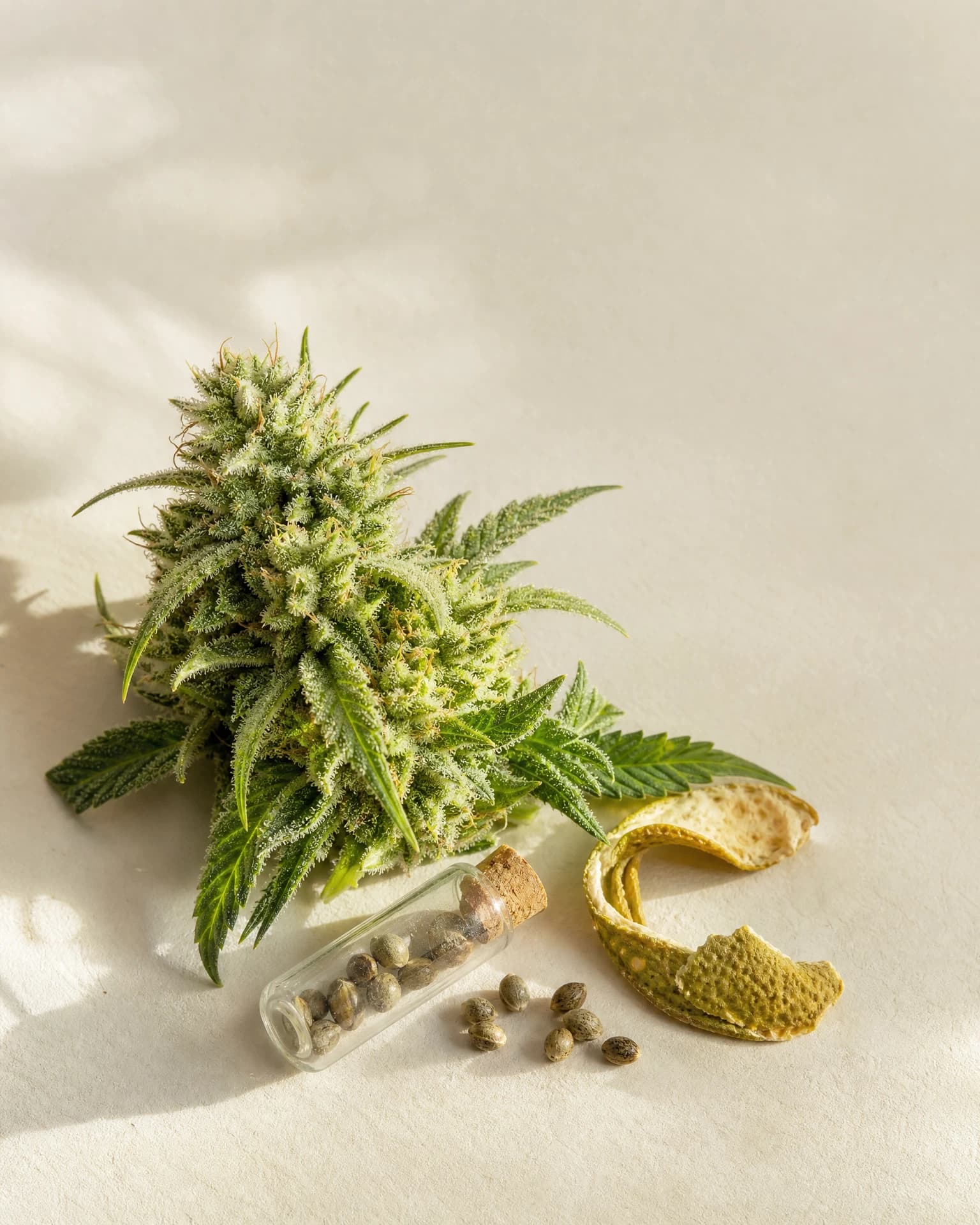
Overview
The blueberry strain represents a significant category within the botanical classification of cannabis, specifically identified as an indica-leaning hybrid. This particular cultivar is frequently cited as an eighty percent indica-dominant hybrid, a designation that places it firmly within the broader context of cultivars that favor physical characteristics associated with South Asian and Middle Eastern lineages. The history of this cultivar is deeply rooted in the nineteen seventies, a decade that served as a foundational period for modern cannabis breeding and the stabilization of specific phenotypic traits. During this era, breeders began to experiment with crossing distinct landrace varieties to create hybrids that offered a blend of characteristics previously only found in isolated geographic regions.
The record for this cultivar indicates a lineage resulting from the cross-breeding of Afghani Indica and Thai landraces. This combination is a classic example of the hybridization efforts that defined early cannabis development, pairing the sturdy, resinous nature of high-altitude indica plants with the complex aromatic profiles and growth habits of tropical sativas. While the primary record points to this two-way cross, some secondary reports include Oaxacan Sativa within the genetic history, illustrating the inherent variability found in historical breeding documentation. This variability is a common feature when researching legacy cultivars, as early records were often maintained informally or across different regional breeding circles.
As a cultivar with a history spanning several decades, the blueberry strain has become a point of reference for researchers and enthusiasts interested in the evolution of sweet and fruity aromatic profiles. The presence of specific terpenes such as myrcene, caryophyllene, and pinene contributes to a sensory experience that is often described through the lens of fresh berries and earthy undertones. These chemical markers are not merely for identification but serve as a map for understanding how the plant interacts with its environment and how its chemical profile has been preserved through various seed formats, including feminized, regular, and autoflowering options.
Understanding the blueberry strain requires a careful examination of the available data points, acknowledging that figures for THC content and plant height can vary significantly between different retailer listings and breeder batches. This blueberry growing guide serves to synthesize the verified facts while providing a framework for how to interpret the inconsistencies that often arise in the study of complex botanical subjects. By focusing on the stabilized traits—such as the flowering window and the tendency toward specific coloration—one can gain a clearer picture of what this cultivar offers to the modern botanical record without relying on anecdotal or unverified claims.
Genetics and cultivar background
The genetic foundation of the blueberry strain is a testament to the early innovations in cannabis hybridization that occurred during the nineteen seventies. At its core, the cultivar is defined as an eighty percent indica-dominant hybrid, a ratio that suggests a strong influence from its Afghani Indica ancestors while still retaining key elements from its Thai landrace heritage. The integration of these two geographically distant varieties represents a milestone in the stabilization of hybrid cannabis, as it sought to combine the structural reliability of indica plants with the unique chemical properties of sativa landraces.
The Afghani Indica component of the lineage is typically associated with plants that have evolved in the rugged, high-altitude regions of the Hindu Kush mountains. These plants are known for their ability to produce high levels of protective resin and their relatively short, sturdy stature. In contrast, the Thai landrace element introduces a genetic influence from a tropical environment, where plants are adapted to longer growing seasons and different light cycles. The resulting hybrid, the blueberry strain, attempts to bridge these two worlds, creating a plant that exhibits the density and flowering speed of an indica with the aromatic complexity often found in sativa varieties.
A notable point of discussion in the genetics of this cultivar involves the potential inclusion of Oaxacan Sativa. While many sources focus exclusively on the Afghani and Thai cross, some historical records and specific breeder listings, such as those from Herbies or Dutch Passion, suggest that Oaxacan genetics may also play a role. This discrepancy highlights the challenges of tracking the exact history of cultivars that originated before the implementation of modern, standardized record-keeping. For a researcher, these variations in lineage reports are not necessarily contradictions but rather reflections of the different paths a cultivar may have taken as it was shared and refined by various breeding groups over the decades.
The stabilization of the blueberry strain during the nineteen seventies provided a template for many subsequent breeding projects. By selecting for specific traits such as the sweet, berry-like aroma and the potential for blue or purple coloration, early breeders were able to create a recognizable and repeatable profile. This historical context is essential for anyone looking to understand the modern cannabis market, as many contemporary hybrids can trace their ancestry back to these early, foundational crosses. The longevity of the blueberry strain in the botanical record is a clear indicator of its significance as a stabilized and well-documented example of early hybrid development.
Plant profile and grow planning
When planning for the cultivation of the blueberry strain, the primary data point for consideration is the flowering context, which is consistently reported to be between eight and ten weeks. This window is relatively standard for indica-dominant hybrids, providing a balance between the rapid development of pure indica varieties and the extended cycles required by many sativa-dominant plants. Growers must account for this duration when timing their cycles, ensuring that environmental conditions remain stable throughout the critical late-flowering phase where the plant's unique characteristics become most apparent.
One of the most striking features of the blueberry strain is its tendency to develop distinct blue or purple hues in its buds and foliage. This coloration is a genetic trait that can be influenced by environmental factors, though it is fundamentally rooted in the plant's specific chemical makeup. The appearance of these colors typically occurs as the plant approaches maturity, adding a visual layer to the identification of the cultivar. For those documenting the growth of this plant, these color shifts serve as important markers of development, though they should not be the sole indicator of harvest readiness.
The physical structure of the blueberry strain is a subject that requires careful verification against current breeder sources. Retailer listings provide a range of descriptions, with some characterizing the plant as compact, reaching heights of approximately one meter, while others suggest it can grow to a much larger size. This variability may be due to differences in specific phenotypes, growing techniques, or the environment in which the plant is raised. Consequently, a successful grow plan must be flexible enough to accommodate different potential heights and lateral spread, emphasizing the importance of consulting the specific documentation provided by the seed producer.
Technical details such as THC levels also show significant fluctuation across different sources, with reports ranging from fifteen percent to twenty-six percent. This wide range highlights the impact of cultivation conditions, phenotype selection, and testing methodologies on the final chemical profile of the plant. Researchers and growers should treat these figures as potential ranges rather than absolute certainties. In the context of grow planning, this means focusing on optimizing the environment to allow the plant to reach its full genetic potential, rather than aiming for a specific numerical target that may be influenced by factors beyond the genetics of the seeds themselves.
Aroma and flavor profile
The aromatic profile of the blueberry strain is perhaps its most defining characteristic, characterized by a sweet and fruity core that strongly evokes the scent of fresh berries and blueberries. This dominant aroma is not a single chemical note but a complex interaction of various volatile organic compounds that the plant produces during its flowering cycle. The sweetness is often balanced by earthy and pine undertones, providing a grounded quality to the overall scent that prevents it from being one-dimensional. This layering of aromas is a hallmark of the cultivar's heritage, reflecting the diverse genetic influences of its landrace ancestors.
The primary terpenes responsible for this profile include myrcene, caryophyllene, and pinene. Myrcene is a common terpene in cannabis, often associated with earthy and musky scents, and it plays a significant role in the foundational aroma of the blueberry strain. Caryophyllene adds a touch of spice or pepper, which contributes to the complexity of the fruity notes, while pinene introduces the crisp, forest-like scent of pine. Together, these terpenes create a chemical signature that is both recognizable and highly sought after in the study of aromatic plant profiles.
In addition to the scent, the flavor profile of the blueberry strain mirrors these aromatic qualities. When the plant is processed or consumed, the sweet berry notes are typically the most prominent, followed by the subtle earthy and woody flavors provided by the secondary terpenes. The persistence of these flavors is often a point of focus for those evaluating the quality of a specific batch or phenotype. Understanding the relationship between the live plant's aroma and the final flavor profile is an essential part of botanical research, as it provides insight into how the drying and curing processes affect the preservation of volatile compounds.
For the researcher, the aroma and flavor profile of the blueberry strain serve as important diagnostic tools. While visual characteristics like color and structure can vary, the sweet, berry-forward scent remains a consistent marker of the cultivar's identity. This consistency is a result of the stabilization efforts that began in the nineteen seventies, ensuring that the specific terpene ratios were maintained through generations of breeding. By studying these profiles, one can better understand the chemical diversity within the cannabis genus and how specific traits have been prioritized and preserved over time.
Reported experience context
The experience context for the blueberry strain is primarily defined by its classification as an eighty percent indica-dominant hybrid. In the study of cannabis, the indica-sativa taxonomy is often used as a shorthand for the general effects and experiences associated with a particular cultivar. Indica-dominant plants are traditionally associated with physical relaxation and a more grounded experience, as opposed to the more cerebral or energetic qualities attributed to sativa-dominant varieties. While individual experiences can vary, the high percentage of indica genetics in this cultivar provides a strong indication of its general orientation within the broader market.
The reported experience of a cultivar like the blueberry strain is also influenced by its specific chemical profile, including the presence of terpenes like myrcene and caryophyllene. These compounds are studied for their potential to interact with the body's systems in ways that complement the effects of cannabinoids. However, because the record for this cultivar does not include specific, verified experience data or clinical testing results, any discussion of its effects must remain grounded in the general characteristics of its genetic category. A responsible researcher avoids making definitive claims about medical efficacy or specific subjective outcomes without direct evidence.
The variability in THC levels—ranging from fifteen percent to twenty-six percent—further complicates the experience context. A plant with a fifteen percent THC content may offer a significantly different experience than one testing at twenty-six percent, even if they share the same genetic lineage and terpene profile. This range highlights the importance of laboratory testing and batch-specific data when evaluating the potential impact of a particular sample. For the consumer or researcher, this means that the name 'blueberry strain' is only one part of the equation; the specific numbers associated with a given batch are equally important for understanding the context of the experience.
Finally, the history of the blueberry strain as a legacy cultivar means that it has been part of the human experience for over five decades. During this time, it has established a reputation that often precedes the actual data. When researching this cultivar, researchers should separate the established facts from the cultural narratives that have grown around it. By focusing on the verified genetic profile, the flowering time, and the chemical markers, one can build a more accurate understanding of the cultivar's place in the botanical world, independent of the subjective reports that often dominate public discourse.
How to compare current breeder records
When evaluating a cultivar like the blueberry strain, it is common to encounter conflicting information across different breeder records and retailer listings. A critical skill for any botanical researcher is the ability to compare these records and identify the core truths amidst the variability. The discrepancies often start with the lineage: while most records agree on the Afghani and Thai cross, some include Oaxacan Sativa. This does not necessarily mean one record is 'wrong' and the other is 'right'; rather, it reflects the different versions of the cultivar that have been maintained by various seed banks over the decades.
Another area where records frequently diverge is in the physical descriptions of the plant, such as height and yield. As seen with the blueberry strain, height estimates can range from a compact one meter to a much larger plant. These differences can be attributed to several factors, including the specific phenotype being sold, the environmental conditions under which the breeder tested the plant, and even the marketing goals of the retailer. To gain a clear understanding, a researcher should look for commonalities across multiple sources and pay close attention to the specific data provided by the breeder of the seeds they are actually using.
Technical specifications like THC and CBD percentages are also prone to significant variation. A range of fifteen percent to twenty-six percent THC is a substantial spread that can impact every aspect of the plant's use and study. When comparing these figures, it is helpful to look for laboratory results or certificates of analysis if they are available. If not, the researcher should treat the listed numbers as a potential range and understand that the actual results will depend on their own cultivation practices. Comparing records requires a level of skepticism and a commitment to looking beyond the headlines to the underlying data.
Finally, the way a breeder describes the aromatic and flavor profile can also vary, though these tend to be more consistent for established cultivars like the blueberry strain. One record might emphasize the 'sweet berry' notes, while another focuses on the 'earthy pine' undertones. By synthesizing these descriptions, a more complete picture of the plant's sensory profile emerges. The goal of comparing records is not to find a single, perfect description, but to build a comprehensive understanding of the cultivar's potential expressions. This process involves cross-referencing data points, acknowledging the limits of the available information, and prioritizing verified facts over anecdotal claims.
The data presented in this guide is derived from a synthesis of verified facts and breeder records, acknowledging the inherent limitations and variations in the available information. The primary caveat when researching the blueberry strain is the variability in lineage reports, with some sources citing a simple Afghani and Thai cross while others include Oaxacan Sativa. This discrepancy is a common feature of legacy cultivars from the nineteen seventies, reflecting a period of informal record-keeping and regional breeding variations. Readers should be aware that the genetic history of the seeds they acquire may depend on the specific breeder's interpretation of this lineage.
Furthermore, the physical and chemical characteristics of the plant are subject to significant fluctuation. Plant height descriptions range from compact (one meter) to large, and THC levels are reported between fifteen percent and twenty-six percent across different retailer listings. These ranges are not errors but rather reflections of the diversity within the cultivar's genetic pool and the impact of different growing environments. The flowering context of eight to ten weeks is one of the more consistent data points, yet even this can be influenced by the specific phenotype and cultivation methods employed.
The absence of certain data points, such as specific yield figures or detailed clinical experience reports, means that these areas remain subjects for further research rather than established facts. A responsible approach to this cultivar involves acknowledging these gaps and avoiding the use of anecdotal information to fill them. The verified facts—such as the eighty percent indica-dominance, the sweet berry aroma, and the presence of myrcene, caryophyllene, and pinene—provide a solid foundation for understanding the plant, but they do not tell the whole story.
In conclusion, the study of the blueberry strain requires a careful and critical eye. By focusing on the stabilized traits and the historical context of the nineteen seventies, one can appreciate the significance of this cultivar within the botanical record. However, the variations in lineage, height, and potency serve as a reminder of the complexity of cannabis genetics and the importance of consulting current, specific breeder sources. This guide aims to provide a clear and evidence-bounded overview of the cultivar, serving as a starting point for more detailed research and cultivation planning.
The study of the blueberry strain opens up several avenues for further botanical and historical research. One of the most compelling questions involves the stabilization of the 'blue' phenotype. What specific genetic markers are responsible for the purple and blue coloration in the buds and foliage, and how do environmental factors like temperature interact with these genetics to enhance or suppress these colors? Researching the role of anthocyanins in cannabis could provide a deeper understanding of why this cultivar, and others like it, exhibit such striking visual characteristics as they reach maturity.
Another area for investigation is the chemical diversity within the lineage of the blueberry strain. Given the wide range of reported THC levels (15% to 26%), what are the factors that lead to such significant variation? Is it primarily a result of phenotype selection, or do cultivation techniques like nutrient management and light intensity play a larger role? Furthermore, the presence of terpenes like myrcene, caryophyllene, and pinene raises questions about the relationship between the plant's aromatic profile and its overall chemical stability. How have these terpene ratios been maintained since the nineteen seventies, and what does this tell us about the success of early hybridization efforts?
The historical aspect of the blueberry strain also invites further inquiry. The disagreement over the inclusion of Oaxacan Sativa in the lineage is a perfect case study for the challenges of tracking legacy cannabis genetics. How can researchers use modern genetic sequencing to verify the claims made in historical breeding records? Mapping the ancestry of the blueberry strain could help clarify the evolution of many modern hybrids and provide a more accurate picture of the global exchange of cannabis genetics that occurred in the mid-to-late twentieth century.
Finally, there are questions related to the cultivation of the cultivar in different seed formats. How does the expression of the blueberry strain's core traits differ between regular, feminized, and autoflowering versions? Are there specific trade-offs in terms of aromatic complexity or potency when moving to an autoflowering format? By exploring these questions, researchers can contribute to a more comprehensive and detailed body of knowledge surrounding one of the most significant cultivars in the history of cannabis breeding. These research paths not only benefit the study of the blueberry strain but also improve our understanding of the cannabis genus as a whole.
Frequently asked questions
What is the Blueberry strain?
This guide summarizes the documented cultivar record while separating verified details from variable grower outcomes.
Is Blueberry suitable for beginners?
Difficulty depends on the exact seed line, environment, and grow setup. Confirm current breeder guidance.
How long does Blueberry take to flower?
Flowering windows vary by phenotype and environment. Confirm the estimate for the exact breeder line.
Can Blueberry be grown indoors and outdoors?
Suitability depends on the breeder line and local climate. Compare space, humidity, temperature, and season length.
Which Blueberry seed format should I choose?
Autoflower and feminized formats serve different schedules and grow styles. Compare only documented direct records.