
Strain guide
Cinderella 99 Strain Guide: Citrus aroma and grower notes
Cinderella 99 is documented here with partner-source cultivar context, seed-format availability, and secondary-topic research cues.
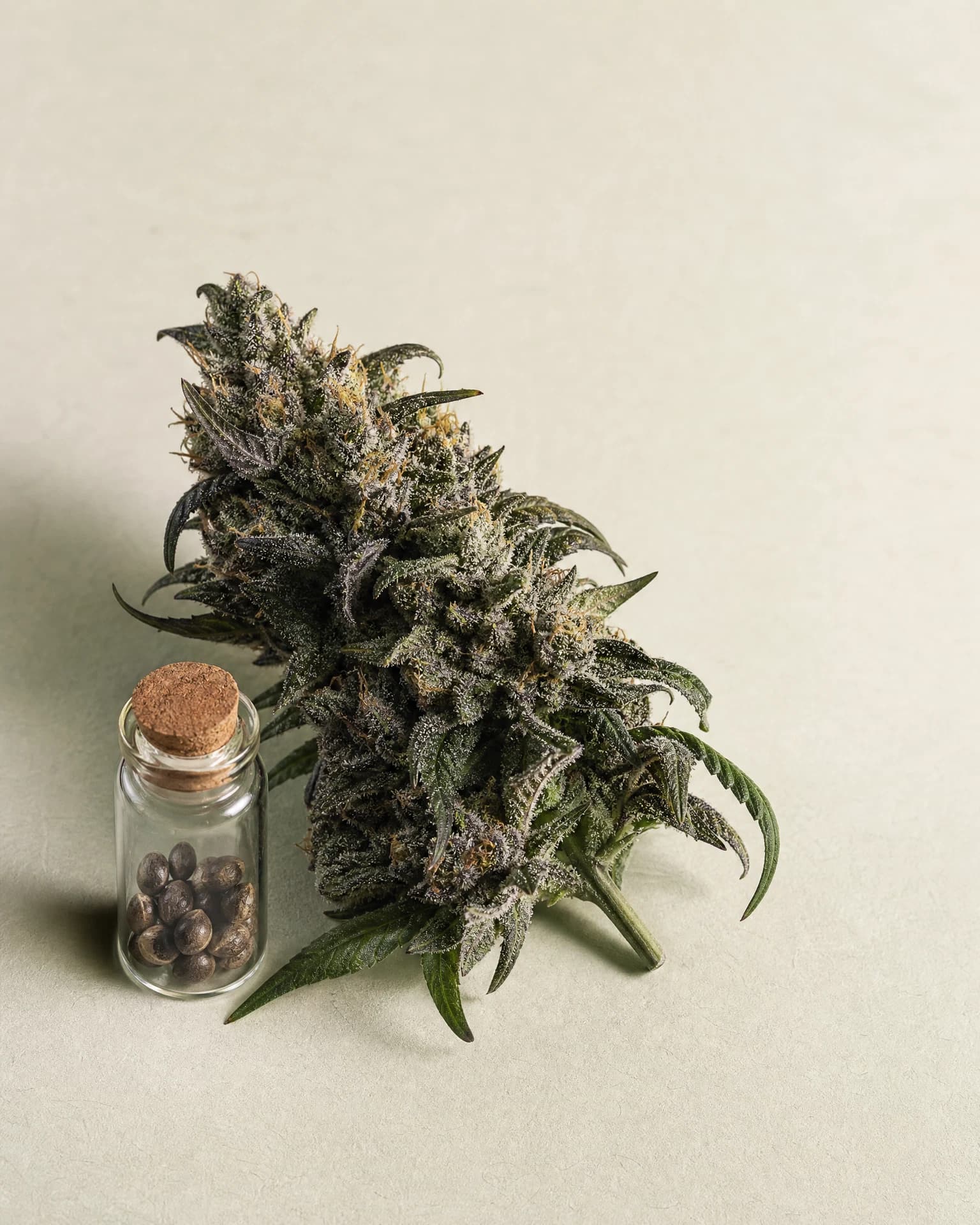
Overview
The cultivar identified as Cinderella 99 represents a specific entry in the catalog of modern botanical selections, characterized primarily by its sativa-leaning growth patterns and genetic heritage. According to available breeder records and retailer data, this variety is classified as a sativa-dominant hybrid, with some documentation specifying a composition of approximately 80% to 85% sativa genetics. This classification suggests a plant that exhibits the physiological traits typically associated with equatorial or sub-equatorial lineages, yet the records indicate a notable departure from standard sativa expectations regarding its physical stature and maturation speed. While many sativa-dominant plants are known for their extreme height and extended life cycles, the cinderella 99 strain is recorded as maintaining a short to medium structure, often reaching heights between 100 and 140 centimeters. This relatively compact form factor makes it a subject of interest for those studying the integration of sativa traits into manageable physical profiles. The record indicates that this cultivar is available through several commercial channels in multiple biological formats, including regular, feminized, and autoflowering versions, reflecting its established presence in the seed market.
Understanding the specific attributes of the cinderella 99 strain requires a close examination of the technical data provided by breeders and distributors. The flowering period for this variety is consistently reported within a window of 8 to 10 weeks, or approximately 55 to 65 days. This duration is considered exceptionally fast for a plant with such high sativa dominance, as pure or heavily dominant sativas frequently require 12 weeks or longer to reach full maturity. The tropical aromatic profile, defined by notes of pineapple and citrus, further defines its botanical identity, distinguishing it from cultivars with more traditional pine or fuel-heavy scents. However, prospective researchers and observers should be aware that the data surrounding this cultivar includes significant variability, particularly regarding its chemical composition. Retailer reports show a wide range of potential potency, with concentrations varying by more than 10 percentage points across different sources. This variance highlights the importance of distinguishing between a general cultivar profile and the specific results produced by individual biological specimens or environmental conditions.
Genetics and cultivar background
The genetic foundation of the cinderella 99 strain is documented as a cross between two well-known parental lineages: Jack Herer and Shiva Skunk. This specific combination suggests a deliberate attempt to blend the complex aromatic and structural qualities of the Jack Herer line with the more stabilized, compact influences often associated with Skunk-derived genetics. According to historical breeder records, the original development of this cultivar is attributed to the Brothers Grimm, a group recognized for their work in stabilizing specific phenotypic expressions within the cannabis genus. The lineage information provided in the record serves as a primary reference point for understanding the plant's biological behavior, as the interaction between these two parent strains likely contributes to the observed fast flowering time and the tropical terpene profile noted in the verified facts.
A significant aspect of the background for cinderella 99 involves the evolution of its availability in different seed formats. The record includes a caveat noting that while feminized Cinderella 99 genetics are widely accessible in the current market, the original release by the primary breeder was limited to regular seeds. This distinction is important for botanical historians and researchers who study the preservation of original genetic lines. Regular seeds, which produce both male and female plants, are the traditional method of cultivar distribution and allow for further breeding and selection. The transition to feminized seeds, which are treated to produce almost exclusively female plants, reflects a broader shift in the commercial seed industry toward convenience and specific utility. The presence of autoflowering versions in the current record further indicates the ongoing adaptation of this genetic line to meet different cultivation requirements, though these newer formats represent a departure from the original photoperiod-dependent regular seeds released during the cultivar's early history.
When analyzing the history of a cultivar like cinderella 99, it is necessary to consider the role of the breeder in establishing the standard for the strain. The Brothers Grimm are credited with the initial selection and stabilization process, which involves multiple generations of backcrossing or sibling crosses to ensure that specific traits—such as the pineapple aroma or the 8-week flowering time—remain consistent across the population. However, the record also shows that multiple retailers now offer their own versions of these seeds, which may lead to the variations in reported data seen in the caveat. This divergence between the original breeder's specifications and the current market reality is a common feature in the study of modern cannabis genetics, where a single name may represent a family of related but distinct genetic expressions rather than a single, uniform genotype.
Plant profile and grow planning
The physical profile of the cinderella 99 strain is defined by its relatively compact structure, a trait that is frequently highlighted as a defining characteristic of this specific sativa-dominant hybrid. The record specifies a height range of 100 to 140 centimeters, placing it in the short to medium category. For a plant with 80% to 85% sativa genetics, this height is unusually restrained. In general botanical terms, sativa plants are often characterized by long internodal spacing and a tendency to stretch significantly during the flowering phase, sometimes tripling in size. The fact that this cultivar remains within a medium height range suggests that the Shiva Skunk influence in its lineage may provide a stabilizing effect on its vertical growth. This structural trait is a key factor in planning for its cultivation, as it allows for the management of the plant in environments where vertical space might be limited, without necessarily sacrificing the leaf morphology or floral characteristics associated with sativa varieties.
Planning for the life cycle of cinderella 99 requires attention to the specific flowering context provided in the record. The maturation period, or cinderella 99 flowering time, of 8 to 10 weeks (55 to 65 days) serves as the primary timeline for the reproductive phase of the plant. In a controlled environment, this phase begins when the light cycle is adjusted to induce flowering. The 55-day lower limit represents an exceptionally rapid development for a sativa-leaning plant, while the 65-day upper limit provides a buffer for variations in environmental factors. Factors such as light intensity, nutrient availability, and temperature can all influence where a specific plant falls within this 10-day window. For example, higher light intensity may accelerate metabolic processes, potentially leading to an earlier harvest, while cooler temperatures or lower light levels might extend the time needed for the floral clusters to reach full maturity.
The record also mentions the availability of autoflowering formats for Cinderella 99 genetics, which significantly alters the planning process compared to the standard photoperiod versions. Autoflowering plants do not rely on a change in the light cycle to begin flowering; instead, they transition based on biological age. This format typically results in an even shorter overall life cycle and a smaller physical stature than the 100-140 cm range specified for the standard cultivar. When evaluating these different formats, it is important to recognize that the growth patterns described in the verified facts—such as the short-medium height and the 8-10 week flowering time—are primarily based on the photoperiod versions of the strain. The introduction of Ruderalis genetics, which is necessary to create the autoflowering trait, may introduce subtle changes to the plant's structure and development that are not explicitly detailed in the primary record but are inherent to the format itself.
Aroma and flavor profile
The sensory identity of the cinderella 99 strain is characterized by a complex tropical profile that stands in contrast to the more common earthy or pine-heavy aromas found in many other cannabis varieties. According to the verified facts, the dominant olfactory notes are those of pineapple and citrus. These specific descriptors suggest a high concentration of volatile organic compounds that are often associated with fruit-bearing plants. In a general botanical context, the presence of citrus-like aromas is frequently linked to the production of specific terpenes that are known for their sharp, refreshing qualities. The pineapple note, which is a less common trait in the genus, indicates a unique combination of esters and terpenes that produce a sweet, slightly acidic scent reminiscent of the tropical fruit. This tropical character is the primary defining feature of the cultivar's aromatic profile, as reported across multiple source records.
In addition to the primary tropical notes, the record identifies earthy and skunky undertones that provide a foundational complexity to the overall profile. The term "earthy" generally refers to scents that evoke damp soil or forest floors, often associated with terpenes like myrcene or humulene in a general sense, although the record does not specify the exact chemical constituents. The "skunky" descriptor refers to a pungent, sulfur-like aroma that has been a hallmark of certain cannabis lineages since the 1970s. The presence of these skunky notes, likely inherited from the Shiva Skunk parentage, balances the sweetness of the pineapple and citrus, creating a multi-layered experience. When evaluating the flavor of the cinderella 99 strain, these same notes are expected to translate from the aroma to the palate, where the interplay between the sweet tropical elements and the deeper, more pungent undertones defines the cultivar's signature.
Understanding how these aromatic profiles are developed requires an appreciation for the environmental factors that influence terpene production. While the genetic record for cinderella 99 sets the potential for a pineapple and citrus profile, the actual intensity and balance of these scents can vary based on cultivation practices. Factors such as the spectrum of light provided during the flowering phase, the specific nutrient regimen, and the curing process after harvest all play a role in preserving these volatile compounds. For instance, excessive heat during the final weeks of flowering can cause the more delicate citrus notes to evaporate, potentially leaving the earthier and skunkier notes as the dominant features. Therefore, the description provided in the record should be viewed as the genetic baseline that the plant is capable of achieving under optimal conditions.
Reported experience context
The data regarding the experience associated with the cinderella 99 strain is primarily defined by the variability in its chemical potency. The record includes a specific caveat noting that reported THC levels vary significantly between different retailers and testing batches, with a range extending from 13% to 24%. This wide window—an 11-percentage-point difference—is a critical piece of information for anyone researching this cultivar. In the context of cannabis science, THC (tetrahydrocannabinol) is the primary psychoactive compound, and its concentration can fundamentally change the nature of the experience. A specimen testing at 13% would be considered moderate in potency by modern standards, potentially offering a more manageable experience, whereas a specimen testing at 24% would be classified as high-potency, requiring a different level of caution and expectation.
This variability in THC levels highlights a broader challenge in the standardization of cannabis cultivars. Because these plants are biological organisms, their chemical output is not fixed. The same Cinderella 99 genetics, grown in two different environments or by two different cultivators, can produce significantly different cannabinoid profiles. Factors such as soil composition, light intensity, irrigation schedules, and the exact timing of the harvest all influence the final concentration of THC. Furthermore, the methods used by laboratories to test these levels can also vary, leading to different results for the same material. The range of 13% to 24% provided in the record serves as a reminder that the name of a strain alone does not guarantee a specific potency level; rather, it indicates a range of possibilities that must be verified through individual batch testing.
When interpreting the "sativa-leaning" or "sativa-dominant" labels in the context of experience, it is important to rely on general botanical knowledge rather than specific claims not found in the record. Sativa-dominant hybrids are often associated with specific patterns of effects in anecdotal reports, but the record for cinderella 99 does not provide a list of subjective effects or medical applications. Instead, the record focuses on the physical and genetic traits of the plant. Researchers should therefore approach the experience context by considering how the combination of a high-THC potential (up to 24%) and a sativa-dominant genetic structure (80-85%) might influence the plant's character. The absence of specific effect data in the record means that any claims regarding "energy," "focus," or "relaxation" would be speculative and are not supported by this specific evidence-bounded document.
How to compare current breeder records
When evaluating a cultivar like cinderella 99, the ability to compare and contrast different breeder records is a fundamental skill for any serious botanical researcher. A breeder record is more than just a list of traits; it is a snapshot of a specific genetic lineage at a particular point in time. As seen in the data for the cinderella 99 strain, different retailers and breeders may provide varying information for the same cultivar name. The first step in a responsible comparison is to identify the core verified facts that remain consistent across sources. In this case, the parentage of Jack Herer and Shiva Skunk and the sativa-dominant profile are widely accepted constants. These established facts provide the baseline against which more variable data points, such as potency or specific flowering durations, can be measured.
The next step in comparing records involves a critical analysis of the ranges provided for specific traits. For instance, the height range of 100 to 140 centimeters for cinderella 99 is a relatively narrow and precise window, which suggests a high degree of structural stability in the genetics being described. In contrast, the THC range of 13% to 24% is quite broad. When a researcher encounters such a wide range in a record, it should be interpreted as an indicator of phenotypic plasticity—the ability of a single genotype to produce different physical or chemical outcomes based on environmental influences. A record that lists a single, high percentage for THC without acknowledging a range may be less reliable than one that provides a realistic spectrum based on multiple testing results. By comparing these ranges across different source URLs, a researcher can build a more comprehensive understanding of the cultivar's potential.
Furthermore, it is important to examine the flowering context provided in different records. The 8 to 10 week window for cinderella 99 is a technical specification that describes the plant's metabolic rate. When comparing this to other sativa-dominant cultivars, the researcher should look for whether the time is expressed in weeks or days and whether it refers to the total life cycle or just the flowering phase. Discrepancies in these numbers often arise from different definitions of when the flowering phase begins—some breeders count from the first sign of floral development, while others count from the day the light cycle is switched. Understanding these technical nuances allows for a more accurate comparison between the Cinderella 99 genetics offered by one provider versus another, ensuring that the researcher is making an informed decision based on standardized data points rather than marketing terminology.
The data compiled for this guide on the cinderella 99 strain is derived from a selection of retailer and breeder records, each contributing specific pieces to the overall profile. The verified facts regarding the lineage, flowering time, and physical structure are drawn from a consensus among these sources, providing a reliable baseline for the cultivar's description. However, the record caveats also reveal important disagreements and caveats that must be taken into account. The most notable of these is the significant variance in reported THC levels across different retailers. This disagreement suggests that there is no single "standard" for cinderella 99 potency, but rather a collection of results that reflect the diversity of the current market and the impact of different cultivation environments.
The caveat regarding the history of seed formats is another essential piece of source data. The fact that historical records indicate the original breeder release was limited to regular seeds, while feminized seeds are the current market standard, points to a shift in how this cultivar is preserved and distributed. This discrepancy between historical and modern records is a common occurrence in botanical studies of this nature, where the commercial success of a variety leads to its adaptation into new formats. For the researcher, this means that a "cinderella 99" seed purchased today may have a different genetic context than one described in records from two decades ago. Acknowledging these source-based differences is a key part of maintaining the integrity of the evidence-bounded approach used in this guide.
In conclusion, the study of the cinderella 99 strain through its available records demonstrates the importance of distinguishing between stabilized genetic traits and variable environmental outcomes. The core facts—the Jack Herer and Shiva Skunk parentage, the 8-10 week flowering time, and the tropical aroma—provide a clear identity for the cultivar. At the same time, the wide THC range and the evolution of seed formats remind us that our understanding of these plants is always subject to the limitations of the sources available to us. By staying strictly within the bounds of the provided record and avoiding outside knowledge or speculation, this guide provides a technical and academic overview of cinderella 99 as it exists in the documented record, serving as a foundation for further responsible research and observation.
The information provided in a standard cultivar record often leaves several technical questions unanswered, which can serve as the basis for further research. For the cinderella 99 strain, one of the most prominent areas for inquiry is the specific relationship between its sativa-dominant genetics and its compact physical structure. Researchers might ask how the 80-85% sativa composition is expressed at the cellular level, and what specific genetic markers from the Shiva Skunk lineage are responsible for suppressing the typical sativa "stretch." Understanding the mechanisms of this structural stabilization could have broader implications for the study of hybrid vigor and phenotypic expression in the cannabis genus. This type of inquiry moves beyond the basic height and structure data provided in the record and into the underlying biological processes.
Another significant research question involves the variability of the chemical profile. Given the THC range of 13% to 24%, a researcher might investigate the specific environmental triggers that lead to the higher end of that spectrum. Is the increased potency a result of specific light spectrums, particular nutrient ratios, or perhaps a response to controlled environmental stressors? Furthermore, the tropical aromatic profile, specifically the pineapple and citrus notes, invites questions about the terpene synthesis pathways in this cultivar. Investigating whether these aromas are linked to the same genetic markers that produce the high THC levels could provide insights into the co-expression of cannabinoids and terpenes. These questions allow the researcher to use the existing record as a springboard for more detailed scientific investigation.
Finally, the evolution of seed formats for cinderella 99 presents a fertile ground for research into genetic drift and stabilization. A researcher could ask how the transition from the original regular seeds to the modern feminized and autoflowering versions has affected the overall genetic health and consistency of the strain. Does the process of feminization or the introduction of Ruderalis genetics for the autoflowering trait lead to a loss of the original pineapple aroma or a change in the flowering time? By formulating these questions, the researcher acknowledges the limits of the current record and identifies the pathways through which a more complete botanical understanding of the cultivar can be achieved. This disciplined approach to research ensures that conclusions are based on verifiable data and systematic inquiry rather than assumption.
Frequently asked questions
What is the Cinderella 99 strain?
This guide summarizes the documented cultivar record while separating verified details from variable grower outcomes.
Is Cinderella 99 suitable for beginners?
Difficulty depends on the exact seed line, environment, and grow setup. Confirm current breeder guidance.
How long does Cinderella 99 take to flower?
Flowering windows vary by phenotype and environment. Confirm the estimate for the exact breeder line.
Can Cinderella 99 be grown indoors and outdoors?
Suitability depends on the breeder line and local climate. Compare space, humidity, temperature, and season length.
Which Cinderella 99 seed format should I choose?
Autoflower and feminized formats serve different schedules and grow styles. Compare only documented direct records.