
Strain guide
Lavender Strain Guide: Sweet aroma and grower notes
Lavender is documented here with partner-source cultivar context, seed-format availability, and secondary-topic research cues.
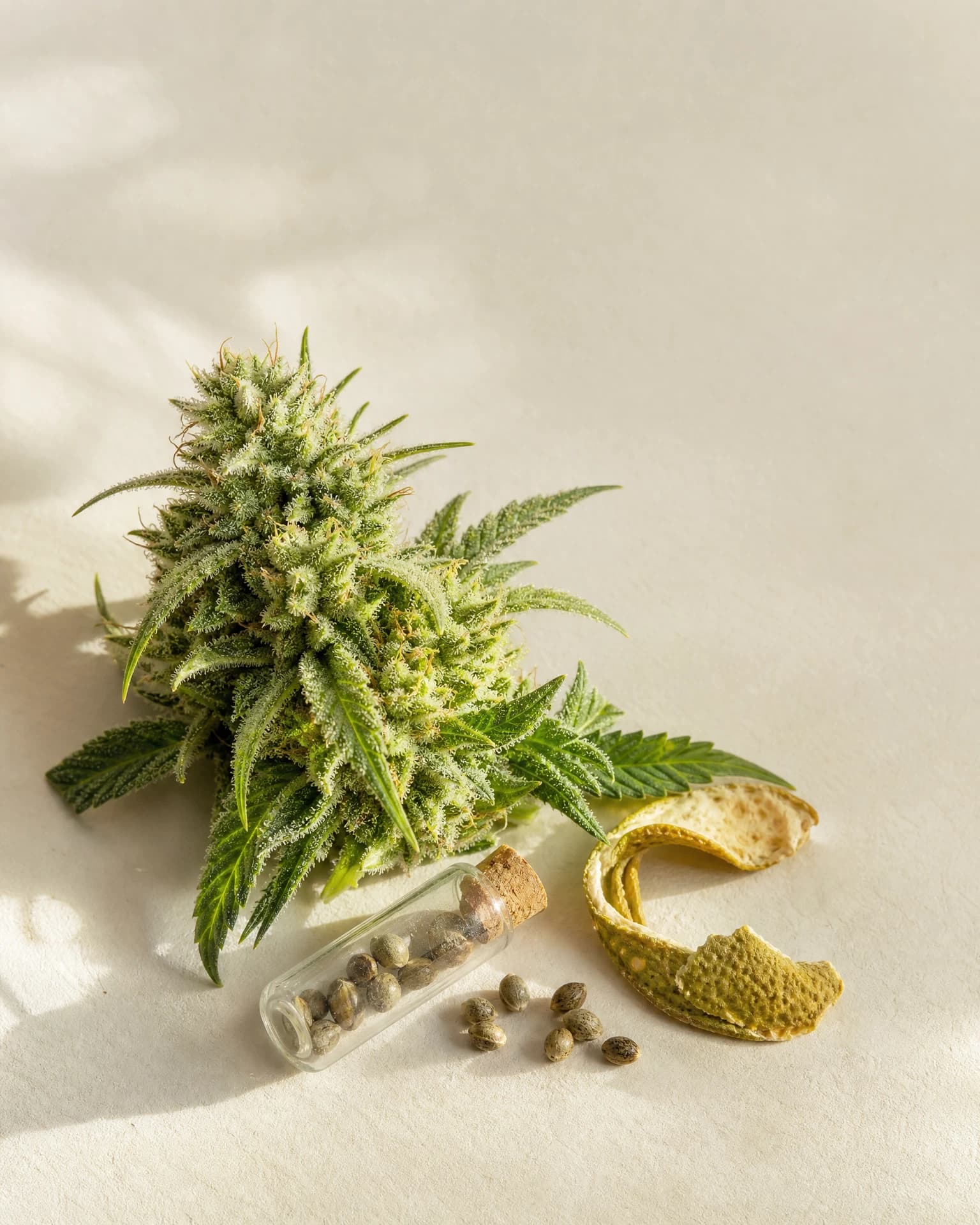
Overview
The Lavender cultivar represents a specific entry in the catalog of modern cannabis genetics, often identified by the designation Soma #10. Within the available technical records, this plant is categorized as a hybrid that leans toward Indica dominance, typically estimated between sixty and eighty percent. Its presence in the market is defined by a combination of award-winning history and a physical profile that distinguishes it from many of its contemporaries. While the name might suggest a specific focus on scent, the botanical data reveals a complex structural and chemical identity. Understanding this cultivar requires a close examination of the provided breeder data and the specific metrics reported by retailers who stock these seeds.
Researchers and growers looking for information on this selection will find that it is often described through its physical stature and its chemical composition. The record indicates a high THC potential, reaching between twenty and twenty-seven percent depending on the specific batch and environmental factors. Because this cultivar has achieved multiple awards, it occupies a specific place in the history of hybrid development, yet it remains subject to the same variations and source discrepancies found across the industry. This guide provides a detailed look at the data points currently available for this selection, focusing strictly on the verified facts provided in the breeder records while omitting any claims that cannot be supported by direct evidence.
The process of evaluating a cultivar like this involves looking past the marketing descriptions and focusing on the raw data. In the case of Lavender, the data suggests a plant that balances traditional Indica traits with some surprising structural elements. The tall height, for example, is a departure from the typical short and bushy profile of many Indica-dominant hybrids. This characteristic, combined with the dense bud structure and the high calyx-to-leaf ratio, makes it a subject of interest for those studying the diversity of cannabis morphology. By adhering to the provided record, we can build a profile that is both accurate and cautious, acknowledging the limits of the evidence while providing a comprehensive overview of what is known.
Genetics and cultivar background
The genetic foundation of the Lavender strain is built upon a three-way cross that incorporates several well-known ancestral lines. According to the provided record, the lineage consists of Super Skunk, Big Skunk Korean, and Afghani Hawaiian genetics. This combination brings together diverse geographical influences, though the specific contributions of each parent are not detailed beyond their inclusion in the pedigree. The result is a mostly Indica hybrid, which is a classification that usually suggests certain growth patterns and chemical tendencies, though the record notes that this particular plant exhibits some traits that depart from standard Indica expectations.
In the broader context of cultivar development, the designation Soma #10 serves as a technical identifier that links this specific genetic combination to a particular breeder's work. The history of this selection is marked by its recognition in various competitions, where it has been noted as a multi-award-winning entry. When analyzing the background of such a cultivar, it is necessary to look at how these genetic components are represented in the final plant. The presence of Skunk and Afghani influences typically points toward a specific set of structural characteristics, but the Big Skunk Korean element introduces a less common variable into the mix. This background forms the basis for the plant's physical and aromatic properties as they are reported in current seed catalogs.
Understanding the background of a hybrid also requires an appreciation for the stability of the genetic line. A three-way cross involves a high degree of genetic variation, as the traits from three distinct parents are being combined. The record for Lavender indicates that this specific combination has been stabilized enough to be recognized as a distinct cultivar with a consistent name and designation. However, the variation in THC levels and dominance reported by different sources suggests that different phenotypes may still exist within the broader genetic umbrella. This is a common occurrence in the industry, where a single name may cover a range of slightly different genetic expressions.
Plant profile and grow planning
The physical structure of the Lavender cultivar is one of its most documented features. Despite its Indica-leaning genetics, the plant is described as tall, often reaching heights between 6.5 and 8 feet. This stature is significant for growers who must manage vertical space in a controlled environment. The record specifies that the plant develops dense buds and maintains a high calyx-to-leaf ratio, which is a metric often used to evaluate the ease of processing the plant after it reaches maturity. The foliage is another distinguishing factor, as it is known to mature into deep purple or near-black hues, providing a distinct visual profile during the later stages of the life cycle.
Planning for the cultivation of this strain requires attention to the lavender flowering time, which is listed as being between 8 and 10 weeks. In terms of days, this translates to a range of 63 to 70 days. This duration is a standard window for many hybrids, but the tall structure of the plant suggests that specific training or space management might be required. The dense nature of the buds and the specific leaf-to-flower ratio are technical details that inform how the plant interacts with its environment. Growers must account for the height and the density of the growth when considering airflow and light penetration, though the record does not provide specific instructions on environmental optimization.
When considering the grow planning for a tall Indica hybrid, one must also account for the metabolic needs of the plant. A plant that reaches eight feet in height has different requirements for light and nutrients than a shorter, more compact specimen. The high calyx-to-leaf ratio is also a factor in the final stages of growth, as it can influence how the plant handles humidity and temperature fluctuations. While the record does not provide specific environmental targets, the botanical descriptions offer a clear picture of the plant's physical needs. The purple foliage, for instance, is a genetic trait that often becomes more pronounced as the plant nears maturity, adding a visual indicator of the plant's progress through its life cycle.
Aroma and flavor profile
The aromatic identity of the Lavender cultivar is characterized by a blend of sweet, floral, and spicy elements. The record describes the scent as having a hash-like quality, which is often associated with the Afghani Hawaiian and Skunk influences in its lineage. These descriptors—sweet, floral, and spicy—provide a baseline for what a researcher might expect from the terpene profile of the plant, though specific terpene concentrations are not listed in the provided data. The name of the strain itself serves as a primary indicator of its floral tendencies, which are reinforced by the breeder's descriptions of the mature plant's scent.
When evaluating the flavor profile, the same sweet and spicy notes are expected to carry over from the aroma. The hash-like quality suggests a depth to the flavor that is distinct from purely fruity or earthy cultivars. Because the record identifies this as a multi-award-winning strain, the sensory experience is often a focal point of its market presence. However, the intensity and specific nuances of these flavors can be influenced by the growing conditions and the methods used to dry and cure the plant material. The provided facts offer a high-level summary of the sensory characteristics without detailing the specific chemical compounds responsible for these traits.
The floral nature of the aroma is particularly noteworthy given the strain's name. In the context of breeder records, names are often chosen to reflect a dominant sensory characteristic. For Lavender, the floral and sweet notes are central to its identity. The spicy hash-like undertones provide a balance to the sweetness, creating a profile that is complex and layered. This combination is a direct result of the genetic cross between Skunk and Afghani lines, which are known for their strong aromatic presence. While the record does not specify the exact terpenes involved, the descriptors used are consistent with the presence of certain aromatic compounds that are common in floral and spicy cultivars.
Reported experience context
The experience associated with the Lavender strain is largely defined by its chemical potency and its genetic leanings. With THC levels ranging from 20% to 27%, this cultivar is positioned at the higher end of the potency scale found in modern breeder records. The mostly Indica profile (60-80%) suggests a specific direction for the experience, although the record does not list specific physiological or psychological effects. Instead, the data focuses on the technical aspects of the plant's composition, leaving the subjective experience to be inferred from the Indica-dominant classification and the high cannabinoid content.
Because the record notes that retailers report variations in Indica/Sativa dominance and THC potency, the experience may differ depending on the specific source of the seeds. Some versions of the strain may lean more heavily toward the Indica side of the spectrum, while others might exhibit more balanced traits. The absence of specific effect claims in the record means that any description of the experience must remain grounded in the known chemical facts. The high THC percentage is a clear indicator of the plant's strength, and the hybrid nature of the genetics suggests a complex interaction between the various ancestral influences.
In the broader context of reported experiences, the potency of a cultivar is one of the most significant factors. A range of 20% to 27% THC represents a powerful chemical profile that will interact with the body's systems in a profound way. The Indica dominance further shapes this interaction, as Indica-leaning hybrids are typically associated with a specific set of characteristics in the breeder literature. However, without direct evidence of effects in the provided record, we must limit our discussion to the chemical and genetic potential of the plant. This approach ensures that the information remains objective and free from the anecdotal claims that often clutter strain guides.
How to compare current breeder records
Evaluating a breeder record requires a critical eye and an understanding of how data is presented in the cannabis industry. When looking at a record for a strain like Lavender, one must first identify the core metrics: genetics, flowering time, structure, and potency. These data points provide the framework for understanding what the plant is and how it will behave. However, these records are often provided by the breeders themselves or by retailers who have a vested interest in the product's marketability. Therefore, comparing records across multiple sources is a fundamental part of responsible research.
One of the first things to look for is consistency in the genetic lineage. If one source claims a cross of Super Skunk and Afghani, while another adds Big Skunk Korean, the researcher must investigate why these discrepancies exist. In the case of Lavender, the Soma #10 designation helps to anchor the record to a specific genetic history, but variations still occur. Potency levels are another area where records often differ. A range of 20% to 27% THC is a significant span, and it reflects the reality that different phenotypes and growing environments will produce different results. A record that provides a range is often more reliable than one that claims a single, high number.
Another factor to consider is the physical description of the plant. The Lavender record mentions a tall structure and purple foliage. When comparing records, one should look for these specific botanical markers. If a retailer describes the plant as short and bushy, it may indicate a different phenotype or a different version of the strain entirely. The calyx-to-leaf ratio and the flowering time are also key technical details. A flowering time of 8 to 10 weeks is a specific window; if a source claims a significantly shorter or longer period, it warrants further scrutiny.
Responsible research also involves looking at the context in which the data is presented. A record that includes awards and specific breeder designations is often more credible than a generic description. However, even the most detailed records can have gaps. For example, the Lavender record does not provide a specific yield estimate or a detailed breakdown of the terpene profile. These missing facts are just as important as the ones that are present, as they define the limits of what can be known about the cultivar from the current literature. By comparing multiple records, a researcher can identify these gaps and look for other sources of information to fill them.
Furthermore, the language used in breeder records can sometimes be misleading. Terms like "high potency" or "fast flowering" are subjective and can vary from one breeder to another. This is why looking for specific numbers, such as the 20-27% THC range or the 63-70 day flowering time, is so important. These metrics provide an objective basis for comparison. When multiple sources agree on these numbers, it increases the confidence in the data. When they disagree, it serves as a signal that further investigation is needed to understand the source of the discrepancy.
The information presented in this guide is derived from a specific set of breeder and retailer records. These sources provide the basis for the claims regarding the strain's genetics, structure, and potency. However, it is essential to consider the limitations of this data. The caveat provided in the record indicates that the standalone Lavender cultivar was not found in the inventories of several prominent global retailers. In those cases, the term "Lavender" is often used as a flavor descriptor or as part of a different hybrid entirely, rather than a reference to the specific Soma #10 genetics.
This discrepancy highlights a common issue in the cannabis industry: the reuse of popular names for different genetic products. A researcher must be careful to distinguish between the Soma #10 Lavender and other products that may share the name but not the lineage. Additionally, the reports of variations in THC potency and Indica/Sativa dominance from different retailers suggest that there is no single, uniform version of this plant. The data points provided here—such as the 8 to 10 week flowering time and the 6.5 to 8 foot height—should be viewed as averages or ranges rather than absolute certainties.
The absence of information on certain topics, such as specific terpene profiles or detailed growing instructions, is a reflection of the limits of the current record. While general conclusions can be drawn from the genetic background and the reported characteristics, a truly responsible approach to this cultivar requires acknowledging what is not known. By sticking to the verified facts and noting the areas where data is inconsistent or missing, this guide provides a clear and evidence-bounded overview of the Lavender strain as it exists in the current breeder literature. The focus remains on the technical data provided, ensuring that the reader has a reliable foundation for their own research and decision-making process.
The data provided for the Lavender cultivar opens up several avenues for further inquiry. One of the primary questions involves the specific expression of the Big Skunk Korean genetics within this hybrid. While the lineage is listed, the particular traits inherited from this parent are not detailed. Researching the characteristics of Big Skunk Korean could provide more insight into why Lavender grows as tall as it does despite its Indica dominance. Another area for research is the variation in THC levels. Understanding the environmental factors that push the plant toward the 27% mark versus the 20% mark would be valuable for any grower.
The purple and near-black foliage mentioned in the record also raises questions about the role of anthocyanins in this cultivar. Are these colors triggered by temperature drops, or are they a consistent genetic trait that appears regardless of the environment? The high calyx-to-leaf ratio is another technical detail that could be explored further. Researchers might look for data on how this ratio affects the plant's resistance to certain environmental stressors or how it impacts the final weight of the harvest.
Furthermore, the discrepancy in retailer inventories is a significant point for research. Why do some major seed banks carry the strain while others do not? Is this a matter of licensing, availability, or a shift in market demand? Investigating the history of the Soma #10 designation and its relationship with different seed banks could clarify the current status of the Lavender cultivar in the global market. These questions help to move beyond the basic facts and into a deeper understanding of the plant's place in the botanical and commercial world.
Another interesting area for research is the interaction between the sweet, floral, and spicy aromatic components. While the record gives us these descriptors, it does not explain how they combine to create the "hash-like" scent. A deeper look at the combined chemical profile of these profiles could reveal why this specific combination has been so successful in competitions. Additionally, the tall structure of the plant invites questions about its growth rate and its response to different light spectrums. Does the plant stretch more under certain conditions, or is the 6.5 to 8 foot height a rigid genetic constraint? Exploring these technical questions allows for a more sophisticated understanding of the Lavender cultivar.
Finally, the availability of both feminized and regular seeds for this strain suggests a long-standing presence in the market. Researching the evolution of these seed formats for Lavender could provide a case study in how a cultivar is maintained over time. Has the genetic profile changed as it has been adapted for feminization? Are the regular seeds still true to the original Soma #10 cross? These questions are essential for anyone interested in the long-term preservation of cannabis genetics and the integrity of the breeder records we rely on today.
Frequently asked questions
What is the Lavender strain?
This guide summarizes the documented cultivar record while separating verified details from variable grower outcomes.
Is Lavender suitable for beginners?
Difficulty depends on the exact seed line, environment, and grow setup. Confirm current breeder guidance.
How long does Lavender take to flower?
Flowering windows vary by phenotype and environment. Confirm the estimate for the exact breeder line.
Can Lavender be grown indoors and outdoors?
Suitability depends on the breeder line and local climate. Compare space, humidity, temperature, and season length.
Which Lavender seed format should I choose?
Autoflower and feminized formats serve different schedules and grow styles. Compare only documented direct records.