
Strain guide
Orange Sherbet Strain Guide: Citrus aroma and grower notes
Orange Sherbet is documented here with partner-source cultivar context, seed-format availability, and secondary-topic research cues.
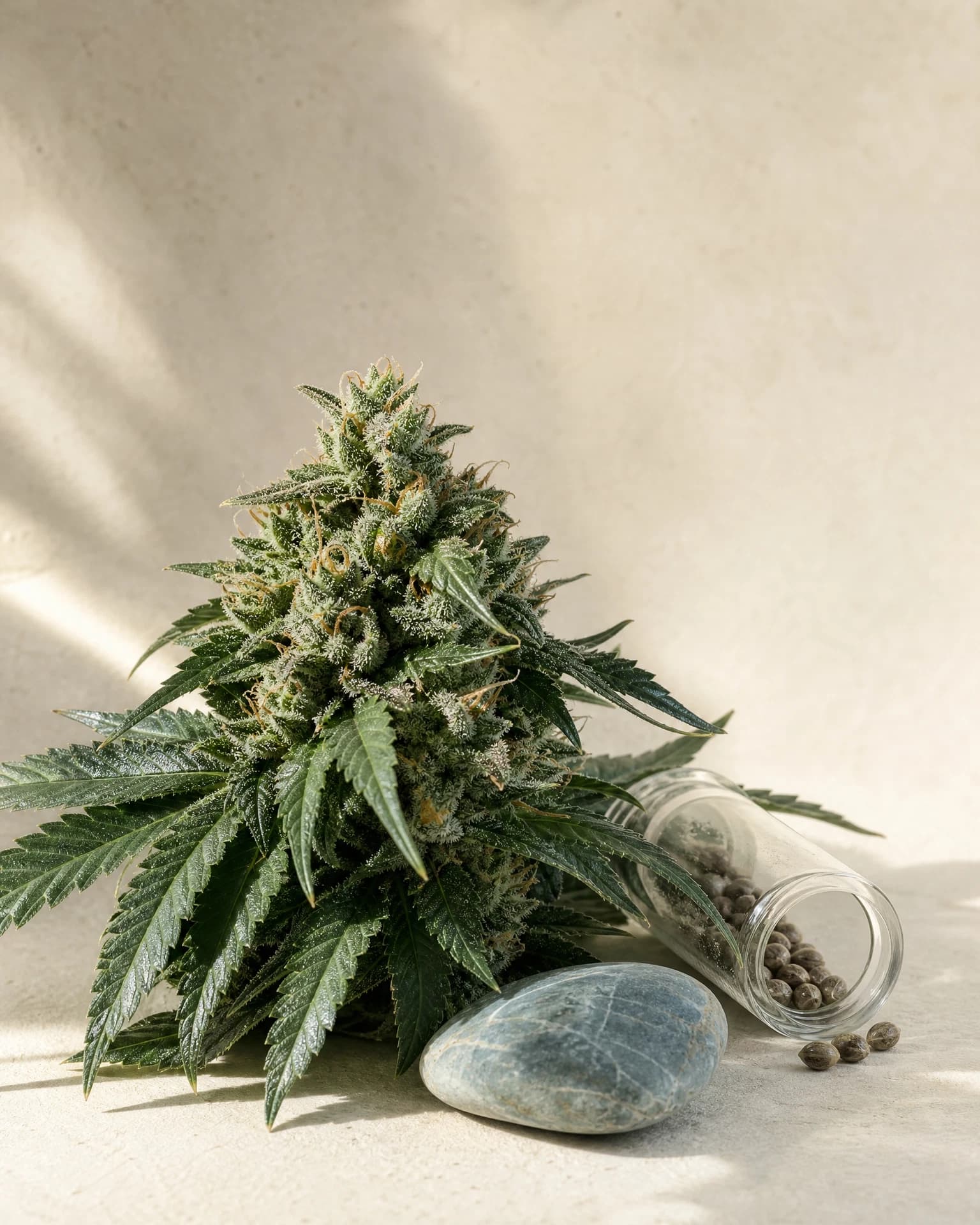
Overview
Orange Sherbet is identified in botanical records as a hybrid cultivar, distinguished primarily by its high-potency profile and a specific aromatic signature. According to verified data, this cultivar typically produces tetrahydrocannabinol (THC) concentrations ranging between 18% and 26%, placing it within the higher tier of contemporary cannabis selections. The sensory profile is described as a combination of creamy orange and sour citrus, suggesting a complex arrangement of terpenes that favor fruit-forward and acidic notes. When examining the orange sherbet strain, one of the most striking physical characteristics noted in breeder documentation is its significant vertical development. The plant is capable of reaching heights up to 250cm, which represents a substantial stature for a hybrid cannabis plant. This height suggests a vigorous growth habit that requires specific environmental considerations and management strategies.
The study of cannabis cultivars involves a careful examination of the data provided by various breeders and distributors. In the case of this specific plant, the available information highlights a diversity of seed formats, including autoflowering, feminized, and fast-flowering options. This variety in formats indicates that the genetic line has been adapted for different cultivation styles and timelines. However, the lack of a single, unified flowering timeline in the primary record suggests that prospective researchers and growers must consult specific breeder sources to determine the exact expectations for their particular batch of Orange Sherbet genetics. The process of evaluating a cultivar based on record data requires an understanding that "potency" and "aroma" are not just marketing terms but are the result of specific chemical concentrations that can vary based on the exact genetic version being studied.
In the broader context of botanical classification, the term "hybrid" indicates a mix of genetic influences, often blending traits from different ancestral lines to achieve a specific balance of growth characteristics and chemical output. The 18-26% THC range reported for this cultivar is a significant metric, as it informs the expected intensity of the plant's biological activity. When researchers look at the creamy orange and sour citrus descriptions, they are looking at a roadmap of the plant's secondary metabolites. These compounds are produced in the glandular trichomes of the plant and are responsible for the distinct sensory experience associated with the cultivar. The tall structure, reaching two and a half meters, further complicates the classification, as such height is often associated with specific geographic origins or growth patterns that have been preserved through the breeding process.
Understanding the limitations of a single record is a fundamental skill for any serious student of cannabis genetics. The data provided for this cultivar serves as a foundational guide, but it also points toward the necessity of cross-referencing information. Because the record specifies that flowering context should be checked against current breeder sources, it acknowledges that environmental factors and specific sub-selections of the strain may lead to different outcomes. This transparency is a hallmark of responsible botanical reporting, as it prevents the over-generalization of traits that might be subject to phenotypic variation. By focusing on the verified facts—the THC range, the citrus terpene profile, the tall stature, and the available seed formats—a clear picture of the cultivar emerges, even while certain specific details remain variable depending on the source.
Genetics and cultivar background
The genetic history of the orange sherbet strain is characterized by a notable lack of consensus among primary sources, which is a common occurrence in the modern cannabis industry where different breeders may develop their own versions of a popular name. The provided record notes two distinct and conflicting lineage reports for this cultivar. The first reported lineage suggests a complex cross involving Orange Cream, Purple Urkle, and Cherry Pie. This combination would imply a diverse genetic background drawing from several well-known families of cannabis, potentially contributing to the creamy and fruity aspects of the profile. The second reported lineage is simpler, described as a cross between Tangie and an Orange Sherbet Auto. This discrepancy highlights the importance of verifying the exact source of any Orange Sherbet genetics, as the underlying genetics may differ significantly depending on which lineage the breeder followed.
In addition to the conflicting reports on its parentage, the genetic dominance of this cultivar is also a subject of debate in the available records. Sources report a wide range of phenotypic expressions, with some identifying the plant as being as much as 80% Indica-dominant, while others claim it is up to 70% Sativa-dominant. This significant variance in genetic reporting suggests that the name may be applied to several different poly-hybrids that share similar aromatic qualities but possess different growth habits and biological effects. Within the field of plant breeding, such a range of reported dominance often indicates that the cultivar has not been stabilized into a single, uniform inbred line, or that different breeders have taken the original genetic material in different directions to emphasize specific traits.
The presence of both autoflowering and fast-flowering formats in the record further complicates the genetic narrative. Autoflowering versions typically involve the introduction of Cannabis ruderalis genetics, which allows the plant to transition from the vegetative stage to the flowering stage based on age rather than light cycles. Fast-flowering versions, on the other hand, are usually photoperiod plants that have been bred to complete their flowering cycle more quickly than standard versions, often by crossing a photoperiod mother with an autoflowering father while retaining the photoperiod trait. The availability of these different formats suggests that the genetic lineage has been extensively manipulated to suit various cultivation needs, which may contribute to the conflicting reports on its ancestry and dominance.
When a record lists multiple, conflicting lineages, it serves as a reminder of the complexity of cannabis taxonomy. Unlike traditional agricultural crops that have strictly regulated naming conventions and genetic registries, cannabis cultivars often exist in a more decentralized environment. This means that a name like Orange Sherbet can become a "type" or a "brand" rather than a single, specific genetic entity. Researchers must approach these records with a critical eye, recognizing that the "verified facts" regarding THC and terpenes may apply to the general category of the strain, while the specific genetic background may vary. The conflict between a three-way cross (Orange Cream x Purple Urkle x Cherry Pie) and a two-way cross (Tangie x Orange Sherbet Auto) represents two very different approaches to achieving a citrus-forward hybrid, and both may be valid within their respective breeding programs.
Plant profile and grow planning
The most prominent physical attribute of the orange sherbet strain, as documented in the verified record, is its tall stature. With the ability to reach heights of up to 250cm, this cultivar is significantly larger than many other indoor-adapted hybrids. This height has direct implications for grow planning and environmental management. In an indoor setting, a plant that reaches 2.5 meters would likely exceed the vertical capacity of standard grow tents or rooms unless specific training techniques are employed. For outdoor cultivation, this height suggests a plant that can take full advantage of natural sunlight, but it also means the plant may be more visible and require more structural support to prevent the branches from breaking under their own weight or due to wind.
Planning for a cultivar with such a large plant structure requires a focus on vertical space and light penetration. In a tall plant, the distance between the upper canopy and the lower branches can be substantial. This can lead to a situation where the lower parts of the plant do not receive enough light to produce high-quality flowers, a phenomenon known as shading. To manage this, growers often use techniques such as pruning the lower third of the plant or using supplemental side lighting. However, the record does not specify the exact branching pattern or density of the foliage, so these general strategies must be adapted based on the specific behavior of the plants as they grow. The tall nature of the plant also suggests a vigorous root system, which would require larger containers to prevent the plant from becoming root-bound and to support its overall nutritional needs.
Regarding the flowering phase, the record states that the flowering context should be checked against the current breeder source. This indicates that there is no single, industry-standard flowering time for the orange sherbet strain. Flowering time is a critical variable in grow planning, as it determines the overall length of the cultivation cycle and the timing of the harvest. For photoperiod versions (feminized and fast-flowering), the transition to flowering is triggered by a change in the light cycle, whereas autoflowering versions will begin to flower automatically. The lack of a specific flowering duration in the record means that growers must be prepared for a range of possibilities, potentially spanning from 7 to 11 weeks depending on the specific genetic version and environmental conditions.
The availability of different seed formats—autoflower, feminized, and fast-flowering—also impacts grow planning. Feminized seeds ensure that almost all plants will be female, which is essential for those focused on flower production. Fast-flowering seeds offer a way to reduce the total time the plant spends in the flowering stage, which can be an advantage in regions with short summers or for indoor growers looking to increase their annual turnover. Autoflowering seeds simplify the process by removing the need for light cycle management but may result in smaller plants than the 250cm maximum cited for the general cultivar. When selecting Orange Sherbet genetics, the choice of format will dictate the fundamental structure of the grow plan, from the lighting schedule to the expected harvest date.
Aroma and flavor profile
The aromatic profile of the orange sherbet strain is one of its most consistently reported features across verified data. It is characterized by a creamy orange and sour citrus terpene profile. This description points to a specific set of aromatic compounds, likely dominated by limonene, which is responsible for the sharp, citrusy notes, and potentially other terpenes like myrcene or caryophyllene that can contribute to a smoother, "creamy" sensation when combined in specific ratios. The "sour" aspect of the citrus profile often indicates a higher concentration of acidic or sharp-smelling compounds, which can provide a refreshing contrast to the heavier, creamier notes. This sensory combination is a key factor in the cultivar's identity and is a primary reason for its popularity among those who appreciate fruit-forward cannabis.
In the study of plant aromatics, the term "creamy" is often used to describe a mouthfeel or a scent that is less sharp and more rounded than pure citrus. This can be the result of a complex interaction between various terpenes and flavonoids. While the record does not provide a full lab breakdown of the terpene percentages, the creamy orange description is a strong indicator of the plant's chemical output. Terpenes are not only responsible for the smell and taste of the plant but also play a role in the overall biological effect through the entourage effect, where they interact with cannabinoids like THC to modulate the experience. In a high-potency cultivar with 18-26% THC, these terpenes are essential for providing a nuanced and recognizable profile that distinguishes it from other high-THC hybrids.
The sour citrus component of the profile is equally important. Citrus scents in cannabis are often associated with a sense of freshness and alertness, though the actual effect is dependent on the full chemical profile. The "sour" note can add a layer of complexity, making the aroma more pungent and long-lasting. For researchers, these aromatic descriptors serve as a way to categorize the cultivar within the broader spectrum of cannabis flavors. The ability of the plant to produce such a distinct scent, even while reaching heights of 250cm, suggests that its metabolic processes are highly efficient at producing secondary metabolites throughout its large structure.
When evaluating the aroma and flavor of a cultivar based on a breeder record, it is important to remember that these traits can be influenced by environmental factors. The soil composition, nutrient regimen, and curing process all play a role in how the final product smells and tastes. However, the genetic blueprint provided by the Orange Sherbet genetics ensures that the potential for a creamy orange and sour citrus profile is present. By focusing on these verified aromatic markers, growers and consumers can have a clear expectation of the plant's sensory output, even if the intensity of those scents varies slightly from one harvest to the next. The consistency of this description in the record suggests that these aromatic traits are a stable part of the cultivar's genetic makeup, regardless of the conflicting reports on its exact lineage.
Reported experience context
The reported experience context for the orange sherbet strain is centered on its status as a high-potency hybrid. With a THC concentration verified between 18% and 26%, the cultivar is designed for those who are familiar with the effects of concentrated cannabinoids. THC, or delta-9-tetrahydrocannabinol, is the primary psychoactive compound in cannabis, and a range of 18-26% is considered substantial. At these levels, the biological impact of the plant is likely to be pronounced, affecting both the cognitive and physical states of the user. However, because the record does not provide specific anecdotal reports or standardized effect profiles, the experience must be understood through the lens of its chemical composition and genetic dominance.
As a hybrid, the experience associated with this cultivar is expected to be a blend of traits from different ancestral lines. However, as noted in the caveat, the genetic dominance of the orange sherbet strain is reported to vary wildly, from 80% Indica to 70% Sativa. This means that the experience could range from deeply relaxing and physically heavy to more cerebral and energizing, depending on the specific phenotype being consumed. This variability is a critical piece of information for anyone researching the cultivar, as it indicates that the "Orange Sherbet" name does not guarantee a single, uniform effect. The high THC content remains the only consistent marker of the experience, suggesting that regardless of the Sativa/Indica balance, the potency will be high.
The role of the terpene profile in the reported experience should not be overlooked. The creamy orange and sour citrus notes are more than just flavor; they are part of the plant's biological toolkit. Terpenes like limonene are often studied for their potential to influence mood and stress levels, while the "creamy" aspects might suggest the presence of terpenes that have a more grounding effect. In a high-potency plant, the interaction between 18-26% THC and this specific terpene profile creates the unique "context" for the experience. While the record avoids making specific claims about medical or recreational outcomes, the chemical data provided allows for a technical understanding of how the plant might interact with the human endocannabinoid system.
For those analyzing breeder records, the potency range serves as a guide for responsible use. A plant that can reach 26% THC is significantly more potent than the average cannabis flower from previous decades. This increase in potency is the result of decades of selective breeding focused on maximizing cannabinoid production. When looking at the orange sherbet strain, the high THC levels combined with the large plant structure (250cm) indicate a cultivar that has been optimized for high output in every sense. The reported experience, therefore, is one of intensity and complexity, shaped by a diverse genetic background and a intensive chemical profile that favors both high cannabinoid concentrations and a distinct, fruit-forward aromatic signature.
How to compare current breeder records
When researching a cultivar like the orange sherbet strain, the ability to compare different breeder records is a vital skill. The cannabis industry is currently in a state where a single strain name can be associated with multiple different genetic lines, as seen in the conflicting reports of this plant's lineage. To manage this evaluation, one must look beyond the name and focus on the technical data provided in the records. Comparing THC percentages, terpene profiles, and growth characteristics across different sources can help a researcher identify which version of the cultivar best fits their needs or study goals. The provided record, with its 18-26% THC range and 250cm height, serves as a benchmark for what one might expect from a high-quality version of this strain.
One of the first things to look for when comparing records is the consistency of the "verified facts." In this case, the creamy orange and sour citrus profile appears to be a consistent marker. If another breeder's record for a strain with the same name lists a completely different aroma—such as earthy or spicy—it is a strong indication that the underlying genetics are different. Similarly, the reported height of 250cm is a specific physical trait that can be used to distinguish between different versions. A record that lists a maximum height of only 100cm for a photoperiod version would suggest a much more compact phenotype than the one described here. By using these specific metrics, researchers can build a more accurate picture of the diversity within the "Orange Sherbet" category.
Another important factor in comparing records is the level of detail provided regarding the seed formats. A comprehensive record will list whether the seeds are autoflowering, feminized, or fast-flowering, and will ideally provide a flowering time for each. As the record for this cultivar notes, the flowering context should be checked against the current breeder source, which is a reminder that even "verified" data has its limits. When comparing records, one should look for sources that are transparent about their data and that provide clear, measurable metrics rather than vague descriptions. The presence of a caveat regarding conflicting lineage or genetic dominance is actually a sign of a high-quality record, as it acknowledges the reality of genetic variation rather than trying to present a simplified, potentially inaccurate narrative.
Finally, researchers should consider the source of the data itself. Different retailers and breeders may have different standards for what they consider "verified." Some may rely on their own internal testing, while others may aggregate data from multiple sources. When looking at Orange Sherbet genetics, it is helpful to see if the record provides a range for traits like THC (e.g., 18-26%) rather than a single, fixed number. A range is often more accurate, as it accounts for the natural variation that occurs in all biological systems. By approaching breeder records with a technical and critical mindset, one can move past the marketing and gain a true understanding of the plant's botanical and chemical identity.
The information provided in this guide is based on a specific record for the orange sherbet strain, which includes a set of verified facts and a substantive caveat regarding genetic consistency. The primary data points—high potency (18-26% THC), a creamy orange and sour citrus aroma, a tall plant structure (up to 250cm), and the availability of multiple seed formats—represent the core identity of the cultivar as it is currently understood in the industry. However, the record also highlights the lack of a single, unified flowering timeline and the existence of conflicting reports regarding the plant's ancestry and genetic dominance. These discrepancies are not necessarily errors, but rather reflections of the diverse and decentralized nature of modern cannabis breeding.
The caveat provided in the record is a essential tool for interpreting the data. It notes that sources report conflicting lineages, such as Orange Cream x Purple Urkle x Cherry Pie versus Tangie x Orange Sherbet Auto. This means that anyone researching or growing this cultivar must be aware that the genetic foundation of their specific plants may vary depending on the breeder. Furthermore, the reported genetic dominance ranges from 80% Indica to 70% Sativa, which is an unusually wide variance. This suggests that the "Orange Sherbet" name may function more as a category for citrus-heavy hybrids rather than a single, stabilized genetic line. This lack of consensus is a significant factor in how the cultivar is managed and studied.
In terms of evidence limits, it is important to state that several fields of information remain unknown or variable. The exact flowering duration is not specified in the record, and the flowering context is explicitly noted as something that must be checked against current breeder sources. There are no specific details provided regarding the yield in grams, the resistance to pests or diseases, or the specific climate preferences of the plant. These omissions are intentional, as providing such data without a clear consensus would be speculative. The record sticks to what has been verified, even when that verification includes an acknowledgment of disagreement among sources.
When using this information to evaluate Orange Sherbet genetics, researchers should treat the record as a foundational document that requires additional, source-specific verification. The high THC levels and distinct aromatic profile are the most reliable markers of the cultivar, but the growth habits and exact genetic effects will depend on the specific version being used. By focusing on the technical data and the acknowledged gaps in the record, this guide provides a realistic and evidence-bounded overview of a complex and highly variable hybrid. The goal of such reporting is to provide clarity in a market that is often characterized by conflicting claims, ensuring that the study of this cultivar is grounded in the best available data.
The current data on the orange sherbet strain opens up several interesting avenues for further research. One of the most pressing questions involves the stability of the terpene profile across different genetic lineages. Since there are conflicting reports about whether the plant descends from an Orange Cream/Purple Urkle/Cherry Pie cross or a Tangie/Orange Sherbet Auto cross, it would be valuable to study how these two different paths arrive at the same creamy orange and sour citrus profile. Is there a specific set of genes that is being prioritized in both cases, or are there subtle differences in the secondary terpene concentrations that could be used to distinguish between the two lineages? Such a study would provide deeper insight into the relationship between genetic ancestry and aromatic expression in cannabis.
Another area for research is the relationship between the plant's tall stature and its cannabinoid production. The record notes a maximum height of 250cm and a THC range of 18-26%. It would be useful to investigate whether the height of the plant correlates with its potency. For example, do taller plants have a different distribution of trichomes than shorter phenotypes of the same strain? Understanding how the plant manages its energy between vertical growth and the production of secondary metabolites could help breeders optimize both yield and potency. This research could also extend to the different seed formats, comparing the THC and terpene output of the 250cm photoperiod versions against the likely smaller autoflowering versions.
The variability in genetic dominance—reported between 80% Indica and 70% Sativa—also presents a significant research opportunity. A study could be conducted to map the phenotypic expressions of different "Orange Sherbet" lines to see if there are clear clusters of traits that correspond to these different dominance reports. This would help clarify whether the name is being used for two distinct varieties that have been mistakenly grouped together, or if the cultivar is simply highly prone to phenotypic variation. Such research would contribute to the broader effort to standardize cannabis taxonomy and provide more reliable information to growers and consumers alike.
Finally, the "fast-flowering" format itself is a relatively new area of study. Research could be done to determine the exact genetic mechanisms that allow a photoperiod plant to flower more quickly without losing its dependence on the light cycle. By comparing the fast-flowering version of the orange sherbet strain against the standard feminized version, researchers could identify the specific trade-offs, if any, in terms of potency, aroma, or plant structure. This type of technical research is essential for understanding the future of cannabis breeding and the development of new, more efficient cultivars that still deliver the high-quality profiles that the market demands.
Frequently asked questions
What is the Orange Sherbet strain?
This guide summarizes the documented cultivar record while separating verified details from variable grower outcomes.
Is Orange Sherbet suitable for beginners?
Difficulty depends on the exact seed line, environment, and grow setup. Confirm current breeder guidance.
How long does Orange Sherbet take to flower?
Flowering windows vary by phenotype and environment. Confirm the estimate for the exact breeder line.
Can Orange Sherbet be grown indoors and outdoors?
Suitability depends on the breeder line and local climate. Compare space, humidity, temperature, and season length.
Which Orange Sherbet seed format should I choose?
Autoflower and feminized formats serve different schedules and grow styles. Compare only documented direct records.