
Strain guide
Tropicana Cookies Strain Guide: Citrus aroma and grower notes
Tropicana Cookies is documented here with partner-source cultivar context, seed-format availability, and secondary-topic research cues.
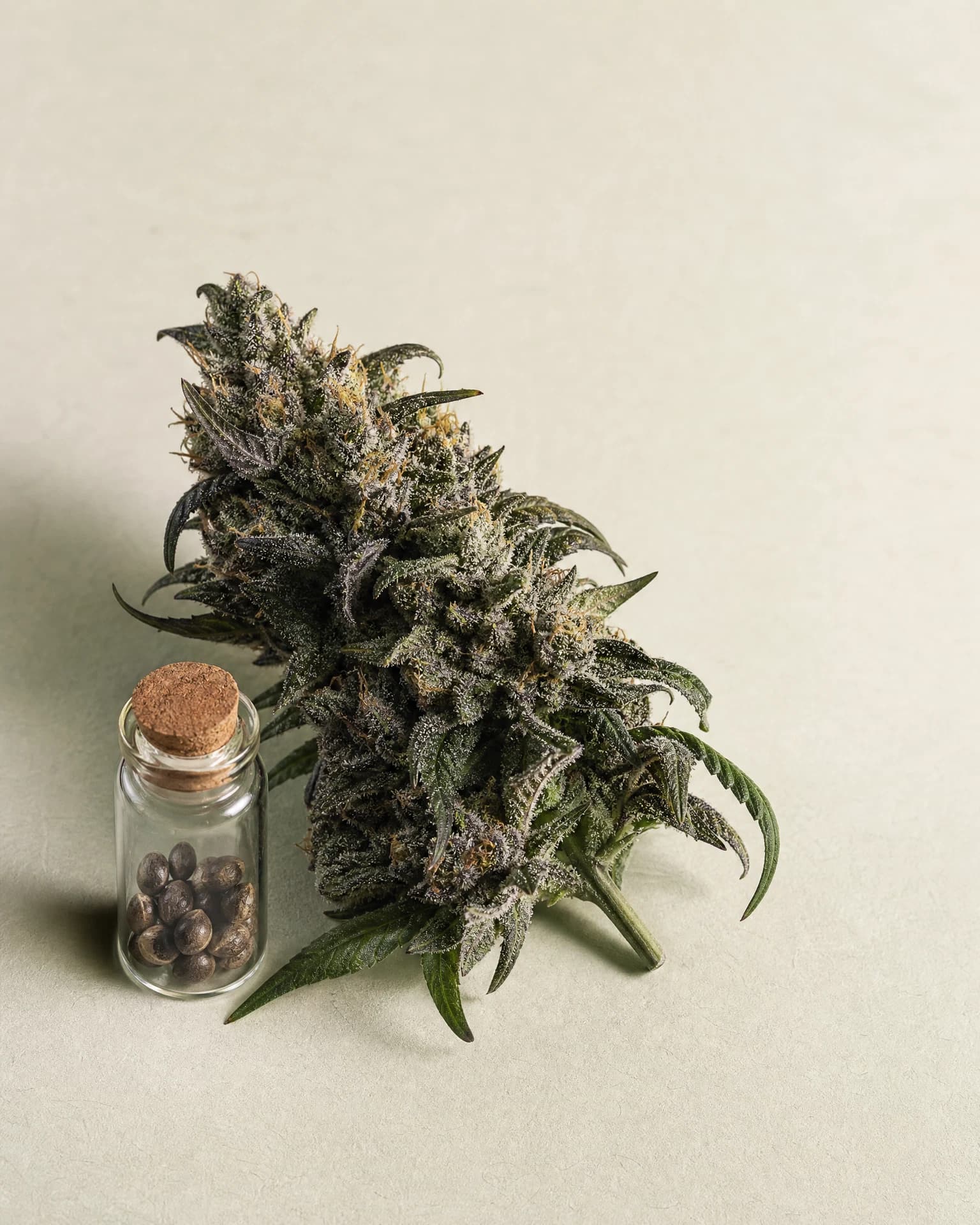
Overview
The cultivar identified as Tropicana Cookies represents a hybrid botanical entry within the modern cannabis market, primarily recognized for its specific aromatic properties and its status as a high-potency selection. According to the available breeder records, this plant typically exhibits a flowering window ranging from 8 to 10 weeks and maintains a generally medium physical structure during its growth cycle. The chemical profile of this cultivar is marked by a significant concentration of tetrahydrocannabinol, or THC, which averages between 16% and 25% depending on the specific batch and environmental conditions. For those examining the tropicana cookies strain through the lens of technical data, the terpene profile is a defining characteristic, presenting a combination of citrus and orange notes complemented by a scent reminiscent of sweet dough. These traits are documented across several primary sources, though as with many modern hybrids, the exact classification of its dominance remains a subject of some technical disagreement among various retailers and breeding organizations.
Understanding the role of a breeder record is essential for any researcher or cultivator looking to evaluate the Tropicana Cookies genetics available in the current market. A breeder record serves as a technical snapshot, providing expected phenotypes, chemical ranges, and growth requirements that have been observed during the development of the strain. However, these records are not absolute blueprints; they are statistical averages based on controlled environments. When a record states a flowering time of 8 to 10 weeks, it is describing the period from the initiation of the flowering phase to the point of peak maturity under optimal conditions. Factors such as light intensity, nutrient availability, and temperature fluctuations can all influence whether a specific plant reaches harvest readiness at the earlier or later end of that spectrum. Similarly, the medium structure described in the record suggests a plant that is manageable for most indoor environments, but which still requires adequate space for lateral development.
The presence of secondary metabolites, such as the citrus and orange terpenes mentioned in the verified facts, provides insight into the plant's biological priorities. Terpenes are volatile organic compounds that serve various functions for the plant, including defense against pests and attraction of pollinators. In the context of the tropicana cookies strain, the dominance of these specific aromatic markers indicates a genetic lineage that has prioritized the production of limonene and related compounds. The addition of a sweet dough aromatic component suggests a more complex chemical interplay, likely inherited from its parentage. Researchers often use these aromatic profiles as a method of verifying the authenticity of a sample, as the specific ratios of terpenes can be as distinctive as a fingerprint. However, it is important to recognize that the expression of these traits is highly dependent on the curing process and the overall health of the plant during its final weeks of development.
Evaluating high-THC cultivars requires a disciplined approach to data interpretation. The range of 16% to 25% provided for Tropicana Cookies is broad, reflecting the inherent variability in biological systems. THC production is not a fixed value but a potential that is realized through specific cultivation techniques and environmental stressors. A plant grown under substandard lighting or with improper nutrition may fail to reach the lower end of that range, while a masterfully managed specimen may push the upper limits. When reviewing these figures, one must consider that they represent the potential of the genetics rather than a guaranteed outcome. This variability is one reason why source-bounded research is so critical; it allows for an objective assessment of what is possible without the influence of anecdotal claims or marketing hyperbole. By focusing on the verified facts of the record, a clearer picture emerges of the cultivar's technical standing within the broader botanical category of hybrid cannabis.
Genetics and cultivar background
The genetic foundation of Tropicana Cookies is documented as a cross between Girl Scout Cookies and Tangie. This lineage places the cultivar within a specific lineage of modern breeding that seeks to combine the structural and chemical density of the "Cookies" family with the distinct, sharp aromatic profiles of the "Tangie" line. Girl Scout Cookies is a well-known progenitor in many contemporary hybrids, often contributing to the sweet, dough-like aromatic qualities and the high THC potential observed in its offspring. Tangie, conversely, is frequently associated with the intense citrus and orange notes that define the aromatic profile of this specific cross. By merging these two distinct genetic paths, breeders have created a hybrid that attempts to stabilize these diverse traits into a single, reproducible plant.
However, the technical background of Tropicana Cookies is complicated by significant discrepancies in how the strain is classified by different authorities. A primary conflict exists regarding the genetic dominance of the cultivar. Several prominent botanical sources classify the strain as Sativa-dominant. This classification usually implies a growth pattern and effect profile associated with taller plants, longer flowering times, and a specific type of chemical expression. In contrast, other reputable sources categorize their versions of the cultivar as Indica-dominant. This disagreement is not merely a matter of semantics; it reflects the deep-seated variability that can occur when different breeding programs work with the same initial genetic material or when different phenotypes are selected for stabilization.
Further complexity is introduced by the existence of "Purple" iterations of the strain. These variants often introduce additional genetic parents into the mix, such as Purple Punch or OG Kush. The inclusion of these genetics can fundamentally alter the plant's profile, leading to height discrepancies that range from the standard medium structure to much taller phenotypes. These "Purple" versions may also exhibit different color expressions in the foliage and flowers, though such traits are often dependent on environmental factors like nighttime temperature drops during the flowering phase. The introduction of OG Kush or Purple Punch genetics also shifts the chemical and aromatic potential of the plant, potentially diluting the original Tangie influence or enhancing the "Cookies" dough-like qualities.
This variance in lineage and classification highlights the importance of checking the specific provenance of any seeds being researched. In the cannabis industry, a name like Tropicana Cookies can sometimes function more as a brand or a category than a precise botanical designation. Because there is no centralized international registry for cannabis genetics, different breeders may produce seeds under the same name that have subtly or significantly different genetic backgrounds. A researcher must therefore look beyond the name and examine the specific parentage and dominance claims provided by the breeder of that particular seed lot. The discrepancy between Sativa-dominant and Indica-dominant labels for Tropicana Cookies serves as a case study in the necessity of source-verified data, as the expected growth behavior and final product characteristics could vary substantially depending on which version of the genetics is being utilized.
When analyzing the genetic history of a cultivar, it is also useful to consider the stability of the traits being described. A stable hybrid is one that consistently produces offspring with the same characteristics as the parents. In the case of Tropicana Cookies, the wide range of THC percentages and the conflicting reports on dominance suggest a cultivar that may still be in a state of ongoing refinement or one that naturally produces a variety of phenotypes. For a cultivator, this means that even within a single pack of seeds, there may be individual plants that lean more toward the citrus-heavy Tangie side of the family, while others may more closely resemble the structural density of the Girl Scout Cookies parent. Understanding these genetic nuances is a fundamental part of modern botanical research, requiring a move away from simplistic labels and toward a more detailed examination of specific breeder records and verified data points.
Plant profile and grow planning
The physical development of Tropicana Cookies is characterized by a medium structure, a designation that typically indicates a plant of moderate height and lateral spread. In the context of the tropicana cookies flowering time, which is documented as being between 8 and 10 weeks, this structure allows for a balanced approach to canopy management. A medium-sized plant is often preferred by those working in environments with height restrictions, as it provides a substantial yield potential without the extreme vertical stretching associated with pure Sativa varieties. However, the record also notes that certain iterations, particularly those involving "Purple" genetics, can exhibit a taller growth habit. This discrepancy requires a flexible approach to space planning, as a plant that exceeds the expected medium height can quickly outgrow its designated area if not properly managed.
Planning a grow cycle for a cultivar with an 8 to 10-week flowering window involves several technical considerations. This timeframe refers to the period during which the plant transitions from vegetative growth to the production of flowers. During the first few weeks of this phase, the plant often undergoes a "stretch," where it rapidly increases in height. For a medium-structured plant like Tropicana Cookies, this stretch must be accounted for to ensure that the light source remains at an optimal distance from the top of the canopy. The later weeks of the flowering period are dedicated to the maturation of the trichomes and the development of the terpene profile. Ensuring that the environment remains stable during these final weeks is essential for capturing the full citrus and orange aromatic potential mentioned in the breeder records.
The technical requirements for managing a hybrid plant involve monitoring nutrient uptake and environmental variables such as humidity and temperature. While the specific record for Tropicana Cookies does not list unique nutrient sensitivities, general botanical principles suggest that hybrids of this nature benefit from a staged feeding schedule that matches their growth phase. During the vegetative stage, the focus is on nitrogen for leaf and stem development, while the flowering stage requires higher levels of phosphorus and potassium to support flower production. The medium structure of the plant suggests that it may respond well to various training techniques, such as topping or low-stress training, which can help to create a more even canopy and improve light penetration to the lower branches.
For researchers evaluating the growth potential of this cultivar, the height discrepancies mentioned in the caveat are a significant point of interest. A plant that is described as "medium to tall" introduces a level of uncertainty into the planning process. This variation is often a result of the specific phenotype being grown or the influence of the additional genetics found in "Purple" versions. When a record indicates such a range, it is standard practice to plan for the largest possible outcome. This means ensuring that there is sufficient vertical clearance and that the ventilation system is capable of handling the increased biomass of a taller plant. By preparing for a tall phenotype while hoping for a medium one, a cultivator can avoid the logistical challenges that arise when a plant exceeds its expected dimensions.
Aroma and flavor profile
The aromatic identity of Tropicana Cookies is defined by a prominent citrus and orange profile, underpinned by a distinct note of sweet dough. This combination of scents is a direct reflection of its genetic heritage, merging the sharp, acidic qualities of the Tangie lineage with the heavier, more caloric scents associated with the Girl Scout Cookies family. In botanical terms, these aromas are produced by the plant's glandular trichomes, which synthesize a variety of volatile organic compounds. The citrus and orange notes are typically the result of high concentrations of specific terpenes that are common in many fruit-bearing plants and certain cannabis cultivars. These compounds are highly volatile, meaning they evaporate easily at room temperature, which is why the scent of the plant is often so noticeable even before the flowers are disturbed.
The "sweet dough" component of the profile adds a layer of complexity that distinguishes Tropicana Cookies from more straightforward citrus-dominant strains. This scent is often described as being similar to baked goods or sugar-laden flour, a characteristic that has become highly sought after in modern hybrid breeding. The presence of this note suggests a sophisticated terpene matrix where the sharper citrus elements are tempered by deeper, more earthy or creamy compounds. The interaction between these different aromatic markers creates a multi-dimensional profile that can change as the plant matures. During the early stages of flowering, the citrus notes may be more dominant, while the sweet dough qualities often become more pronounced as the plant reaches full maturity and undergoes the curing process.
For those researching the flavor profile of this cultivar, it is important to understand the transition from aroma to palate. While the scent of the raw plant provides a strong indication of its chemical makeup, the actual flavor experienced can be influenced by the method of consumption and the quality of the cure. The citrus and orange notes are often the first to be noticed, providing a bright and tangy sensation. The sweet dough element typically follows, providing a smoother, more lingering finish. This progression is a hallmark of high-quality hybrid genetics, where the different aspects of the parentage are expressed in a balanced and sequential manner. The technical data in the breeder record serves as a guide for what to expect, but the final expression of these flavors is the result of a successful cultivation and preservation process.
The preservation of these delicate aromatic compounds is one of the most challenging aspects of cannabis production. Terpenes are sensitive to heat, light, and oxygen, all of which can cause them to degrade or transform into less desirable compounds. To maintain the citrus, orange, and sweet dough profile of Tropicana Cookies, it is necessary to employ a careful drying and curing protocol. This involves slowly removing moisture from the flowers in a controlled environment, typically at a temperature of around 60 degrees Fahrenheit and a relative humidity of 60%. This slow process allows the chlorophyll to break down while preserving the volatile terpenes, ensuring that the final product retains the aromatic characteristics documented in the verified facts of the record.
Reported experience context
The chemical potency of Tropicana Cookies is a central feature of its technical profile, with breeder records indicating a high THC content that typically averages between 16% and 25%. In the context of modern cannabis research, a range of this magnitude places the cultivar in the upper tier of available hybrids. Tetrahydrocannabinol is the primary psychoactive compound in the plant, and its concentration is often used as a benchmark for evaluating the strength and potential impact of a specific batch. However, the wide variance in the reported percentage—spanning a nine-point gap—underscores the significant influence of cultivation variables and the inherent genetic diversity within the strain. When a record provides such a range, it is a signal to the researcher that the cultivar's expression is not fixed and can be highly responsive to its environment.
Understanding what a "high-THC" designation means requires a look at the broader botanical context of the species. In the early decades of cannabis breeding, THC levels were significantly lower, often averaging in the single digits or low teens. The development of hybrids like Tropicana Cookies represents a deliberate effort by breeders to push the biological limits of the plant's resin production. This high concentration of cannabinoids is achieved through selective breeding and the optimization of the plant's metabolic pathways. For the end user, a 16% to 25% THC range suggests a potent experience, but it is important to remember that the presence of other compounds, such as the citrus and orange terpenes mentioned earlier, can also play a role in the overall character of the cultivar's effects, although the specific nature of those effects is not detailed in the primary record.
The measurement of THC is itself a complex technical process that involves high-performance liquid chromatography (HPLC) or gas chromatography. These methods allow laboratories to quantify the amount of THCA (the acidic precursor) and THC present in a sample. The figures provided in breeder records are often derived from these lab results, representing the highest or average values obtained during the testing of stable phenotypes. For a researcher, these numbers are a useful guide for comparing different cultivars, but they should not be viewed as a guarantee of the potency of every individual plant. Factors such as the maturity of the trichomes at the time of harvest, the light spectrum used during growth, and even the position of the flower on the plant can all lead to variations in the final THC percentage.
When discussing the "reported experience" of a cultivar like Tropicana Cookies, it is also necessary to consider the limitations of the data. The record focuses on the chemical and physical attributes of the plant rather than providing a detailed narrative of its effects. This is a common feature of source-bounded technical guides, which prioritize verifiable facts over anecdotal accounts. A high-THC cultivar is generally understood to be powerful, but the specific way that power is expressed can vary between individuals. By focusing on the 16% to 25% range, the record provides a clear indication of the plant's potential, allowing researchers to make informed decisions based on the known chemical profile of the genetics.
How to compare current breeder records
The process of comparing breeder records for a cultivar like Tropicana Cookies is a critical exercise in data synthesis and verification. In the current cannabis market, information is often decentralized, with different retailers and breeding houses providing slightly different technical specifications for what is ostensibly the same strain. For example, a researcher looking at the records for Tropicana Cookies will encounter a significant conflict regarding its genetic dominance. Major botanical sources classify the cultivar as Sativa-dominant, a designation that typically suggests a more uplifting chemical profile and a taller, more elongated growth habit. Conversely, other established sources label their versions as Indica-dominant, which would imply a more compact structure and a different emphasis in its chemical expression.
Navigating these discrepancies requires a methodical approach to source evaluation. One should start by identifying the points of consensus. In the case of Tropicana Cookies, there is broad agreement on the parentage (Girl Scout Cookies and Tangie), the primary aromatic markers (citrus, orange, and sweet dough), and the high THC potential (16-25%). These shared data points form the core identity of the cultivar. The areas of disagreement, such as the Sativa vs. Indica classification, should be viewed as evidence of phenotypic variation or differences in the specific breeding lines used by each source. A researcher must consider that "Tropicana Cookies" may not be a single, uniform entity but rather a family of related genetics that have been stabilized in different ways by different breeders.
When comparing technical details like the tropicana cookies flowering time, it is also important to look at the context of the data. A record that specifies a narrow 8-week window may be based on a specific, fast-flowering phenotype, while a record that lists 10 weeks may be accounting for a broader range of environmental conditions or a different genetic iteration. The height discrepancies mentioned in the caveat—ranging from medium to tall—are another example of how breeder records can reflect different biological realities. By comparing multiple records side-by-side, a researcher can build a more comprehensive understanding of the cultivar's potential range, rather than relying on a single, potentially limited source of information.
The final step in comparing breeder records is to evaluate the transparency and detail of the source. A high-quality record will provide not just the basic stats, but also information on the testing methodology, the specific lineage of the parents, and any known caveats or variations. In an industry where names are often used for marketing purposes, these technical details are the only way to verify the authenticity of the genetics. For the tropicana cookies strain, the existence of "Purple" iterations with different parentage (such as Purple Punch or OG Kush) is a vital piece of information that only appears in more detailed records. This highlights the necessity of looking beyond the headline figures and examining the full technical context provided by the breeder.
The information presented in this guide is strictly bounded by the provided breeder records and verified facts for Tropicana Cookies. A primary constraint of this record is the significant conflict regarding the strain's genetic dominance, with some sources classifying it as Sativa-dominant and others as Indica-dominant. This disagreement is a central feature of the cultivar's current standing in the market and must be accounted for by any researcher. Furthermore, the record highlights that the lineage of "Purple" iterations can vary, sometimes introducing parents like Purple Punch or OG Kush, which results in height discrepancies that range from the standard medium structure to taller phenotypes.
These variations and missing facts represent the limits of the current evidence. The record does not provide a single, unified consensus on the plant's growth habit or its specific chemical dominance, reflecting the inherent variability of modern cannabis breeding. The absence of a definitive classification means that the descriptions of "medium structure" and "8 to 10-week flowering time" should be understood as general ranges rather than absolute certainties. For the researcher, this means that the tropicana cookies strain must be evaluated on a source-by-source basis, with a keen eye for the specific genetic background of the seeds being studied.
The data regarding the terpene profile and THC content is also subject to the limitations of breeder reporting. While the citrus, orange, and sweet dough aromas are well-documented, the exact concentrations of the individual terpenes are not provided. Similarly, the 16% to 25% THC range is a broad estimate that encompasses a wide variety of potential outcomes. These figures are useful for establishing a general profile of the cultivar, but they lack the precision of a full laboratory certificate of analysis for a specific batch. By acknowledging these constraints, this guide maintains a focus on verifiable data while avoiding the speculative claims that often characterize less disciplined cannabis research.
In summary, the record for Tropicana Cookies describes a complex and somewhat variable hybrid that is defined as much by its internal contradictions as by its consistent traits. The high-THC potential and distinct aromatic profile make it a significant entry in the botanical category, but the discrepancies in its dominance and lineage serve as a reminder of the importance of source-verified information. Researchers are encouraged to use the facts presented here as a foundation for further investigation, always keeping in mind the caveats and evidence limits that define the current understanding of this cultivar.
The study of Tropicana Cookies and its various iterations raises several important questions for future botanical research. One of the most pressing questions concerns the stability of the aromatic profile across different phenotypes. Given that the strain is defined by a combination of citrus, orange, and sweet dough notes, it would be valuable to investigate how consistently these traits are expressed in the Sativa-dominant versus the Indica-dominant versions of the cultivar. Does the Tangie-derived citrus profile remain dominant in all cases, or do the "Cookies" genetics take precedence in the Indica-leaning phenotypes? Understanding the genetic mechanisms that govern these aromatic ratios could provide deeper insights into how complex hybrids are stabilized.
Another area for investigation is the role of environmental factors in triggering the "Purple" phenotypes mentioned in the breeder caveats. While the record notes that some versions introduce parents like Purple Punch or OG Kush to achieve these traits, it is also well-known in botany that anthocyanin production—the process that turns plant tissues purple—can be influenced by temperature and nutrient availability. Researching whether the original Girl Scout Cookies and Tangie cross can express purple hues without additional genetic input, or if these traits are strictly tied to the "Purple" iterations, would help to clarify the cultivar's genetic boundaries. This question is particularly relevant for cultivators who are selecting seeds based on the expected physical appearance of the plant.
The high THC range of 16% to 25% also invites questions about the ceiling of cannabinoid production in this specific lineage. Is the 25% figure a rare outlier achieved only under laboratory conditions, or is it a reproducible target for skilled cultivators? Furthermore, how does the THC concentration correlate with the terpene profile? Some researchers have suggested that there may be a biological trade-off between the production of cannabinoids and volatile terpenes, as both are synthesized in the same glandular trichomes. Investigating whether the most aromatic Tropicana Cookies plants are also the most potent would contribute to our understanding of the metabolic priorities of high-performance cannabis hybrids.
Finally, the discrepancy in height—from medium to tall—suggests a need for more detailed mapping of the cultivar's structural genetics. Are the taller plants strictly a result of the Sativa-dominant lineage, or can medium-structured plants also exhibit significant vertical stretching under certain light spectrums? By isolating these variables, researchers can provide more precise guidance for canopy management and space planning. These questions highlight the fact that even a well-documented cultivar like Tropicana Cookies still holds many mysteries for those willing to look closely at the data and ask the right technical questions.
Frequently asked questions
What is the Tropicana Cookies strain?
This guide summarizes the documented cultivar record while separating verified details from variable grower outcomes.
Is Tropicana Cookies suitable for beginners?
Difficulty depends on the exact seed line, environment, and grow setup. Confirm current breeder guidance.
How long does Tropicana Cookies take to flower?
Flowering windows vary by phenotype and environment. Confirm the estimate for the exact breeder line.
Can Tropicana Cookies be grown indoors and outdoors?
Suitability depends on the breeder line and local climate. Compare space, humidity, temperature, and season length.
Which Tropicana Cookies seed format should I choose?
Autoflower and feminized formats serve different schedules and grow styles. Compare only documented direct records.