
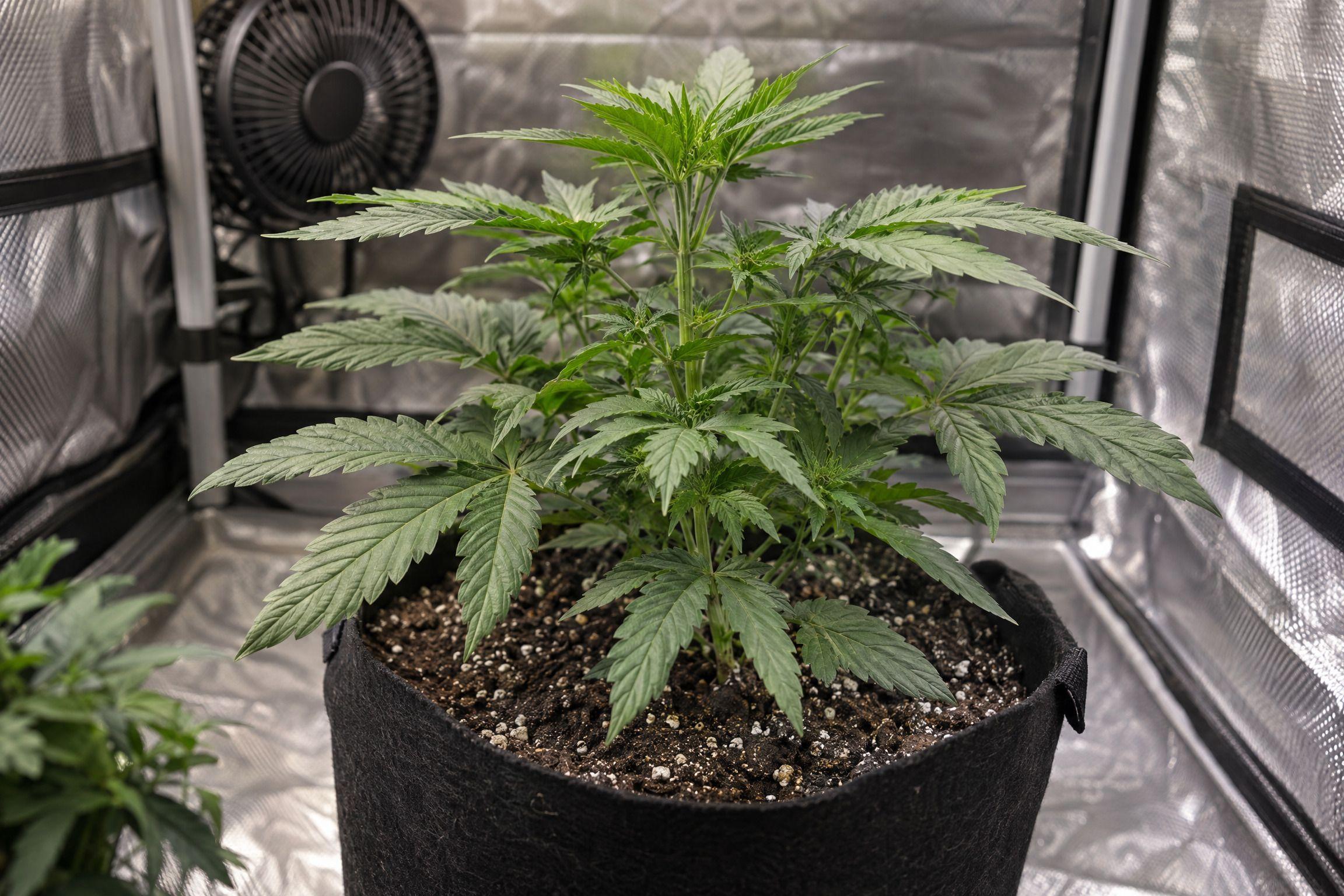
Banana Kush Autoflower Seeds
Banana Kush autoflower seeds fit a grower who wants an age-led flowering framework and prefers to make the main space decisions early. The useful starting point is not a calendar promise, but a ready container, a stable root zone, and a light-and-air plan that can support the plant from emergence onward.
Current offer
We may earn a commission when you purchase through one of these links.
About Banana Kush Autoflower Seeds
Our Banana Kush house profile is an indica-leaning hybrid with Ghost OG × Skunk Haze context. We describe sweet ripe banana and tropical fruit over earthy Kush or skunky notes, with a full, bushy structure that deserves thoughtful airflow planning.
Why the Autoflower format changes the start
Autoflower describes how flowering begins, with age guiding the transition rather than a deliberate change to the light schedule. Because the plant is not waiting for that later switch, decisions about its final position and root-zone room belong near the beginning of the run.
Treat the first stage as a setup window. Choose the working container, place the light, establish air movement, and make inspection access practical before growth makes the space harder to adjust.
Build the container-first workspace
Select the final container and medium with the complete root-zone plan in mind. Keep drainage, watering access, light distance, and the plant’s eventual working position connected so one change does not create a new problem elsewhere.
Set the container where you can reach all sides without brushing the canopy. A clear inspection path makes it easier to notice leaf posture, moisture changes, new growth, and branch direction before a small adjustment becomes a larger intervention.
Light placement should be judged by the plant’s response and the room’s conditions. Change distance or intensity gradually, record what changed, and avoid turning one measurement into a universal rule for every Banana Kush plant.
Guide a full Banana Kush canopy
The house profile points toward a full, dense, bushy structure. Use that description to reserve room for lateral growth and inner-canopy airflow, not to promise a fixed shape or assume that every plant will occupy the same footprint.
Keep training low-stress and purposeful. Gentle support or shaping can serve the available space, while unnecessary disturbance can make the plant harder to read during an age-led cycle.
Inspect the interior as the canopy develops. Watch for crowded leaves, blocked air paths, and branches that need support, then make one response at a time so the plant’s reaction remains clear.
Aroma and handling direction
Banana Kush can express sweet ripe banana and tropical fruit with an earthy Kush or skunky undertone. A creamy, dessert-like, or light spice nuance may appear, but aroma balance belongs to the exact plant, its maturity, and its environment.
Protect the late cycle from avoidable heat, excess moisture, and rough contact. Careful handling gives the broad banana-and-Kush character a fair chance to remain noticeable through drying and storage.
Use aroma as a preference filter rather than an identity test. The Banana Kush strain guide explains the shared lineage and sensory direction, while this page keeps the focus on an age-led format.
Indoor and outdoor setup questions
Indoor growers can organize light placement, air exchange, root-zone checks, and access around the container. Make the workspace ready before the plant needs it, and leave enough room to inspect a bushy canopy without compressing the air path.
Keep the plant’s position practical in either setting. Record watering, environmental changes, branch development, training, and flowering signs so your next action comes from observation rather than a borrowed schedule.
Current Banana Kush Autoflower offer
When you are ready to review the exact format, Buy NowWe may earn a commission when you purchase through this link.. Confirm the destination’s commercial details directly before ordering, because those details belong to the offer page rather than the editorial profile.
For a family comparison, open Banana Kush Seeds. If you want to compare the alternate listed route, read Banana Kush Feminized Seeds and keep its product-specific light-cycle instructions separate from this age-led plan.
A practical age-led checklist
During the run, keep the opening routine consistent enough to read. Note emergence, root-zone moisture, new growth, branch direction, aroma changes, and flowering signs, then make small adjustments that suit the plant in front of you.
Use the full Banana Kush description as a space-planning cue and the exact route details as your format guide. The best next decision is the one that keeps the container, light, airflow, and observation routine working together.
Bottom line
Banana Kush autoflower seeds are built around an age-led flowering framework and a fruit-forward Kush identity. Prepare the environment early, keep the root zone and airflow observable, and let the individual plant set the pace.
Start with the Banana Kush strain guide for shared identity, then use the seed group to compare formats. When your workspace is ready, Buy NowWe may earn a commission when you purchase through this link..
Read the Banana Kush strain guide for cultivar background and broader growing context. Use this page to compare the selected seed format.
Banana Kush Autoflower Seeds data sheet
Use the details below to compare this seed type with your space and schedule. Plant traits can vary with format and growing conditions.
| Seed format | Autoflower |
|---|
Cultivar context
These traits describe the cultivar as a whole. Expression can vary across seed formats and growing conditions.
| Cultivar background | Banana Kush is an Indica-dominant hybrid (typically 60-70% Indica) resulting from a cross between Ghost OG and a Skunk or Haze variant, such as Skunk Haze or Skunk Kush. The cultivar typically features a flowering period |
|---|---|
| Group profile | Hybrid |
Banana Kush Autoflower Seeds growing FAQs
How should I plan the flowering window for Banana Kush?
Flowering pace varies with the selected seed line, plant, and environment. Use a flexible schedule and observe growth instead of treating the cultivar name as a fixed finish date.
What size context is listed for Banana Kush?
Final plant structure varies with seed type, container, training, and growing conditions. Plan space for access and airflow rather than relying on a single size estimate.
What environment should I consider for Banana Kush?
Indoor and outdoor plans depend on available space, light, airflow, and local climate. Choose a setup you can manage consistently.
What harvest context is available for Banana Kush?
Harvest outcomes vary with the seed line, plant health, light, and growing conditions. A figure associated with another format should not be treated as an estimate for this one.
How should I choose a seed type for Banana Kush?
Compare the autoflower format with your space, timing, and preferred light schedule. Choose the exact seed type that fits your plan, then review the format-specific page.
Related seeds
All seeds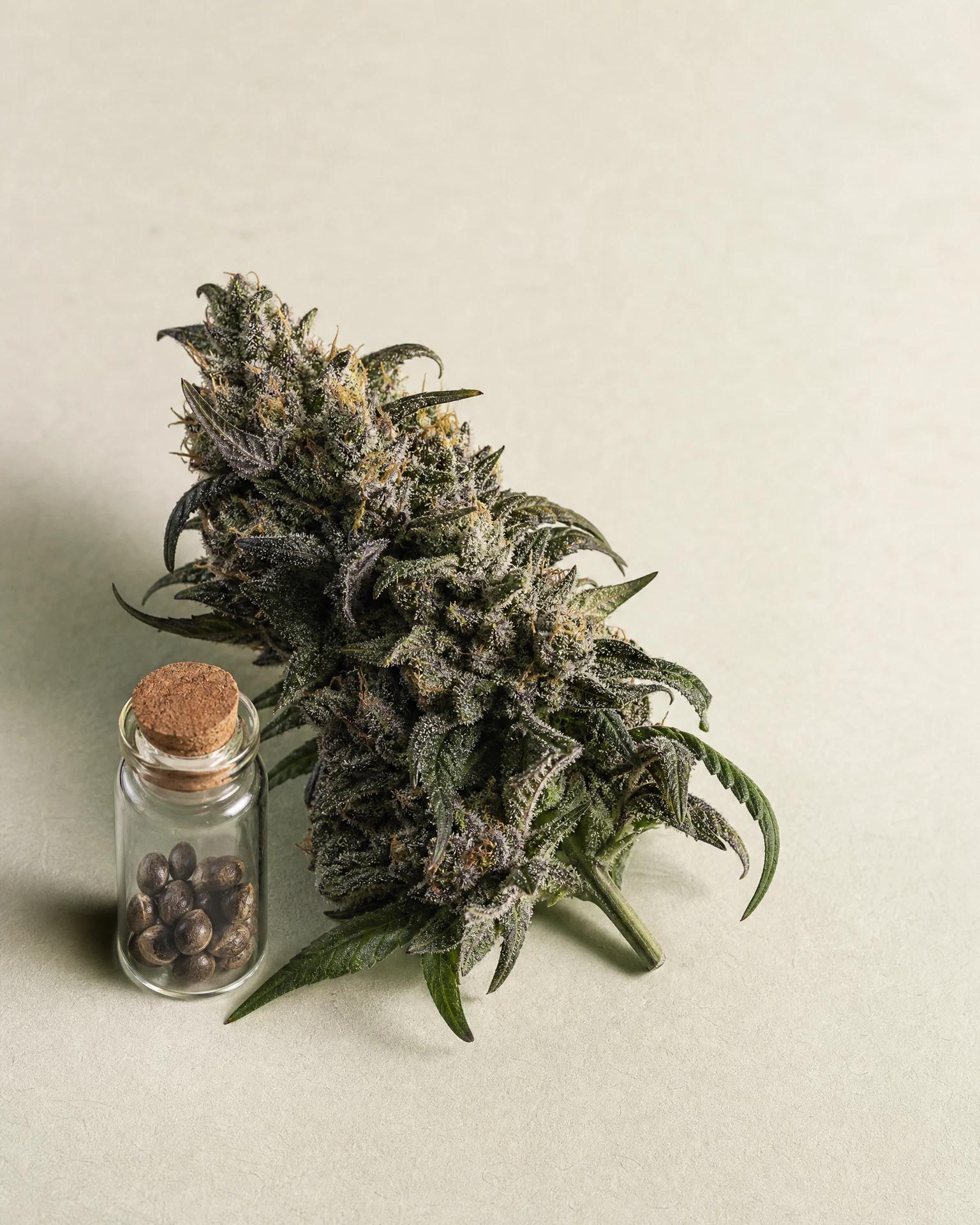
Hybrid
24k Gold
24k Gold seed options include Feminized formats. Compare the options with your preferred space and growing schedule.
View details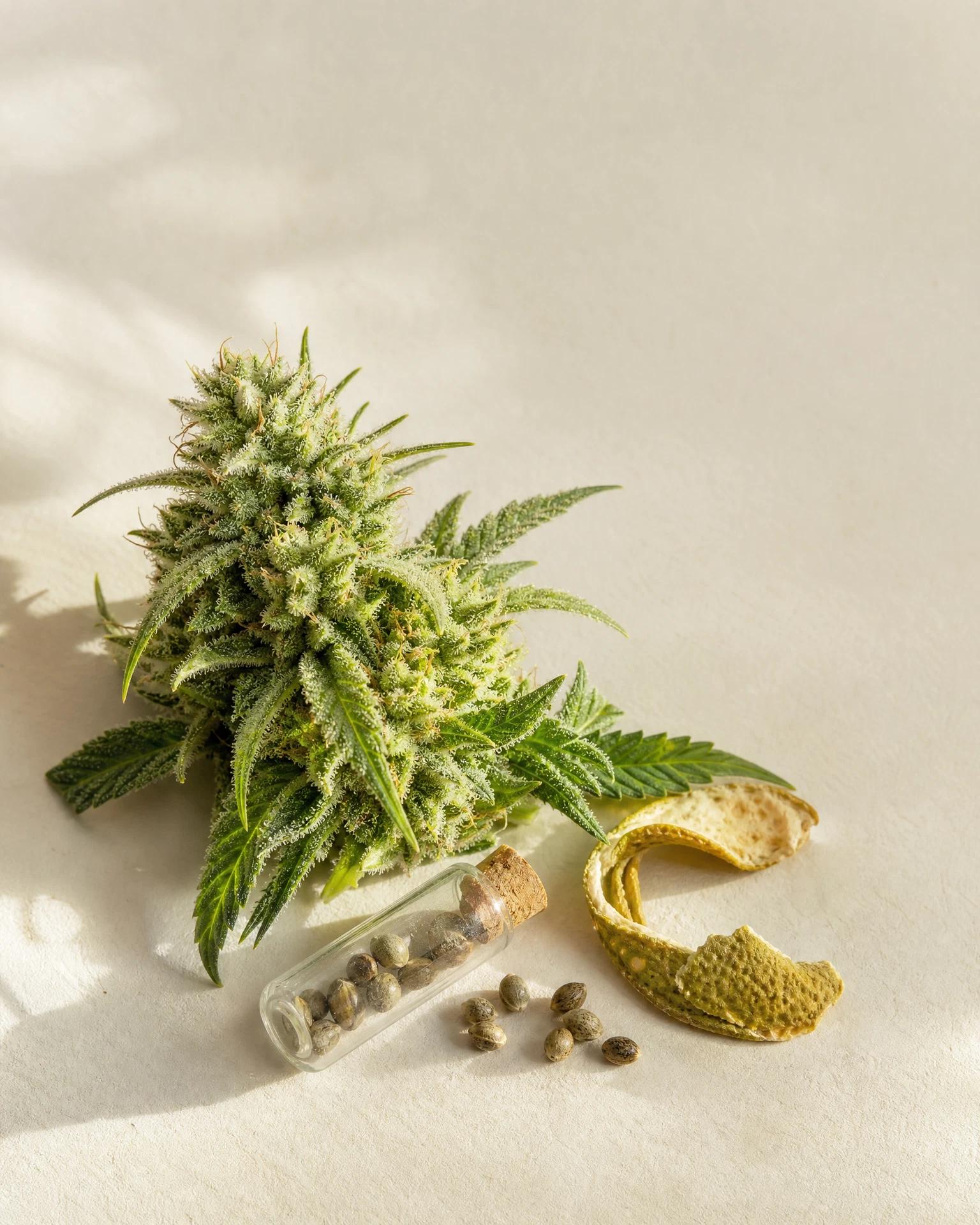
Hybrid
3 Kings
3 Kings seed options include Feminized formats. Compare the options with your preferred space and growing schedule.
View details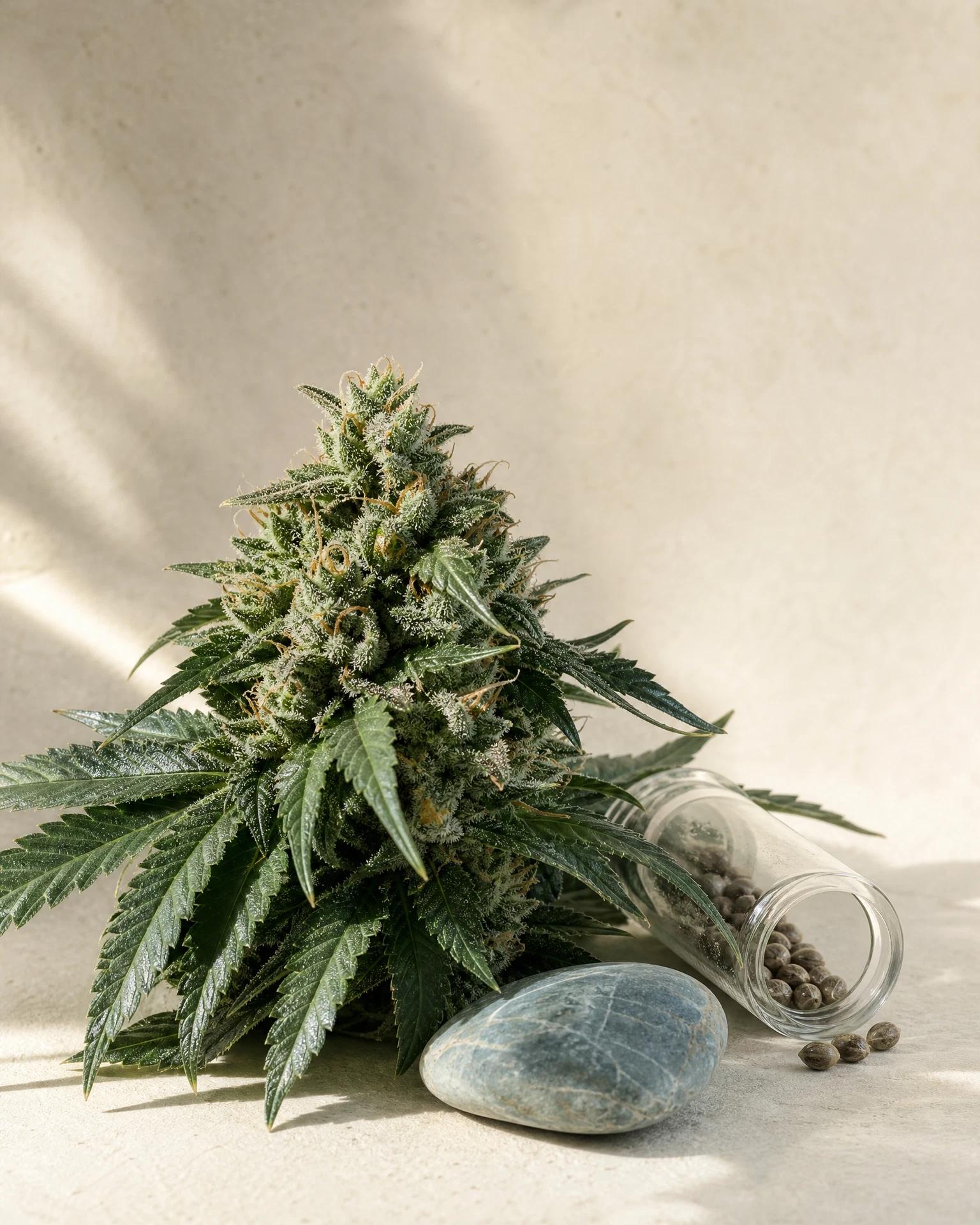
Hybrid
5 Alive
5 Alive seed options include Feminized formats. Compare the options with your preferred space and growing schedule.
View details