
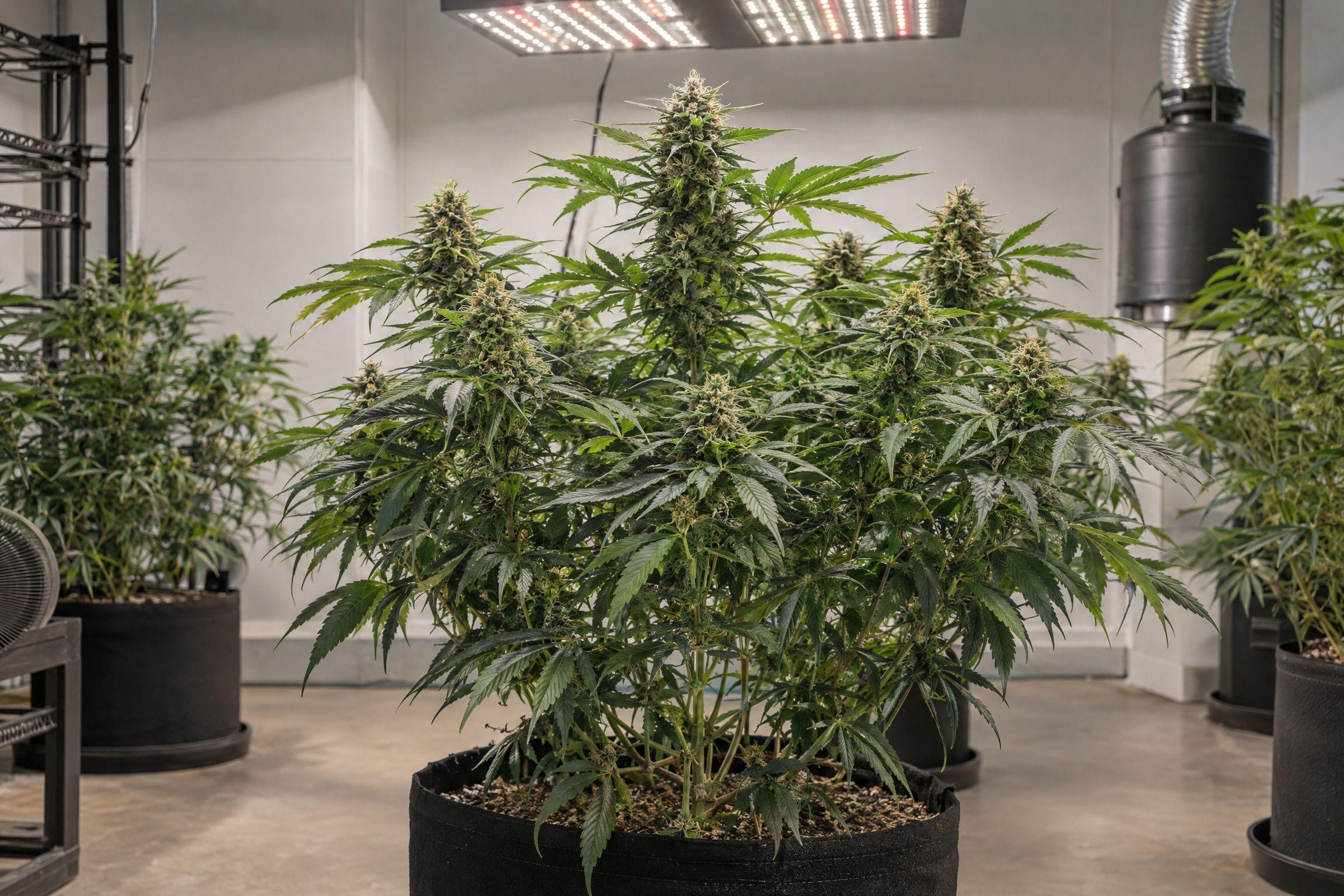
Banana Kush Feminized Seeds
Banana Kush feminized seeds suit a grower who wants intended female-plant sex and a deliberate photoperiod workflow from the listed line. The planning conversation starts with canopy room, root-zone development, and a light schedule that can be changed when the plant and the space are ready.
Current offer
We may earn a commission when you purchase through one of these links.
About Banana Kush Feminized Seeds
Banana Kush is presented in our house profile as an indica-leaning hybrid with Ghost OG × Skunk Haze context. Expect the broad vocabulary of sweet ripe banana, tropical fruit, earthy Kush, and skunky depth, while allowing the exact plant and environment to shape the final expression.
What Feminized tells you
Feminized describes intended plant sex, not the flowering trigger by itself. The exact listed route carries its own light-cycle instructions, so read those details directly instead of treating every Feminized seed as identical in how flowering begins.
For this route, the practical lens is a photoperiod workflow. That means vegetative timing stays part of the grower’s plan, and a deliberate light transition can follow canopy development, usable room, and the routine you can maintain.
Make room for the Banana Kush canopy
Banana Kush has a full, dense, bushy house profile that rewards an honest look at the working space. Measure container height, light clearance, lateral canopy room, airflow, and access before choosing how long to keep the plant in vegetative growth.
Place the container where you can inspect the plant without repeated disruption. A clear path around the canopy supports better observation of leaves, branch direction, root-zone moisture, and environmental changes.
Training should serve the room rather than a fixed picture of the plant. Use gentle shaping or support when it improves light distribution and air movement, then allow recovery before asking the canopy to carry another adjustment.
Plan the photoperiod transition
Allow the plant to establish its root zone and canopy before making the flowering transition. The right point depends on the exact line, available clearance, branch development, environmental control, and the amount of working access left in the room.
Keep light changes deliberate and record the date. A grow log that includes watering, new growth, training, temperature, humidity, and canopy response makes the next decision easier to explain and repeat.
Do not transfer an age-led Autoflower calendar onto this route. The Banana Kush Autoflower page answers a different flowering-trigger question, while this page is centered on the listed Feminized photoperiod plan.
Read the shared sensory direction
Our Banana Kush profile combines sweet ripe banana and tropical fruit with an earthy Kush or skunky undertone. A creamy, dessert-like, or light spice note can add nuance, but the final balance belongs to the individual plant, its maturity, and its handling.
A full canopy can make airflow part of aroma planning. Keep air moving through the interior, avoid excess moisture, and handle developing flowers gently so the broad fruit-and-Kush character remains a useful guide rather than a promise.
For the wider identity, open the Banana Kush strain guide. It explains the Ghost OG × Skunk Haze house lineage and keeps the sensory profile separate from the exact format decisions on this page.
Indoor and outdoor considerations
Indoor planning gives you direct control over the light schedule, container position, air exchange, and inspection routine. Keep enough clearance for the light and enough room around the canopy to work without crowding the plant.
Use the individual plant as the guide in either setting. Adjust watering, support, training, and light decisions one at a time, and keep notes so a later run begins with a clearer plan.
Current Banana Kush Feminized offer
When you are ready to review the exact route, Buy NowWe may earn a commission when you purchase through this link.. Confirm the destination’s commercial details directly before ordering, because this page is focused on format planning rather than changing offer fields.
For the family comparison, open Banana Kush Seeds. The group page places this route beside the listed Autoflower option without treating Feminized and Autoflower as opposite labels on the same axis.
A light-cycle planning checklist
Before starting, write down the usable height, container position, root-zone plan, light clearance, airflow route, inspection access, and local requirements. Then decide what canopy development would make the photoperiod transition appropriate for your particular room.
During vegetative growth, change one variable at a time and observe the response. Keep the plant’s shape, moisture, new growth, and environmental readings in the same log so the light-cycle decision has useful context.
Bottom line
Banana Kush feminized seeds give the listed route an intended female-plant focus and a photoperiod planning lens. Prepare the canopy space, protect airflow, and make the light transition a deliberate choice grounded in the individual plant and room.
Use the Banana Kush strain guide for shared identity and aroma context, then return to the seed group if you want to compare formats. When your light-cycle plan is ready, Buy NowWe may earn a commission when you purchase through this link..
Read the Banana Kush strain guide for cultivar background and broader growing context. Use this page to compare the selected seed format.
Banana Kush Feminized Seeds data sheet
Use the details below to compare this seed type with your space and schedule. Plant traits can vary with format and growing conditions.
| Seed format | Feminized |
|---|
Cultivar context
These traits describe the cultivar as a whole. Expression can vary across seed formats and growing conditions.
| Cultivar background | Banana Kush is an Indica-dominant hybrid (typically 60-70% Indica) resulting from a cross between Ghost OG and a Skunk or Haze variant, such as Skunk Haze or Skunk Kush. The cultivar typically features a flowering period |
|---|---|
| Group profile | Hybrid |
Banana Kush Feminized Seeds growing FAQs
How should I plan the flowering window for Banana Kush?
Flowering pace varies with the selected seed line, plant, and environment. Use a flexible schedule and observe growth instead of treating the cultivar name as a fixed finish date.
What size context is listed for Banana Kush?
Final plant structure varies with seed type, container, training, and growing conditions. Plan space for access and airflow rather than relying on a single size estimate.
What environment should I consider for Banana Kush?
Indoor and outdoor plans depend on available space, light, airflow, and local climate. Choose a setup you can manage consistently.
What harvest context is available for Banana Kush?
Harvest outcomes vary with the seed line, plant health, light, and growing conditions. A figure associated with another format should not be treated as an estimate for this one.
How should I choose a seed type for Banana Kush?
Compare the feminized format with your space, timing, and preferred light schedule. Choose the exact seed type that fits your plan, then review the format-specific page.
Related seeds
All seeds
Hybrid
24k Gold
24k Gold seed options include Feminized formats. Compare the options with your preferred space and growing schedule.
View details
Hybrid
3 Kings
3 Kings seed options include Feminized formats. Compare the options with your preferred space and growing schedule.
View details
Hybrid
5 Alive
5 Alive seed options include Feminized formats. Compare the options with your preferred space and growing schedule.
View details