
Mexican Sativa Feminized Seeds
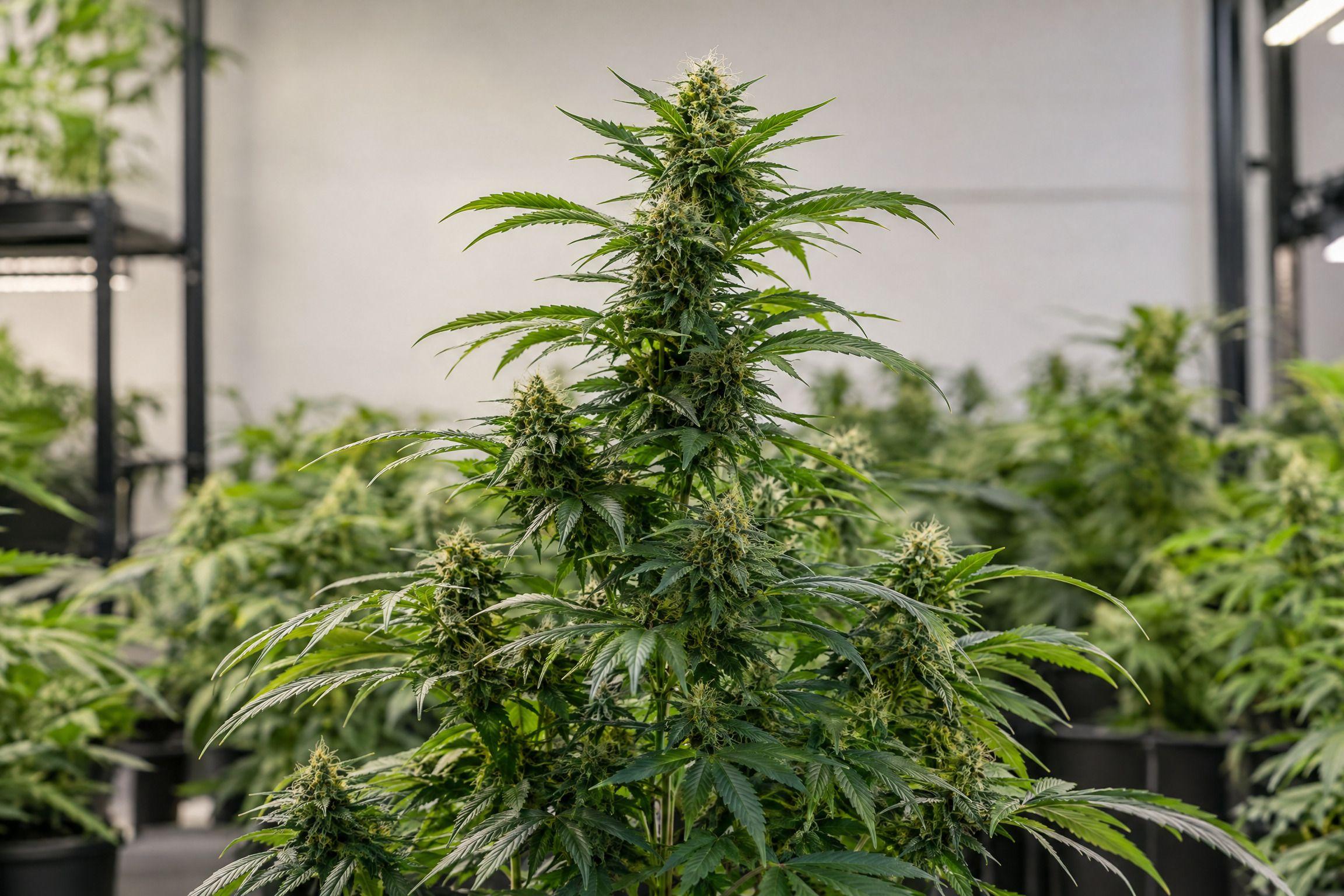
Mexican Sativa feminized seeds are the exact-format choice for growers who want to organize a photoperiod garden around the listed feminized route. Our product profile pairs that format with a tall, sativa-leaning structure, noticeable flowering stretch, and a sandalwood-led aroma direction that rewards thoughtful space planning.
Current offer
We may earn a commission when you purchase through one of these links.
About Mexican Sativa Feminized Seeds
Why choose this format
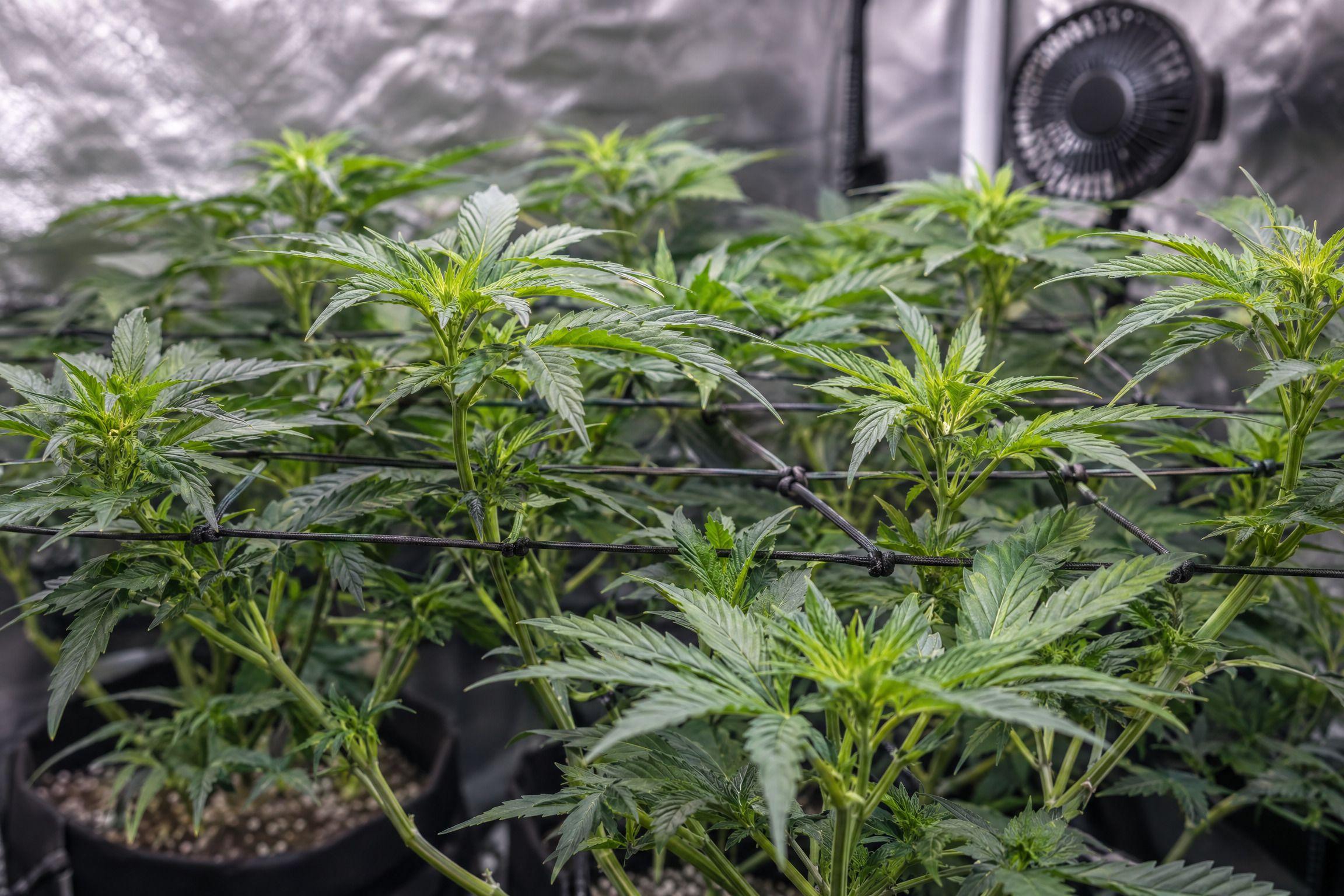
The feminized route is designed for a plan centered on female-flowering plants rather than the male-and-female mix associated with regular seeds. That makes the initial space plan more direct, while still requiring normal attention to plant variation, light scheduling, canopy training, and the conditions around the garden.
Mexican Sativa remains a photoperiod option, not an autoflower route. Set the light schedule intentionally, decide where the canopy will sit, and preserve room above it before the flowering phase begins to gather pace.
What to plan before you start
Our house profile describes a sativa-leaning hybrid associated with a Mexican/Oaxacan line combined with Durban and Pakistani Hash Plant ancestry. The plants are commonly planned as tall-growing and elegant, with elongated flowers that can vary by phenotype and a flowering window often planned around 50–70 days when conditions support that schedule.
Use the flowering range as a flexible calendar reference, not a promised endpoint. Headroom, early training, a measured vegetative period, and steady airflow planning will do more for a manageable garden than a fixed size target.
Aroma planning starts with woody sandalwood alongside floral, herbal, and pine notes. Citrus, liquorice, or anise accents may appear depending on phenotype and stage, so keep the profile descriptive rather than expecting every plant to present the same expression.
A practical feminized workflow
Begin with a space check that accounts for upward growth and flowering stretch. Guide the canopy early, keep access around the plant clear, and adjust training gradually so the structure remains easy to inspect as flowers lengthen.
Use a stable photoperiod schedule and make changes deliberately rather than reacting to a crowded canopy. Container choice, root-zone consistency, light distance, and moisture management all deserve attention because the exact expression will depend on the growing environment.
During flowering, inspect the canopy regularly and maintain comfortable air movement through the interior. The goal is a calm, observable routine that leaves flexibility for phenotype and seasonal conditions instead of promising a uniform result.
The feminized label answers the format question, but it does not replace a complete garden plan. Keep the light schedule stable, check the distance between the fixture and the tallest growth, and make small adjustments when the canopy begins to rise.
It is also useful to set an access route before the plant fills the space. A reachable interior makes it easier to guide a branch, inspect developing flowers, and respond to moisture or airflow changes without disturbing the wider structure.
For outdoor planning, review the local season before committing to a start date. The photoperiod nature of this route gives you scheduling control, yet local weather and the plant’s pace still determine how flexible the flowering plan needs to be.
Keep your private notes focused on observations rather than assumptions. Recording light changes, training dates, and structural responses helps you refine the next run while respecting the natural variation of the family.
The most useful comparison is between the feminized route and the space you can actually manage. Keep enough room to reach the plant, adjust the canopy, and respond to changing conditions without turning routine care into a cramped task.
When those basics are in place, the family profile can remain a helpful guide rather than a rigid expectation. Use the aroma notes, stretch planning, and flowering reference to prepare, then let the plant’s development set the pace of each next decision.
Review the exact offer
When you are ready to review the commercial destination, use the neutral Buy NowWe may earn a commission when you purchase through this link. label. Check the live destination for current pack, delivery, and availability details before placing an order, because those fields belong to the offer rather than this evergreen profile.
For a family-level comparison, return to Mexican Sativa seeds to compare the feminized route with regular seeds. For broader identity and cultivation context, read the Mexican Sativa strain guide after the exact format has been selected.
Our recommendation
Choose Mexican Sativa feminized seeds when a female-focused photoperiod layout, early headroom planning, and a longer flowering reference fit your garden. Keep the aroma and structure notes as practical planning cues, then let the exact environment and phenotype guide the day-to-day decisions.
Read the Mexican Sativa strain guide for cultivar background and broader growing context. Use this page to compare the selected seed format.
Mexican Sativa Feminized Seeds data sheet
Use the details below to compare this seed type with your space and schedule. Plant traits can vary with format and growing conditions.
| Seed format | Feminized |
|---|
Cultivar context
These traits describe the cultivar as a whole. Expression can vary across seed formats and growing conditions.
| Group profile | Sativa-leaning |
|---|
Mexican Sativa Feminized Seeds growing FAQs
How should I plan the flowering window for Mexican Sativa?
Flowering pace varies with the selected seed line, plant, and environment. Use a flexible schedule and observe growth instead of treating the cultivar name as a fixed finish date.
What size context is listed for Mexican Sativa?
Final plant structure varies with seed type, container, training, and growing conditions. Plan space for access and airflow rather than relying on a single size estimate.
What environment should I consider for Mexican Sativa?
Indoor and outdoor plans depend on available space, light, airflow, and local climate. Choose a setup you can manage consistently.
What harvest context is available for Mexican Sativa?
Harvest outcomes vary with the seed line, plant health, light, and growing conditions. A figure associated with another format should not be treated as an estimate for this one.
How should I choose a seed type for Mexican Sativa?
Compare the feminized format with your space, timing, and preferred light schedule. Choose the exact seed type that fits your plan, then review the format-specific page.
Related seeds
All seeds
Hybrid
24k Gold
24k Gold seed options include Feminized formats. Compare the options with your preferred space and growing schedule.
View details
Hybrid
3 Kings
3 Kings seed options include Feminized formats. Compare the options with your preferred space and growing schedule.
View details
Hybrid
5 Alive
5 Alive seed options include Feminized formats. Compare the options with your preferred space and growing schedule.
View details