
Strain guide
Mexican Sativa Strain Guide: Breeder-specific aroma and grower notes
Mexican Sativa is documented here with partner-source cultivar context, seed-format availability, and secondary-topic research cues.
Overview
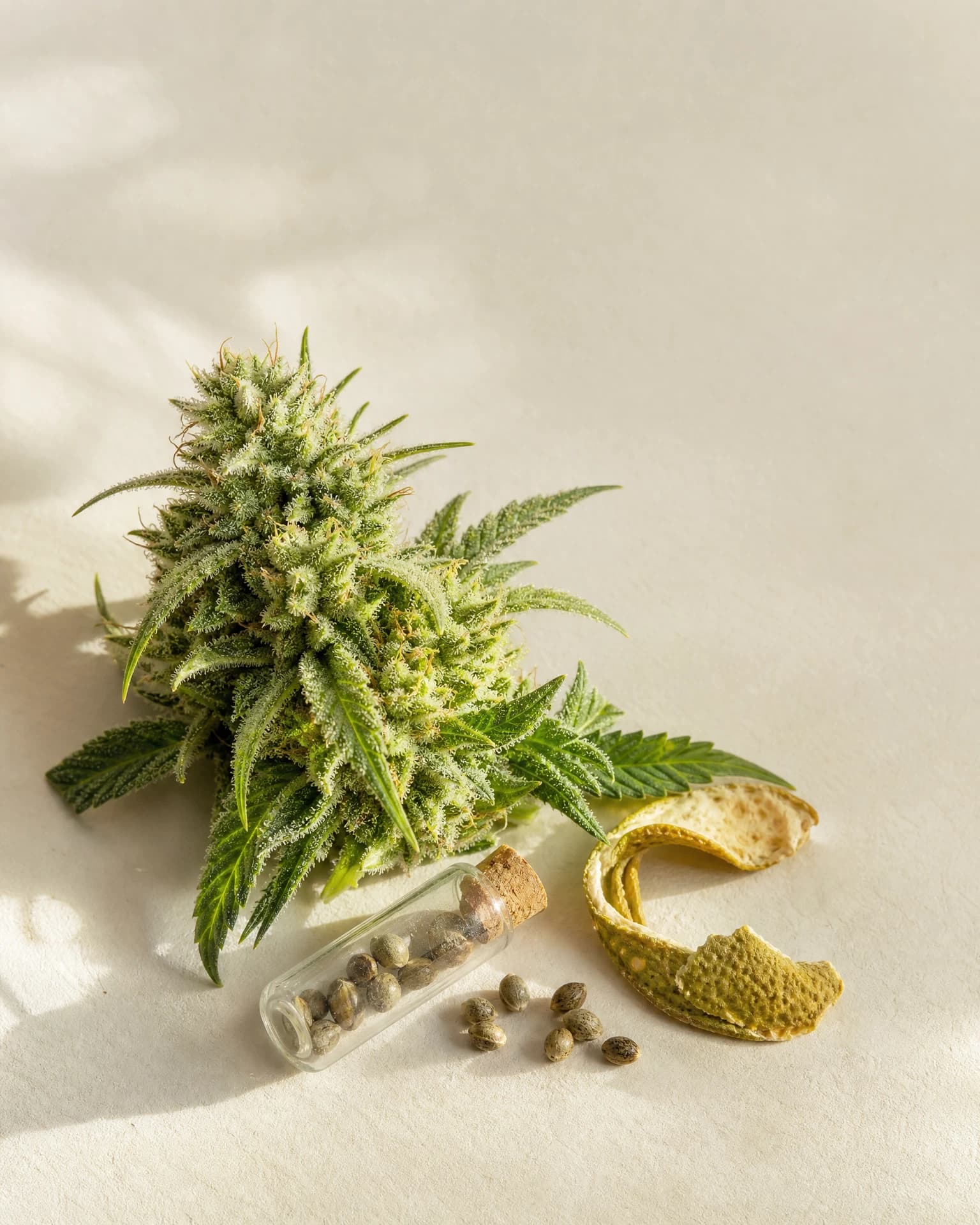
Mexican Sativa represents a specific entry in the catalog of Sensi Seeds, classified as a Sativa-dominant hybrid. This cultivar is characterized by its tall and elegant physical structure, which reflects its Sativa-leaning profile. Growers and researchers often look to the Mexican Sativa strain for its resilience, as the record indicates it is capable of thriving in a variety of environmental conditions. This includes both warm, humid climates and cooler northern regions, suggesting a level of adaptability that is not always present in Sativa-leaning varieties. The strain is available to the public in multiple forms, specifically in both feminized and regular seed formats. As a photoperiod cultivar, its development is tied to the light cycles it receives, a standard trait for many traditional hybrids. The exotic nature of this plant is often highlighted in breeder descriptions, pointing toward a specific set of effects and sensory characteristics that distinguish it from more common commercial varieties.
Understanding the baseline characteristics of a cultivar like Mexican Sativa requires a close look at the provided breeder data. The record shows that this plant is not merely a single-origin landrace but a complex cross designed to balance specific traits. While the name suggests a primary connection to Mexico, the genetic background reveals a more diverse heritage. The tall structure and elegant growth habit are the most prominent physical features noted in the verified facts. These traits are essential for anyone planning a cultivation space, as they dictate the vertical requirements and the overall management strategy for the plant. The resilience mentioned in the source material suggests that this cultivar has been bred to withstand environmental stressors that might challenge less hardy Sativa types. This adaptability makes it a subject of interest for those operating in less-than-ideal climates, where the ability to handle humidity or lower temperatures is a significant advantage.
Genetics and cultivar background
The genetic foundation of Mexican Sativa is a deliberate combination of three distinct lineages, according to the available breeder records. It was created by crossing a Mexican Oaxacan landrace with a hybrid that consists of Durban Poison and a Pakistani Hash Plant. This specific combination brings together genetics from diverse geographic regions, including North America, Africa, and South Asia. The Oaxacan component provides the primary Sativa influence, which is likely responsible for the tall structure and the uplifting nature of the cultivar. The inclusion of Durban Poison, another well-known Sativa-leaning variety, further reinforces these traits. Meanwhile, the Pakistani Hash Plant adds a different dimension to the hybrid, potentially contributing to the resilience and the specific flavor notes mentioned in the profile.
Sensi Seeds is identified as the breeder responsible for this particular iteration of Mexican Sativa. In the context of seed production, the breeder's role is to stabilize these diverse genetic inputs into a consistent product. By crossing a landrace with a stabilized hybrid, the breeder aims to capture the "exotic" qualities of the original Mexican genetics while improving the plant's performance in a controlled environment. The resulting Mexican Sativa strain is thus a product of modern breeding techniques applied to traditional landrace stocks. This background is vital for understanding why the plant exhibits its specific growth patterns and effects. The record does not provide specific percentage breakdowns for the Sativa and Indica components, but the "Sativa-leaning" classification and the physical description of being "tall" and "elegant" serve as the primary indicators of its genetic leanings.
When analyzing the background of such a cultivar, it is useful to consider the historical context of the parent strains. Landrace varieties from Oaxaca have long been associated with specific growth habits and effects, which the breeder has sought to preserve. The addition of Durban Poison and Pakistani Hash Plant genetics represents a strategic move to enhance the plant's structural integrity and environmental resistance. This blend of genetics is what allows the cultivar to be described as resilient and capable of thriving in both warm and cool climates. The presence of both feminized and regular Mexican Sativa genetics in the market today is a testament to the ongoing maintenance of these genetics by the original breeder and the retailers who carry them.
Plant profile and grow planning
The physical profile of Mexican Sativa is dominated by its tall stature, a characteristic that is explicitly mentioned in the verified facts. This height is a defining feature of the cultivar and must be the primary consideration in any grow planning. Tall plants require significant vertical space, which can influence the choice of cultivation environment. In an indoor setting, this may necessitate specific training techniques or a shorter vegetative period to manage the final height. Outdoors, the plant's elegant structure allows it to take full advantage of the available light, provided it has the space to expand. The resilience of the cultivar is another key factor in grow planning. Because it can thrive in both warm, humid climates and cooler northern regions, it offers flexibility to growers in different geographic locations.
The adaptability of the Mexican Sativa strain to cooler northern regions is a notable detail, as many Sativa-leaning hybrids are traditionally associated with tropical or sub-tropical environments. This suggests that the breeding process, which included the Pakistani Hash Plant and Durban Poison, successfully introduced traits that allow the plant to withstand lower temperatures. However, the caveat in the record notes that there is some variation in source descriptions regarding the ideal climate. Some sources may suggest it is strictly for warm and humid areas, while others emphasize its adaptability. This discrepancy means that a grower should approach the environment with a degree of caution, perhaps testing the plant's limits in a controlled manner before committing to a large-scale outdoor project in a marginal climate.
Planning for the Mexican sativa flowering time is another essential aspect of the cultivation process, although the specific number of weeks is not provided in the current record. The record instead advises to "Check current breeder source" for the exact flowering context. As a photoperiod cultivar, the transition to the flowering stage will be triggered by changes in the light cycle. Understanding this requirement is fundamental for anyone using regular or feminized seeds. The tall, elegant structure of the plant suggests that it will continue to stretch during the early stages of flowering, a common trait in Sativa-leaning hybrids. This growth spurt must be accounted for in the overall timeline and space management plan. The resilience of the plant may also play a role during the flowering phase, helping it to resist common issues that can arise in humid or cool conditions.
Aroma and flavor profile
The sensory profile of Mexican Sativa is characterized by a specific set of notes that are described as exotic. According to the breeder's facts, the flavor profile often includes sandalwood and spice notes. These characteristics are distinct from the fruity or fuel-like aromas found in many other modern hybrids. Sandalwood is a complex scent, often associated with woody, earthy, and slightly sweet undertones. It provides a grounded base to the overall profile, which is then complemented by the sharper, more pungent notes of spice. This combination is what leads to the "exotic" label, suggesting a profile that is reminiscent of traditional landrace varieties rather than contemporary commercial strains.
The presence of these specific aroma and flavor notes is a direct result of the plant's genetic heritage. The Oaxacan landrace and the Pakistani Hash Plant likely contribute the most to this woody and spicy profile. While the record does not list specific terpenes, the description of sandalwood and spice gives a clear indication of the sensory experience a user can expect. These notes are often more pronounced when the plant is properly cured, allowing the complex volatile compounds to stabilize. For those interested in the Mexican Sativa strain, the flavor profile is a significant part of its appeal, offering a departure from the more common profiles on the market.
In the context of breeder records, the description of flavor and aroma is often based on the most common phenotypes observed during the stabilization process. Individual plants grown from regular seeds may show some variation in the intensity of these notes, while feminized seeds are generally expected to produce a more consistent profile. The mention of spice notes can encompass a range of sensations, from peppery and sharp to warm and herbal. This variety adds depth to the sandalwood base, creating a multifaceted aroma that is a hallmark of this cultivar. The record's emphasis on these specific notes highlights the breeder's focus on preserving a particular sensory identity for Mexican Sativa.
Reported experience context
The effects associated with Mexican Sativa are described as exotic and uplifting. This aligns with its Sativa-leaning genetic profile and its tall, elegant structure. An "uplifting" experience is typically characterized by a sense of increased energy, mental clarity, and a positive shift in mood. This makes the cultivar a popular choice for daytime use or for activities that require a degree of focus and creativity. The "exotic" nature of the effects may refer to a specific quality of the experience that is different from the more standardized effects of common hybrids. This could be a result of the unique combination of Oaxacan, Durban, and Pakistani genetics, which creates a profile that is both stimulating and resilient.
While the record provides these general descriptors, it does not include specific data on cannabinoid percentages or terpene concentrations. Therefore, the experience is best understood through the lens of the breeder's intended profile. The uplifting nature of the strain is its most prominent reported feature, suggesting a lack of the heavy, sedative effects often associated with Indica-dominant varieties. This makes the Mexican Sativa strain a subject of interest for those seeking a more active and engaged experience. The resilience of the plant in the grow room may also translate to a consistent experience for the user, as healthy plants are more likely to produce a full and balanced profile of active compounds.
The reported experience can vary based on the individual and the specific conditions under which the plant was grown and processed. However, the consistency of the "uplifting" and "exotic" labels across breeder sources provides a reliable baseline for what to expect. The exotic quality mentioned in the facts suggests a nuanced experience that reflects the plant's diverse genetic background. For researchers and consumers alike, this cultivar represents a link to traditional Sativa effects, refined and stabilized for the modern market. The absence of more detailed medical or potency claims in the record means that these aspects remain a subject for further investigation by the user.
How to compare current breeder records
Evaluating a cultivar like Mexican Sativa requires a systematic approach to analyzing breeder records and retailer data. One of the first steps in this process is to identify the primary source of the genetics. In this case, Sensi Seeds is the clear originator, and their description serves as the baseline for all other information. When comparing records from different retailers, it is common to find variations in how a strain is described. For example, the record for Mexican Sativa shows a discrepancy in climate recommendations. Some sources might emphasize its need for a warm and humid environment, while others highlight its resilience in cooler northern regions. This type of disagreement is a frequent occurrence in the seed industry and often reflects the different environments in which the cultivar has been tested or the specific phenotypes that a retailer is highlighting.
To evaluate these discrepancies, a researcher should look for the most consistently reported traits. In the case of the Mexican Sativa strain, the tall structure, the lineage (Oaxacan x Durban/Pakistani), and the uplifting effects are mentioned across multiple sources. These can be considered the core characteristics of the cultivar. On the other hand, details like the specific flowering time or the ideal climate may require more careful interpretation. When a record states "Check current breeder source" for flowering context, it is a signal that this information may be subject to change or may vary depending on the specific batch of seeds. A responsible researcher will always verify these details against the most recent data provided by the breeder.
Another important aspect of comparing records is understanding the limitations of the data provided. Many breeder descriptions are written for marketing purposes and may use general terms like "exotic" or "resilient" without providing specific metrics. A thorough evaluation involves looking past the adjectives and focusing on the concrete facts: the genetic lineage, the seed formats available, and the physical structure of the plant. By organizing this information into a structured format, such as a table or a detailed list, it becomes easier to spot inconsistencies and identify areas where more research is needed. This process of cross-referencing and critical analysis is essential for anyone who wants to develop a deep understanding of a specific cultivar and its potential performance in a given environment.
Furthermore, the absence of certain information in a record is just as significant as the information that is present. If a record does not mention specific cannabinoid levels or a detailed terpene profile, it is a sign that these factors have not been standardized or are not the primary focus of the breeder for that specific version of the strain. In the case of Mexican Sativa, the focus is clearly on the plant's structural elegance and its exotic heritage. By recognizing these gaps, a researcher can avoid making unfounded assumptions and can instead focus on the facts that are supported by the evidence. This disciplined approach to data interpretation is what distinguishes a professional analysis from a casual overview.
The information presented in this guide is derived strictly from the provided breeder and retailer records for Mexican Sativa. The primary facts are sourced from Sensi Seeds, the original breeder, and are supplemented by data from retailers such as Seedsman and Herbies. It is important to acknowledge the specific caveat noted in the record: while the Mexican Sativa strain was explicitly identified on these platforms, it was notably absent as a standalone product on several other major sites, including Seedsupreme, Blimburn Seeds, and Homegrown Cannabis Co. On those platforms, the cultivar was only listed as a genetic parent for other hybrids. This indicates a potential variation in the availability of the pure form of the strain across the current market.
There is also a documented discrepancy regarding the ideal climate for this cultivar. Source descriptions vary between recommending a strictly warm and humid environment and claiming that the plant is adaptable to cooler northern regions. This inconsistency suggests that the plant's performance may be highly dependent on the specific phenotype or the local environmental conditions. As a result, any claims about the plant's resilience should be viewed within the context of this source disagreement. The record also lacks specific details in several key areas, including the exact flowering time in weeks, specific cannabinoid and terpene percentages, and detailed yield statistics. These fields are marked as unknown or requiring further verification from the current breeder source.
The absence of these facts means that this guide does not make any specific claims about the potency, precise harvest window, or expected weight of the final product. Instead, the focus remains on the verified structural and genetic traits of the plant. The "Sativa-leaning" profile, the tall and elegant structure, and the exotic, uplifting effects are the most reliable pieces of information available. By sticking to these source-bounded facts and acknowledging the limitations of the current data, this guide provides a transparent and evidence-based overview of Mexican Sativa. Anyone seeking to cultivate or research this strain is encouraged to consult the latest information directly from the breeder to fill in the remaining gaps.
The process of compiling this record also highlights the importance of distinguishing between a standalone cultivar and its role as a genetic building block. The fact that Mexican Sativa is frequently used as a parent in other hybrids speaks to the value of its genetics, even if the pure strain is not always the primary focus of every retailer. This nuance is a key part of the cultivar's identity in the modern cannabis industry. By documenting these details, we provide a more complete picture of the Mexican Sativa strain and its place within the broader genetic catalog of Sensi Seeds.
Given the specific facts and the gaps identified in the current record for Mexican Sativa, several questions emerge for further investigation. These questions are designed to help a researcher or grower gather more detailed information that is not present in the initial breeder summary. One of the most pressing questions concerns the specific Mexican sativa flowering time. While we know it is a photoperiod cultivar, knowing the exact number of weeks required for flowering would allow for much more precise planning. A researcher might ask: "What is the average number of weeks from the onset of flowering to harvest for the feminized versus the regular versions of this strain?" This information is vital for determining if the plant can finish its cycle before the first frost in cooler northern regions.
Another area for research involves the climate adaptability of the Mexican Sativa strain. The record mentions a slight variation in source descriptions regarding the ideal climate. A useful research question would be: "In what specific northern latitudes has this cultivar been successfully grown outdoors, and what were the average temperature and humidity levels during the flowering phase?" This would provide concrete data to support the claim of resilience and help growers in marginal climates make more informed decisions. Additionally, investigating the specific phenotypes associated with the sandalwood and spice flavor notes could be beneficial. A researcher might ask: "Are there distinct phenotypes within the regular seed population that favor the woody sandalwood notes over the spicy ones, and can these be identified by their physical structure?"
The genetic history of the Mexican Sativa also opens up questions about its parentage. While the cross is known, the specific versions of Durban Poison and Pakistani Hash Plant used in the hybrid could provide more insight into the plant's traits. A question for further study might be: "How do the specific traits of the Pakistani Hash Plant parent influence the resilience and structural integrity of the Mexican Sativa hybrid compared to the original Oaxacan landrace?" Finally, for those interested in the seed market, a relevant question would be: "Why is this cultivar more commonly found as a genetic parent in other hybrids on certain major retail platforms rather than as a standalone product?" Understanding these market patterns can provide a broader context for the availability and preservation of the original Sensi Seeds genetics.
Frequently asked questions
What is the Mexican Sativa strain?
This guide summarizes the documented cultivar record while separating verified details from variable grower outcomes.
Is Mexican Sativa suitable for beginners?
Difficulty depends on the exact seed line, environment, and grow setup. Confirm current breeder guidance.
How long does Mexican Sativa take to flower?
Flowering windows vary by phenotype and environment. Confirm the estimate for the exact breeder line.
Can Mexican Sativa be grown indoors and outdoors?
Suitability depends on the breeder line and local climate. Compare space, humidity, temperature, and season length.
Which Mexican Sativa seed format should I choose?
Autoflower and feminized formats serve different schedules and grow styles. Compare only documented direct records.