

Mexican Sativa Seeds
Mexican Sativa seeds give growers two clear routes to compare: feminized photoperiod seeds and regular photoperiod seeds. Our selection keeps the shared family profile visible while making the format decision straightforward, so you can choose a route that fits your space, schedule, and preferred planning style.
Height
Tall
Choose a seed type
We may earn a commission when you purchase through one of these links.
About Mexican Sativa Seeds
Mexican Sativa seeds give growers two clear routes to compare: feminized photoperiod seeds and regular photoperiod seeds. Our selection keeps the shared family profile visible while making the format decision straightforward, so you can choose a route that fits your space, schedule, and preferred planning style.
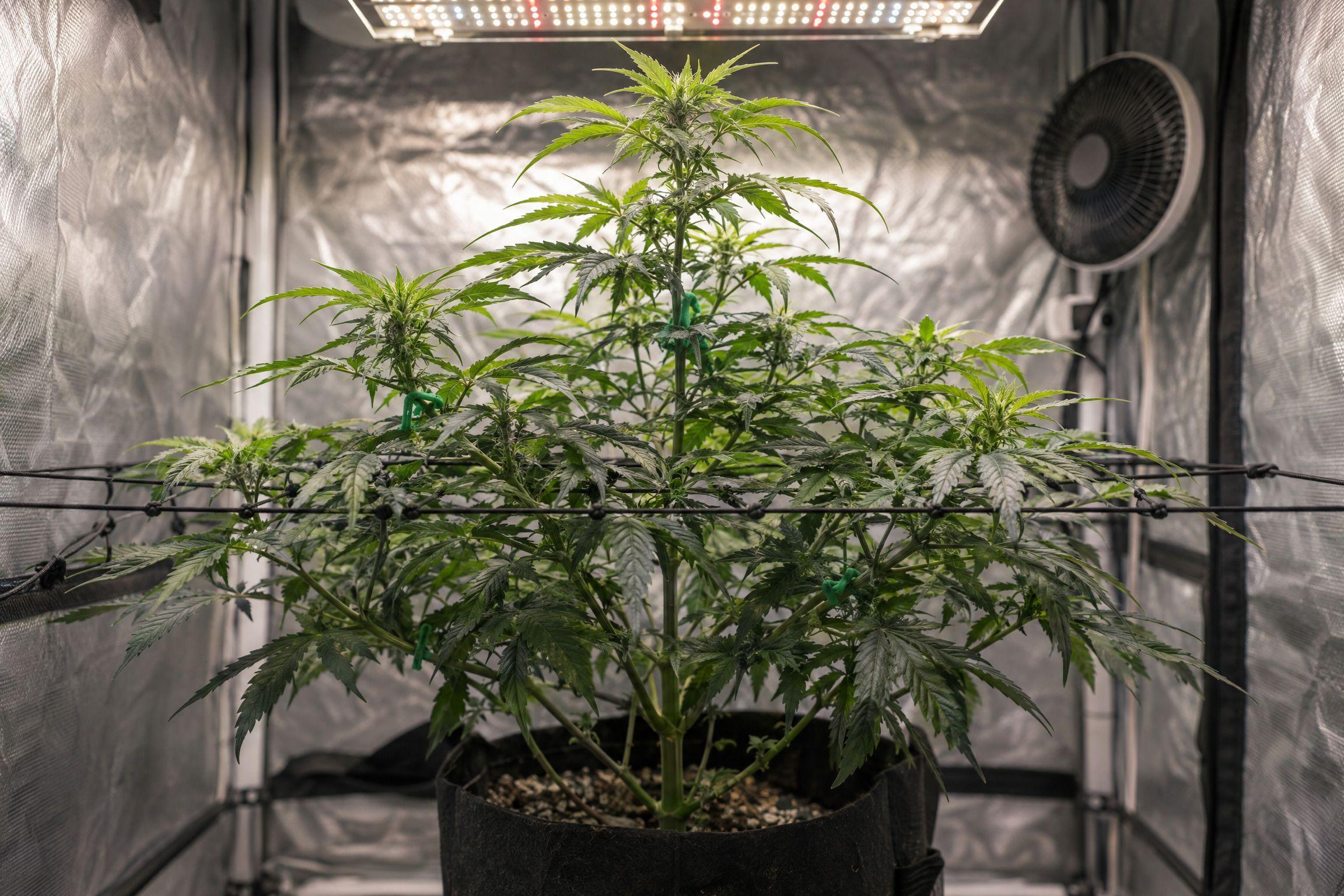
Compare the two available formats
Compare the two available formats
The family is not represented here by an autoflower route, so both available choices should be planned as photoperiod options. That distinction matters when you are setting a light schedule, reserving headroom, and deciding how much time to spend on early plant selection.
The shared Mexican Sativa profile
Our house profile describes Mexican Sativa as a sativa-leaning, photoperiod hybrid associated with a Mexican/Oaxacan line combined with Durban and Pakistani Hash Plant ancestry. It is commonly planned as a tall-growing selection with noticeable flowering stretch, elongated flower structure, and a flexible flowering window often placed around 50–70 days under suitable conditions.
Aroma planning centers on woody sandalwood with floral, herbal, and pine notes, while citrus, liquorice, or anise accents may appear by phenotype and stage. Treat those descriptors as a useful direction for your garden plan rather than a promise that every plant will present the same expression.
When the feminized route makes sense
Choose the feminized route when your plan is built around the listed feminized format and you want to organize the space around female-flowering plants. You still need to plan for photoperiod timing, stretch, canopy management, and phenotype variation, but you can keep the purchase decision focused on one exact format rather than the regular route’s male-and-female mix.
The feminized option suits a grower who wants a direct selection process for a tall, aroma-led photoperiod profile. Set the light schedule deliberately, leave room above the canopy, and use the flexible 50–70-day flowering range as a planning reference rather than a promised endpoint.
When the regular route makes sense
Choose the regular route when your plan accommodates male and female plants and you want the regular version of this photoperiod family. That means reserving space for early sex-expression checks, keeping the canopy easy to inspect, and deciding in advance how each plant fits your intended garden layout.
Regular Mexican Sativa seeds keep the same shared family direction: a tall, sativa-leaning structure, visible flowering stretch, and sandalwood-led floral, pine, and herbal aroma possibilities. The route is not a shortcut to a fixed result, so use gradual training, airflow planning, and a flexible flowering window to keep the garden manageable.
For the exact offer, use the neutral view regular offer label. Confirm the live offer details on that destination, then return to our Mexican Sativa strain guide for broader identity and cultivation context.
A simple selection checklist
Start with format, then check the space and schedule that format requires. Feminized is the cleaner match for a female-focused photoperiod plan, while regular is the better match when your workflow accounts for male and female plants from the outset.
Next, plan for the family’s structure rather than a numeric height target. Leave headroom, decide how you will guide the canopy before flowering stretch begins, and keep moisture and airflow management part of the routine as flowers develop.
Finally, keep the commercial check separate from the editorial profile. Open the exact offer link for current pack, delivery, and availability details, and use the feminized product page or regular product page when you are ready to review one format in depth.
A useful way to compare the two routes is to decide which garden task you want to solve first. Feminized seeds simplify a female-focused layout, while regular seeds make early inspection and space allocation part of the workflow from the beginning.
If your room is compact or your access path is limited, sketch the canopy and inspection points before choosing a pack. If you have room to observe each plant and already work comfortably with regular seeds, the regular route can fit that more deliberate process without changing the shared photoperiod family profile.
The format decision also affects how you use your calendar. Feminized planning can move directly into light scheduling and canopy work, while regular planning should reserve time for observation before the flowering structure becomes difficult to rearrange.
Whichever route you choose, keep the same environmental priorities in view. Headroom, gradual training, accessible branches, airflow, and moisture awareness provide a more dependable planning framework than a promise about a fixed size or exact outcome.
Readers comparing formats should also consider how much daily attention the garden can receive. A feminized layout may keep the early commercial choice simple, while a regular layout rewards growers who can inspect plants consistently and make space decisions without rushing.
Once you know the workflow that suits you, keep the purchase step precise. Select the exact format page, review the live destination separately, and use the guide for cultivation context rather than expecting the group page to replace format-specific preparation.
Our recommendation
Mexican Sativa seeds are a practical choice for growers who want a sativa-leaning photoperiod profile, a longer flowering plan, and a distinctive sandalwood-led floral-woody aroma direction. Choose feminized for a female-focused layout, choose regular for a plan that includes male and female plants, and let the exact format guide the rest of your preparation.
Compare Mexican Sativa seed types
Compare the available seed types for Mexican Sativa. Match a format to your space, experience, and preferred growing rhythm.
Feminized seed type
Mexican Sativa Feminized Seeds
Mexican Sativa feminized seeds are the exact-format choice for growers who want to organize a photoperiod garden around the listed feminized route. Our product profile pairs that format with a tall, sativa-leaning structure, noticeable flowering stretch, and a sandalwood-led aroma direction that rewards thoughtful space planning.Regular seed type
Mexican Sativa Regular Seeds
Mexican Sativa regular seeds are the exact-format route for growers who are prepared to plan around male and female plants within a photoperiod garden. Our profile pairs that regular format with a tall, sativa-leaning structure, visible flowering stretch, and a sandalwood-led floral-woody aroma direction.Mexican Sativa Seeds data sheet
These profile details help compare seed formats and plan a growing space. Plant development can vary with seed type and growing conditions.
Mexican Sativa Seeds growing FAQs
Are both Mexican Sativa routes photoperiod?
Yes, the two listed routes are photoperiod options. Plan the light schedule deliberately.
Which format suits a female-focused layout?
The feminized route is the direct match for that planning preference. The regular route includes male-and-female planning.
What should I reserve for Mexican Sativa structure?
Leave headroom and preserve access around the canopy. Early training helps you respond to flowering stretch.
Is an autoflower route included?
No, this family package covers feminized and regular routes only. Use the exact route pages for the available formats.
How should I use the flowering reference?
Treat 50–70 days as a flexible planning range. Let phenotype and conditions guide the calendar.
Related seeds
All seeds
Hybrid
24k Gold
24k Gold seed options include Feminized formats. Compare the options with your preferred space and growing schedule.
View details
Hybrid
3 Kings
3 Kings seed options include Feminized formats. Compare the options with your preferred space and growing schedule.
View details
Hybrid
5 Alive
5 Alive seed options include Feminized formats. Compare the options with your preferred space and growing schedule.
View details